
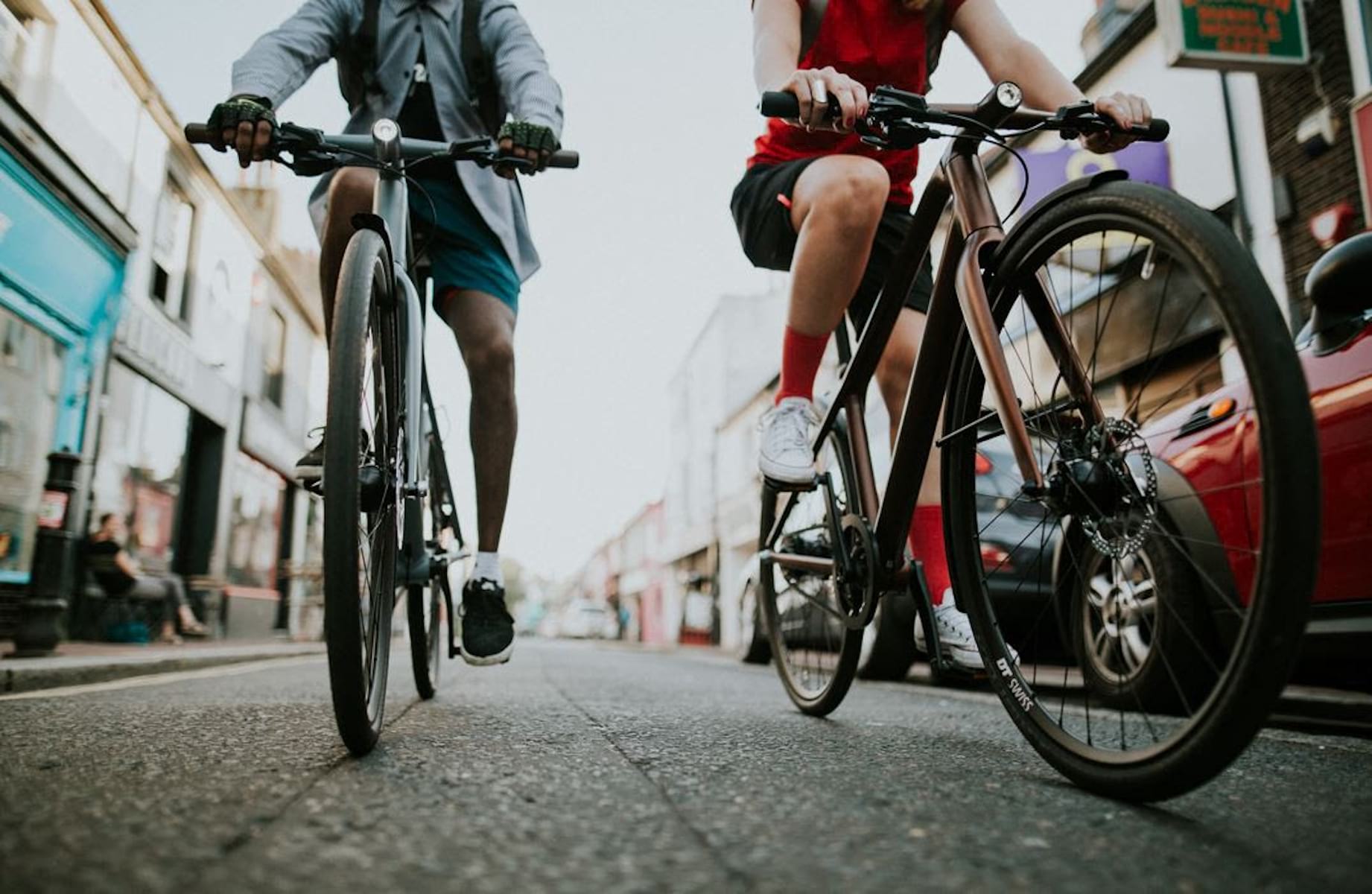
Chancellor Rachel Reeves looks set to introduce new spending limits on the popular Cycle to Work salary sacrifice scheme, potentially affecting thousands of mountain bikers who’ve used it to purchase bikes.
What’s Changing?
According to reports in the Financial Times (paywall), the government plans to reintroduce a cap on bicycle sales through the Cycle to Work scheme ahead of the Budget on November 26. The exact limit hasn’t been confirmed, but the move reverses the 2019 decision that scrapped the original £1,000 threshold.
The scheme, which has been running since 1999, allows employees to buy bikes and accessories through interest-free loans from employers, with payments deducted from gross salary before tax and National Insurance. This currently saves higher-rate taxpayers 42% and basic-rate taxpayers 30% of the bike’s cost – although many schemes have other costs factored in that reduce that maximum saving.
Why the Change?
Government sources suggest the scheme has been exploited by some higher-rate taxpayers purchasing luxury bikes costing £10,000 or more – bikes intended for leisure rather than commuting.




“Cycle to Work should be about helping ordinary commuters switch to greener travel, not giving tax breaks to high earners buying £4,000 e-bikes for weekend rides in the Surrey Hills,” said one government figure quoted in the FT.
The cost of the scheme has ballooned from £55 million in 2019-20 to £130 million in 2024-25, with claimants rising from 167,000 to 209,000 over the same period.
As Chancellor Reeves looks for savings in an under-pressure economy, this kind of “abuse of taxpayer cash” is reportedly in her crosshairs.
The Scheme’s Economic Impact
The numbers tell a significant story. According to the Cycle to Work Alliance, the scheme generated £219 million in bicycle and accessory sales in 2023/24, contributing £43.8 million in VAT while supporting a struggling UK cycling sector.
The broader economic benefits are even more substantial – the Alliance estimates the scheme delivers approximately £573 million annually to the British economy.
What This Means for Mountain Bikers
Many of our readers have used the Cycle to Work scheme to purchase decent bikes – bikes that genuinely serve dual purposes for commuting and trail riding, like gravel bikes. The concern is where any new cap will be set.
The problem: Decent mountain bikes, particularly e-MTBs, typically cost £2,000-£5,000 (average – we all know they go waaaaaay higher than that). A cap set too low could exclude:
- Quality e-bikes suitable for longer commutes
- Full-suspension bikes.
- Cargo e-bikes for families combining school runs with commuting
Will Pearson, co-owner of London-based Pearson Cycles, warned that any new limit needs to be “sensible” and cautioned that restricting the scheme could harm environmental goals.
“Customers are far more likely to consistently use their bikes if they are of a certain quality, reliable and efficient,” Pearson said. “This often comes at a higher price tag.“
Industry Impact
The timing couldn’t be worse for cycle retailers, who are already struggling with falling sales volumes and depressed prices following the pandemic bike boom. Many shops have relied on Cycle to Work scheme purchases to sustain business through difficult trading conditions.
The scheme has been a key pillar of the UK cycle market for a quarter century, enduring multiple Conservative, Labour and Coalition governments as a relatively uncontroversial way to support active and sustainable travel.
The Debate Within the Industry
Cycling Industry News reports that the industry itself has long debated the scheme’s use. Independent retailers have questioned whether all bikes bought through C2W are actually being used for commuting, with some lobbying for changes – including widening access to workers currently excluded from the scheme.
The 2019 removal of the £1,000 cap was designed to reflect rising bike costs and accommodate e-bikes, but it also opened the door to the high-end purchases now under scrutiny.
What Happens Next?
The Treasury has declined to comment on “Budget speculation,” but the announcement is expected in Rachel Reeves’ Budget on November 26.
We’ll be watching closely to see:
- What cap level is introduced
- Whether exemptions exist for e-bikes or cargo bikes
- How quickly any changes take effect
- Whether there’s a grace period for orders already in progress
Our Take
The Cycle to Work scheme has been brilliant for getting people on bikes – including mountain bikes that serve genuine commuting purposes. Yes, some may have gamed the system with ultra-high-end bikes, but the solution shouldn’t punish ordinary riders who need quality, reliable bikes for daily use.
A sensible cap – perhaps £3,000-£4,000 – would prevent abuse while still allowing access to the e-MTBs and quality bikes that make year-round commuting practical and sustainable. With the scheme contributing over half a billion pounds annually to the UK economy and genuinely supporting green transport, heavy-handed restrictions could do more harm than good.
We want to hear from you: Have you used Cycle to Work to buy a mountain bike? How would a cap affect your plans? Let us know in the comments.
We’ll update this story as more details emerge from the Budget announcement.

Hopefully they’ll deal with the far more expensive and harmful car salary sacrifice schemes too.
A bike bought through C2W still incurs VAT, tax on the business that sells it, tax on its employees’ salaries, tax on the C2W scheme providers and duty on the imported parts.
The salary sacrifice part is just a free lubricant which generates all those other taxes, whilst encouraging people to do something wholesome and healthy.
We get the option of cycle scheme and a car scheme at work, we’re actively encouraged to use it. In fact the past couple of employers I’ve worked at in the past ten years have encouraged the cycle scheme or GCI. The cycle scheme is clearly a incentive for people who don’t ride to get out and be a bit more healthy, which is a good thing.
I expect the government encourage businesses to run the scheme to get people buying things and be ultimately less of a burden on the NHS, so once again we’re now told that something that’s been promoted by the government is now being demonised.
Similarly promoting EVs only for owners to be suddenly getting charged more for fuel and “road tax” than ICE vehicles.
I’ve not used either as the monthly payments are still frightening for a 12month period, that and being tied to a place of work without the option to jump ship if all goes tits-up.
One thing to note, the poll didn’t have an option for “didn’t use but would if it were more than a 12 month period” like the GCI 18month but then I suppose that would get abused, such is human nature.
I bought an emtb to commute to work on over the south downs. Cut the time down from 60 minutes to 40 minutes each way. Plus means i actually get out of bed and do it. It’s about 25 minutes in the car. Bike was 5.5k (though now reduced to 4k grrr)
If the scheme wasn’t there I’d probably have just done less cycle commutes, maybe only on nice summer days.
I’d be interested to see if they are targeting that car sheme as well. i looked into it, and it was almost as expensive as leasing a car privately. Most of the savings seem to be going to the companies running it.
Where the hell can you get an e-bike for 4k retail
I reckon a tax on aviation fuel would be a lot less popular, even though it would use the same arguments. Well, apart from the Surrey Hills bit, that is.