The consultation for this closes at midnight tonight. It seems pretty unanimous among the bike world that the proposals would be a big mistake. The Bicycle Association has created a draft response, so at the touch of a couple of buttons you can submit an objection. Click here for their suggested response.
The government has announced a consultation on changing the rules around ebikes. What do you think of the proposals?
As you’ll no doubt be aware, UK electrically assisted pedal cycles (or EAPCs – as distinct from electric motorbikes) are subject to the same access rules – and lack of licensing rules – as standard bikes, providing they meet certain restrictions. At present, those restrictions are:
- cycle must be fitted with pedals that are capable of propelling it
- maximum continuous rated power of the electric motor must not exceed 250 watts
- electrical assistance must cut off when the vehicle reaches 15.5mph (25km/h)
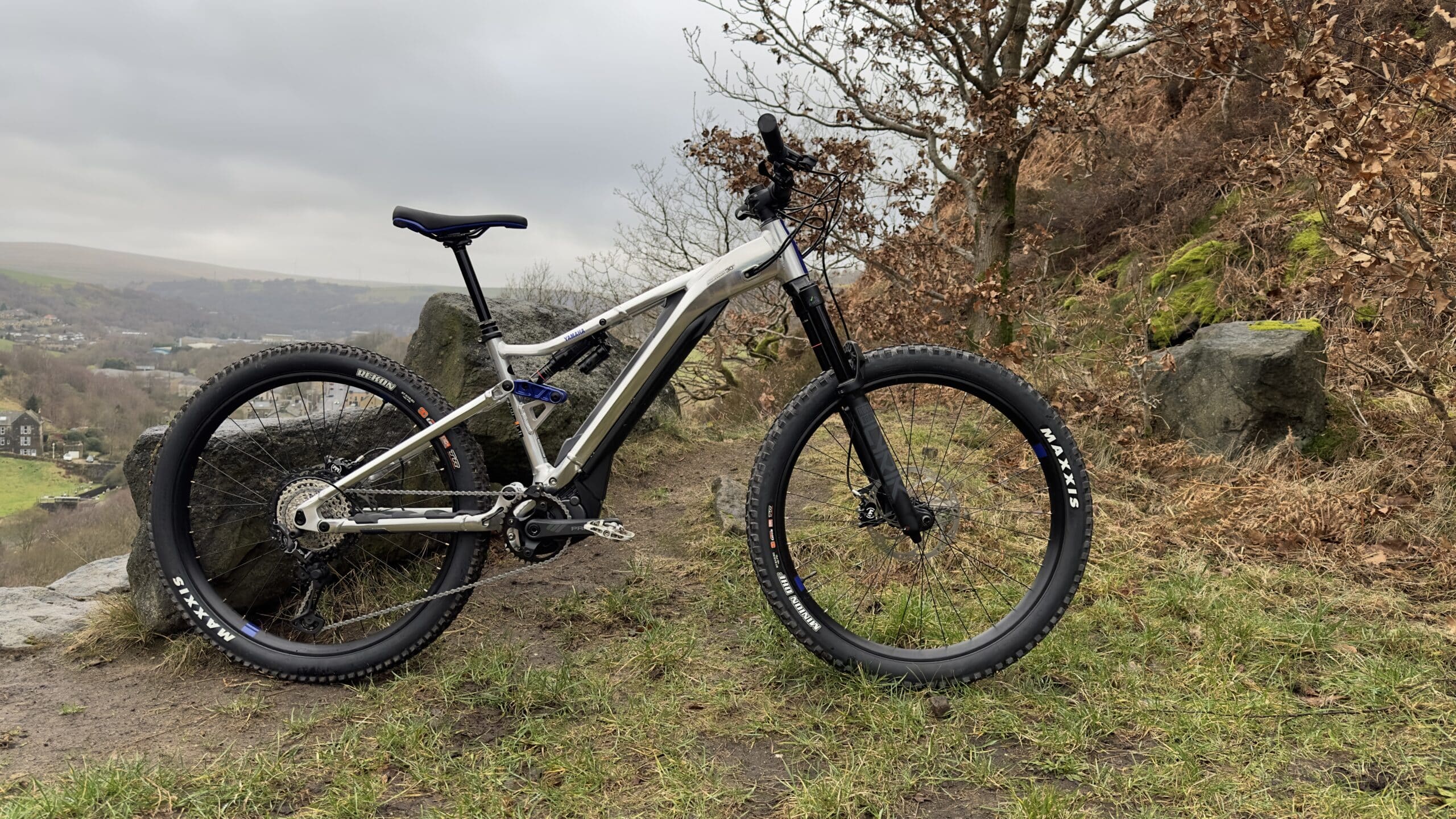
Bikes can – and do – put out more than 250 watts at present. Shimano’s EP8 motor claims a peak power of 500W – which is legal under UK rules because the system can’t sustain it for the ‘the maximum thirty minutes power at the output shaft’ required to calculate the continuous rated power. Anything that doesn’t meet the above criteria doesn’t count as a bike, and is subject to a range of rules, ranging from licensing and helmet requirements, through to vehicle excise duty and restrictions on where you can use them. In some instances, bikes can be subject to ‘type approval’, where the Vehicle Certification Agency ensures that a vehicle meets certain technical requirements.
The government is consulting on the following changes:
- to amend the legal definition of how EAPCs are classified so that the maximum continuous rated power of the electric motor must not exceed 500 watts instead of 250 watts as set out in the current regulations
- to allow ‘twist and go’ EAPCs to have throttle assistance up to 15.5mph (25km/h) without the need for type approval
The consultation makes no mention of e-mountain bikes, focussing instead on ‘active travel’ and e-cargo bikes. The government argues that the above changes will make it easier for people to choose bikes as transport, and makes particular reference to disabled people having a broader range of transport options available to them, and the wider use of cargo bikes for deliveries and goods.
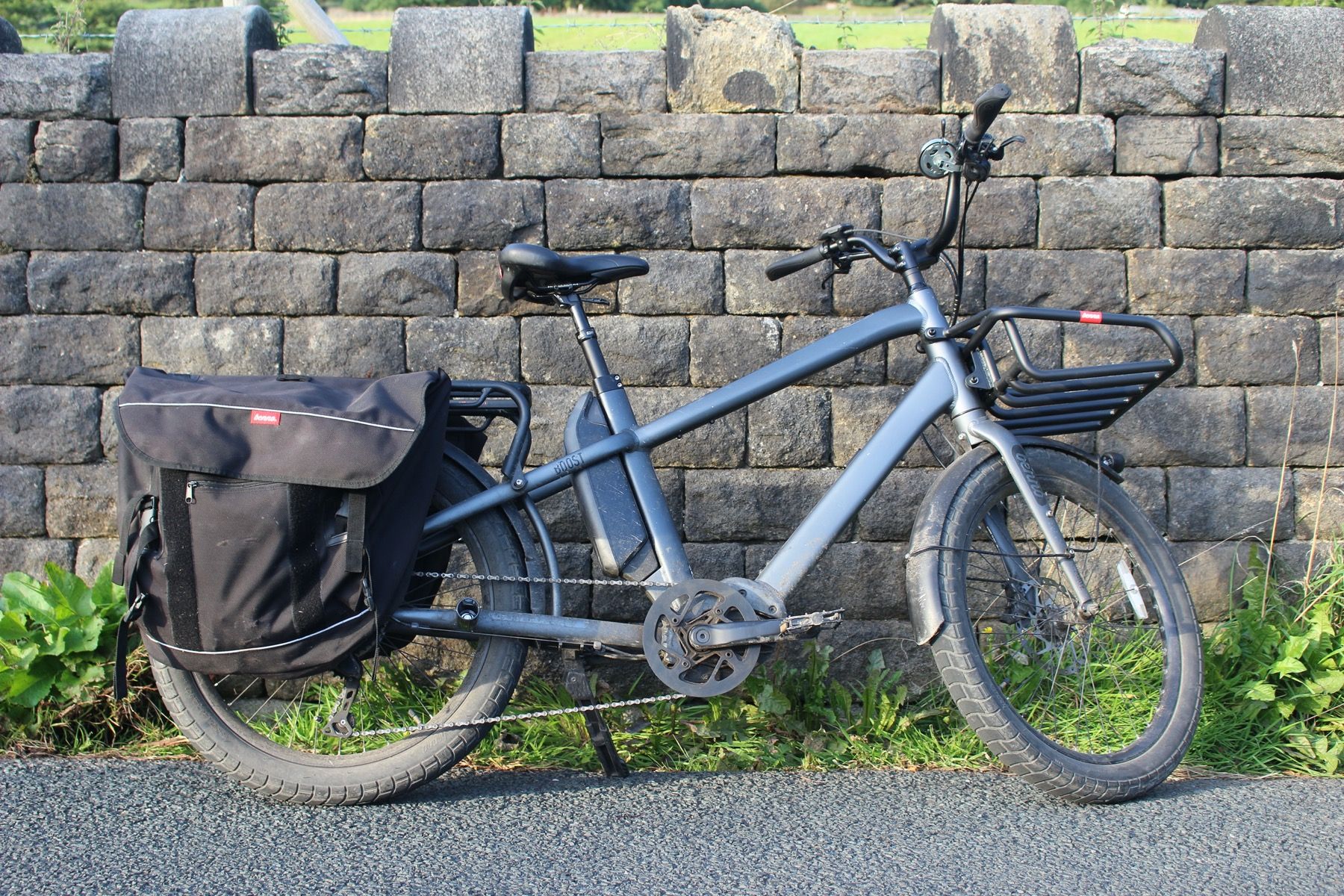
As the owner of a cargo bike with Bosch CX motor, which has a maximum claimed output of 600W, I can see why some riders (or non riders) might think more power could be desirable. Fully loaded with a 60kg teen and climbing a steep 20% hill, your speed will drop and you’ll have to put some effort into the pedals. But it’s doable without undue sweat, and that’s a pretty niche case. Enough power to make that scenario faster isn’t without its attractions however, especially if you regularly haul large loads up hills. Note that the government’s consultation doesn’t mentioned removing or raising the 15.5mph assistance cut off, so with the more powerful motor it wouldn’t make you go any faster as a maximum speed (unless you’re freewheeling downhill), but it would allow you to achieve that 15.5mph more consistently, whatever the load or terrain.
But the proposal isn’t limited to heavy hauling cargo bikes, and with such power would come a fair amount of punch. Imagine if, instead of that ‘boost’ mode being something that could be relatively briefly sustained, as is the case with a Shimano EP8, that was the base level of continuously sustainable output. ‘Boost’ mode could then be something far higher under the above proposals. If you’ve ever set off in boost on a tricky section, you’ll know how hard to handle that can be – if that was just the baseline, and there was a load more power available, that could be another level of challenge.
To some extent, we already have some of these issues in the form of ‘chipped’ bikes, which are illegally modified to exceed the current restrictions. You might imagine that such chipping would continue, even if legal power was increased. What would a modded 500W ebike be capable of?
It’s all these safety concerns that has led Cycling UK to issue a statement opposing the proposals – along with a belief that expanding throttle options will reduce the health benefits of cycling, which are still present even on an EAPC.
Cycling UK’s director of external affairs, Sarah McMonagle said:
“These proposals present a huge safety risk to pedestrians and others who cycle. The dramatically increased power would mean faster acceleration and much heavier bikes, which we’re really concerned about.
“E-cycles with no pedal requirement would also reduce the health benefits of e-cycling – in essence, they would blur the line between e-bikes and electric motorbikes.
“The Government has stated that the proposed changes would make e-cycles more attractive, yet the most commonly cited reason for people not cycling is that they don’t feel safe. E-cycles are also prohibitively expensive for many people. We fully agree with the Government’s goal to get more people to enjoy the benefits of e-cycles, but believe the way to do that effectively is to invest in high quality infrastructure and provide financial assistance for those who need it.”
In the mountain bike world, the blurring of lines between e-bikes and electric motorbikes has often been a concern, with electric motorbikes being cited as causing access problems and trail conflict. Electric motor bikes are not allowed on bridleways or mountain bike trails, and many landowners and trail builders have complained of the damage caused by such motor bikes. Meanwhile, mountain bikers have complained when they find themselves being tarred with the same brush by people not appreciating the difference between a pedal assist eMTB that does have a legal right of access, and electric motorbikes, which don’t.
The government states:
‘E-cycles with increased power and throttle assistance in line with the proposed changes would be classified as EAPCs and would, therefore, be able to use the same infrastructure as pedal cycles, including cycle lanes, tracks and other cycle facilities.‘
Are we looking at a step towards everyone being allowed to ride everything everywhere all at once, or a hectic free for all and rapid disintegration of paths and trails? Could such deregulation be followed up with regulation, in the form of cycling licences or helmet laws?
The government’s proposals seem to be based on the idea that more power equals cycling will be easier, equals more people will get on bikes. But does that really bear out? An electric road or gravel bike makes cycling very easy on all but the steepest inclines – but the fact that on the flat you hit the speed restriction for the assist well before the speed a reasonable rider might expect to pedal at seems like a greater frustration than lack of power. As cities that build good cycling infrastructure have shown, it seems to be this – or the absence of cars – that really gets people onto bikes. Couple that with making bikes – and their insurance and storage more practical and affordable – and the pricier electric bikes become more attractive still.
What do you think? Is more power desirable? More throttle bikes? Or is there nuance and perhaps narrower rule amendments to be made – the classic political ‘third way’?
No prizes for guess where David Turner would sit in this debate. His words ‘We First Worlders, We Want More’ seem quite fitting. Watch the video here:


