UPDATE: Reviews section refreshed, redesigned, searchable: Go take a look
No mow May starts soon but I sense that there is quite an appetite for the natural world - working with nature and enhancing our gardens for nature where we can. There are also some very dedicated photographers on here that could share their pictures?
Being out in nature is why a lot of us use bicycles!
We are lucky, we bought a small 1928 semi in the 90’s. It has a large garden of 1/2 an acre but in a long thin strip, 30m from the road and 100m to the top, uphill and East facing. It did have about 20 fruit trees that have gradually succumbed to age and honey fungus, just one Scarlet Bramley left but also lots of plum seedlings and an amazing number of blackthorn/sloe trees.
We rescued a number of trees that had been bulldozed over the road for the reclamation of “the most polluted site in Europe”, these have created a lovely woodland with bluebells, campion, anemones and other plants that have appeared. I get tawny owls, blackcaps, willow warblers, nuthatch, gold crests, finches, all the tits, foxes, woodmice, stoats, buzzards and others. It takes some “managing” otherwise brambles and nettles do take over but we do it without chemicals, as we do the rest of the more traditional garden.
Slugs and snails are no longer a problem and invasions of aphids are dealt with by the birds or predatory insects such as ladybirds.
We like to think of it as an oasis in the midst of Britain, one of the least bio-diverse countries in the world.
It can be such a peaceful place to spend a few minutes of reflection.
I get tawny owls, blackcaps, willow warblers, nuthatch, gold crests, finches, all the tits, foxes, woodmice, stoats, buzzards and others.
Can we combine this with the "cycle tourers" thread and come for a visit on our tandem?! Sounds wonderful!
So I'm also a believer in all this albeit on a less grand scale. No mow April,May and June and leaving alot of unrulyness around. The birds seem to like it.
I watched a documentary on iplayer last week which I found inspirational and interesting. It's called "My garden of a thousand bees", made by the same guy that did "The Birds" (recommended on a thread here a couple of weeks ago.)
Anyway, it inspired me to go out and make my version of a bee house/hotel for solitary bees. This is as close to instant gratification as you get with nature stuff, I had bees sniffing around 20 minutes after hanging it up!
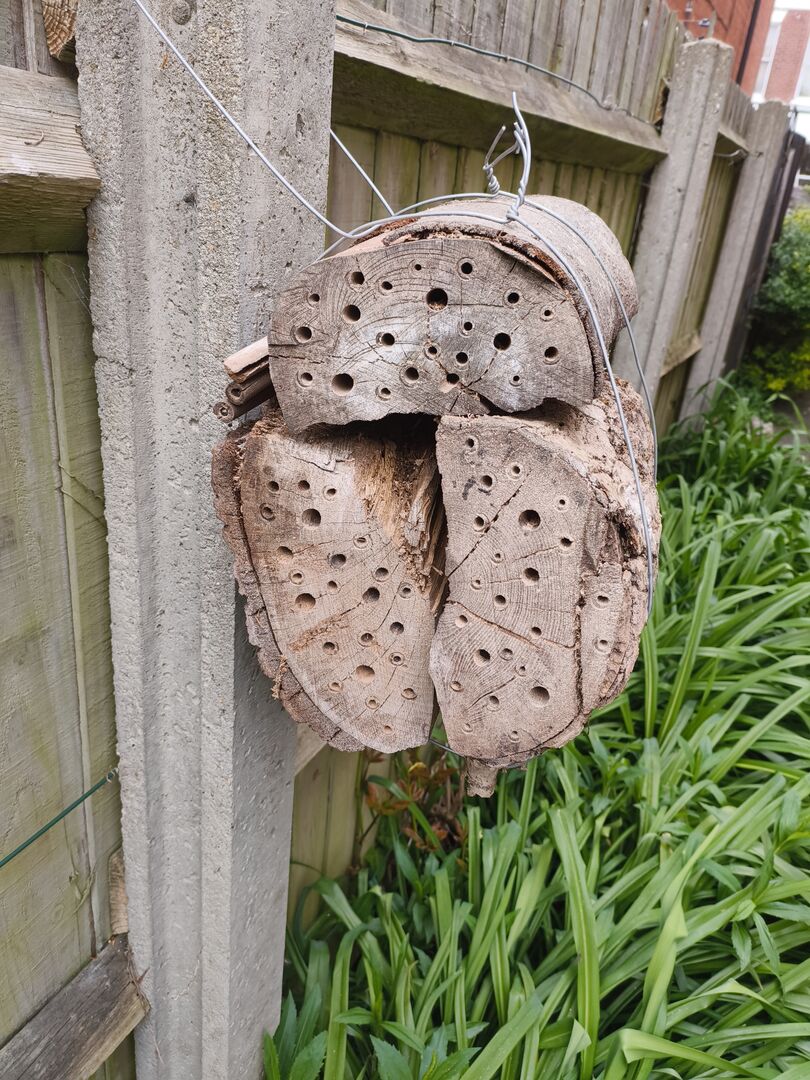
is that literally old chunks of wood with varying-sized holes drilled in ? I have some old wood...
Yep! Holes between 3 and 10mm about 150mm deep. Sunny place preferably up off the damp ground and away you go.
Edit to say holes shouldn't go all the way out the other side, they should make a tunnel with one entrance.
I made this one as part of my 'giving goldfinches for Christmas' project I mentioned in the no mow may thread 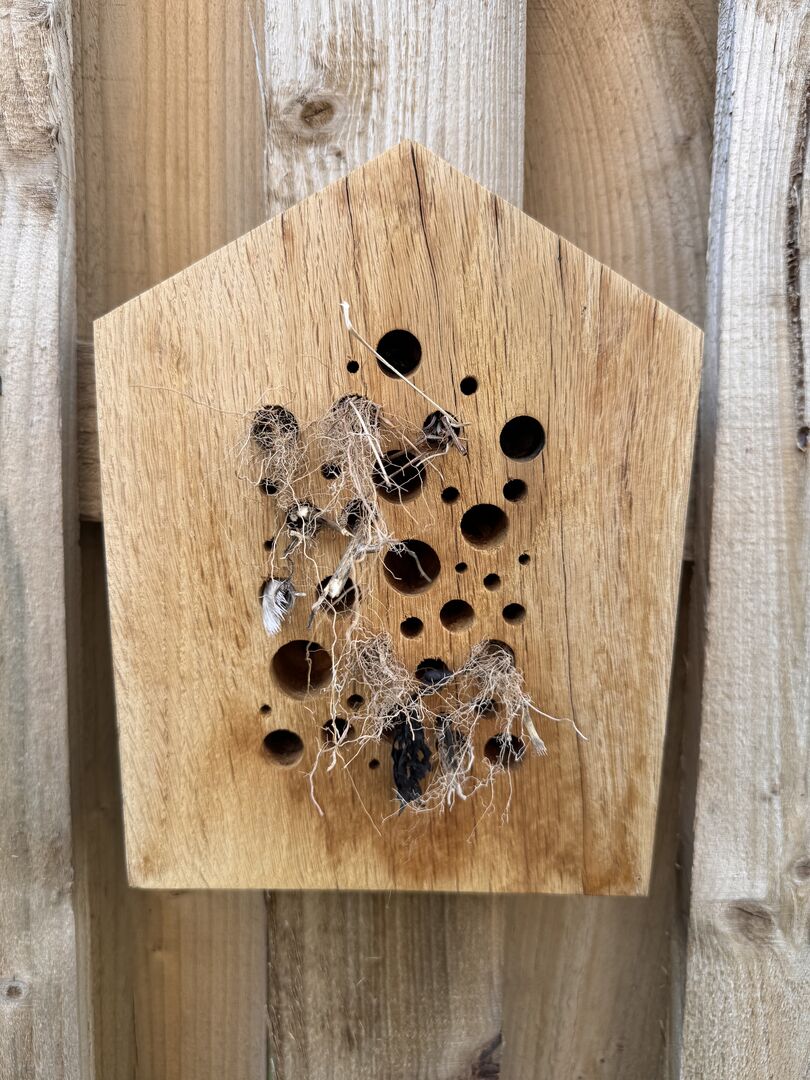
Its part bug hotel part nesting material library
Also kept all the hip tiles when our roof was redone to make a sort of Sydney opera house homage hotel for critters too
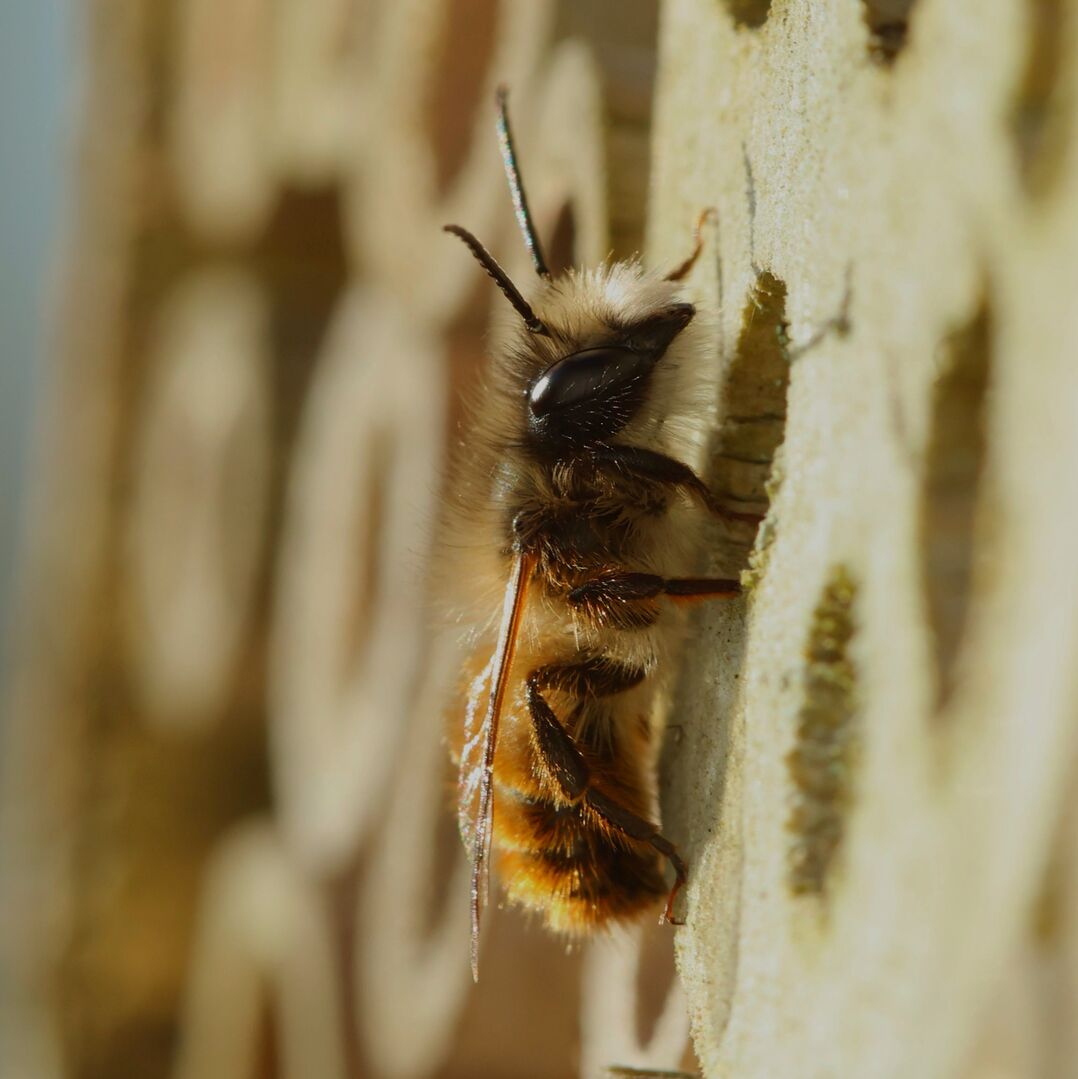
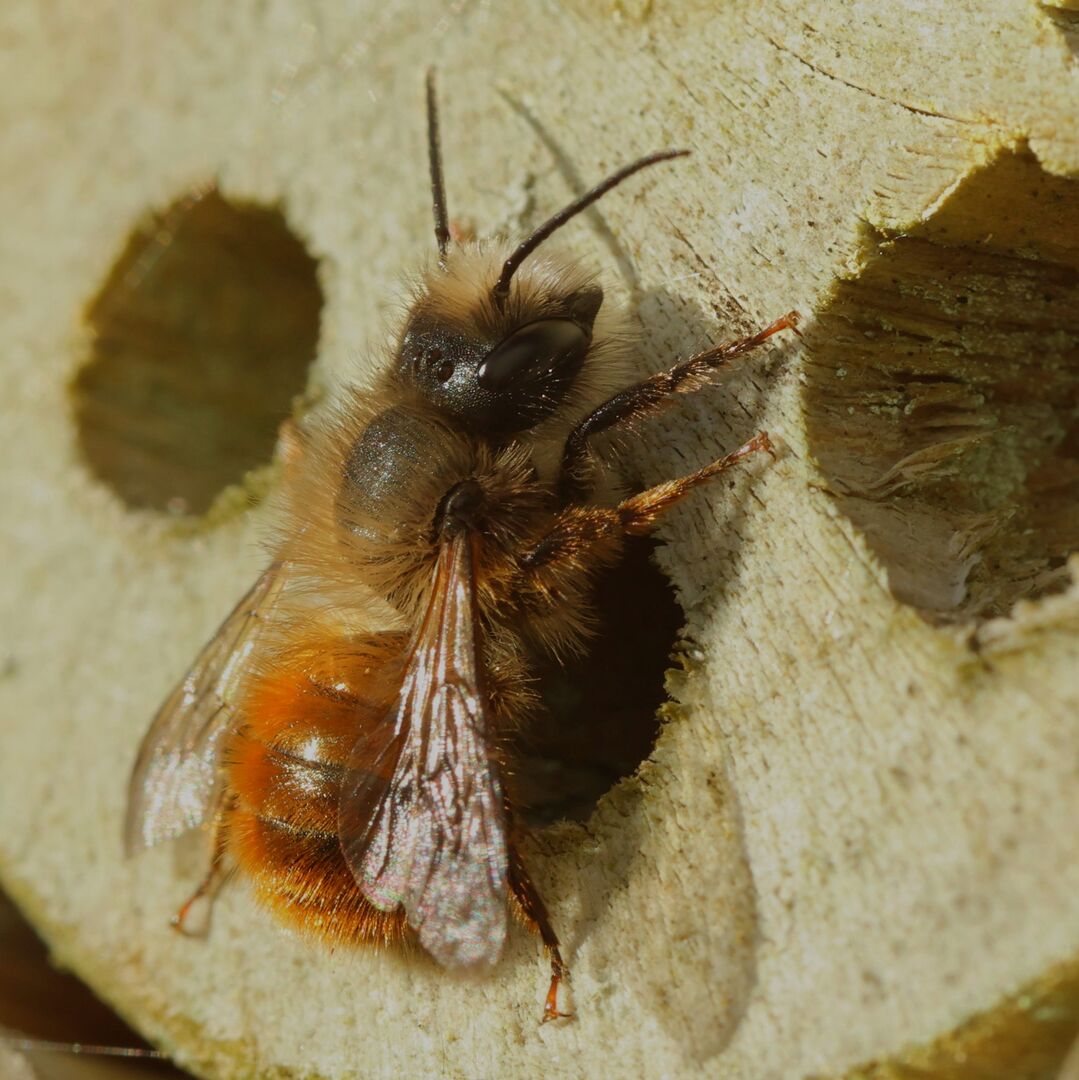
We've been getting mason bees in our bee hotels, one was bought one was made from a rough off it of wood that I drilled loads of holes in. Really busy and lots of aerial dramas.
We sowed clover through the lawn. I've been tempted to go with some birds foot trefoil too.
The rest of the garden is pollinator friendly but not natural planting.
We don't get many ladybirds as the sparrows ear all the aphids every morning
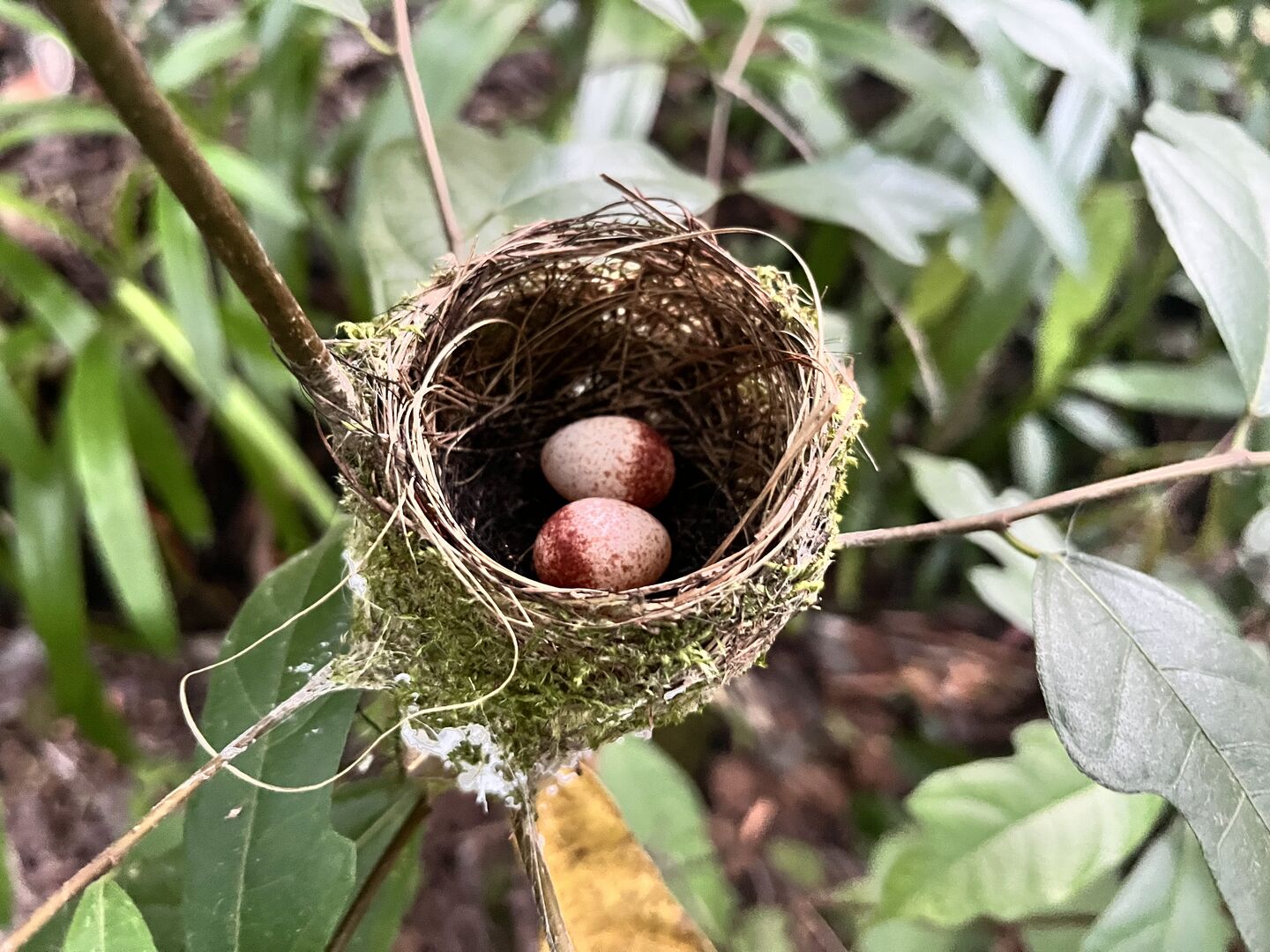
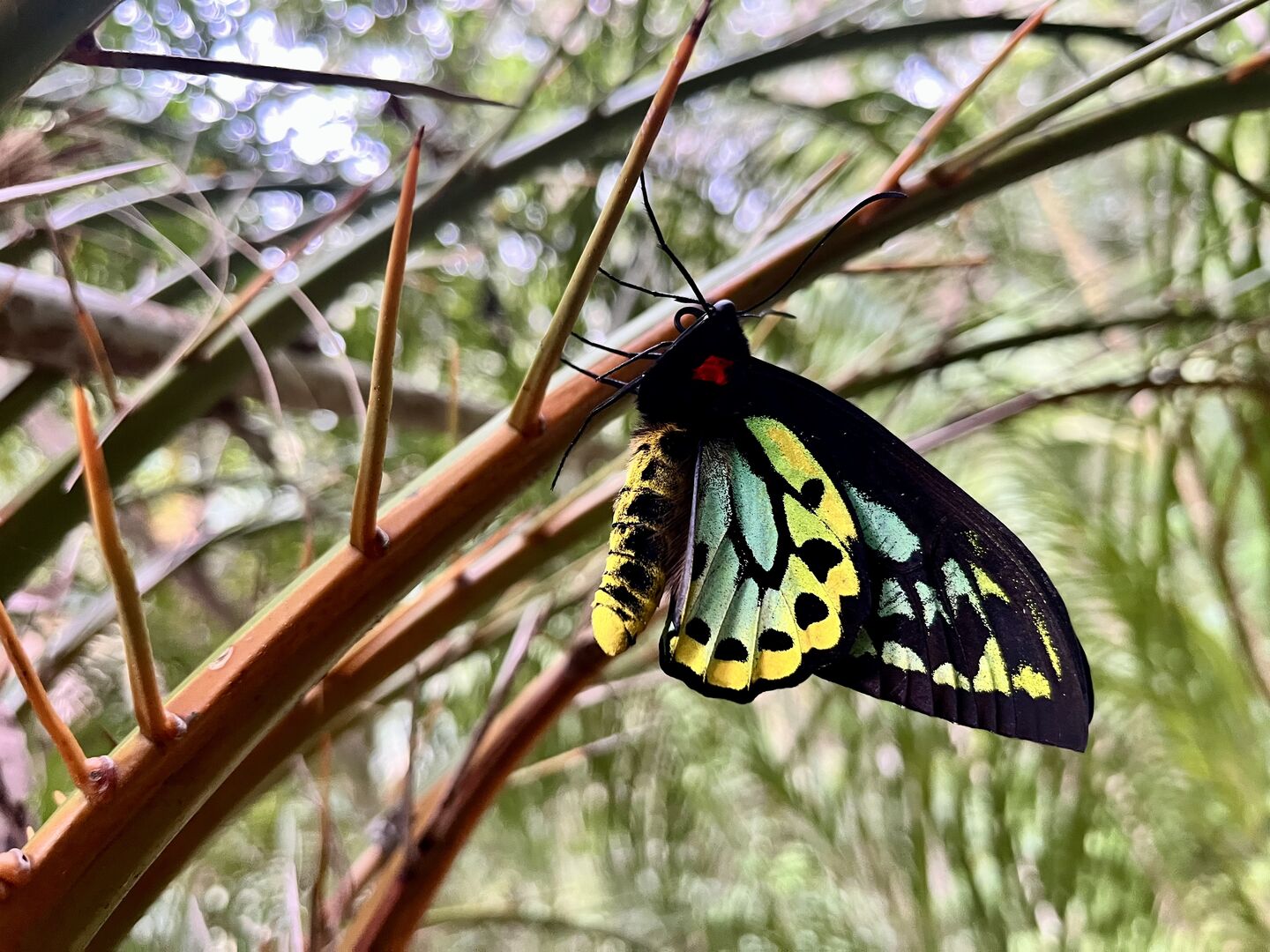
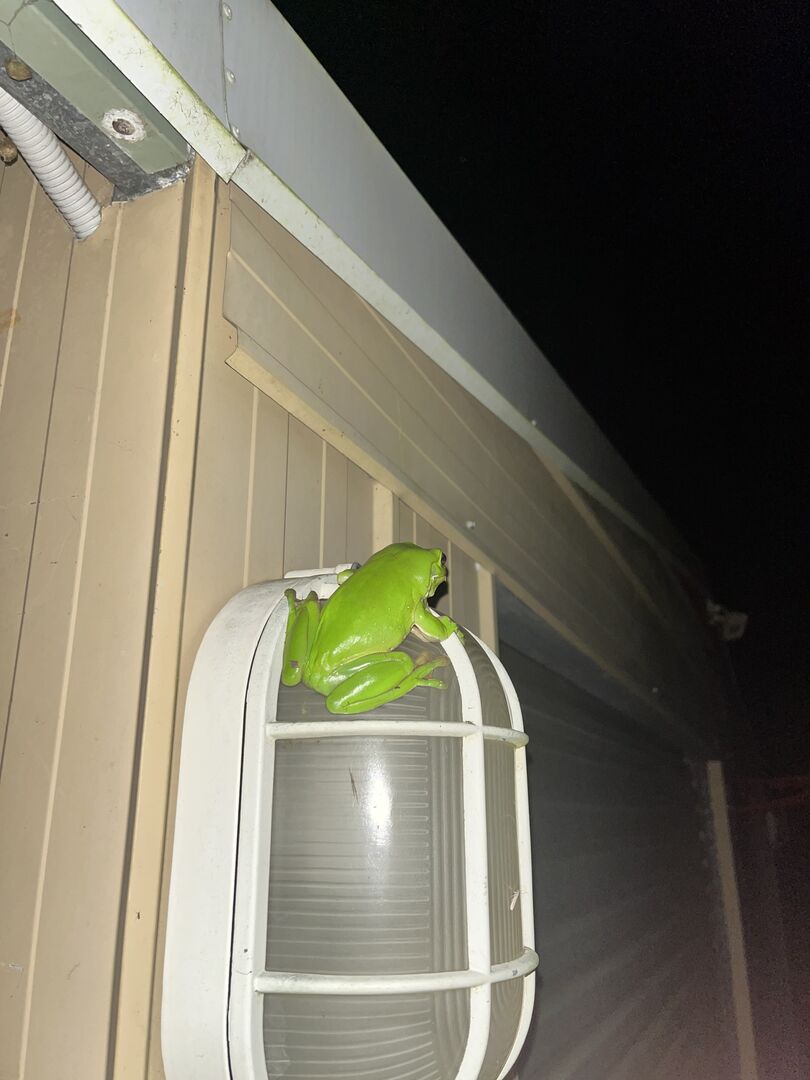
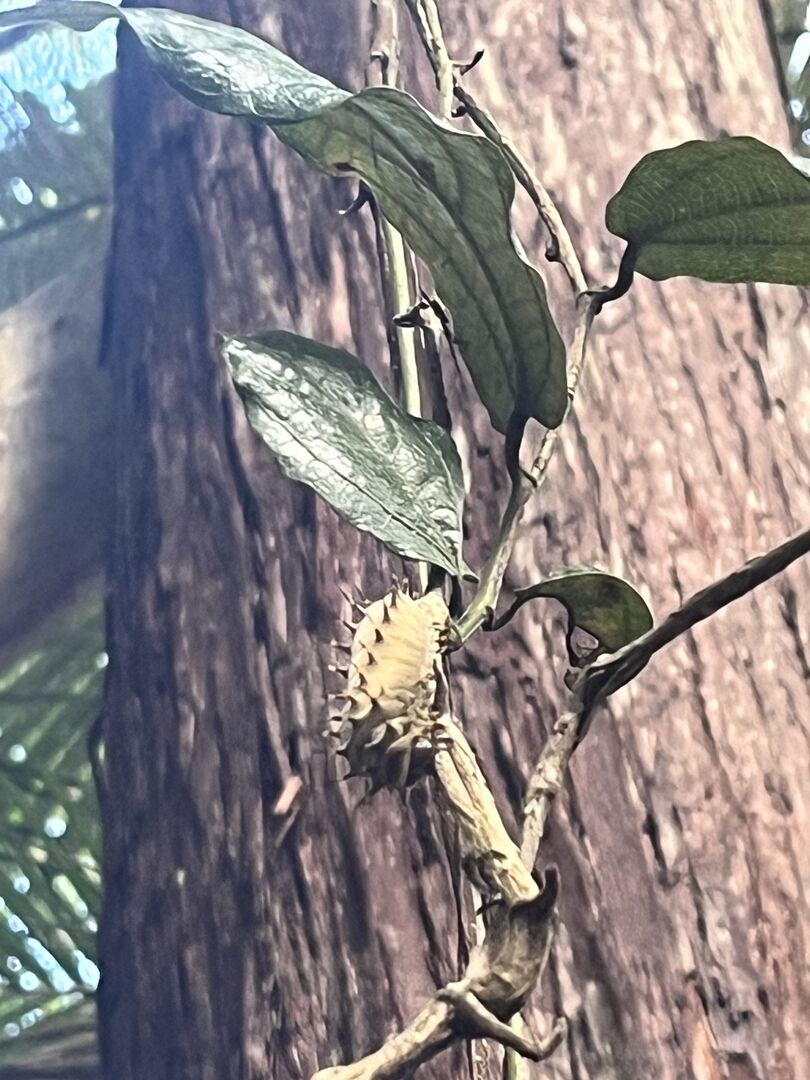
 When i was a teenager I remember a biology teacher talking about climactic climax and decided that I'd want to own a plot of land one day where I could let nature take its course.
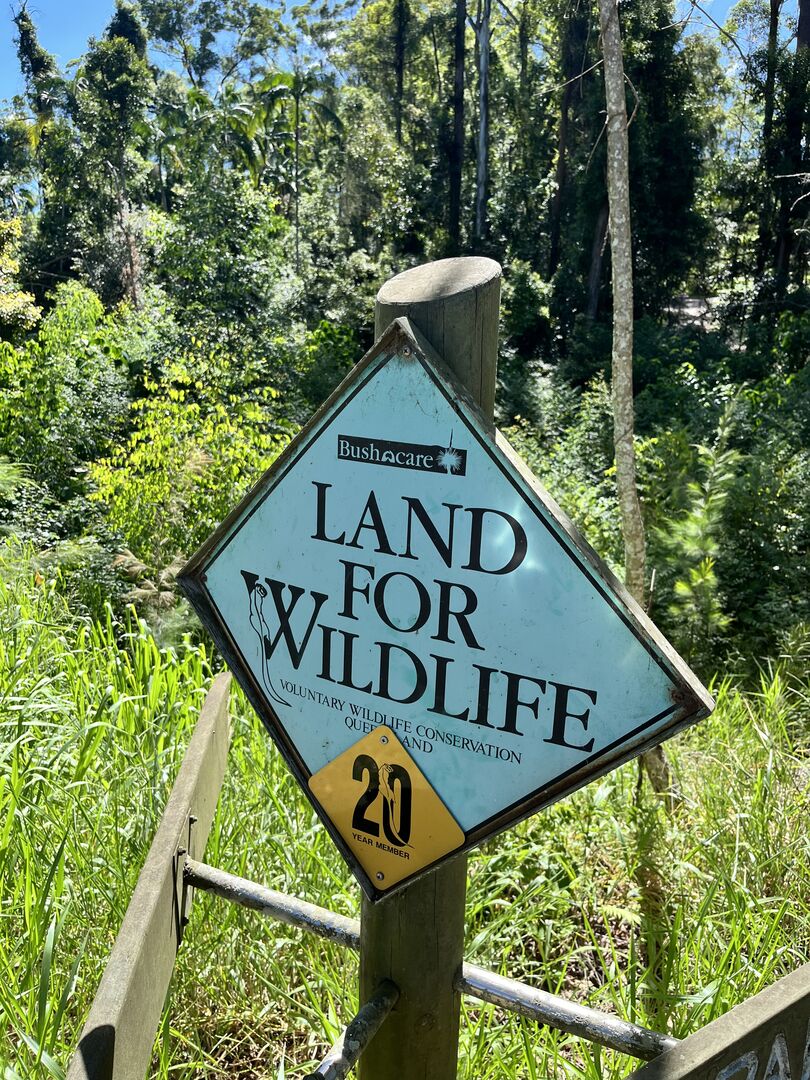
Never in my wildest dreams did I think i'd do it on the other side of the world. I'm fortunate enough to live on (or in) 6 acres of regrowth rainforest and sclerophyll forest. It directly connects to thousands more acres in various states. Our land was logged in the 1920s I think, so there's plenty of trees 100+ years old, virtually no lawn, and the weeds have more or less been eradicated. Our local council is pretty good with this - we're part of an Australian Home - Land for Wildlife scheme and get a rates rebate in return for committing to a Voluntary Conservation Covenant. We don't have domestic animals on site and that makes for some fun wildlife - Brush Turkeys wandering around the place, lots of owls, tawny frogmouths, all manners of birds, snakes and lizards, wallabies. And as previous owners were licensed propagators of a crucial food source for a vulnerable Richmond Birdwing butterfly species, we get to see lots of those. 10 years ago if you did a websearch for that species you would inevitably get a photo of a male butterfly on a vine outside my front door.
I'm no photographer, but i'll have a rummage and see what i can find.
Great thread. We've started the 'no feed seed' from the RSPB bird advice. Will be interested to see how this goes.
Also 'No Mow May', starts today.
Lovely pictures @reeksy I can’t compete with that exotica!
The blackthorn blossom has finished in our garden, possibly the best ever, the blossom has come out on our remaining apple tree and soon our very large hawthorn trees will be flowering, one is slightly pink and weeping.
The masses of violets are still going strong, I found a small patch on the shared front lawn over 30 years ago and mowed around them until they seeded - they are everywhere now.
I found some Ladysmock this morning in one of the areas of grass I have left unmowed - good food for orange tip butterflies.
On my way to help a mate concrete his (1 in 3) drive yesterday, a long term project, I passed fields absolutely full of dandelions and then the more marshy fields covered in Lady-smock. Spring is beautiful if it’s allowed to be.
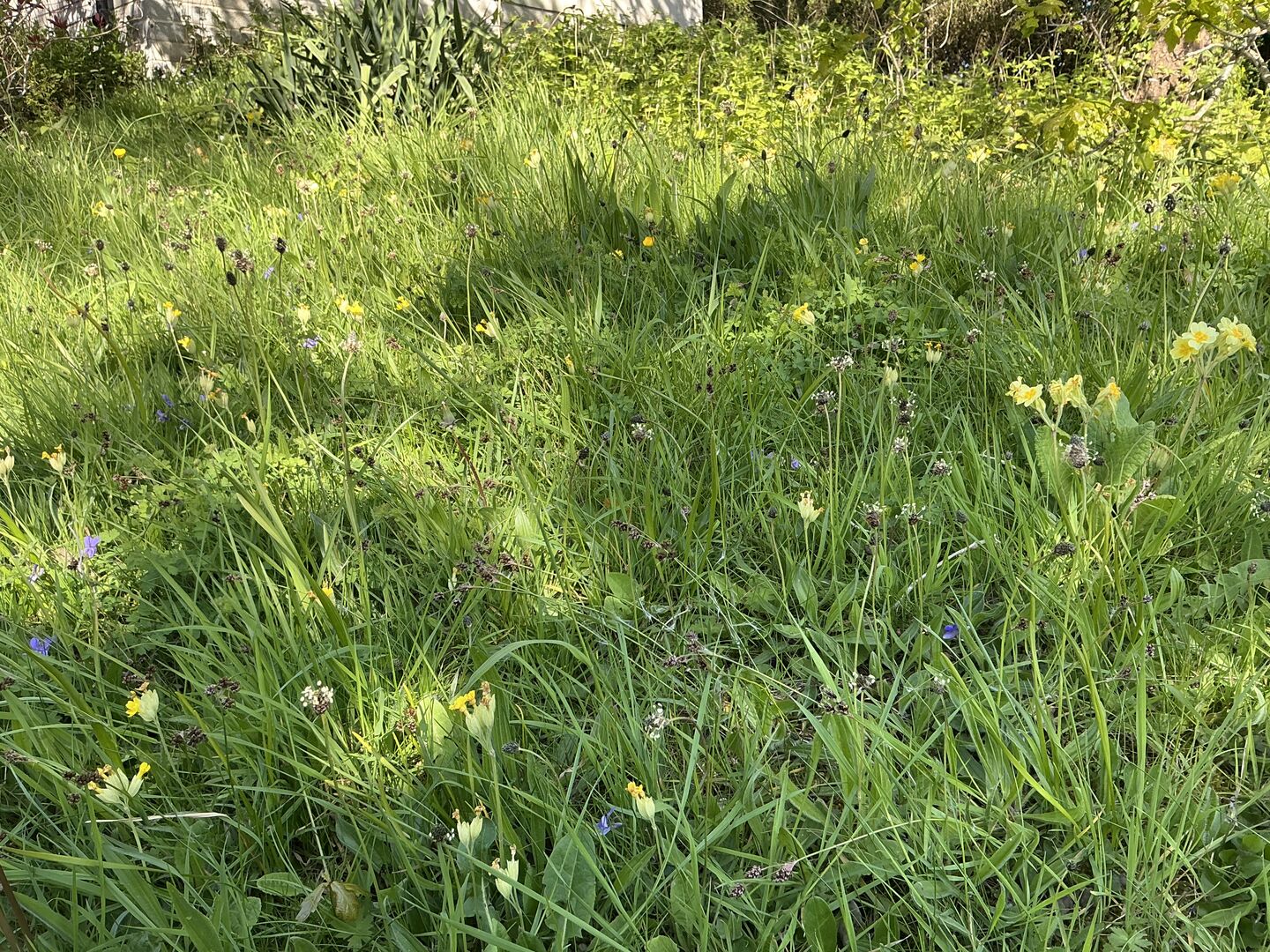
The first picture is down the front of our house, the cowslips are about done so when the seeds develop I will trample them about to imitate cows, the plantain flowers are out - insignificant at first glance but quite beautiful and popular with bees.
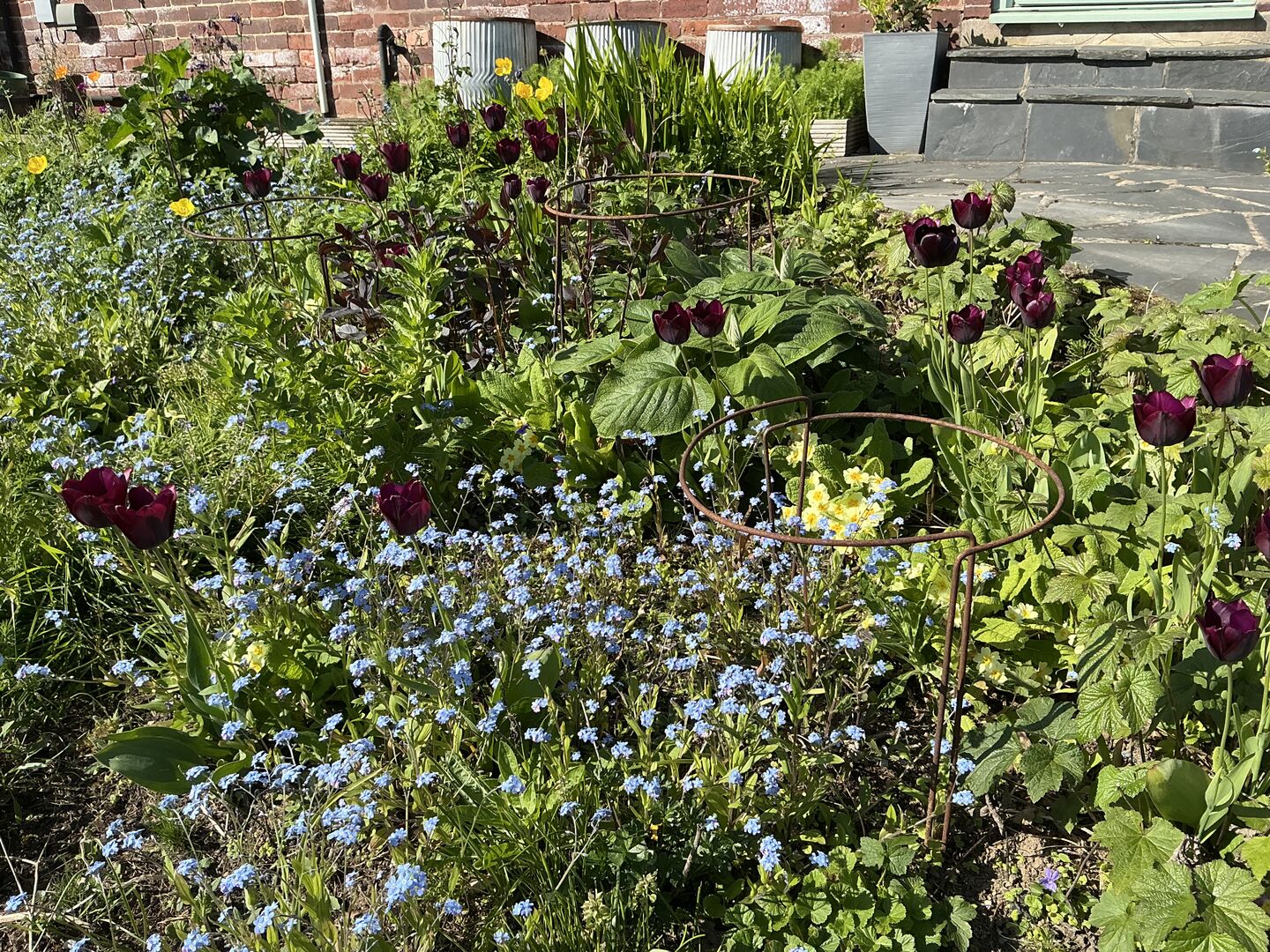
The second picture is at the front too. The tulips were all removed after getting “tulip fire” with the advice not to plant for 5 years. These have appeared, over 5 years after, a lot smaller but very vigorous. Go figure, as the Americans might say!
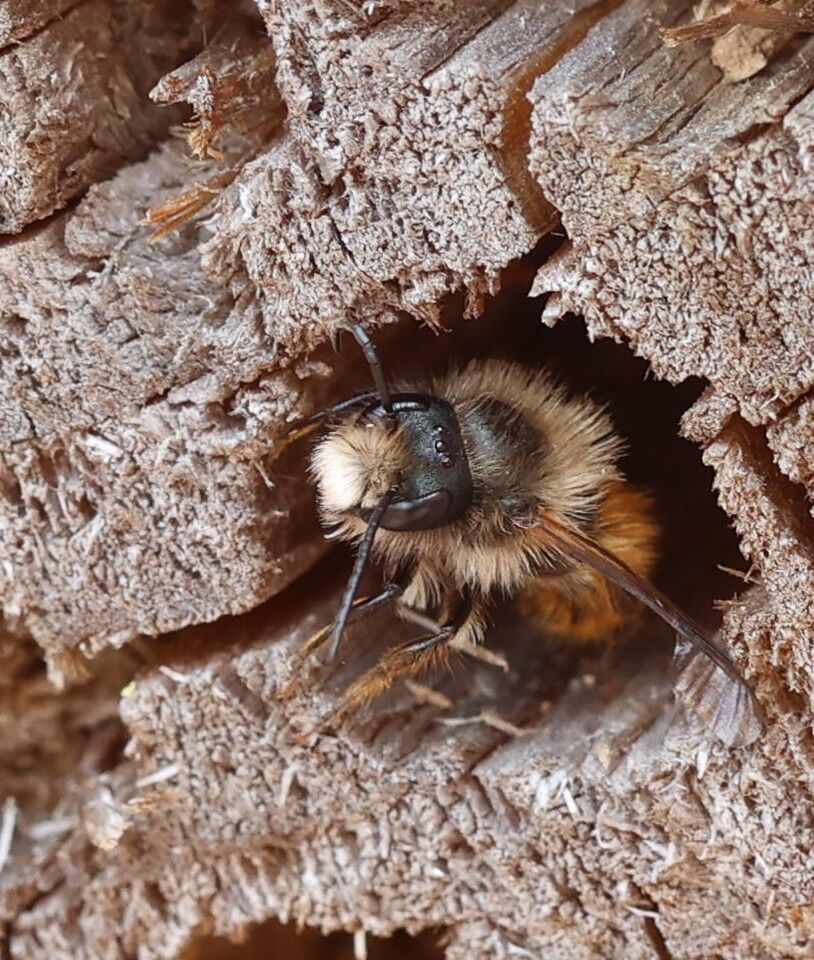
@jamiemcf lovely pictures, it’s amazing to watch the solitary bees, I’ve had them in old gates but also in old drill holes in our brickwork.
This year we've had a pond teaming with tadpoles, thankfully they are eating their way through the algae. Also hubby put up the new bat box. There are bats flying about at the back of the house, hopefully eating all the midges that will pop out in this warmer weather.
The only disappointment is the lack of swallows. There are hardly any in the normal areas where they've been in past years. Also a local old building has cleaned out the house martin and swift nests. Next door has mended their fascia boards and now the house sparrows have nowhere to nest.
On better news there were 2 blackbirds doing a courtship dance this morning, this lasted about 15 minutes and they will hopefully nest in the mature beech hedge at the side of our garden.
Plenty of butterflies this week mostly holly blue, comma, small white, lots of orange tip and woodland brown.
Wheelsonfire your place sounds a bit like mine but further on. Basically we have a Victorian hovel surrounded by a weird shaped garden of roughly half an acre, a mix of birch, Scots pine. Cherry and rowan. Previous owner had let things go which has taken time to put right but we are getting there
We've planted out traditional apple trees to complement an existing, plums and soft fruit and mixed native hedging along boundaries and in thickets. Birdlife is remarkable but also red squirrel and pine marten regularly visit. Last year hedgehogs have appeared and toads are now coming in the porch in search of slugs. The hedging is especially nice as the birds can be seen working along it in search of food.
This year I started a Blackthorn scrub area with nesting birds in mind and perhaps some damsons for us
It's been a beautiful spring so far, blossom is everywhere and this last week has seen swarms of insects return which I am quite excited by. I am planning to set up a moth trap in the summer to see what's about
This year I'm doing a variation on the no mo and having a very small formal lawn area and then large areas with only pathways cut. Lots of planting went on during winter and rattle sown which will be interesting to see develop.
We are 4 years on a small new build estate, and it has been amazing how quickly the wildlife moved in.
The starlings moved into our eaves last spring and never left. Bat brick occupied from the first year. Blackbird tries and fails to build a shonky nest in the porch every year. Mole makes quite a mess - he can stay, but I have hampered his access in a couple of places 🙂
Unlike our neighbour, I'm embracing the nice springy moss taking over the lawn - we are adjacent to a row of trees, so trying for a posh lawn is an unwinnable battle. Just planted an area of micro-clover which has sprouted within a week, so I'm hopeful that will work well.
Mrs grew a little hazel sapling from a hedgerow nut which has gone from pot to soil - hopefully it survives.
Small wildlife pond is the next thing. Frogs, toads and newts in the village pond, so hopefully they'll find their way here via a nearby brook (advice seems to be build it and they will come).
@kormoran that sounds great, just a word of warning about blackthorn/sloe bushes. The very strong, sharp thorns that come directly from the stems can break off in your skin and then have some sort of poisonous effect like a very serious infection, called blackthorn for a reason! Pruning blackthorns also appears to accelerate their growth, leave them and they grow a lot slower. I’m envious of the red squirrels and pine martins.
@mick_r hazels are brilliant, the squirrels have set loads around our garden and the beauty is that if they get too large they can be cut right back or coppiced and you get lots of new, often straight growth to make walking sticks or bean poles out of. I have noticed that they only get catkins and hence nuts when they are exposed to sunlight.
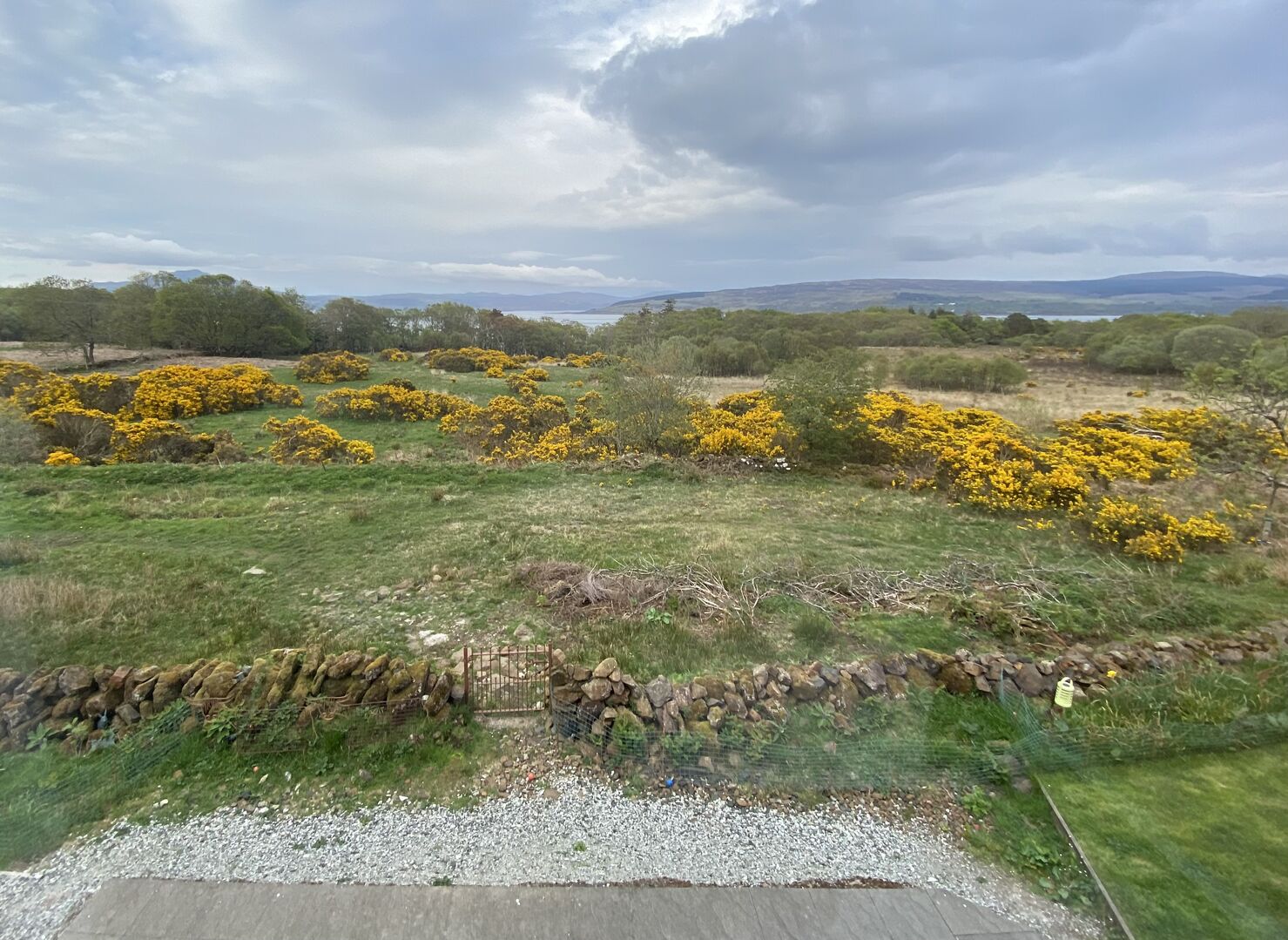
Beyond end of my garden is an area of open fields and woodland owned by Forestry and Land Scotland - not very auspicious but teeming with wildlife. The area between the back wall and the line of gorse is the path of an old road that used to lead to a nearby farm - owned by the council but left to nature. Beyond our neighbours to the left is their drive and then a single track tarmac road leading to the village. To the right are three further properties, but the gorse is overgrown and nearly inaccessible. In winter, the ground is pretty well water-logged and yet in summer there are rare orchids and other wildflowers. The brash pile in front of the wall attracts all sorts of small mammals and birds - I can sit and watch mice, voles and weasels make their way through the wall as well as lizards and slow worms basking in summer. There are frogs, toads and newts in the boggy ground. We have a resident herd of red deer in the field that happily step over our wall and consume anything they fancy that isn't fenced off - they've killed a number of saplings. What I have done is clear any gorse and bracken to allow the wild flowers to flourish. We are attempting to grow a mixed hedge of hawthorn, blackthorn and beech alongside our boundary. There are hedgehogs that visit - we are well away from any traffic. I also dug a sneaky land drain to help it drain quicker as it is ankle-deep slop in winter. I have caught pine martens and otters on outdoor camera - we have an allotment area to the front that has 6 foot deer fencing as well as a run for our hens. We have buzzards, short-eared owls, tawny owls, barn owls and hen harriers that fly across plus the occasional white tailed eagle overhead. There are ravens and hooded crows that nest nearby. The recent warm spell has seen farm more butterflies and insects than last year. There are efforts ongoing to have the land designated an SSI due to the orchids which should ensure it is never developed and FLS are also making efforts to restore some coastal woodland areas back to temperate rainforest - it has been overgrown in places by rhododendrons and other invasive species.
@dovebiker do you have pheasants on the island? They, and the vicious gamekeepers seriously affect wildlife in Derbyshire.
Wow Dovebiker that is amazing. I look forward to more updates.
We got our first common spotted orchid after 8 years of No-Mow May. I watched a wren work its way around a rosebush eating all the aphids and spiders. If we let wildlife in by changing the way we use the land then there is no need for weedkillers, sprays or other harmful chemicals. Our pond was tiny so we enlarged it 8 years ago. Our first damsel flies appeared. I've also got a mini pond made from an old washing up bowl, it is teeming with life, the birds can have a drink from it and it's going to produce some froglets soon.
Pictures of the OP's garden please, it sounds lovely.
You don't mention a pond. If you don't have one it'd be well worth getting one sorted, both for aquatic wildlife and perhaps with a safe drinking area for all your creatures (especially if we have a Summer like we did last year). I think that hedgehogs can be prone to dehydration during hot Summers.
Have you been watching that David Attenborough series on wildlife gardens? Plenty of ideas there.
We like to think of it as an oasis in the midst of Britain, one of the least bio-diverse countries in the world.
Interestingly Sir David mentions (in that documentary) that the UK's wildlife is almost as diverse as a rain forest but I guess that you need to get away for agricultural monocultures and all their pesticides & habitat destruction.
-- Edit --
I have to say though that none of these are 'typical' properties & backyards.
Lovely pictures @reeksy I can’t compete with that exotica!
Hopefully it’s not a competition, but appreciation of all the different forms of nature.
As part of undergraduate studies I did a course called Reconstructing past environments. We had soil cores which we analysed to identify what the vegetation would have been at different points in history. I thought it was brilliant… although I was rubbish at it.
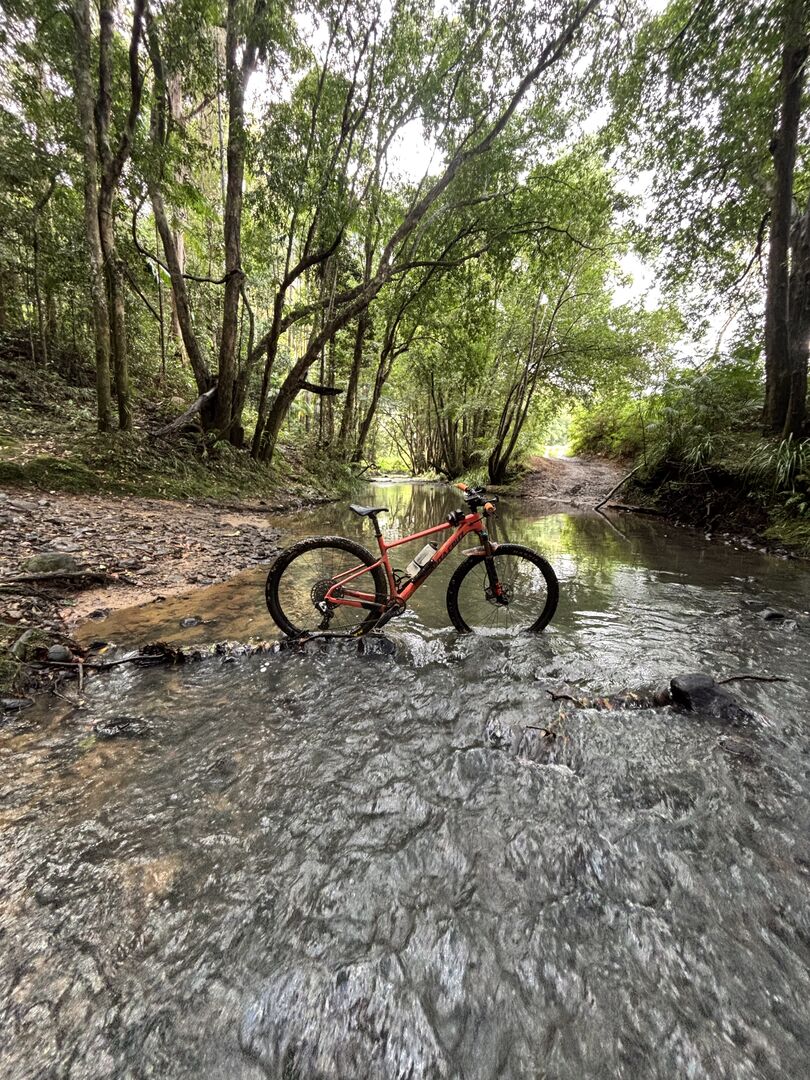
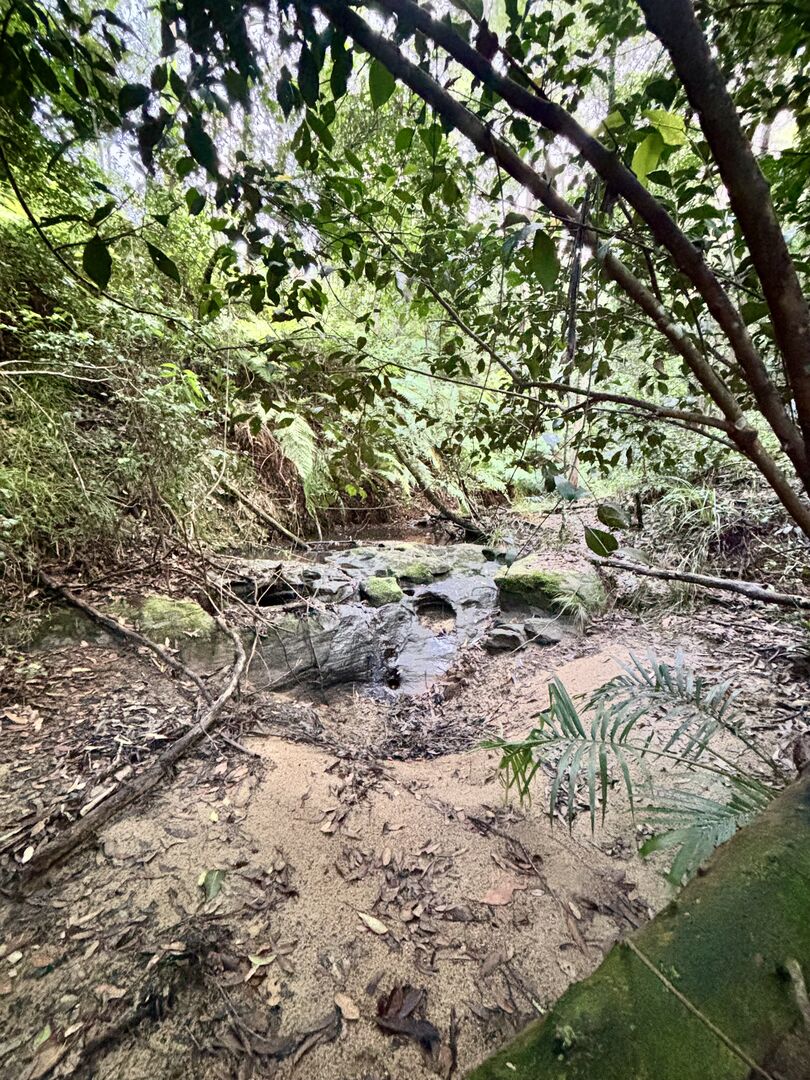
We have a creek on our property that only really runs well after heavy rain. There are some rock pools and one of them has distinctive hollows. An archeologist friend saw these once and said they could have been aboriginal tooling marks. A few years later we were lucky enough to get an Elder visit and show us and other Land for Wildlife members what various plants were used for. When she saw the rock pool she got really excited and explained how the holes were used for processing Black Beans from a tree. What’s really interesting to me is that there are no Black Bean trees in our catchment now. Our forest looks untouched but clearly it’s changed.
photos of the forest below. 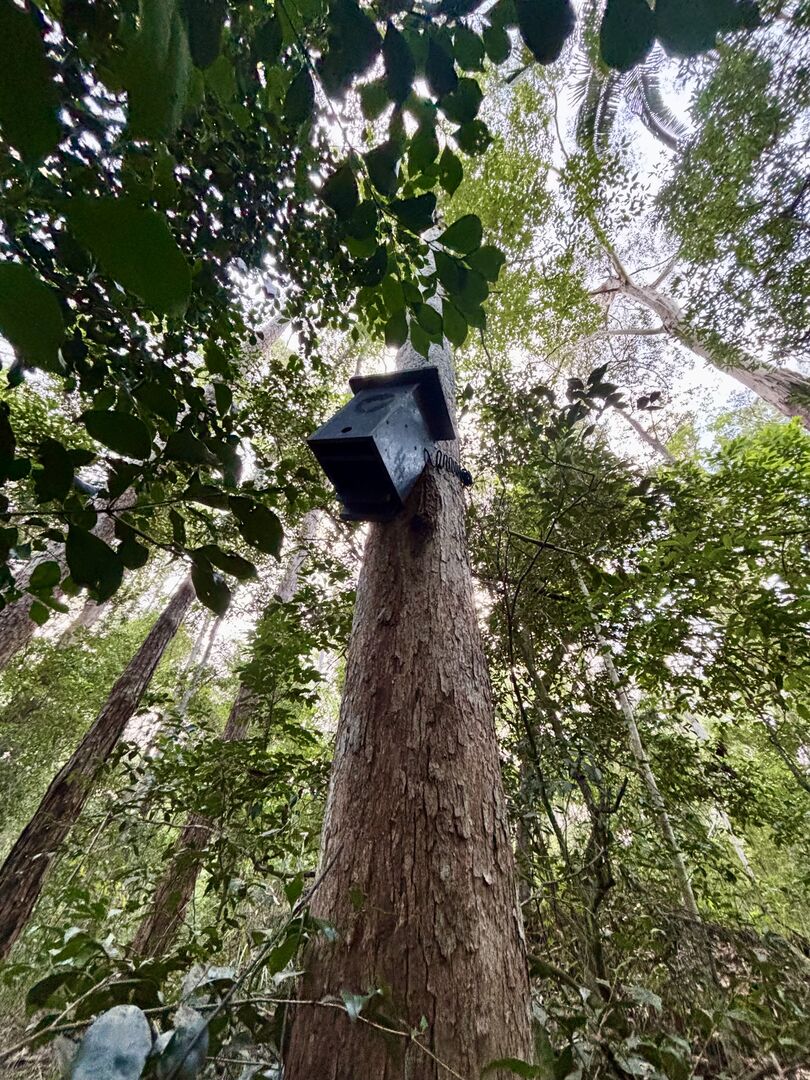
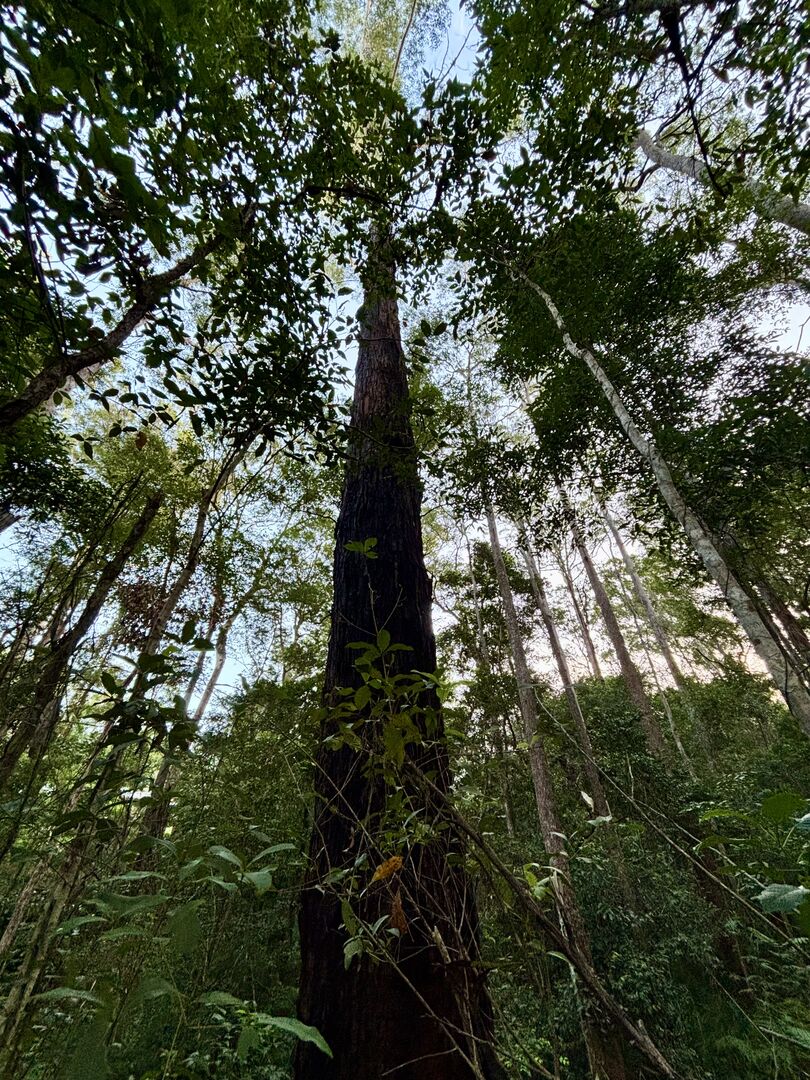
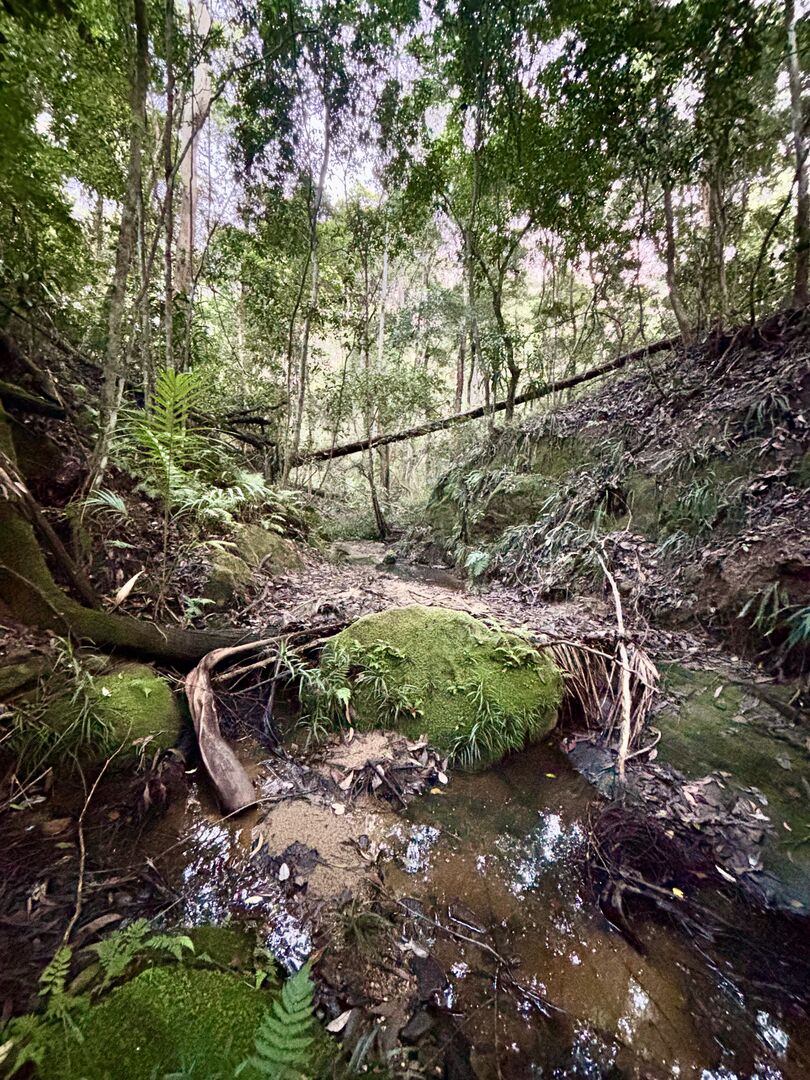
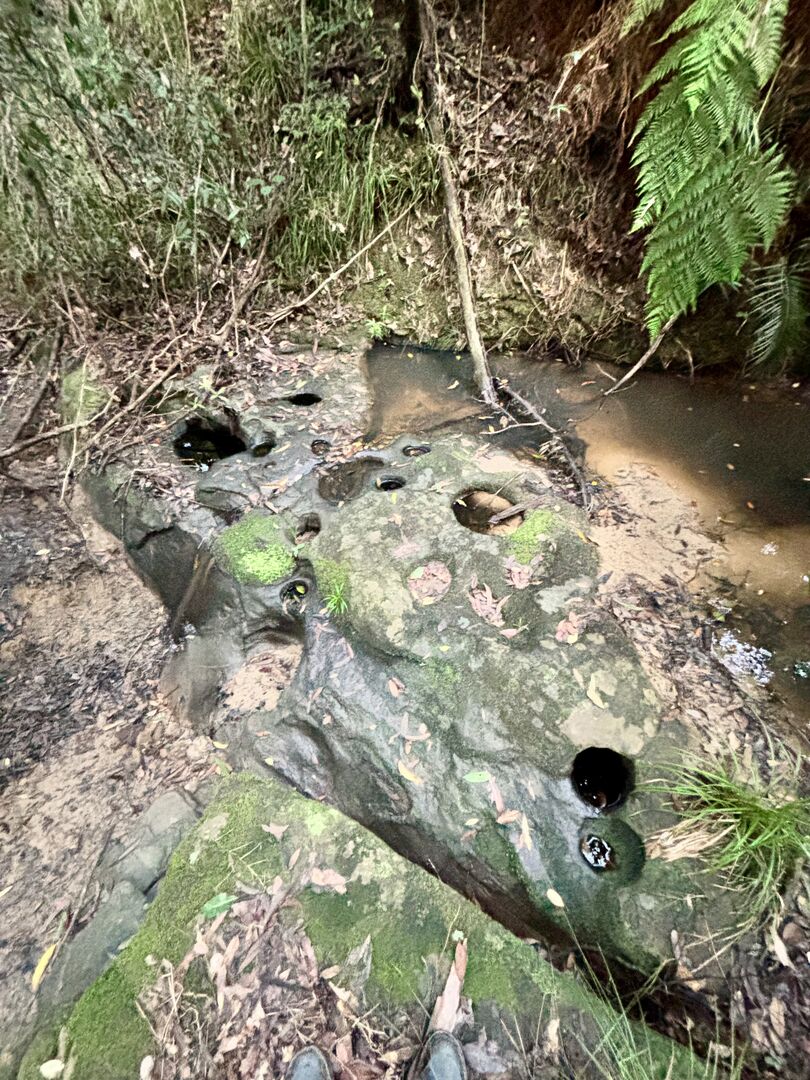
Mrs Bruce thought you might like to look at the bee hotel photo. We are taking part in study of Mason and Leaf cutter bees.
www.thebuzzclub.uk/thebigbeehotelexperiment
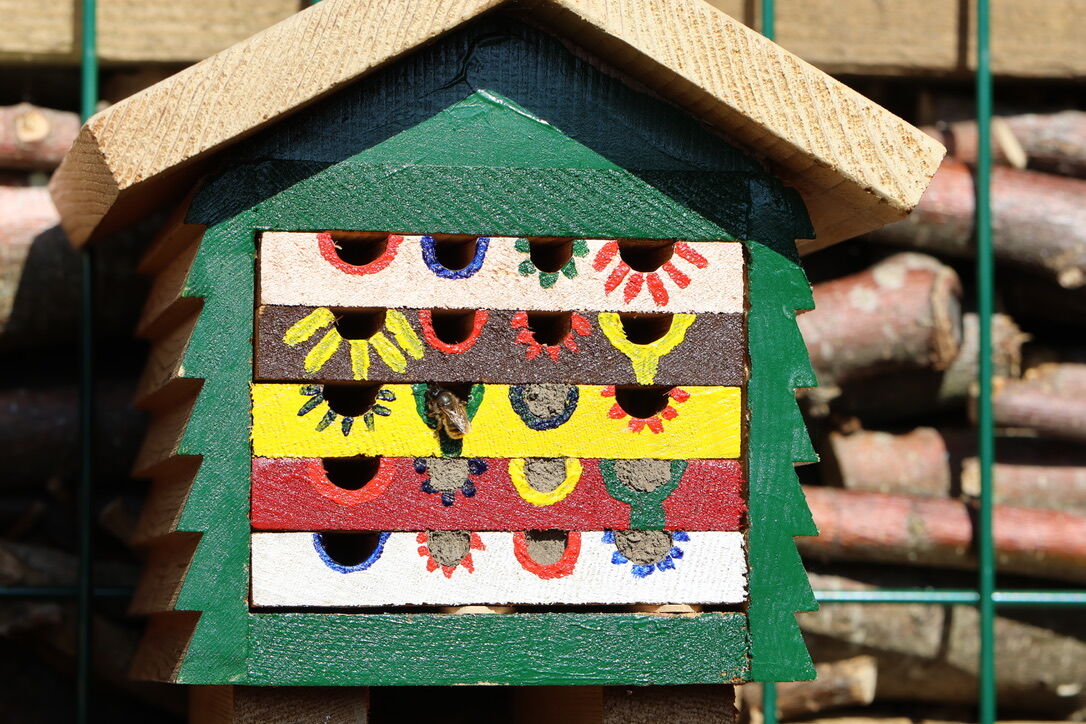
The blocked holes have been used by Mason bees and filled with mud.
Reeksy that is amazing but you do realise you are basically living in the Predator set?
Every day I'd be shouting "run for the chopper!"
@PJay you have spotted the glaring omission, no pond although we have always had small alternatives, Belfast sinks etc. We could never decide where to put one and when we had our grandson arrived. Now he’s old enough it’ll be a good autumn project. Our new neighbours have access to a mini digger and he has to replace his lead water supply (100m) from the top of the garden so I’m hoping that I can use that. It’ll hopefully encourage them away from a scorched earth policy!
I camped out on Saturday night with our grandson thinking we’d be able to hear the dawn chorus but it hammered it down all night so we couldn’t hear anything except wood pigeons!
Reeksy that is amazing but you do realise you are basically living in the Predator set?
Every day I'd be shouting "run for the chopper!"
Funnily enough one of the next-door neighbours is a helicopter paramedic.
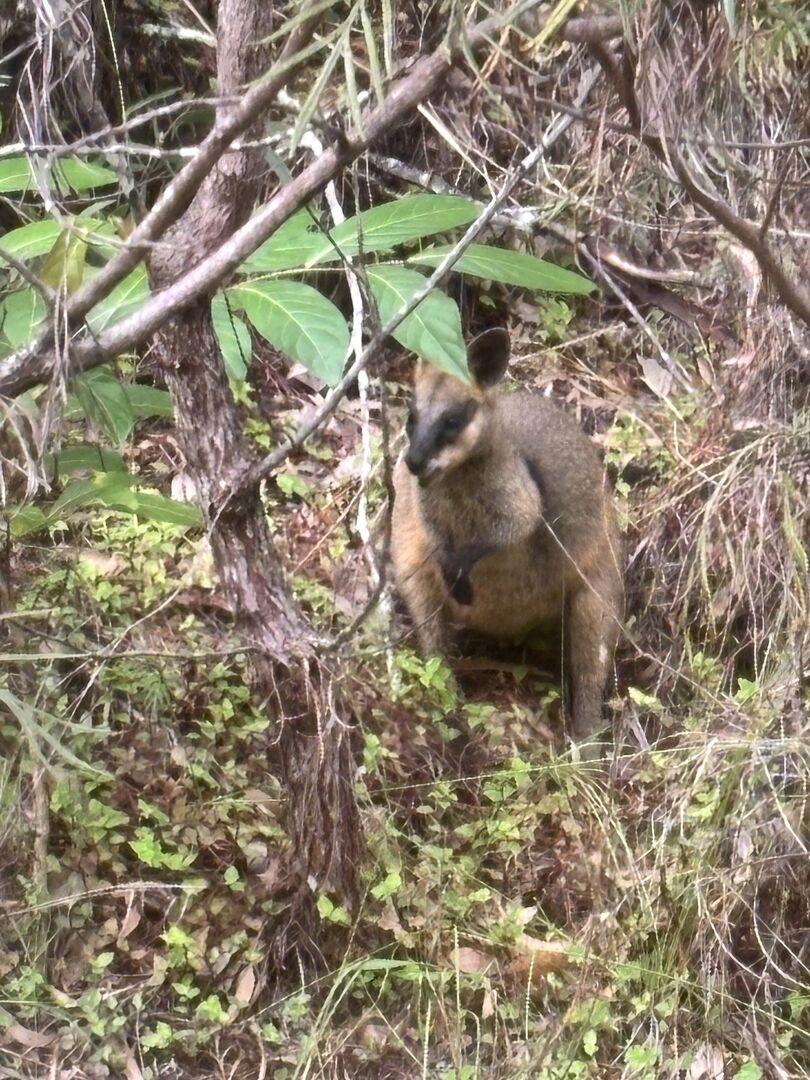
One of the advantages of not having pets is that we get other visitors. This swamp wallaby is a regular visitor, munching on fungi and leaves outside the kitchen window.
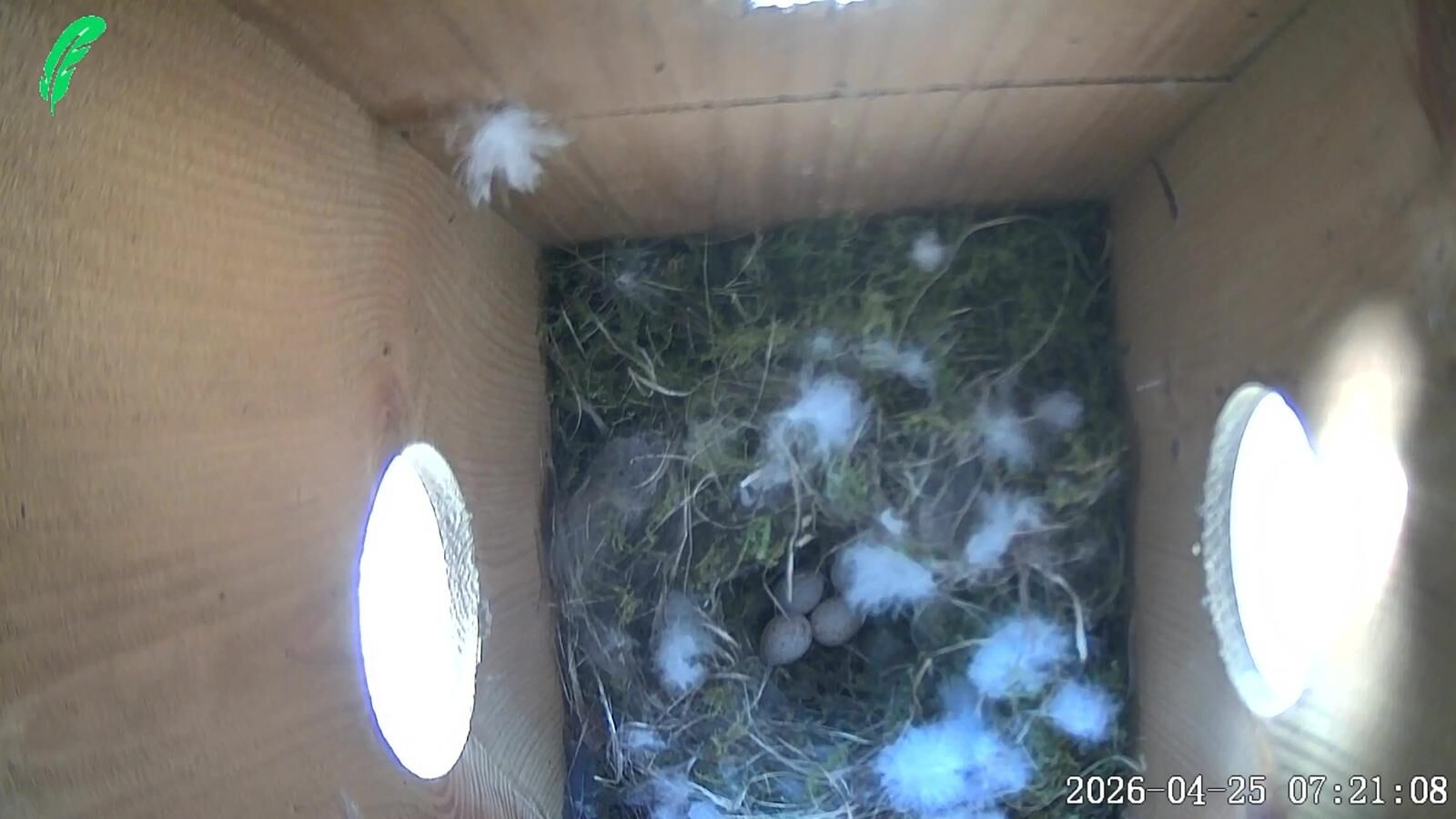
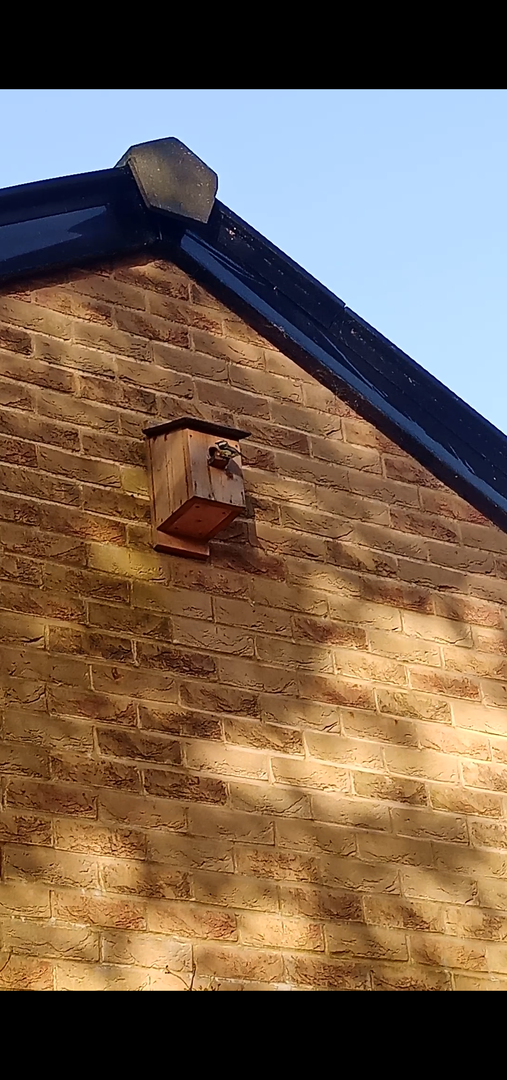
Best christmas preset a year ago was the nest box and camera. It is near the house for wifi and took a year to gain a resident, but now compulsive viewing at TiRed Towers (and when out and about). Nine eggs incubating at the moment, this was taken a while ago.
This is our 4th spring in this house - the people we bought it from were lawncare enthusiasts so it was a bit of a wildlife desert. We've done a few things in the past years to make it a bit more nature friendly:
- No excessive lawncare: We have a few big patches that grow all year and there's no feeding, moss killing or suchlike on the rest.
- Bug hotels: a few piles of sticks here and there as well as a more deliberate multi-storey pallette thing.
- Soil improvement: This is my wife's domain and I don't really know the details but she puts lots of decaying/decayed stuff on top of the soil in the flowerbeds and leaves it there. She's been on a course so I think she knows what she's doing.
It's been great to see the change year-on-year. The long grass thrums with life from now until October - the sound of the grasshoppers is great in the summer. This year we've had more birds than ever. We'd be lucky to get the odd Robin and any bird seed would just get devoured by 4 rooks that own our street. Now we get loads of visitors, many of whom come to chomp on whatever is living in the newly improved soil.
The next project is probably a temporary mini-pond while we figure out a redesign of the back garden. Will start with a washing up bowl or similar with a couple of plants in and see what happens with that.
Reeksy that is amazing but you do realise you are basically living in the Predator set?
Every day I'd be shouting "get to the chopper!"
Ftfy.
Honestly, standards.
Spring Watch is nearly with us.
Coming from:- National Trust Crom in Northern Ireland and The Knepp estate in Sussex. last week of May, lasting for 3 weeks.
Can I recommend Isabella Tree's book 'Wilding'. She and her husband run the Knepp estate
@bunnyhop that’s an excellent book, the description about Jay’s planting acorns, not to store, but to eat the seedling leaves later blew me away!
Can I also add, take care with strimmers and mowers? As well as frogs, hedgehogs and toads, young birds often hide in long grass as they can’t fly very well after leaving the nest.
What always bothers me are farmers taking an early hay cut in May.
This must affect ground nesting birds like lapwing and curlew.
What always bothers me are farmers taking an early hay cut in May.
This must affect ground nesting birds like lapwing and curlew.
Apparently one of the reasons that corncrake are struggling - no-one leaves long grass and overgrown patches, and most of all in spring when they need them.
Yes Corncrake needs very long grass and Flag Iris. They are such a rare bird now and they need all the help. Even a small section of a field will help with their recovery.
I was so lucky to see one on the Isle of Barra many years ago. It was outside my bedroom window, quite noisy but fabulous to see.
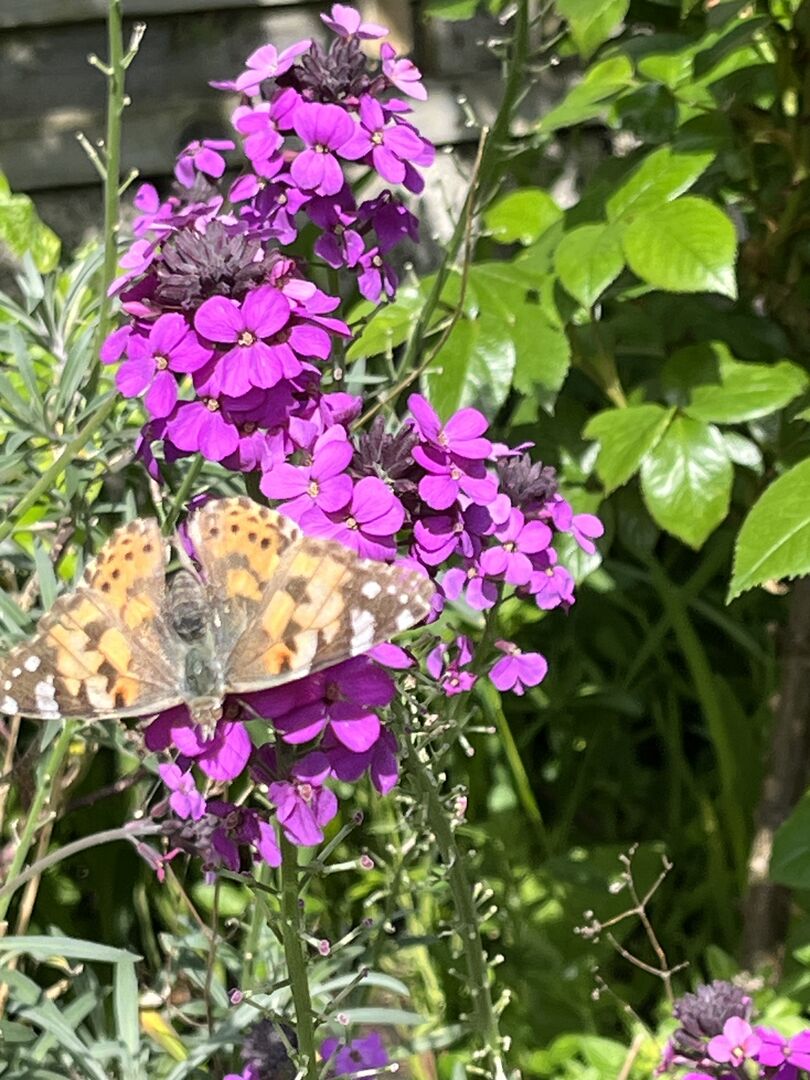
First painted lady of the year. Lots of other butterflies too.
I’ve just come back from a week on the Solway Coast, last year I was lucky to regularly see a hunting short eared Owl up the little lane behind the campsite. This year no such luck but the amount of other small birds was tremendous, mostly identified first with the Merlin app!
This Ladysmock has popped up in one of the areas we only mow in September and there were a couple of speckled woods dancing over it - I think they hibernate in long grass?
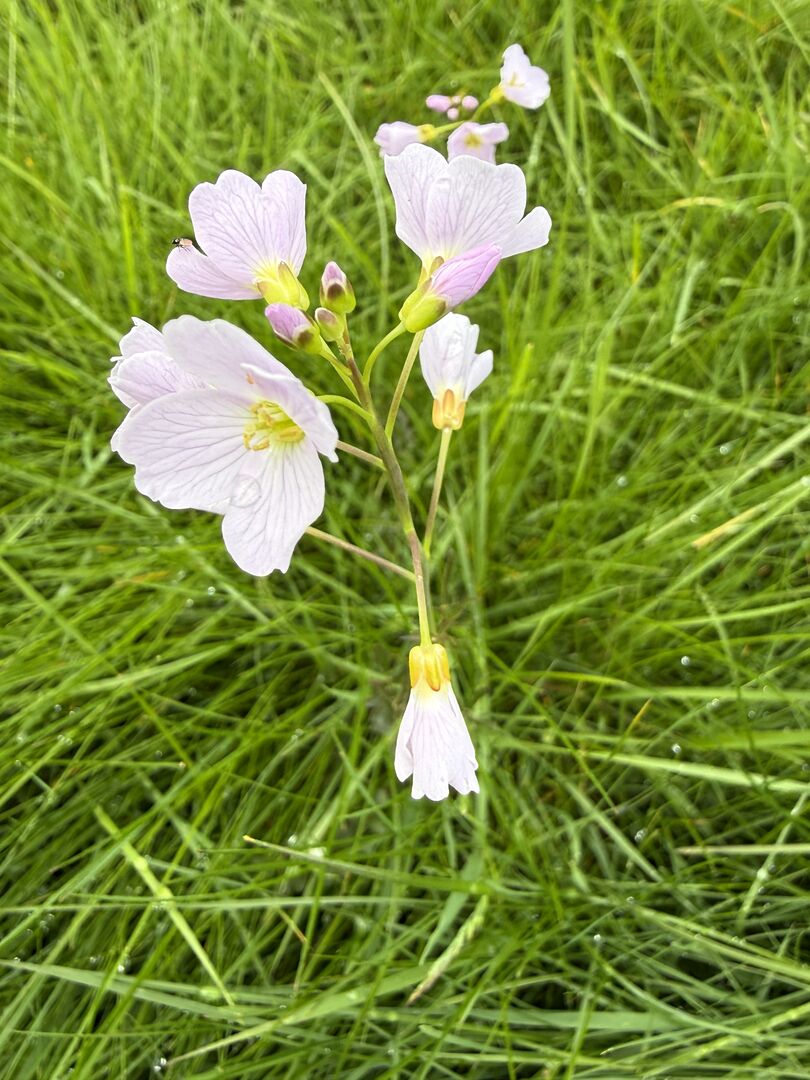
I am constantly amazed that if I just take the time to pause and look around what there is, some of the tiny flowers on grass verges are absolutely beautiful when I look carefully and over the road this morning (once the most polluted site in Europe), I paused and heard greater whitethroat, sedge warbler, reed bunting, willow warblers amongst others!
Dunno if this counts but I made a 'Mossarium' (like a Terrarium' but using Mosses) see here: https://singletrackworld.com/forum/off-topic/what-is-the-last-thing-you-made-pics-pls/paged/105/#post-13734925
And I have now gone down a rabbit hole of finding out about bryophites! Just ordered a hand lens to view them with.
@MrSparkle that mossarium is a brilliant idea! There was something on somewhere recently that I was watching that described some mosses on a wall, wish my memory was better!
A few metres over our garden fence this week:
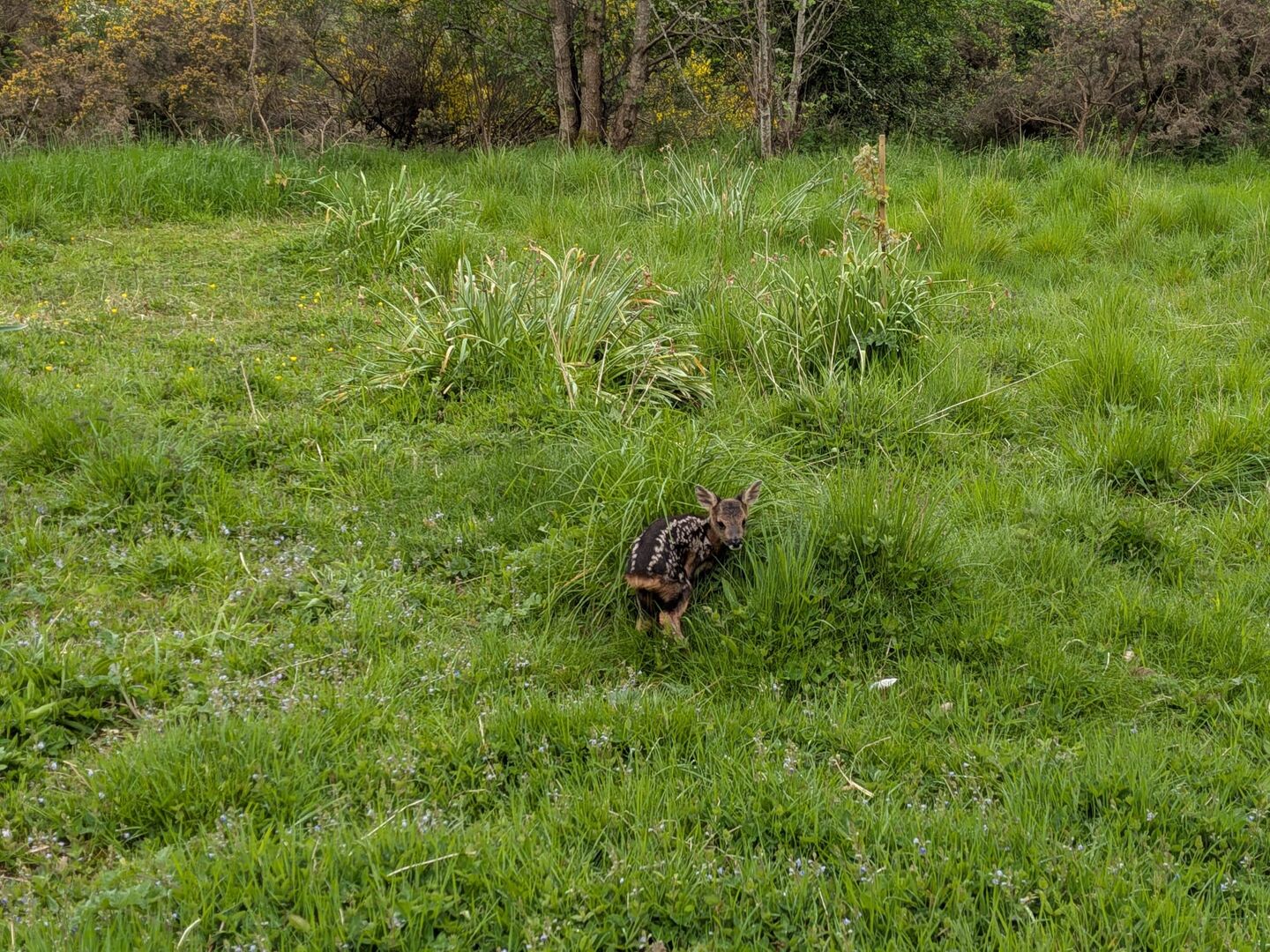
Having seen a few scats on the driveway in the past and feared the worst, we've seen a fox twice in the past week on our place. It's almost certainly because next door has chickens, but that's not all they go for. As nice as it can be to see them in the UK, they're a feral pest in Australia and definitely not conducive to species conservation (up there with cats). I called the local council today and they'll probably send someone over next week to put down a cage trap. Not really looking forward to it, but it's the best course of action.
...but also red squirrel and pine marten regularly visit.
There are projects in N.Ireland and Scotland to understand the relationship but it's believed that because the two species co-evolved that pine martens will help red squirrel numbers.
Grey squirrels OTOH sit and try to work out what the "new" creature is, to their detriment; reds know instinctively and don't hang around
Pretty gutted that the house martins chose to nest on my neighbours house and not ours..
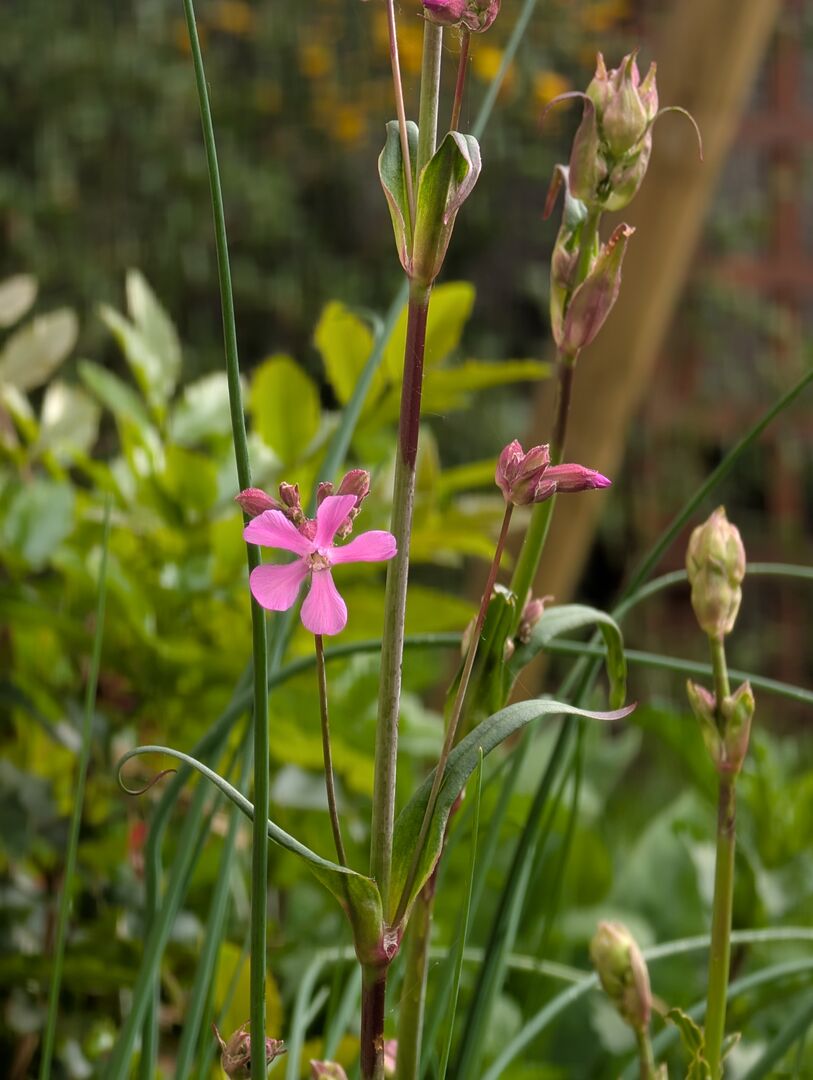
I noticed that sticky catchfly (Silene viscaria) was the county flower of Midlothian and Edinburgh so I bought some seeds last year and off they grew. We now have a few plants in the garden and our first flowers.
Spring watch is back.
Monday 25th May, 3 weeks, BBC 2 at 8.pm
The usual presenters, the usual content and double entendre.
The usual presenters, the usual content and double entendre.
Screenshot of our very active Tits - avidly watched whilst we ate tea.
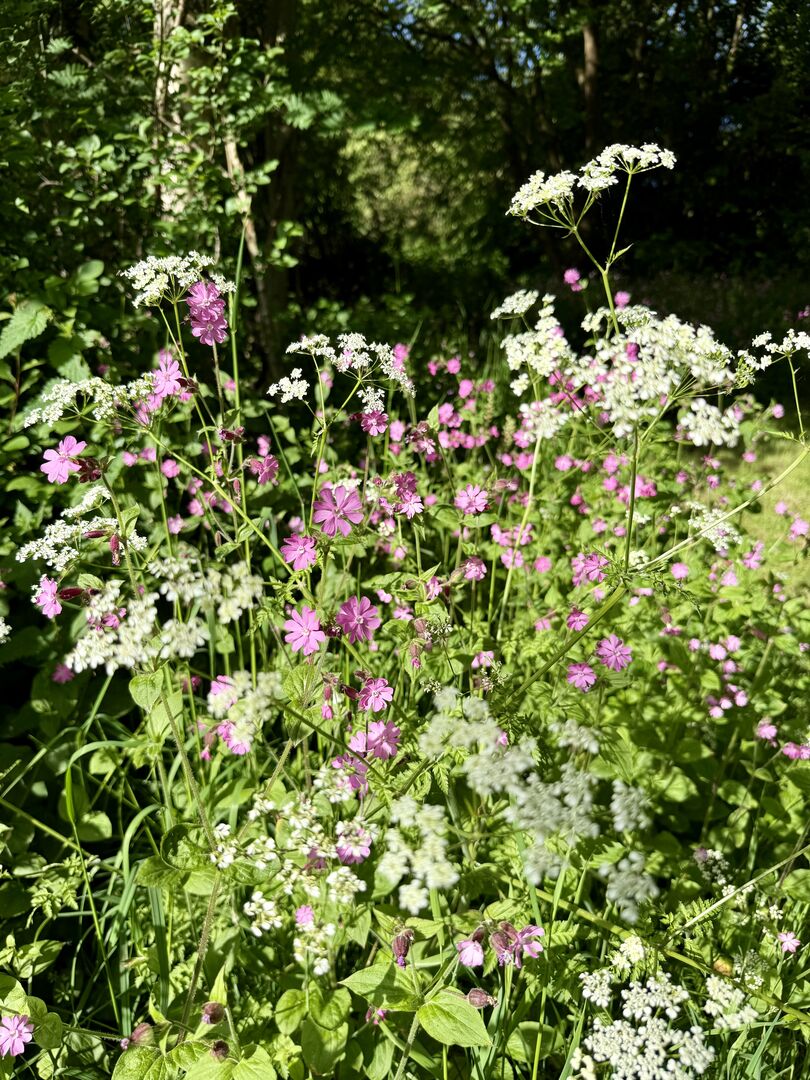
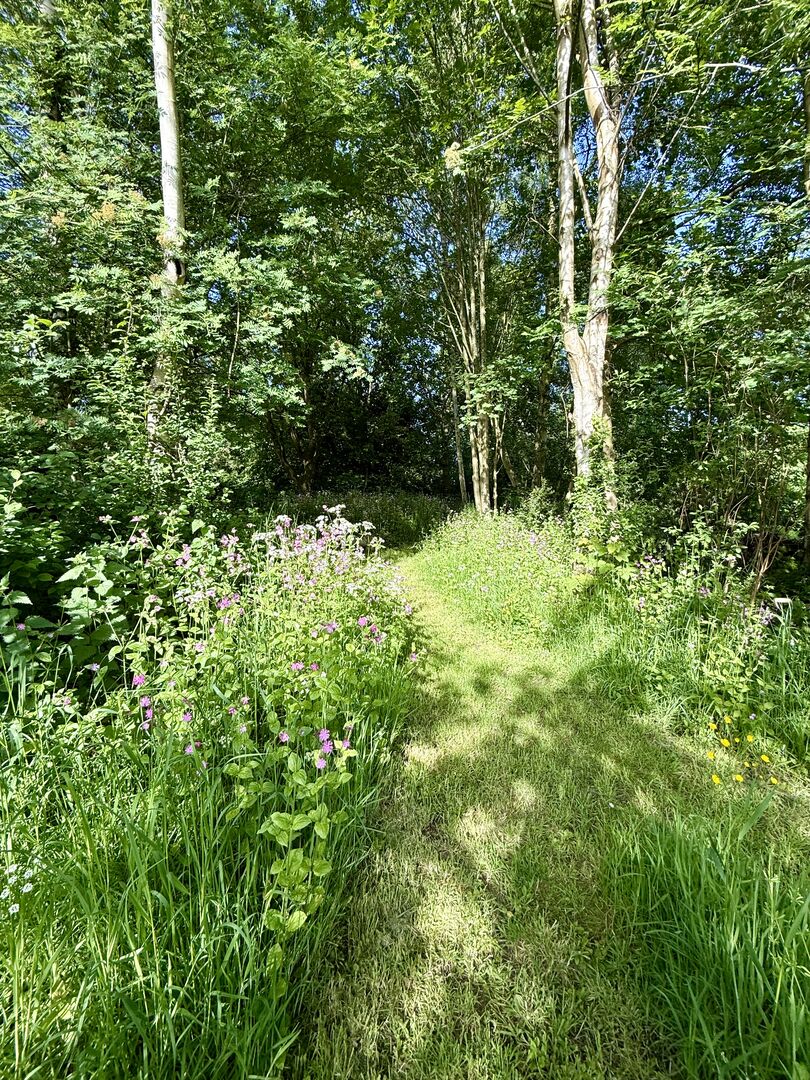
Someone wanted some pictures, it’s difficult to get the general atmosphere as it’s the birdsong, the insects and the wind through the trees that make it nice for us. The last picture has some Matronalis (Hesperis?) that arrived a few years ago and moves around the garden. About the same height as foxgloves but the scent is amazing.
EDIT - I’ll have to try later as it’s telling me the images are too big - they’re not!