
MegaSack DRAW - This year's winner is user - rgwb
We will be in touch
This has been bugging me for a little while... An ad has popped up on my FB page a few times about an aftermarket fork brace for motorbikes. I just thought that if you needed this then you must've bought a pretty shite motorbike as even my old 1999 Kona had a brace between the fork lowers!
However, I've since started looking at motorbikes on biketrader as I'm going to be doing my test shortly and notice that most don't seem to have a brace. Is there a particular reason why motorbikes tend not to have a brace between the fork lowers?
2 reasons.
Far stiffer axle negates the need for one.
Front mudguard forms a brace of sorts.
That's not to say you can't stiffen it up, but it's probably more a question of how stiff do you need it to be.
I remember seeing French mopeds with bolt on top tubes to stiffen the frames up and things - it was only when I found you could ride 50cc from about 13 over there that this made sense.
Thanks Phil - makes sense now.
"Bolt on top tubes" excellent!
They're just naturally stiffer tbh- beefier stanchions, lowers and axles, dual crowns etc. Basically if you were happy for your pushbike forks to weigh as much as your entire bike, they could be this stiff too. It used to be a thing on some older bikes, and there's some aftermarkets for newer ones but it's pretty pointless imo. Especially given the construction of most aftermarket bolt-ons.
Also, motorbikes are generally less obsessed with stiffness- there was a sort of rubicon in 2000 with the SP1 where people went "this thing is too stiff", up til then it was all about stiffening but since then it's been about engineering stiffness/flex.
Stiffens up the front end, can put extra stress through the front tyre but you would have to be Freddie Spencer to tell.
Far stiffer axle negates the need for one.
And much stiffer stanchions and lowers.
Edit: Note to self: "refresh before replying!"
A dual crown fork with steel fork legs means they don't need one.
You could probably cut off the arch from a pair of fox 40's and many people won't notice a big difference and they're made from much thinner and weaker materials.
Less of an obsession with weight. They can be as stiff as needed with fewer parts by using more Material in the stanchions, lowers and axle. Same reason they still have 1" headtubes.
That and as Northern said, there comes a point when you're leant over where there's nothing the shape soon can do about bumps in the road, so you actually want the fork and wheel to be moving sideways relative to the bike, same is true of swingarm. And of mountain bikes for that matter, some argued the cannondale prophet was so good round corners because it was stiff enough but not as stiff as a lot of other bikes, so the swingarm could track the ground better.
They still have a 1" headtubes as a dual crown fork transfers negligible force through the steerer so there is no point changing. See the maverick dual crown fork which had no steerer or modern DH forks which haven't made use of tapered steerers.
solamanda - Member
See the maverick dual crown fork which had no steerer
Eh? Mine had...
They might have varied the design but these only have a preload device:
[img]  [/img]
Everyday is a school day! Thanks all.
*googles Freddie Spencer*
He is my GOAT
Stiffens up the front end, can put extra stress through the front tyre but you would have to be Freddie Spencer to tell.
Wayne Gardner used to test the limits of fork stiffness quite q bit....
[img] 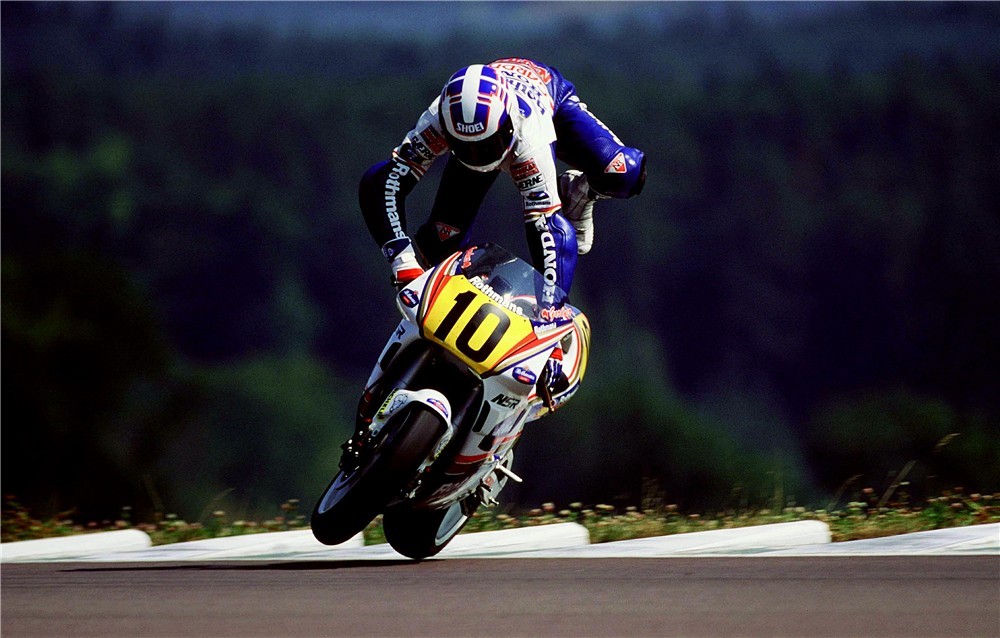 [/img]
I used to have a fork brace and a steering damper on my old GSX-R750. It was an early model and the handling could best be described as 'lively'
They did sell fork brace's for motorcycles, after market - no idea if they were any good.
I reckon that improved forks negated the need, plus an understanding that maybe it's better that the fork legs move independently, especially when banked over.
The brace was for the lowers on right way up forks. I cnc'd one for my 350 lc. It was a copy of the micron one you could buy at the time. It certainly helped the handling of mine.
Fork brace has to fit/work to precise tolerences , many aftermarket bolt on braces force the fork lowers against the fork tubes an lock the fork solid'
I did, indeed, have an after-market fork-brace on a Suzuki 750 and yes, it did make a difference (in a good way)
They still have a 1" headtubes as a dual crown fork transfers negligible force through the steerer so there is no point changing.
Fair point. But there's also the argument that you get more weld area with bigger headtube, something DH bikes have taken advantage of.
Thanks Binners for sharing the classic pic of Wayne Gardner highsiding his NSR, surely the best motorsport photo of all time!
Been there done that... now I invest in steering dampers
Hah. When I got my ohlins shock, I immediately used all those dials to turn my bike into a tankslapping bastard. Never actually came off it because of that but I swear it was scarier than actually crashing, suddenly you're a passenger on a bike that wants to **** you up.
Thanks Binners for sharing the classic pic of Wayne Gardner highsiding his NSR, surely the best motorsport photo of all time!
I'm not sure of that.
[img]  ?itok=hAgMRiQk[/img]
Caused by a fork brace apparently.
I thought it was pushing on too hard on full tanks?
surely the best motorsport photo of all time!
naa
[img]  [/img]
[img]  [/img]
Fair point. But there's also the argument that you get more weld area with bigger headtube, something DH bikes have taken advantage of.
The headtube on most modern performance bikes is part of a large single piece of aluminium, it's not a tube. The weld area is far larger than on a bicycle. The bearings are bigger than on a bicycle so the outer diameter of the bearing is probably not far off 1-1/4"
Not really on-topic - but this thread reminded me of this image from one of those ‘photos of the week’ sites
[IMG]  [/IMG]
I did that once. Lock through the front wheel. Pulled away in a wheelie the length of the street, as was my custom at the time, and splat... oil everywhere.
[I]Been there done that... now I invest in steering dampers [/I]
We had steering dampers before fork braces.
If I remember one wasn't enough to sort out the handling of these:
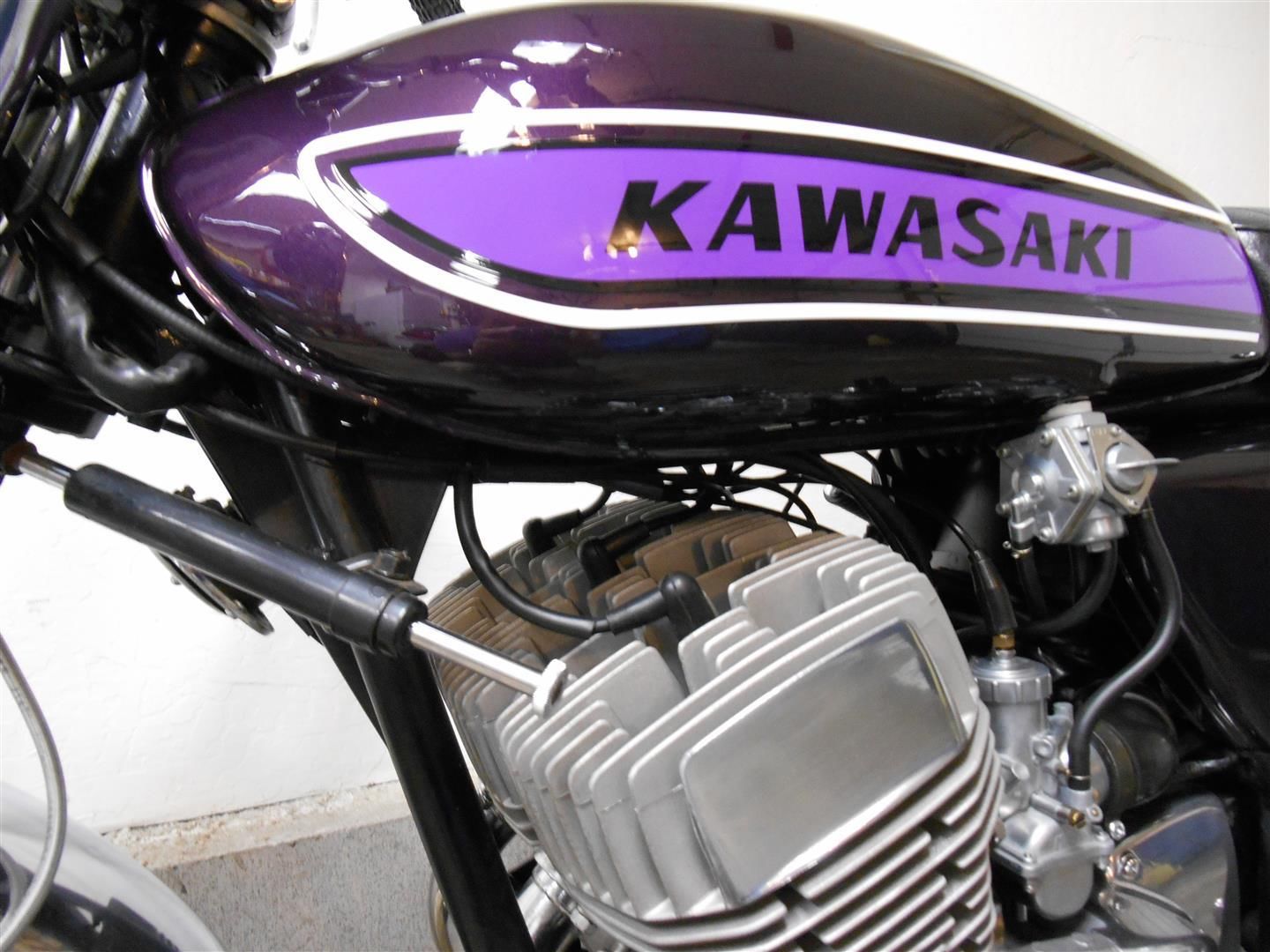
And I'm pretty sure that going back further in time you use to get ones that 'screwed' through the headtube.