Anyone done these?
Got a mate who's currently doing Keto and seems to have dropped a fair bit, seems to be quite a well balanced diet - chicken, veg, eggs etc..
Also remember a mate from years back did Atkins - he seemed to live on cheese & bacon......
I could really do with cutting out carbs.
I did it last year and lost 16kg in about 6 months. Lots of veg, chicken and eggs (and a salad every workday).
Put a few kg back on but sure I can do it again if needed.
Eggs really are your friend.
IME (and i believe also why not recommended by any major health organisation) the keto diet works, but requires a level of understanding, commitment and attention to strict details that is beyond most people, and when you slip out of the "keto" zone it becomes a very unhealthy unbalanced diet.
Don't cut out carbs, just get them from 'green' vegetables rather than from bread, pasta, spuds etc.
Aye, cos living on cheese and bacon, as good as it sounds, is gonna work wonders for your health! 🤣
Yeah, it works, requires a lot of creativity (or a high boredom threshold) to keep it going for a longer period.
Roasted veg, or rather cauliflower, broccoli and courgette figured pretty strongly, along with omelettes, fry ups, pecan nuts, chorizo, and coffee with double cream. Drink lots of water, particularly in the first few days until it kicks in, during which you will piss like a racehorse and feel a bit rubbish. After that you won't get hungry during the day all that much.
Riding wise, if you are like me, your power will drop a bit, so you'll find yourself spinning an easier gear on the climbs and unable to push as hard and as long as before. But you won't need to stop for food. I was at one point riding a whole day on a handful of pecans and walnuts and a bit of salami.
Aye, cos living on cheese and bacon, as good as it sounds, is gonna work wonders for your health!
While a carb-high diet that also includes cheese and bacon might not be the best, I'm not convinced that the regular 'high fat is bad' mantra holds true in all circumstances. Sugar, particularly processed sugar, is IMO much, much worse. Of course, there is the separate argument that bacon equals death because of the processing, but well, it's bacon. 🙂
I’ve been doing this for the last few weeks now and have found good results in general. First few days I thought I had a urine infection as didn’t read up all the side effects. Literally couldn’t stop going to the toilet.
I wasn’t a big guy in the first place, but have always accumulated all weight around my stomach and love handles and wanted to get rid of these. It’s made a significant difference in the 3-4 weeks I’ve been doing it. Initially I lost about .5 stone (bear in mind, I’m about 11.5 stone) which was mainly water. Since then it’s plateaued, which I’m cool with as the goal was not to lose weight, more to lost fat.
I echo the experiences of losing energy. First big ride with climbing on the diet had me nearly collapsing….I feel better now though as my body has adapted.
I lost weight easily on an atkins style keto diet. It was very effective. When I returned to a normal diet I got symptons like IBD so It's a no for me.
It does work, but it's a bit of a PITA.
As said, don't eliminate all carbs, just white ones. This basically means filling up on vegetables (not potatoes), meat and beans. You will need to cook a lot, it's very difficult if you aren't in control of your own menu.
I found I needed lots of spicy and tasty food to keep my palette interested - you think potatoes are boring until you do without them and start to crave carbs. Don't try and make 'fake' carbs with substitutes e.g. cauliflower rice; instead just eat foods that don't require faking. So have your sausages and gravy with cauliflower cheese, far nicer than cauliflower mash. Also make a curry but stick a couple of tins of chickpeas or lentils in then eat like soup from a bowl. Likewise beany chilli con carne. I cook lots of veg and things like a chicken Kiev or a naked burger, then lots of seasoned boiled or roasted veg.
Having used Weight watchers to the tune of -15kg so far this year. I suggest a reasonable diet which still has carbs in it, admittedly reduced, but not gone altogether.
I have toast with my eggs every morning, although I have developed a sourdough (home or bakery made) habit, sticking to quality over quantity. I've had to cut down a lot on beer and sugary snacks, but they still form a part of my week, just not as much as they once did.
Keto, Atkins, all seem to kick into starvation, so you lose for a while, crave what you miss and gain it all back once the fad is over. I suspect Keto works if you are really committed, but most people probably aren't!
It does work, but it’s a bit of a PITA.
Seems so.
I got symptons like IBD
stick a couple of tins of chickpeas
Chickpeas (and other legumes) are surprisingly high in carbs. Obviously not a problem unless you are trying to get into a proper ketogenic state. I was even steering clear of gravy (or at least counting it properly when adding up carbs).
When I returned to a normal diet I got symptons like IBD so It’s a no for me.
I have cut out a lot of carbs, used to eat a lot of bread, now I don't. If I eat much more than a slice it plays havoc with my stomach. I guess you get used to digesting it but when you re-introduce it, your stomach doesn't like it.
Chickpeas (and other legumes) are surprisingly high in carbs
Yes, but they are very low GI, which is what the iDave diet was all about. But what's interesting is that it's easy to eat a huge serving of rice, whereas you just can't eat that many chickpeas.
which is what the iDave diet was all about.
I thought that was more High Cost, Low Product? 🙂
I can see both approaches working - certainly post-Keto, I try to stick to low GI carbs with main meals - sweet potato rather than potato, no bread or pasta - and save sugary stuff for during exercise. Some weight does creep on, but then I have a few weeks where I get into proper ketosis more regularly.
I'm never going to be a racing snake, but it keeps weight manageable for riding.
Keto 🙂 Going on a diet is a bit old fashioned, I thought the modern thinking was all these diets are just pish and just another way of restricting food groups for no good reason and generally unsustainable in the long term.
Go easy on the chocolate and ice-cream, a maximum of 4 pie and chips per week (and fill half your plate with vegetables when you do). Try and eat fruit and vegetables everyday, but don't stress if you have the odd day when this doesn't happen. Try and eat foods that make you feel full. Move more, eat when you're hungry. Try and find healthyish meals that you 'want' and are not just eating because they are healthy. Be a ball of energy and enjoy life.
Carbs aren't the work of the devil, they're GREAT.
Low carb / high fat has certainly worked for me. It's not Keto, it's just reducing the amount of carbs significantly. I just find that fat and protein make me feel full for longer so I feel hungry less often and therefore eat less (satisfying the eat less/move more rule).
I thought that was more High Cost, Low Product
It was zero cost, the product was posted on the internet for free....
Been on LCHF/keto since Jan, dropped around 15kg, plus I do 16:8 ish fasting, so last meal around 7pm and skip breakfast eat again around 12, sometime later. If I do have a snack in the morning it's peanut or almond butter.
Dietdoctor.com is a good place to start.
It can be restrictive but many ways around it.
As one of the comments above , when you are fat adapted, using ketones as energy you can go for long periods without eating.
Lots of good stuff on YouTube , but also lots of bad stuff, so be careful what you watch
I could really do with cutting out carbs.
then cut out carbs. don't eat sugar
Did it for a couple of months a few years ago and really hated it. Made me obsess over food in a way I've never done before and I never got to that stage where you stop feeling hungry, there's always something missing. I lost a bit of weight but it felt so unhealthy. I guess some people like the black and white food restrictions but that's what made me obsess over everything - checked every label and was paranoid about taking in any sugar. I'd rather stick to something balanced and sustainable long term.
Tallpaul
Member
Don’t cut out carbs, just get them from ‘green’ vegetables rather than from bread, pasta, spuds etc.
Just don't eat sh!tty white starchy carbs - spuds, white bread, white rice, white pasta, white sugars...
A side effect of a strict vegan diet is keto breath and keto crotch. Google it. But your gut needs certain carbs to function normally. There's lots of evidence, new and emerging, about gut balance and effects on mood. Worth a read, even if it confuses you. I get the feeling some think they'll be the next Ninja Warrior just because they stopped eating toast 2 weeks ago.
Simple stopping carbs is not the answer, as has been mentioned, carbs are in many things, not just places you'd expect them. As a T1 diabetic for nearly 30 years, you'd be amazed where the carbs are, where the sugars are and the effect on (for me at least) blood sugar levels which can be screwy (for me) much longer than 2-3 hours post prandial.
<Just don’t eat sh!tty white starchy carbs – spuds, white bread, white rice, white pasta, white sugars…>
Ha comedy, see this is the problem, remember a few years ago lots of people were cutting out gluten for no good reason just because 0.9% (or whatever) of the population have a gluten intolerance. These may have an effect on you as you are diabetic, but labelling starchy cards as sh!tty is just wrong. What's wrong with potato's and rice as part of a balanced diet. Again, restricting/demonising food groups isn't the way to have a long term sustainable balanced diet.
A side effect of a strict vegan diet is keto breath and keto crotch. Google it.
Not sure I'm brave enough to google "keto crotch".
What’s wrong with potato’s and rice as part of a balanced diet.
He's not looking to eat a balanced diet though, he wants to slim down whilst still getting nutrition. There's nothing wrong with eliminating certain foods for a while to subvert your body's feedback mechanisms, as long as when you reach your target weight you adjust sensibly and don't just give up and pig out.
Re good carbs - there's a lot of evidence that the nutrients in whole grains are very good for your guts, so if you need starchy food have some wholegrain.
hat’s what made me obsess over everything – checked every label and was paranoid about taking in any sugar.
It's not really necessary. It's not all or nothing - a bit of ketchup on your eggs or whatever doesn't ruin the whole thing.
That's fair enough, as temporary measure to slim down. It's the random labelling of some foods as being bad, when they are really not that gets on my goat.
Kebabs? Like a stronger lamb flavour.
I wonder how accurate the food labels are for the various calories, fat content etc. Must be hard to calculate them.
a bit of ketchup on your eggs or whatever doesn’t ruin the whole thing.
Actually it does, it doesn't take much sugar to take you out of ketosis, and that is where keto/atkins becomes a very unbalanced and unhealthy diet, and it takes 2 or 3 days to get back in ketosis.
This is the thing, keto/atkins is different to a sensible and achievable diet of cutting out "white" carbs, getting plenty of colourful veg, protein and a moderate amount of healthy fat, and in this case a small amount of simple carbs every now and then doesn't destroy the diet.
This is why health organisations shy away from recommending this kind of diet, it is so easy to get wrong.
Yes, it does ruin ketosis, you are right, but I wasn't talking about that. But if you are following low GI or iDave (low insulin-genic) then it doesn't matter much as you say.
The benefit of iDave's idea was that it was simple - just no white carbs, eat everything else til you are full, no need to count calories or analyse labels.
This is why health organisations shy away from recommending this kind of diet, it is so easy to get wrong.
there are other more prevalent reasons than that one but your a believer so ill leave you to it .
The iDave eating plan worked. I lost 3 stone. Refried beans are you friend.
All this seems a bit.... weird... and unhealthy somehow?
Could you just not eat less cake and go for a bike ride a bit more?
That's what I do when I want to lose weight and it works fine.
keto and atkins are not recommended by healthcare professionals as its an incredibly poor and unhealthy diet increasing your risk of stroke, heart attack etc.
jagain
Member
keto and atkins are not recommended by healthcare professionals as its an incredibly poor and unhealthy diet increasing your risk of stroke, heart attack etc.
. Wondering if you can explain why keto or atkins increases your risk of stroke and heart attacks? The research out there certainly points to the contrary.
Think i'd rather listen to people who have studied and understand metabolism, biochemistry and fat metabolism or those that have been treating people with obesity for significant amount of tim like Dr David Ludwig or Richard Feinman.
Feinmans papers on low carb
The benefits of carbohydrate restriction in diabetes are immediate and well documented. Concerns about the efficacy and safety are long term and conjectural rather than data driven. Dietary carbohydrate restriction reliably reduces high blood glucose, does not require weight loss (although is still best for weight loss), and leads to the reduction or elimination of medication. It has never shown side effects comparable with those seen in many drugs
Carbohydrate Restriction has a More Favorable Impact on the Metabolic Syndrome than a Low Fat Diet
the Carb restricted diet subjects showed more favorable responses to alternative indicators of cardiovascular risk: postprandial lipemia (−47%), the Apo B/Apo A‐1 ratio (−16%), and LDL particle distribution. Despite a threefold higher intake of dietary saturated fat during the CRD, saturated fatty acids in TAG and cholesteryl ester were significantly decreased, as was palmitoleic acid
Low-carbohydrate nutrition and metabolism
Cardiovascular disease risk factors
As shown in Table 3, the outpatient obesity studies found a consistent reduction in fasting serum triacylglycerols and a fairly consistent increase in HDL cholesterol, but little change in total or LDL cholesterol, in the LCD groups. Two of these studies published examinations of the fasting serum lipid concentrations by using a lipid subfraction technique, and both found an average change in LDL-cholesterol type from small LDL to large LDL cholesterol, which corresponded with a decrease in LDL particle concentration for subjects
The reason why atkins and low carb work is because it plays into the important role particular hormones have on the body and metabolising food. These are insulin (regulates fat, carb usage) ghrelin (hunger hormone) and leptin (satiety hormone). Low carb is really good at controlling hunger. This is why the eat less move more method often isn't sustainable. You will slow down your metabolism and doing exercise will often lead to more hunger. It;'s worth looking at the people that have been on the programme the biggest loser. Most have put the weight back on
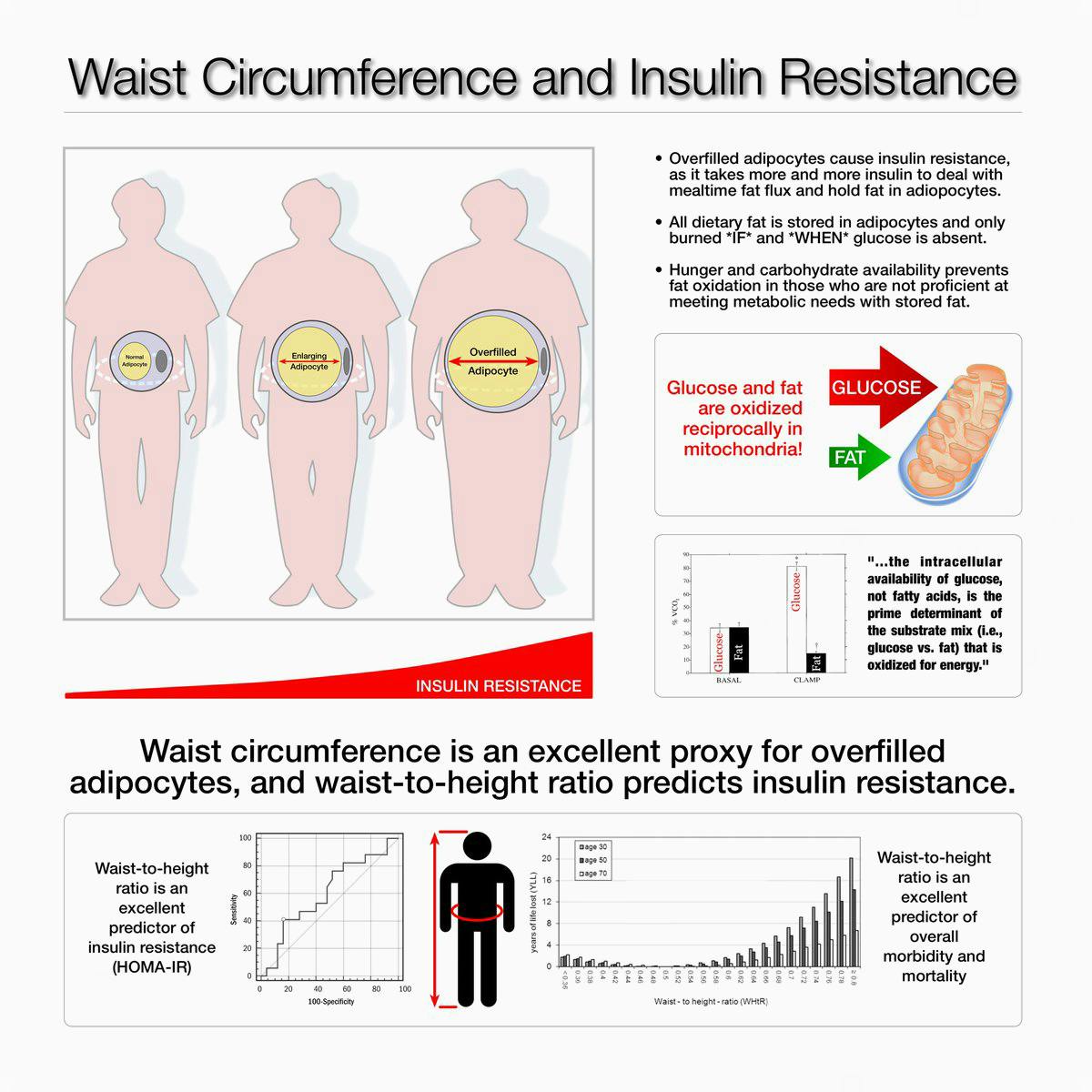
Essentially when insulin is high in the body ,fat cannot be oxidised as well
Diabetes happens when cells are resistant to insulin
Notice you didn't reply to the other thread on this
https://singletrackworld.com/forum/topic/intermittent-fasting-keto-and-timing-of-exercise/page/2/
<T
<p>TJ,</><p>Lots of pseudo science around this. Most of it utter bollox. Have a read round the peer reviewed literature for the dangers including increased risk of cardivascular disease, insulin resistance, non alchol fatty liver disease and that the weight loss effects like with all fad diets are only temporary.</p>
<p>Yep. I have</p>
<p>Long-term effects of a ketogenic diet in obese patients</p>
<p>The present study shows the beneficial effects of a long-term ketogenic diet. It significantly reduced the body weight and body mass index of the patients. Furthermore, it decreased the level of triglycerides, LDL cholesterol and blood glucose, and increased the level of HDL cholesterol. Administering a ketogenic diet for a relatively longer period of time did not produce any significant side effects in the patients. Therefore, the present study confirms that it is safe to use a ketogenic diet for a longer period of time than previously demonstrated.</p>
<p>Long term effects of ketogenic diet in obese subjects with high cholesterol level.</p>
<p>This study shows the beneficial effects of ketogenic diet following its long term administration in obese subjects with a high level of total cholesterol. Moreover, this study demonstrates that low carbohydrate diet is safe to use for a longer period of time in obese subjects with a high total cholesterol level and those with normocholesterolemia.</p>
<p>Relative to the LFHC group, the HFLC group had greater improvements in blood lipids and systemic inflammation with similar changes in body weight and composition. This small-scale study suggests that HFLC diets may be more beneficial to cardiovascular health and inflammation in free-living obese adults compared to LFHC diets.</p>
Can you explain why a high fat diet or the presence of ketones in the body present risks around cardivascular disease, insulin resistance, non alcohol fatty liver disease?
If you read about human metabolism you’ll realise it’s carbohydrates that trigger insulin and leads to insulin resistance. Also if you are on high carbohydrate diet you are also on a high fat one because the body will convert it to fat (triglycerides)
I wonder how accurate the food labels are for the various calories, fat content etc. Must be hard to calculate them.
It's a bit rubbish tbh when you realise the measurement of calories is physics experiment . 1 calorie will raise 1 gram of water 1 degree Celsius. Think it's a bit more complicated when applied to human metabolism
If you want to see if the diets are bad for you have a look at eskimos diets as they are similar to the atkins diet. There should be various studies on this.
How dare you come on here with your peer-reviewed studies, TrickyDisco! Can't you just agree with TJ's nuanced view of the evidence? 🙂
Human metabolism and diet is a fascinating area of study, particularly when it comes to potential improvements in insulin sensitivity, cholesterol and inflammatory markers in some of the patients with chronic conditions who most need an effective intervention, and are most likely to cost the taxpayer a fortune in medication, other treatments and care.
Adherence is always going to be the problem long term though. But I suppose that's the issue with a lot of diets, and at least ketogenic has the advantage of appearing to show dramatic results early on through water loss which will undoubtedly improve mood, encourage exercise etc.
It is fascinating yes, and complex. There are many ways to shift fat, some work better for some people than others, and some work better short term or long term, sometimes you need multiple methods, some methods overlap. What works for you will depend on a wide variety of factors like genetics, psychology, lifestyle, exercise habits, fitness and so on.
E.g. for me, I ride too hard which depletes glycogen, which triggers eating. Partly that's innate; partly it's because I live in a steep hilly area and I'm heavy, so it's required, and partly because whilst I could ride steadily if I went road riding I just don't enjoy road as much.
If you want to see if the diets are bad for you have a look at eskimos diets as they are similar to the atkins diet. There should be various studies on this.
A perfect example of why most (if not all) diet studies are flawed - they fail to adequately account for other lifestyle differences in the participant groups.
Do they? I think scientists are quite aware of this and I seem to remember it being taken into account reasonably often.
The main weakness in longditudinal diet studies is the reporting of diet/exercise - despite the care with which you manage them, it doesn't take many participants slightly misremembering or misrecording their intake, or being economical with the truth, to significantly skew the results.
So the results have to be treated with caution, particularly in ketogenic diets where very small changes in carbohydrate intake can make the difference between ketosis and no ketosis.
Low carb is fine. Atkins or keto is not.
They are not the same
Keto in morbidly obese is different from keto in overweight
You're going to have to come up with some studies to support your last post TJ. Stick to ketogenic diets - that's what we're talking about here. Atkins has some similarities, but is a different delicious can of worms.
No problem martin. Its an area of fast moving changes to the medical consensus diet / obesity and nutrition. I am suprised you used such old research.
Many of the studies I have read come back to the " results are unclear, more research needed. The main issues are around raised lipid levels, non alcoholic fatty liver disease and electrolyte imbalance. On all 3 results are contradictory.
One of the key things with any weight loss programme is that it needs to l;ead to sustainable adn lifelong dietary and lifestyle changes. One of the key things that again come out of what I read is beneficial effects from ketogenic diets are short lived. Its not a sustyainable lifestyule to live on a ketogenic diet.
Very interesting stuff around diabetics and also epileptics as well
If you have high risk factors for other reasons ( morbid obesity, poorly controlled diabetes, etc) then the small rise in cardivascular risk from Keto diets may well be outrweighed by the benefits of losing weight / contooling your diabetes better.
Slightl;y dubious source. https://www.mdpi.com/2072-6643/9/5/517 However its a review of other data / studies so assuming not too much cherry picking 😉
The treatment of obesity and cardiovascular diseases is one of the most difficult and important challenges nowadays. Weight loss is frequently offered as a therapy and is aimed at improving some of the components of the metabolic syndrome. Among various diets, ketogenic diets, which are very low in carbohydrates and usually high in fats and/or proteins, have gained in popularity. Results regarding the impact of such diets on cardiovascular risk factors are controversial, both in animals and humans, but some improvements notably in obesity and type 2 diabetes have been described. Unfortunately, these effects seem to be limited in time. Moreover, these diets are not totally safe and can be associated with some adverse events. Notably, in rodents, development of nonalcoholic fatty liver disease (NAFLD) and insulin resistance have been described. The aim of this review is to discuss the role of ketogenic diets on different cardiovascular risk factors in both animals and humans based on available evidence.
.........................
Based on the available literature, KD may be associated with some improvements in some cardiovascular risk factors, such as obesity, type 2 diabetes and HDL cholesterol levels, but these effects are usually limited in time. As KD are often rich in fats, some negative effects could happen. Mainly in rodents, developments of NAFLD and insulin resistance were described. In humans, insulin resistance is also a potential negative effect, but some studies have shown improvements in insulin sensitivity. Nevertheless, many subjects contemplating such diets are overweight or obese at baseline, and even a moderate weight loss could be metabolically beneficial for them. However, it is mandatory to maintain body weight after weight loss, which is usually a major problem. More studies are therefore warranted to better assess the effects of long term use of KD on metabolic diseases and cardiovascular risk factors, but also to better define which dietary macronutrient composition is optimal.
Edit - clicked sumbit tooo soon - more coming!
More
This review looks quite good
Our findings suggest that the beneficial changes of LC diets must be weighed against the possible detrimental effects of increased LDL-cholesterol.
https://www.cambridge.org/core/journals/british-journal-of-nutrition/article/effects-of-lowcarbohydrate-diets-v-lowfat-diets-on-body-weight-and-cardiovascular-risk-factors-a-metaanalysis-of-randomised-controlled-trial/B8FBAC51C156D8CAB189CF0B14FB2A46
a bit old as well
Low-carbohydrate, non–energy-restricted diets appear to be at least as effective as low-fat, energy-restricted diets in inducing weight loss for up to 1 year. However, potential favorable changes in triglyceride and high-density lipoprotein cholesterol values should be weighed against potential unfavorable changes in low-density lipoprotein cholesterol values when low-carbohydrate diets to induce weight loss are considered. https://jamanetwork.com/journals/jamainternalmedicine/article-abstract/409791
This is an old and may now be supeceeded cochrane style review in 2003 NOt hugely keen on the source either
there is insufficient evidence to make recommendations for or against the use of low-carbohydrate diets, particularly among participants older than age 50 years, for use longer than 90 days, or for diets of 20 g/d or less of carbohydrates. Among the published studies, participant weight loss while using low-carbohydrate diets was principally associated with decreased caloric intake and increased diet duration but not with reduced carbohydrate content. https://onlinelibrary.wiley.com/doi/abs/10.1111/j.1467-789x.2012.01021.x
Electrolytes?
This one was looking at long term ketogenesis in younger people
the maintenance of optimal fluid electrolyte and mineral status is the key to the prevention of arrhythmias during ketogenic diet. All modern ketogenic diets include adequate hydration and sodium supplementation as a part of their protocol. Micro-nutrient adequacy, especially of selenium, should also be ensured by supplementation. Current screening guidelines call for estimation of baseline and follow-up selenium levels every 3 months during the first year of ketogenic diet, along with recommended daily allowance of selenium supplementation (30 mcg/day).18Since life-threatening arrhythmias may be a reflection of selenium deficiency, we recommend routine screening of ECG prolongation of QT or electric instability at baseline and every 3 months. This frequency is concordant with the guidance related to selenium monitoring. Careful screening and monitoring of symptoms of arrhythmia must be included in the medical supervision of ketogenic diet. ECGs should also be carried out whenever unexplained symptoms occur.Drugs which may cause QT prolongation or precipitate arrhythmias must be avoided or taken under close supervision. These simple measures should help ensure that the benefits of a ketogenic diet are achieved, while ensuring electrocardiac safety.
Shall we just agree on Keto diets area good way of reducing weight in morbidly obese people and can have benefits for diabetics and epileptics
However they are not without risk and close medical supervision may be required
?
Shall we just agree on Keto diets area good way of reducing weight in morbidly obese people and can have benefits for diabetics and epileptics
However they are not without risk and close medical supervision may be required
This seems more reasonable and nuanced than your previous effort 🙂
keto and atkins are not recommended by healthcare professionals as its an incredibly poor and unhealthy diet increasing your risk of stroke, heart attack etc.
Interestingly, we are starting to see ketogenic diets being tentatively endorsed by both the NHS and RCGP.
The studies you link are not without their difficulty. While the mouse one (which is pretty much the only one with evidence of problems) seems alarming, I'm not sure how much you can draw from evidence from a rodent metabolism. Also the duration of diet was the equivalent of several years in humans. I'm sure that even I would be in a shit state after living on double cream, coconut oil and cauliflower for that long.
The human ones seem, on balance, more encouraging than discouraging, particularly in morbidly obese, with potential benefits for less overweight people and even those at a healthy weight which may have to be balanced against possible harms if the diet is followed long term.
As you say though, more research and a cautious approach required. But given the threat to individuals, public services and our economy from the epidemic of overeating, anything which has the potential to lessen this burden and improve people's lives should be taken seriously rather than written off as unhealthy because it is counterintuitive compared to mainstream calorie reduction diets.
The whole business of fasting and ketosis is a whole new way of looking at weight loss.
Personally I think Fructose is probably the most important factor from what I have read recently.
martinhutch - just found this which is rather damning
The news stems from a large, long-term Swedish study of women aged 30 to 49, looking at their diets and whether they developed cardiovascular disease. Researchers wanted to understand the long-term effects of low-carbohydrate, high-protein diets. They found that proportional decreases in carbohydrate intake and increases in protein intake were associated with a small increase in the risk of cardiovascular disease such as heart attack and stroke.
https://www.nhs.uk/news/heart-and-lungs/heart-risk-from-low-carb-high-protein-diets/
Given the risk known about and poor results longterm from this sort of diet this is why it is not mainstream advice, is not advised by dietitians / NHS in the UK and why it needs to be done under medical supervision.
For those a bit overweight the risks outweigh the advnatages
The whole business of fasting
As James Smith would say. Calorie reduction is calorie reduction how ever you package it.
Likewise. He would commend your skipping of breakfast if it makes you feel good.
I’ve been doing a moderate Keto diet for 4 yrs approx. Mainly to keep a genetic predisposition for type 2 diabetes at bay. It has been refined over the years to try and get a balance between providing energy for my rides and controlling blood sugar levels. Not an easy balance. Loosing the weight is the easy bit. In the main it’s a lot of veg with the exception of potatoes, lean meat and fish and some dairy, mainly eggs with a bit of Greek yogurt. I don’t eat white carbs at all as a general rule of thumb. It kind of works but can get a bit tedious at times. You can loose weight scarily quickly. I lost 5 stone in a matter of months. Finding a balance to maintain it is the hard bit.
just found this which is rather damning
I think damning is also probably a touch of hyperbole about a study with such a small effect recorded. Particularly a self-reported single submission diet study which did not focus specifically on any type of diet we're discussing (high fat low carb ketogenic), but Atkins-like diets instead (low carb high protein)
Apart from that, a bullseye for your Google-fu.
You don’t need high levels of any one food group. There is no magic solution. Plenty of fruit and veg, a bit of protein and some healthy fats. Reduce the processed element of your diet as much as is possible including refined carbs. Loose weight, stay healthy, live longer maybe!
Paton - see the vid with the woman dressed in "my first doctor" outfit - a sure givaway its a load of bunkum.
Edit - indeed a convicted felon, an osteopath thus a snake oil seller. No credibility
Just a kind of related question here...
If you're on a low carb diet, what kind of food do you go for with regards breakfast? Something relatively quick, easy and enough to keep you going for a 17 mile commute on the bike.
Any suggestions?
You don;t need the food to keep you going, the point is to use fat.
Either eggs for me or a handful of Asda Fruit Nut and Seed mix. Just get quick at making eggs.
For breakfast it’s mainly porridge that’s a mix of bran, oats, pumpkin, chia and sunflower seeds with a few strawberries and blueberries. It’s slow release energy that keeps me going until lunchtime. If not porridge a 3 egg omelette.
The idea is to burn body fat for energy not process carbs for energy. Only problem is it takes me a few miles to get going but once the process has started I can fuel myself much longer over a ride than if I carb up. You will find that you require much less fluid over a ride as one of the requirements of hydrating when carbed up is so your body can process the carbs. One of the by products of burning fat for fuel is water.
As James Smith would say. Calorie reduction is calorie reduction how ever you package it.
except for the fact different biochemical and metabolic processes happen when you consume different types of calories. A calorie is a the measurement of the amount of heat required at a pressure of 1 standard atmosphere to raise the temperature of 1 gram of water 1° Celsius. Do you really think that works perfectly in the body? Petrol has 1000's of calories in it 🙂
What low carb, keto, atkins, idave, 4 hour body and fasting follow is the carbohydrate-insluin model that is working with the metabolic and hormone processes in the body. At it's simplest If your insulin is high, it’s going to trap fat in your fat cells and prevent other cells in your body from oxidizing it. If you drop your insulin levels, you’re going to release this fat from the fat cells and your lean tissue is going to want to take it up and burn it. When that happens, your energy expenditure is going to increase. Mobilizing fat and burning it is the cause. The extra calories burned, the increase in expenditure – what we all think of as the metabolic advantage – is the consequence.
The calories in, calories out approach disregards decades of research demonstrating that body weight is controlled more by biology than will power over the long-term. With calorie deprivation, the body fights back in predictable ways — including increasing hunger, slowing metabolism, and secretion of stress hormones. These hallmarks of the starvation response make long-term weight loss by calorie restriction exceeding difficult to maintain.
This isn't highly scientific but interesting experiment of eating 5000 calories a day of High Fat, low carb for 21 days
https://live.smashthefat.com/why-i-didnt-get-fat/
and the high carb version
https://live.smashthefat.com/why-i-did-get-fat/
Inbred456
Member
The idea is to burn body fat for energy not process carbs for energy. Only problem is it takes me a few miles to get going but once the process has started I can fuel myself much longer over a ride than if I carb up. You will find that you require much less fluid over a ride as one of the requirements of hydrating when carbed up is so your body can process the carbs. One of the by products of burning fat for fuel is water.
^This.
Done a bit if an experiment over last few weeks. Completely and totally cut out refined carbs - so zero cakes, biscuits, chocolate etc. etc. On rest days, I'm reducing carbs, so trying to breakfast on eggs not porridge. Completely cut booze out too. Latter bit is possibly not permanent, but the overall effects are profound; lost about 1kg (was not 'fat' beforehand) and all of it seems to have come off stomach and hips, which is where I deposit weight and, according to a lot of health studies, is not 'good'. Energy levels through day are much, much steadier and hunger does not seem as acute either. I feel a lot more clear-headed throughout the whole day.
On a ride is probably the biggest issue; first 15 to 20 minutes or so are very tough. I could give up, sometimes on evening rides, even feel drowsy (which is not ideal), but then by 30 mins in, everything is pretty steady. I don't think I can hit peak hill climb efforts/heart rates that I did previously, but the energy levels stay pretty steady throughout.
Some good science about fueling exercise with fat: https://www.peakendurancesport.com/endurance-training/base-endurance-training/fat-burning-using-body-fat-instead-carbohydrates-fuel/