UPDATE: CLASSIFIEDS section refreshed, redesigned, searchable: Go take a look
To fight the mould on the walls and ceilings: clean them with bleach, then paint them with this stuff [url= http://www.zinsseruk.com/shop/Product.aspx?cId=127&pgId=344&tId=Overview ]Make mouldy go bye bye[/url] It's good stuff.
thanks mate, just had a look. theres suppliers near me so will check it out. looks like they only do white tho and my worst walls a plum colour. ill ring em and ask tho.
thanks a lot
They can tint it to whatever colour you require. Myself personally would paint it permawhite then paint your original colour over the top.
small bathroom, a GCH radiator in there, but are you suggesting we heat the room and open window at the same time??
Yes. You need heat in the bathroom otherwise the (external) walls will get cold and the warm, moist air will condense on them even more. Keep the radiator on, and open the window for a while after a bath. If you have a trickle vent leave that open all the time.
I can't believe that such apparently large amounts of dampness are caused by condensation. There must be water coming in/ leaking somewhere. Oh, have the heating on and ventilate the rooms that are affected and the bathroom and kitchen.
It would be worth leaving your heating on a low level all the time. When the heating goes off, the walls will cool and create condensation. So if its doing two cycles a day, you will get two periods of condensation, which would sit on the surfaces until your heating comes back on and it evaporates.
Thanks, I'm starting to understand that a bit better now. Not sure my pocket could stand the gas bill tho if I left the heating on all the time!! We usually only have it on for couple of hours in the morning, and say 5 hrs in the evening.
There's more and more people giving this advice and actually saying its cheaper! Can anyone confirm or deny this? Say I left it on all the time at 16 celsius, 61 Fahrenheit, with windows open? Surely it'll cost more than being on for 2 periods of 3 hrs then 5 hrs??
I am no expert but to the best of my knowledge it depends on your property and how much you heat it up and then how much heat is lost during the time the heating is off.
Basically the principle works on keeping the heat ticking over at temperature x say 18-19 C will only require short boots of the boiler, however if you put it on for a couple of hours in the morning it may only just reach that temp after 2hrs of the boiler on constantly then in the evening the same thing 2 hrs or so of flat out folloed by short burts till it goes off again. Also by heating and cooling all you would do is draw out some of the moisture then move it on to condensate somewhere else when the house cools again.
Do you normally only heat your house to 16 celsius?
My understanding is that you want to heat the house up - structure and all while offering paths for the moisture to escape. Could there be the possibility that your house is simply not getting warm enough to dry it's self out?
Thanks for the help mate. I say 16 cos that's what the conversion chart tells me. My thermostat says 60. That right?
<thread hijack>Does the same advice apply to traditional back boilers with big copper hot water storage cylinders?</thread hijack>
try turning the heating up - 60 is rather cool
60F = more or less 16C you are right there. I was more suprised 16C is enough to keep you warm, I was led to believe 19/20C (66/68F)was a more common household temperature.
Cougar,
I've not got a boiler like that so don't know if it will save you money. The same princple applies so test it out for a week. Note down the meter readings for a standard weeks usage then the useage when having the heating on constantly, 1 week is unlikely to break the bank and you will get an idea of what is going to cost you more/ what is more practical for your lifestyle.
If you are worried a week will be too long cut down the test to a few days.
Depends too on what your house is built from. A solid brick or masonry structure absorbs and releases heat slowly, ie it takes a long time to warm up or cool down. Once it's up to temperature smaller heat inputs will keep it there. A light structure such as timber frame will heat up and cool down much more quickly.
Sadex, as has been said before, the amount of condensation you are talking about indicates that there is another problem too. A source of moisture such as rising dampness (in the floor or walls) or a plumbing leak into the structure (and it only needs a small slow drip which can be very difficult to detect), can cause visible dampness or just raise the indoor humidity levels to a point where condensation occurs. If it were me I would 1) get the house warm and keep it warm for a week and see how much things improve 2) maintain a small amount of ventilation throughout that time (open trickle vents if you have them or lock small windows in the "night vent" position (provided there is one and you are not compromising security)), and 3) have a real good hunt around for a moisture source. You can buy cheap damp meters which will help: bear in mind that they will read surface condensation as "damp" but used carefully they will help narrow down the wettest bits. You need to check the floor too: if there are floor coverings you can push the prongs through carpets (check there isn't vinyl underneath first) or into the joints in the finish. Expect to find a lot of high readings because of the condensation, but focus on the really, really wet bits. Take a good look under the bath and sink too in case water is leaking under there. Check that the damp-proof course in the walls is not below the external ground/pavings: ideally it should be 150mm above.
A few cheap starters:
A set of lids for your saucepans and frying pans. Train any females in your house to use them and turn the gas/electricity down to simmer.
A big sponge to dry the bath/shower when you've finished with it.
A covered area outside to dry towels, wet coats and umbrellas.
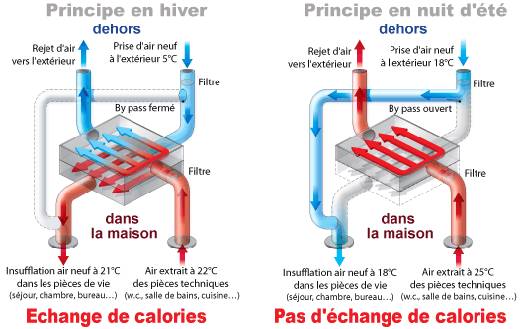
Then it get more expensive: insulate lots and ventilate, perhaps with a double flow system with a heat exchanger. Insulation and heat with a wood burner cured the problem in our house; the wood burner provides heat and ventilates.