Forum menu
Assembled a play house for the kids yesterday which involved pilot drilling holes for about 150 screws of 30-50mm length. I have a basic corded drill which I used for the holes, and borrowed my friend's cordless drill-driver in the hope of using it as a screwdriver, however even with pre-drilled holes it couldn't get the screws in, even with the torque limit set to the max, could just about manage countersinking in pine and 'OCB' boards which at least saved me changing my drill bit with old fashioned chuck which would've been tedious.
So I thought I would get myself an adequate tool for upcoming similar jobs - checked the spec of the borrowed drill-driver and it is max 28 Nm torque, so figured I was working from a base of double that as it seemed pitifully underpowered. Anything described as a cordless screwdriver seems to have similar or lower max torque as the borrowed drill-driver, eg this Bosch is 4.5 Nm ( https://www.screwfix.com/p/bosch-ixo-v-3-6v-1-5ah-li-ion-cordless-screwdriver/7645h#product_additional_details_container).
Am I basically after an impact driver (eg https://www.screwfix.com/p/erbauer-eid18-li-18v-4-0ah-li-ion-ext-brushless-cordless-impact-driver/162fv) or is that total overkill? Could you use something like that on Ikea stuff to speed things up or is it just going to over tighten everthing? And is there a cordered version out there for about £50?
Yes, impact driver is what you need. Once you’ve had one you’ll find you use it more than a cordless drill/driver.
Having both is great because if you need to drill pilot holes you don’t need to keep changing bits.
That said, it sounds like the drill driver you borrowed was pretty weak if it can’t handle a playhouse build lol
I don't think torque settings are your problem here.
You've borrowed a tool that's not working properly.
Even the puniest of drill drivers, if functioning correctly, would be able to drive a 35mm screw into timber with ease.
Most modern ones'll drill steel / brick / stone without breaking a sweat.
+1 - the one you borrowed was knackered!
the borrowed drill-driver and it is max 28 Nm torque
That's very low, 50-60 Nm is more normal for a half decent drill driver.
An impact driver would be 3-5x that.
Also sounds like it was knackered or battery had lost a cell or two, as you shouldn't need much torque for basic pine. I mainly use a 12v Festool drill/driver and usually with the torque setting at 3-6 out of 12 for basic screws. Only use the impact driver for things like 100mm + fixings into big chunks of wood.
A decent drill/driver would comfortably do what you want. It does sound like the one you used was rubbish. A drill/driver is probably my number one tool. Worth spending a few extra quid on a better one. I think you'll get a makita LXT for around £100. That is where I would start. Once you have the tool you can buy other tools that use the same batter pretty cheaply. For example you can get the Makita LXT impact for under £60 without a battery which will be way better than that erbauer. Don't bother with corded until you are up to SDS sizes
Once got one of those small electric screw drivers which had been fine for me for most of my screwing needs. No torque setting and battery life is pretty good too. Use my proper drill/driver for larger screws/coach bolts bit for normal screwing font it too powerful.
Found no need for impact mode.
An impact driver is a good tool for the job, however a good combi drill is much more versatile. I hardly use my impact driver now since I bought a good brushless combi. It's heavier and bulkier but doesn't have that annoying rattle, is more versatile and has much more torque.
Edit: "too powerful" shouldn't be an issue if you use the clutch
Impact tools are the best for that. You will wonder why you were using a drill to put in screws once you get one 🙂

Did you have it on fast/drill rather than slow/driving? The torque is pitiful on the cheaper units when you put them in high gear.
Impact driver. No idea how I got on without one before. If it broke I’d buy another straightaway.
Def impact - i've got a Milwaukee, M18 that's got lots of torques, 125nm! tis a beast if not a bit agricultural. Was £150 with 5amp battery and charger.
@Surfer - how have you been attaching the 6x2 joists - do you screw down from top with 12" timbascrews, or nail gun at angles?? When i was doing mine, i then had 100mm PIR ontop, plus 12mm OSB and went all the way through to the plate. that put one hell of a strain (hot) on the impact.
how have you been attaching the 6×2 joists
Looks like metal brackets in the pic
Yes metal brackets front and back and offset supports at roughly 16" spaces from front to back. They were screwed in using 3" screws. Given that I am an amateur most of it was over engineered. Someone who knew what they were doing would use a lot more nails and a lot less expensive screws. It is built quite well (even if I do say so but took me ages....) hence being a big fan of the impact driver. Made very light work of it
@ Spooky, deffo had it on the low speed setting. I suspect all those suggesting it was knackered are on the money, the thought did cross my mind
So with the impact drivers, most of them don't seem to have a torque setting. Are you then basically at the mercy of a sensitive trigger and good reactions to make sure you don't over tighten?
All these battery systems are damned expensive for the occasional DIYer. Tempted to just get the Makita corded impact driver for £80.
Never got around to taking pics when it was totally finished but here it is almost done, plastered, full electricity etc.

So with the impact drivers, most of them don’t seem to have a torque setting.
not strictly true, some have intelligent (like the milwaukee and some Makitas) screw settings. They sense the resistance and will stop driving (if you tun it on), it's quite clever really. Though be careful, it's also really easy sometimes for an impact to shear off the screw head and smaller gauge screws.
Very nice
i never have taken a finsished photo of mine - might have to do that.

not strictly true, some have intelligent (like the milwaukee and some Makitas) screw settings. They sense the resistance and will stop driving (if you tun it on), it’s quite clever really. Though be careful, it’s also really easy sometimes for an impact to shear off the screw head and smaller gauge screws.
Yes, my Bosch only impacts if it needs to, it starts off just rotating then kicks in the impact as required, but it will happily shear off anything if you don't let go of the trigger and keep driving.
All these battery systems are damned expensive for the occasional DIYer. Tempted to just get the Makita corded impact driver for £80.
Massive false economy in my book. You can get a Makita LXT combi for under £100. Not that much more for a much more useful tool. You can then buy other tools that use the same battery as you need them.
I would advise you to not buy an impact driver , it would have been overkill for what you did and is not as flexible as a reasonable combi drill in general use.
I have 3 of them , they only get used for long fixings or exceptional jobs.
The only type that I would advise for general DIY would be in one of the 12v compact twin sets that Makita and others do do , nice handy size and 2 devices so you can drill and then drive , this is because you have the corded drill for masonery drilling.
They are the SUV of the tool world.
That Bosch Ixo thing is not a screwdriver, it’s a toy.
Minimum spec for general screwdriving would be a 10.8V or 12V impacter, although that will still take its time over an 18V one on anything bigger than a 4x35mm screw.
Drill and driver bought together as a “system” is the way forward, then you’re not constantly swapping from drill bit to screwdriver bit. Although it’s also worth looking at splashing out on the nicer self drilling/countersinking screws, which go in noticeably easier. I’d still pilot for fasteners that are on display, but not otherwise.
Impact drivers are actually a bit less likely to knacker the heads on screws when used with a bit of care. They don’t rely on the user to provide the torque reaction, so you never get that leverage pulling the tool off centre from the screw.
They are the SUV of the tool world.
I beg to differ. Also didnt you realise this and stop when you had bought 1?
I was dubious about the need for an impact driver but after treating myself to a DeWalt twin pack I don’t know how I managed without
Unless you have major concerns about splitting the wood, impact driver + decent screws = no need for pilot holes.
I was worried about >200nm and no clutch but I’ve used it on really small screws and haven’t stripped one yet
I would advise you to not buy an impact driver , it would have been overkill for what you did and is not as flexible as a reasonable combi drill in general use.
+1
My impact gets used quite sparingly, generally for screws over 70mm; most stuff I just use a simple 12v drill/driver as it's small and weighs next to nothing.
OP says 30-50mm screws , using an impact on them is overkill , I have 3 because they get old along with their batteries , oldest is 12v nicad Makita - 10+ years old , recently reloved with cheap ebay battery, the drill that came with it was worn out and scapped.
Its about what you use them for - hence the SUV comment.
Used my impact driver yesterday for a multitude of purposes. Fron driving in screws to make a temporary timber gate, to installing the cabinet hinges on some kitchen doors.
It is a Milwaukee One Key jobby that lets you adjust power levels on 4 buttons, so it csn be pretty gentle or balls out power depending on how you have set it
Did you drill any holes for rawlplugs in walls , or use a small holesaw to make an access hole , or drill an extra hole in a metal bracket - these are reasons to get a combi drill over an impact driver.
OK once fixings get over 100mm an impact is going to help a lot but whilst they are a revalation to
those struggling with long fasteners they are not what the OP needs.
A note about the Makita LXT, the white one.
I remember reading several accounts of the chucks falling off. I think it was just the white ones and its been corrected, but if you do go for a makita(big makita fan here, belt sanders, biscuit jointer, routers) go for something not white.
Did you drill any holes for rawlplugs in walls , or use a small holesaw to make an access hole , or drill an extra hole in a metal bracket – these are reasons to get a combi drill over an impact driver.
With the correct impact rated bits you can do all that with a decent impact driver. If you want a bit more precision when drilling, then the combi drill would be the better choice.
I have this pack
Set up drill for pilot holes and impact driver for screws. Amazing how quick things can be done. Knackered the odd screw with the driver but it’s not been defeated by the material and very effective at removing ‘difficult’ screws.
Removing and replacing the boards in the attic involved and 400 screwings.
Best thing I ever bought was the de Walt driver. Did the whole job without even a recharge.
Even some of the screws with rounded out heads came out without much trouble.
Done my typical thing of over researching things, convincing myself I need more stuff/spec than I really do and buying the Makita twinpack for £200, which whether I need it or not seems like smashing value. Better build some more stuff now!
Also keep in mind that is so rare that there's any point using the driver/torque settings on those things. Just keep it in drill mode and learn how to be careful. Personally I hate standard impact drivers for the fact that they are obnoxiously loud, which gets boring of you are working with them all day, or if someone else is using one next to you. Do yourself a favour and invest in ear defenders to use if you find yourself doing a project where you need to drive more than just a few fixings in.
But also, well done on making a decision. Cordless tools are the future and choosing one manufacturer (everyone has a different favorite) is a good start. Now browse the catalogs... Hmmmm, I do need a cordless grease gun right...?
That Bosch Ixo thing is not a screwdriver, it’s a toy.
Horses for courses but I love mine and wouldn't hesitate to recommend it, it's the best cordless screwdriver I've ever used.
Granted it's "only" a screwdriver and I'd want something heavier-duty if I were driving a couple of hundred screws every day, but for occasional use if it wasn't powerful enough to drive a screw I'd be questioning whether the problem lay elsewhere. Without the clutch fitted it'll give your wrist a fair twist if you don't back off at the right moment (though I do have especially girlie wrists).
I got a 10.8v twin pack makita, and its awesome. Occasionally the impact driver can be a little slow on big stuff (coach screws with no pilot hole), but at anything it should be used for, it works well. I would reccomend a low-voltage twin pack over a single, higher voltage tool, as the single tools are a bit of a compromise if you want to drill and drive. SDS drill is also around for big stuff, but it rarely comes out.
Don't get an ixo, they're rubbish. This would be great.. https://www.amazon.co.uk/Bosch-06019A6979-Hammer-Impact-Lithium/dp/B07ZKXYKVB/ref=sr_1_4?dchild=1&keywords=impact+twin&qid=1588621502&sr=8-4
I've been doing a fair bit lately, just shelves and surfaces and a bit of attic floor using cheap chunky pine and some recovered pallets, and I've used my little cheapo Draper 10.8v drill for all of it, it's not missed a beat.
I really like this little guy, it's light and effective, not fast enough to be a good drill for anything heavier mind. In fact ironically it might be a better driver than a drill. They do an impact driver with the same battery and I might pick it up some time, not because of lack of power but more because it just does the job that bit better, less risk of camming out etc. The wee multitool is good too and there's a comically tiny sawzall. Basically it's cheap and cheerful but that's all non-pros usually need
That Bosch Ixo thing is not a screwdriver, it’s a toy.
Mine gets quite a bit of use, they have a fair bit of power and would do OK on the 30-50mm screws mentioned. The torque setting adaptor is a must because most small stuff is easy to overtighten otherwise. For most household jobs it's great.
My Makita impact is obviously better when you've got hundreds of bigger screws to do, but total overkill and pointlessly noisy most of the time.
Had loads of inadequate kit over the years but now reckon I've got the main stuff dialled...
I have a cheap electric screwdriver <5V, slow but very handy for pretty much anything up to 4x50 in anything other than madly hard or wet wood.
12V ish budget impact driver
Perfect for fatter and or longer screws, coach bolts etc into bigger bits of timber, deck building and structural timber.
Nasty habit of splitting wood when used anywhere near an end or if any kind of imperfection unless you've done a wide pilot hole.
It's noisy and overkill for a lot of less demanding jobs and it lacks any kind of subtlety in use. Maybe spendier ones are better.
18V good quality cordless combi
Will put in just about anything that the impact driver will but it's unwieldy in use.
Been busy during lockdown and I'd have made good use of a small drill driver to add to the above as had to back up the above with a corded drill on a few projects to have enough drill/screw capacity without swapping bits constantly.
Someone a few posts back mentioned camming out of screws...(no idea how to quote on this new fangled version of the forum)..
My advice for avoiding camming out is use torx head screws. From toolstation as they are good value, compared to Screwfix which are disgustingly expensive. I've driven many thousands of fixings, and never once have I cammed out of a torx screw driven directly in line, or snapped a bit, or rounded the head so it's hard to get in or out again. The screws are so easily reusable it's amazing. You can build something, take it apart, pick up all the screws and reuse them without having to sort through the damaged ones. I first came across them on theatre sets. At the end of the show, on the get out, the carpenters barely slowed their drivers between screws, the torx are just so positive, it's so fast to use them. Also if you drive the screw deep into timber and sink the head and can't tell the angle to get out back out again, the torx just fit and drive, compared to pozi which spin and faf until you find the sweet spot, by which time the head is damaged.. Torx Vs pozi, is like pozi Vs Phillips IMO. Just waaaaay better..
Slight hijack I know, but the op did want screwing advice... That's my 2 pennies...
Point of note there is that Phillips are designed to cam out. They're intended for low-torque applications.
Ohhhhhhhh. I never even thought of that. Makes perfect sense
I worked on a few pretty tall steel frames buildings in the City and those impact wrenches we're awesome for hundreds of bolts a day.
I'm sure the steel erectors would lend you one at tea break, and give you a bit of time with the tower crane, to get the kids playhouse knocked up.
But that Bosch ixo is the better tool for the job.
10 years ago when I was supervising large scale solar installs I bought a set of 10.8v dewalts for the light duty frame and mounting brackets, but over the years they've been co-opted for 2 loft floor raises, 2 garage rack outs, construction of one flat pack shed and most recently my self build.
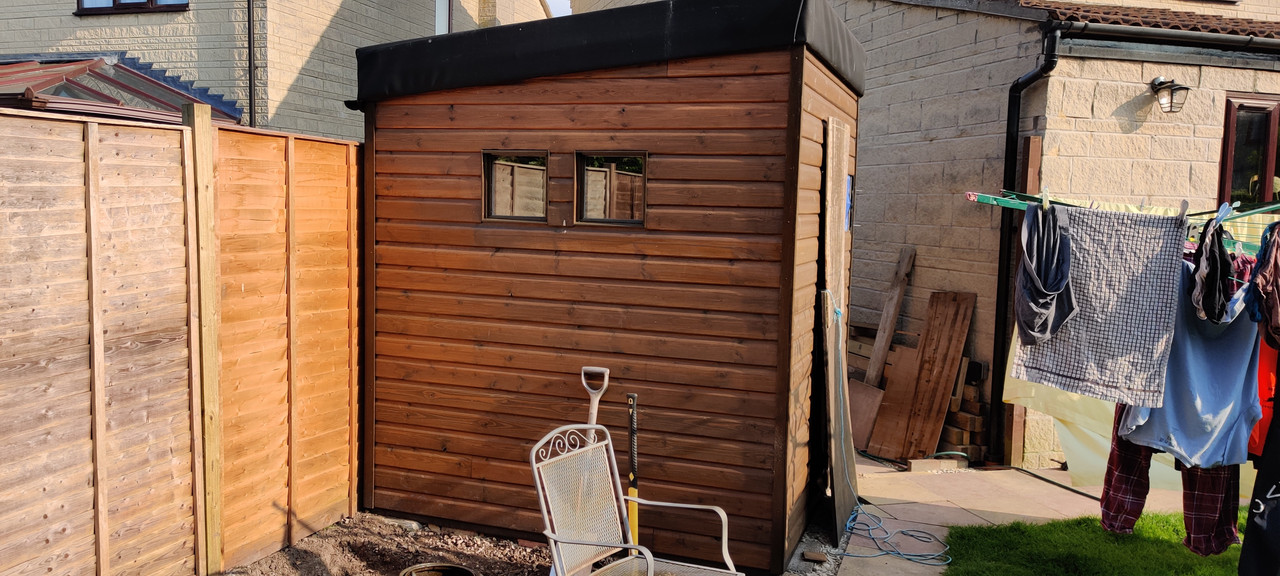
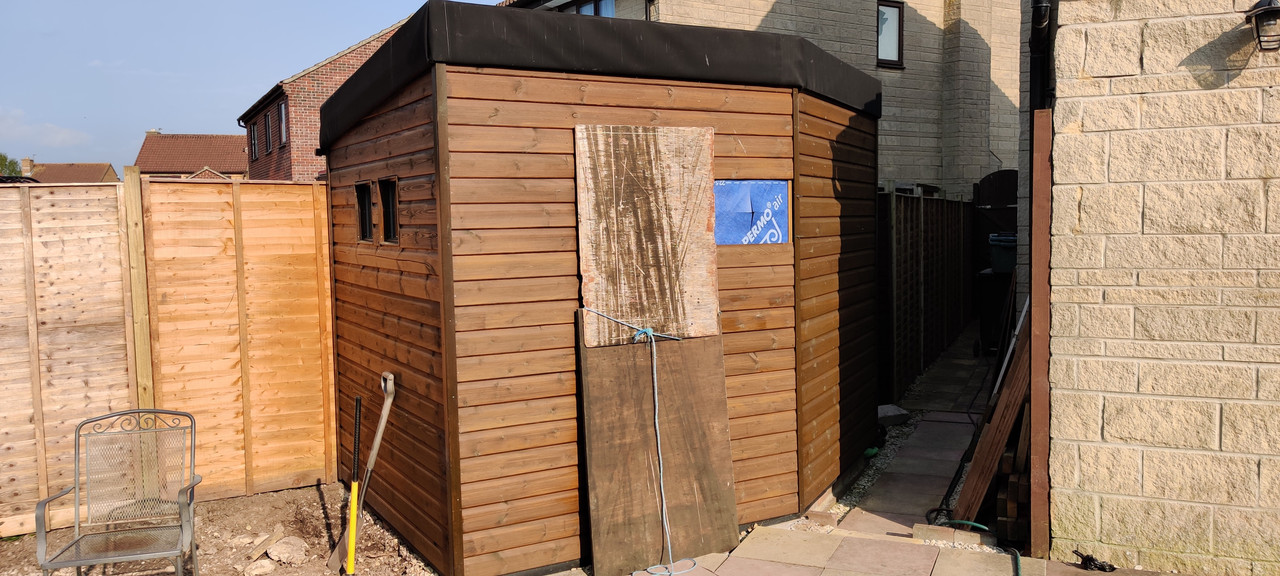
An 18v impact would have been overkill for much of the work.
You are right, philips were designed to cam out rather than over torque for use with early mechanical drivers on assembly lines. Getting on for 100 years ago which is pretty impressive. Of course they have their place, like all things, but for me at least, they have no place in modern general construction, with modern tools as they aren't suitable by design.
Some people aren't aware of the difference between phillips and pozi. Let alone Torx. Was just wanting to give people an awareness of something perhaps more useful as camming out was mentioned, and not in a useful way.
Interesting to note that drywall/plasterboard screws are still Phillips, no doubt for the fact that they do cam out, which is useful in that scenario.
Everyday is a school day. I still enjoy that.