Choose your float: 0°, 10° or 20°. Retrofittable to all DT Ratchet DEG rear hubs too.
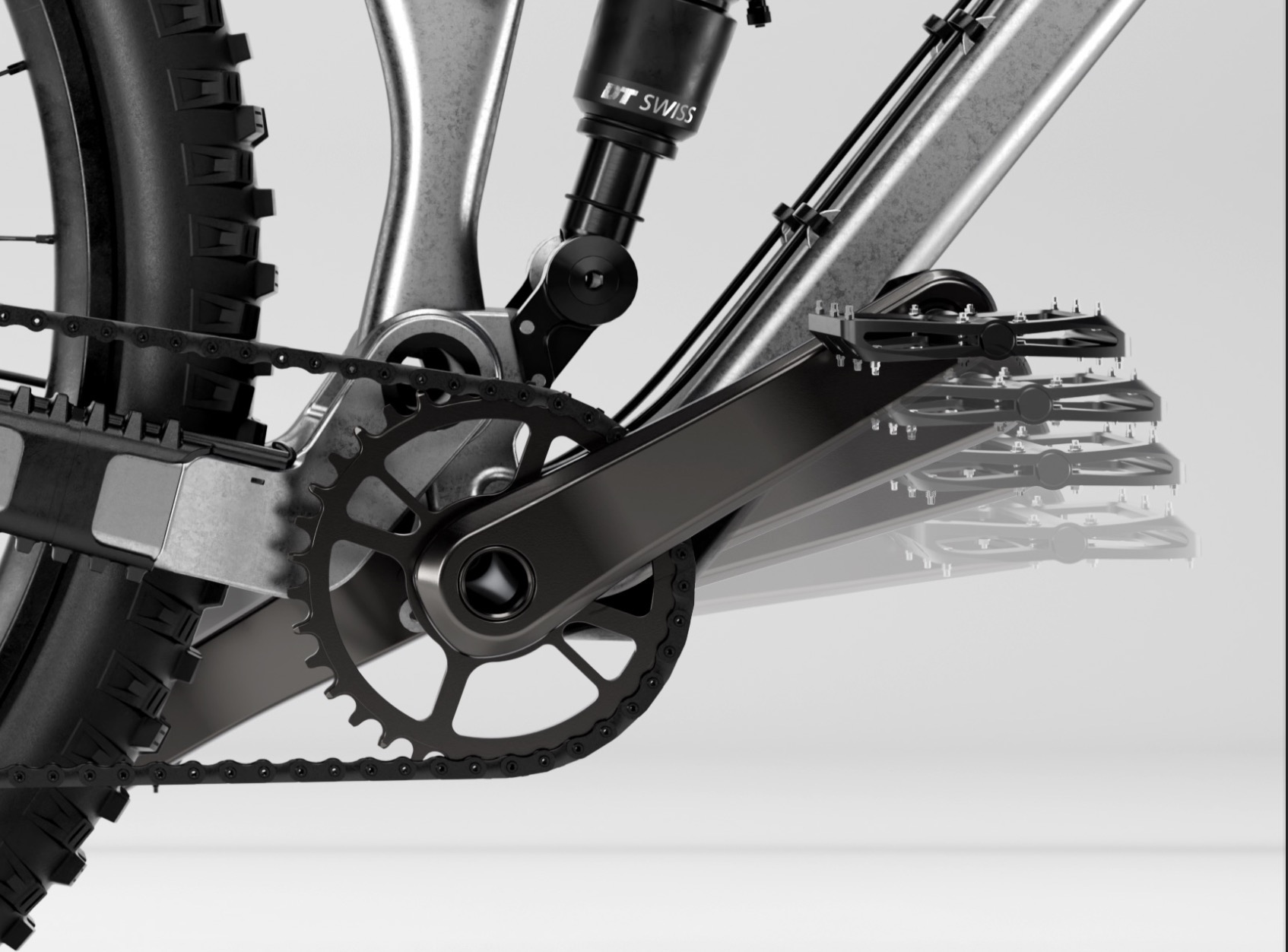
Essentially this new thing-ummybob can adjust how quickly your freehub engages. It’s only for DEG flavoured DT rear hubs (it is retrofittable though, which is nice.
With this new DF (Degrees Of Freedom) design, there’s three settings to choose from: 0°, 10° or 20°. Technically you should add the amount of engagement that exists in the DEG hub design also ie. up to 4° (for the 90T ratchet system).

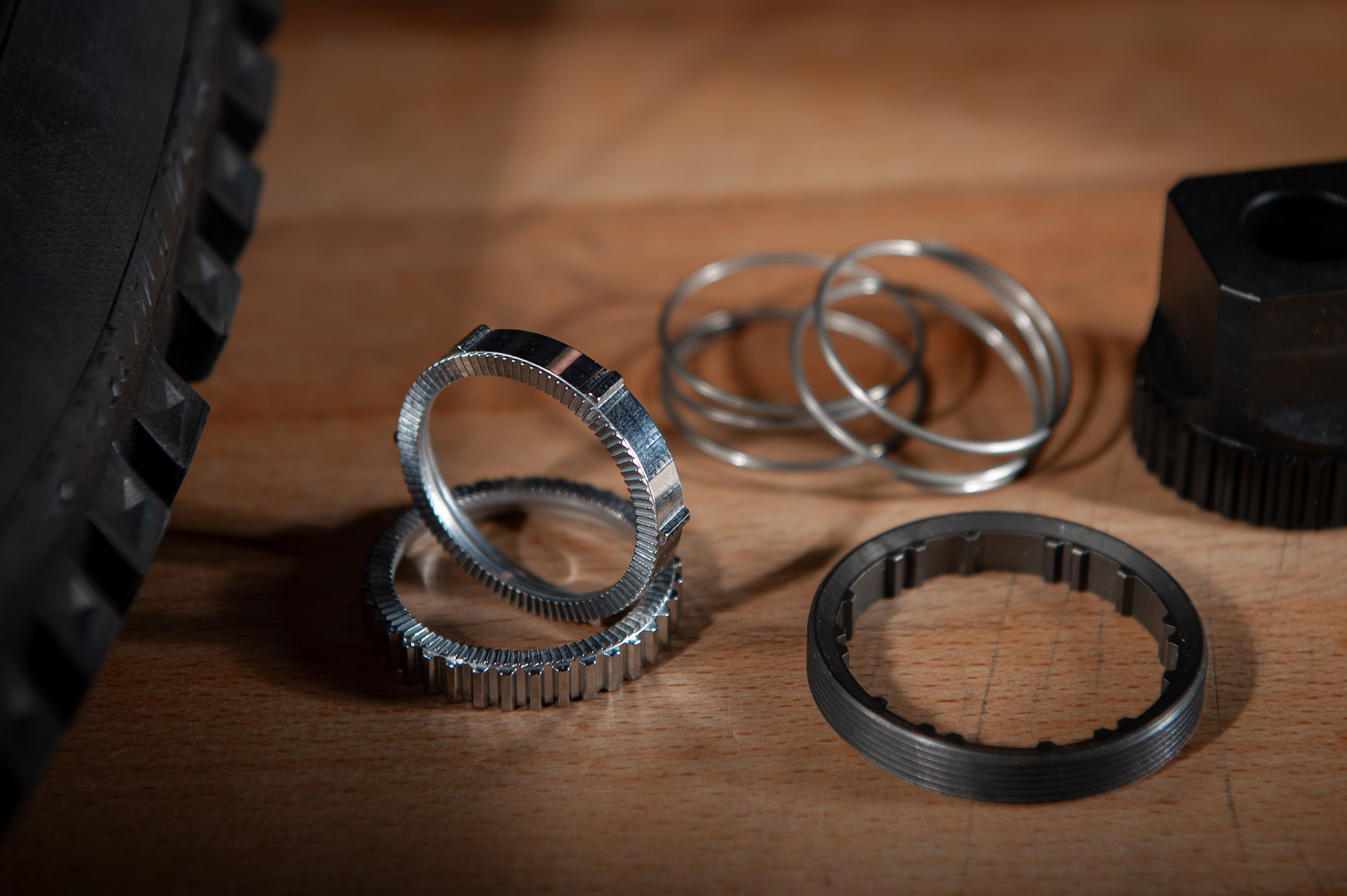
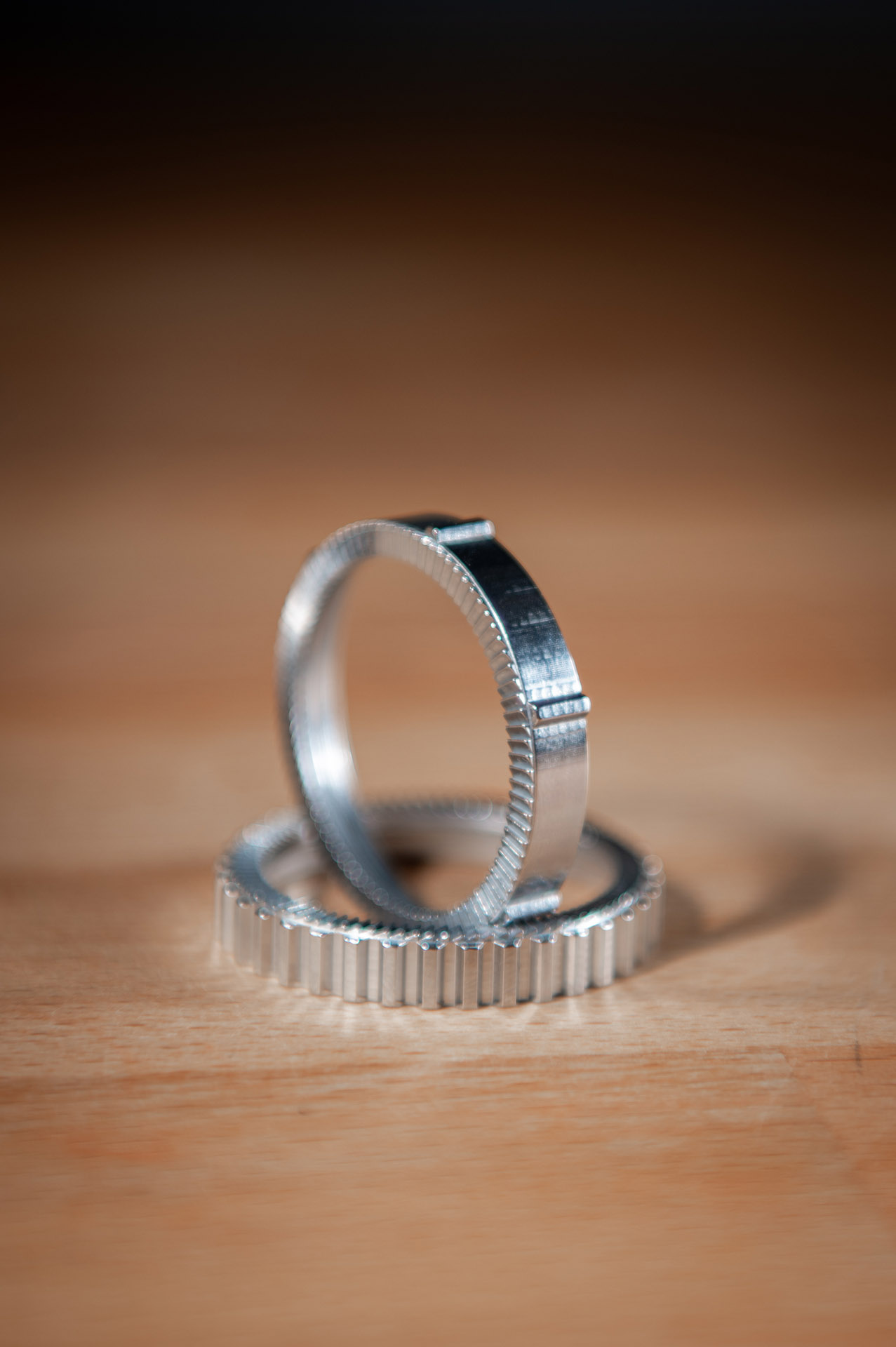
The key thing to note there is the words “up to”. With any engagement there is a window of potential when it comes to when the system engages. On DT DEG hubs the freehub can engage anywhere between 0° and 4°.
This is why the new DF ‘engagement float’ design is different to just using a hub with a slow engaging freehub (say, freehub with 10° of engagement); sometimes this ‘slow’ hub pickup will engage after 1° of crank turn (for argument’s sake), other times it will take the full 10° of crank turn before the system engages. It varies. It depends where the pawls/teeth are at any one time.
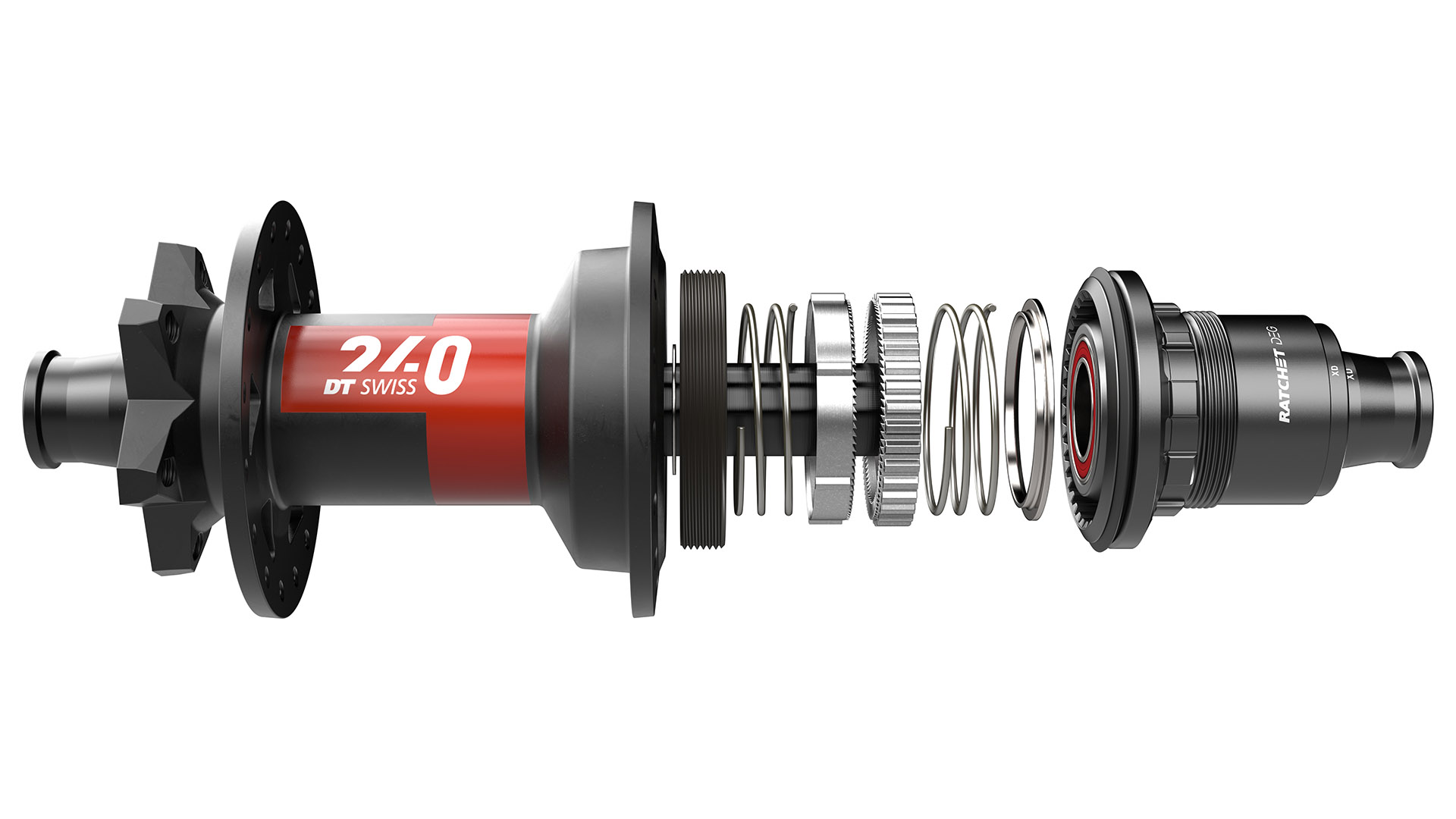

The idea of this new DF design is to offer more consistently ‘slow’ engagement; like a slow freehub that always uses its full float/freestroke of freehub rotation before engaging.
Why? The theory is to ‘free up’ the top length of chain that connects the chainring to the rear cassette, or to put it another way, to ‘free up’ your feet from the rear axle. The theory being that this reduces the effect of the drivetrain upon the rear suspension’s freedom of movement.
In this regard, the DT Swiss DF system is similar to the Sidekick hub from e-thirteen. And it just as simple and easy to adjust too. To swap between quickest pick-up (‘0°’) for when the terrain/course requires such, to the most floaty setting (’20°’) for gravity-centric days, or to the middle setting (’10°) for somewhere in between, it’s a five minute job with the only tool required being an Allen key to remove the rear wheels from the frame.
There was (briefly) an excellent video on DT Swiss’ YouTube channel explaining the DF installation and adjustment but it’s been ‘hidden’ now. Hopefully it will return now that the embargo time is up.
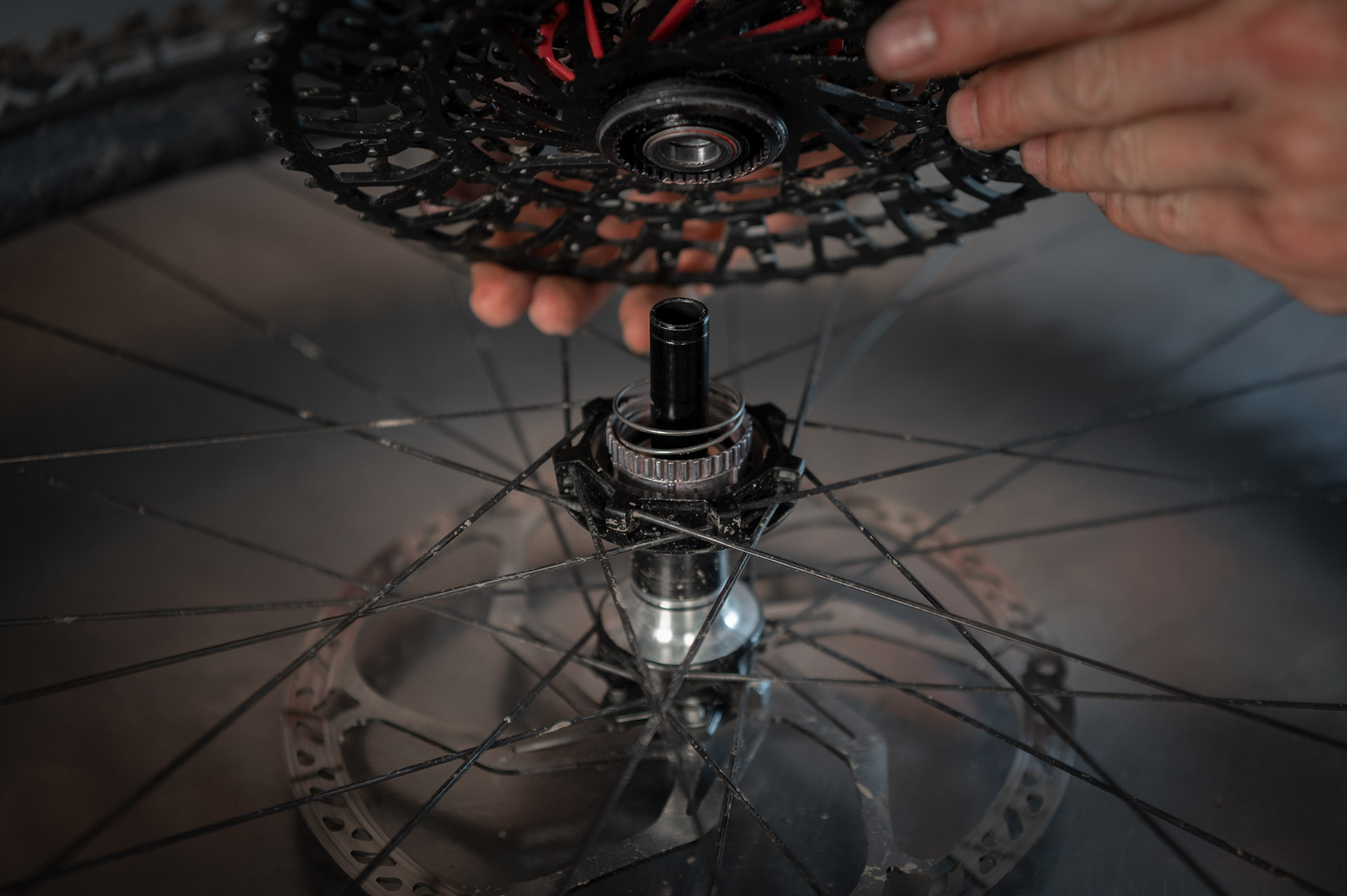
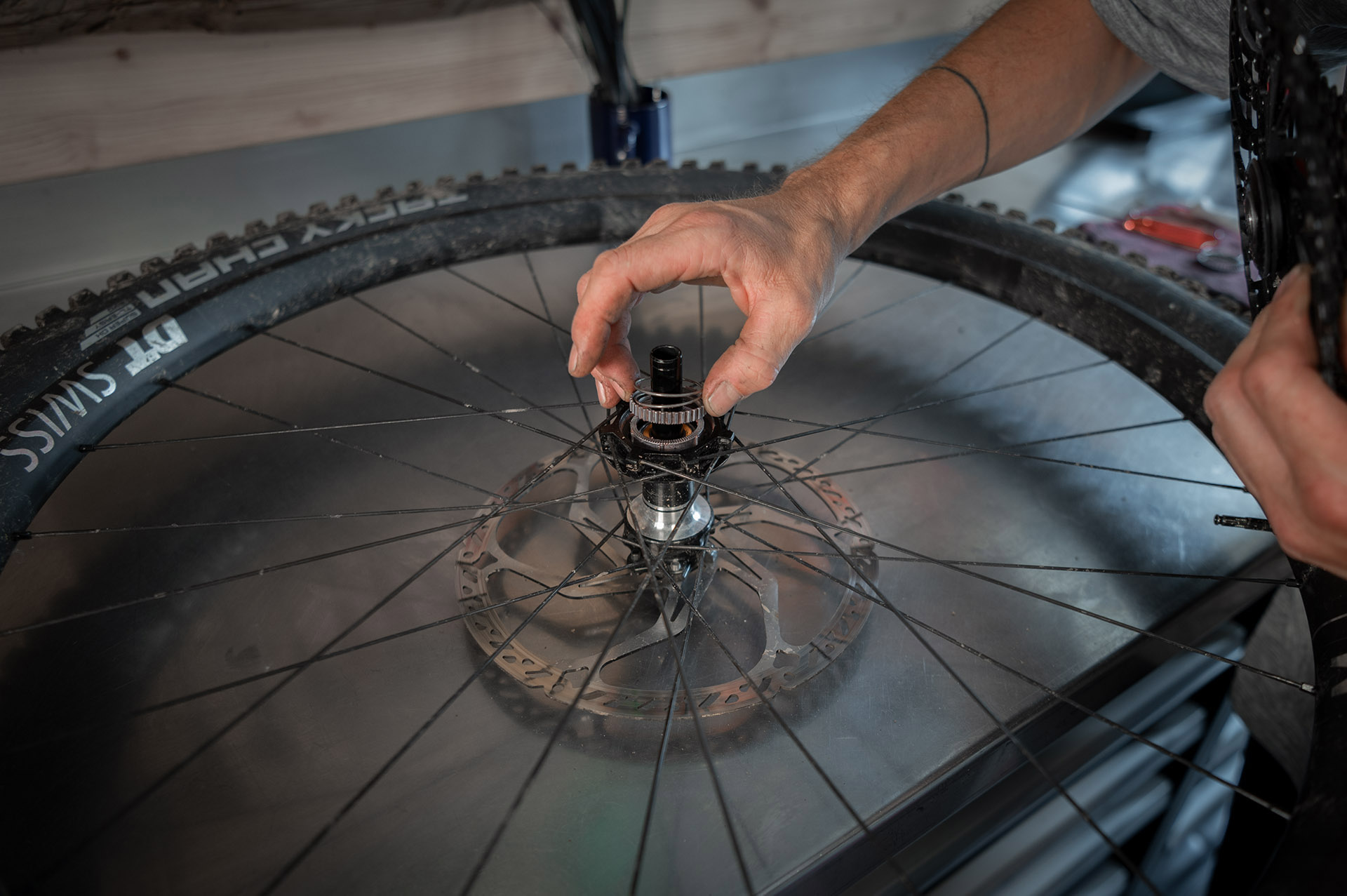
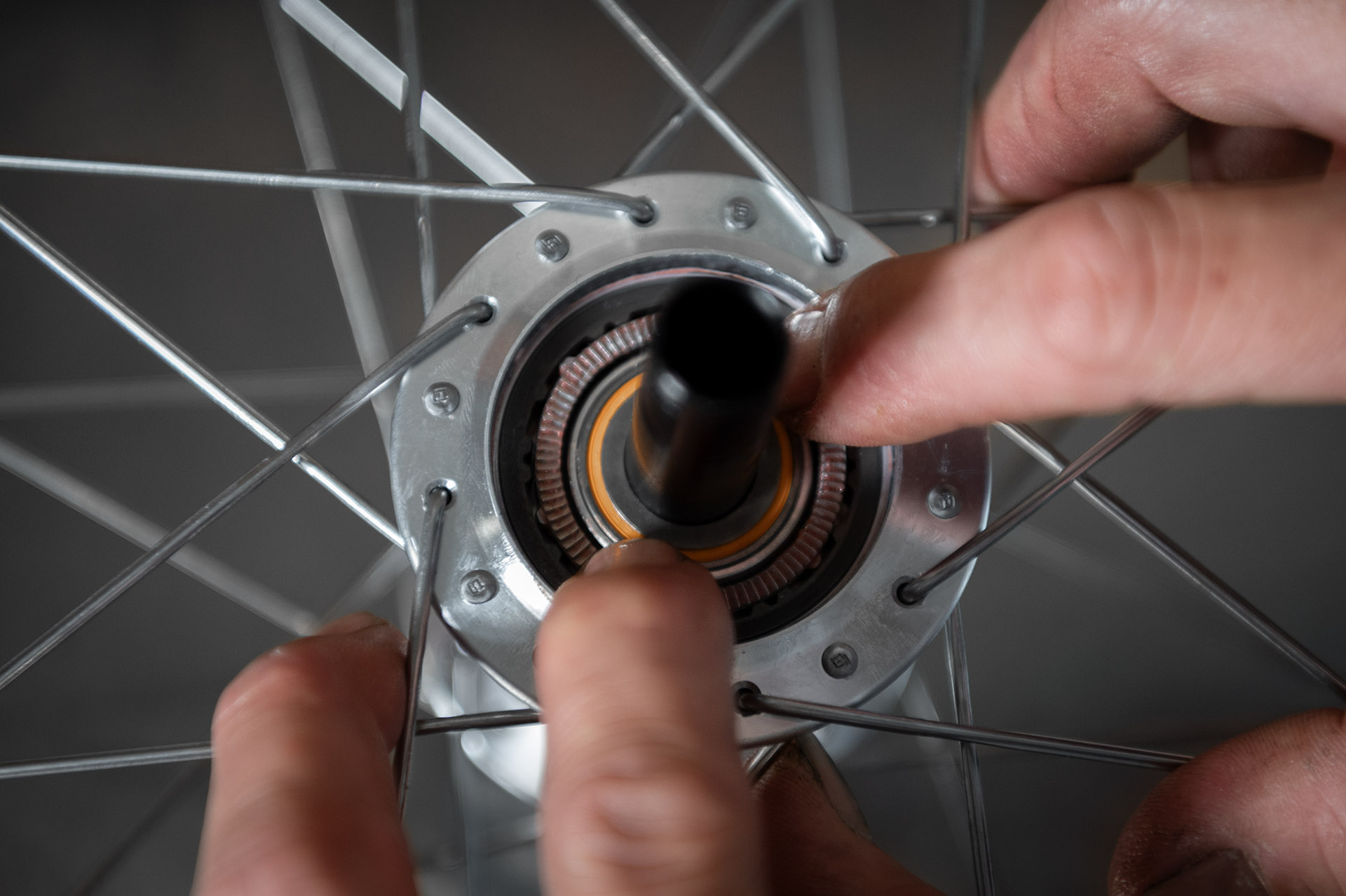
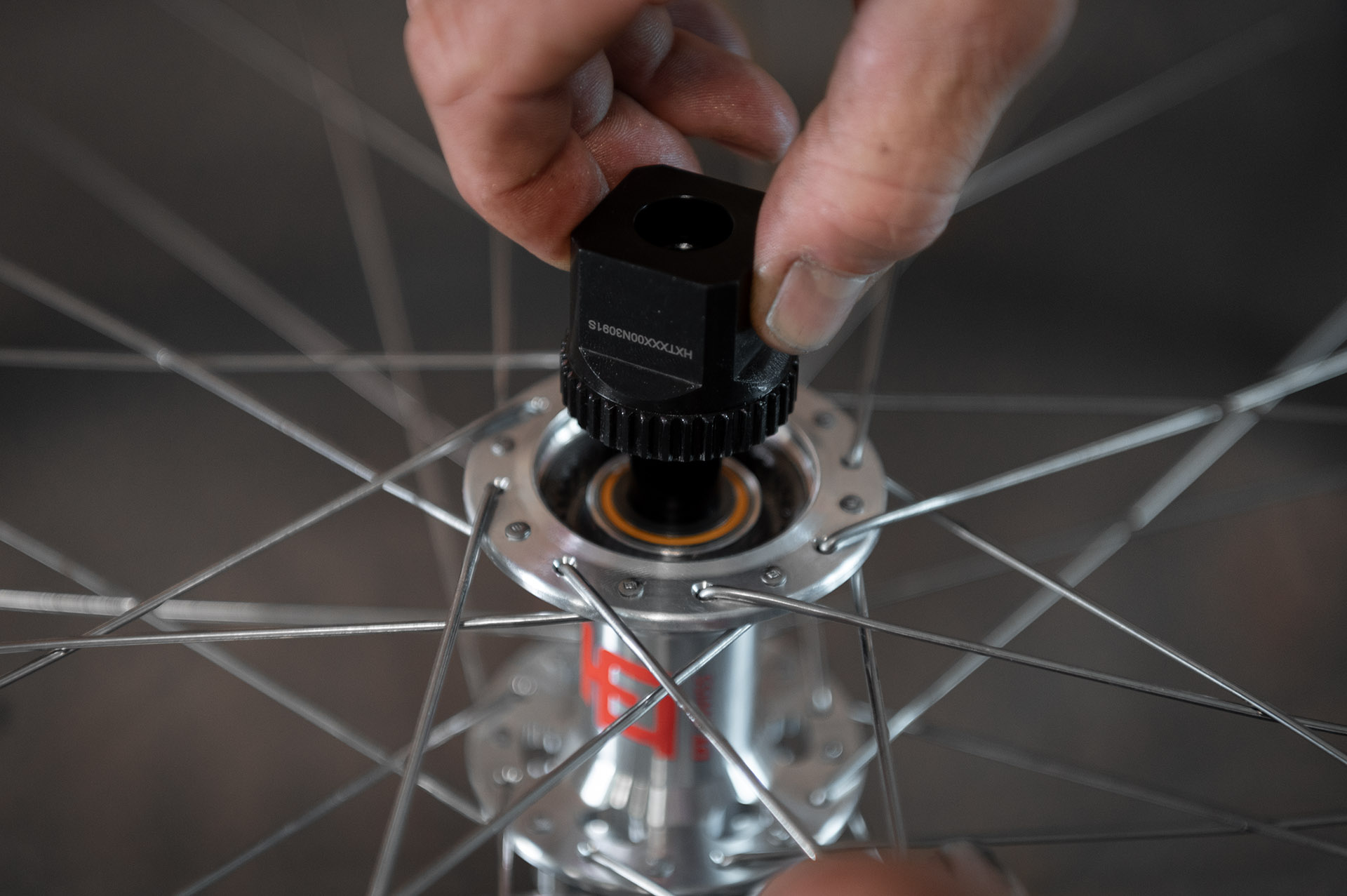
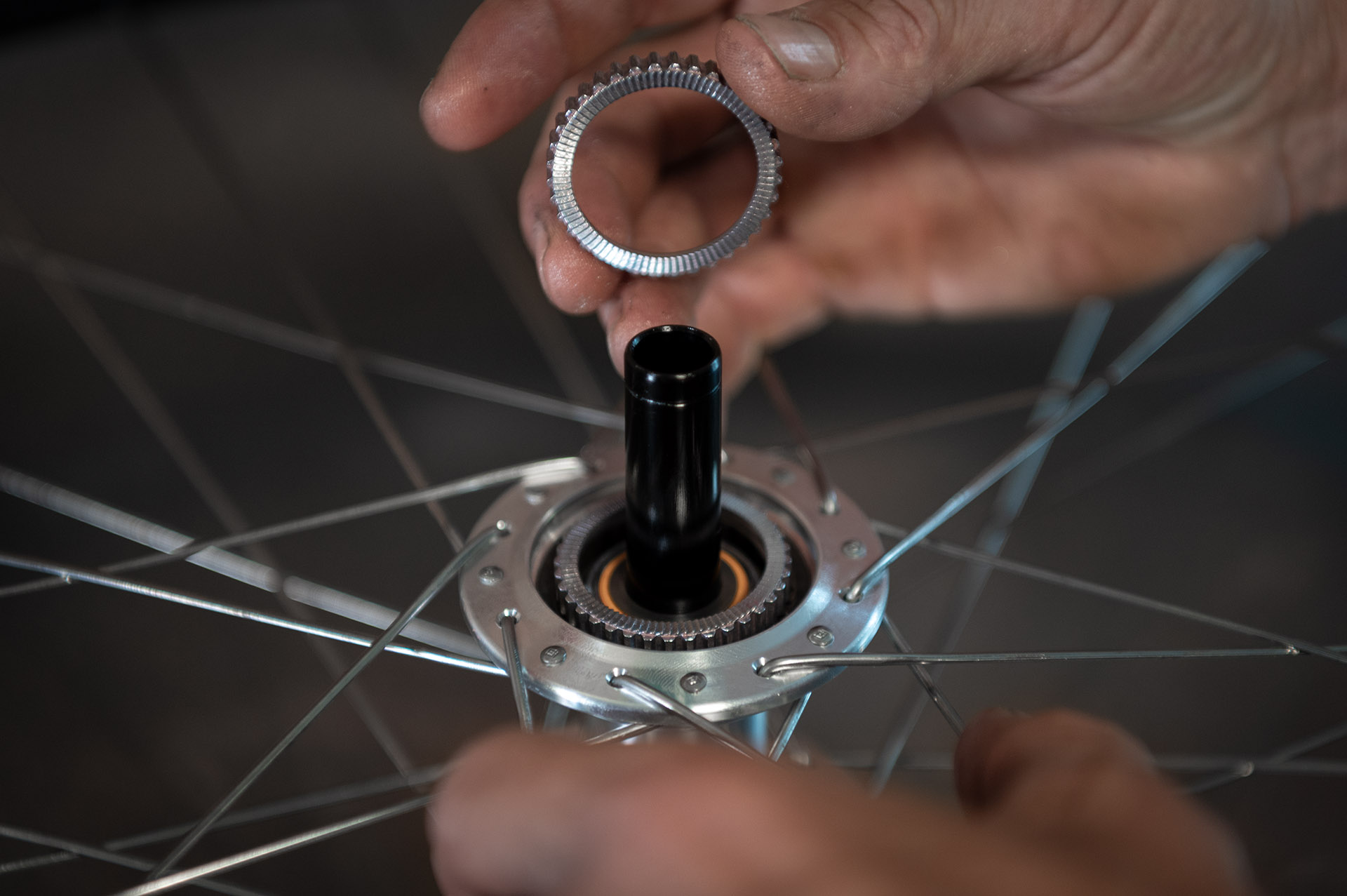
When you stop pedalling, the drag in the system resets things. There are no additionals components (springs, elastomers etc). “To reset the DF system … it’s simply the rotation of the wheel during freewheeling and the drag from the pressure of the springs on the ratchets that forces the DF system
backwards into reset or disengaged mode.”
What the new DT Swiss DF system is not, is a chain damper. So it’s not the same thing as an O-Chain or a Rimpact Chain Damper. Those devices are designed to calm down ‘chain flail’ (the chain bouncing around and effecting the suspension and/or bike’s feel) as well as reduce pedal-kickback. Such devices also ‘soften’ the moment of drivetrain engagement when you do go to pedal. The new DT Swiss DF system – like the e-thirteen Sidekick – will have a ‘hard’ start/engagement.
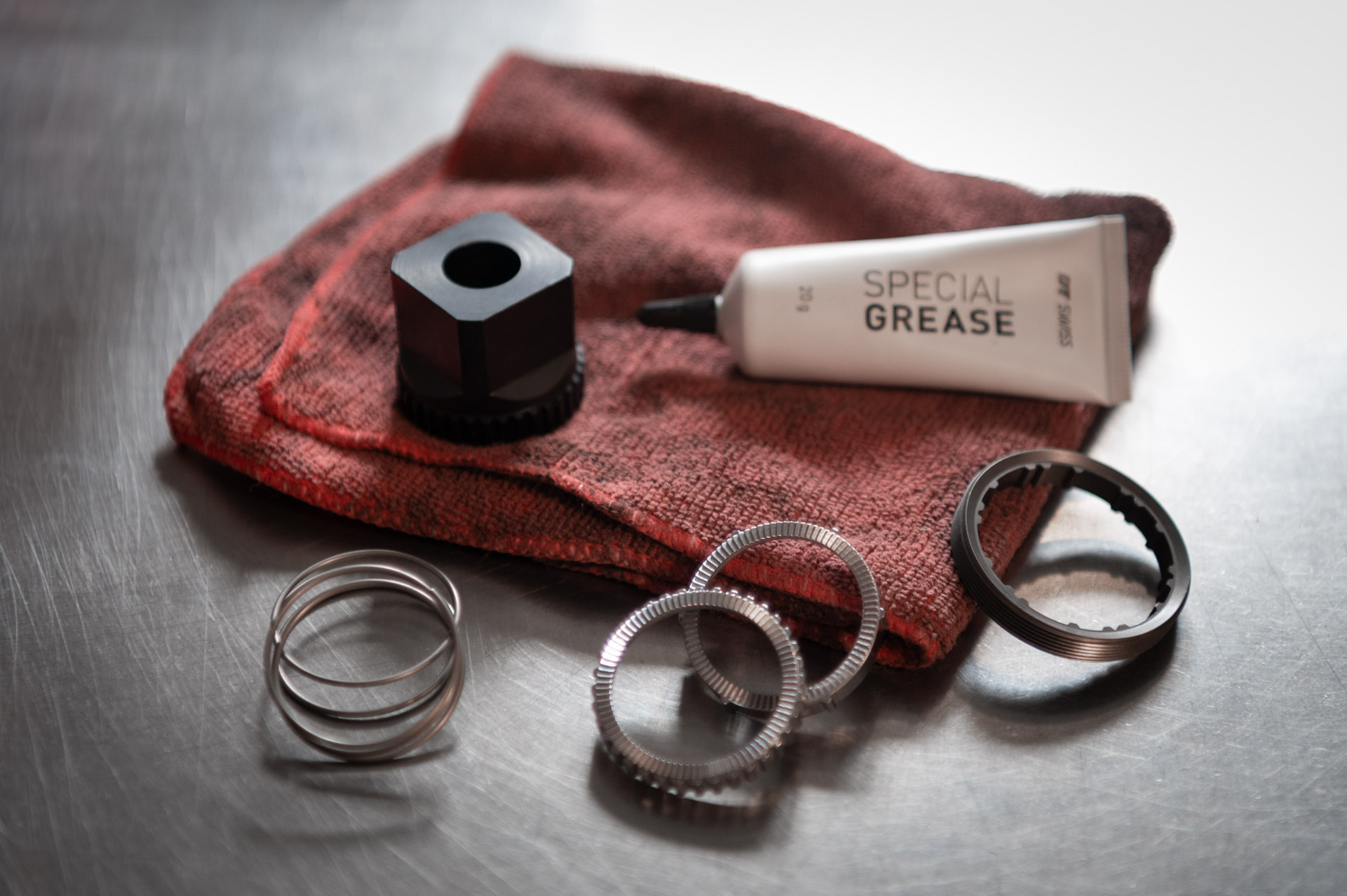
So yeah, this is not quite the same as a much more expensive O-Chain/Rimpact system, but it is a cool thing to see from DT Swiss. It’s a bit cheaper (€129.00), simpler, lighter, easy to adjust and retro-fittable.
Anyway, we’ve got hold of a DT Swiss DF and will be installing it into a DT DEG rear wheel and giving it a thorough testing. Watch this space…

This is something that’s VERY much being discussed in my head at the moment.
I’m struggling to find a DT Swiss hub that’s not an ‘upgrade’ version but a whole hub, we don’t have and DT Swiss hubs to upgrade. The E-Thirteen Sidekick seems to be about £400 for a hub… but really i’d need at least 2..
Starting to see hubs bundled with the upgrade (and the tool), not seeing DF hubs though
https://www.bike-components.de/en/DT-Swiss/240-DEG-Boost-Disc-6-bolt-rear-hub-DF-Upgrade-Set-p224702/?v=56678-black
Are we still talking about feedback mitigation? Because this sounds like general ‘old man yells at sky’ stuff.
Saw a fair few on bikes this summer in Italy…. Certainly enough of them that I had to ask what is was for.
The O-Chain has been sold to Sram so it’s off my list of preferential things to have. Not keen on the idea of elastomers inside the O-Chain, either. How long they going to last?
I’ve received my Rimpact and it comes with a spare set of elastomers (it uses steel springs and elastomers) so you’re probably right if you think the elastomers are a bit of a consumable. Their inclusion suggests to me they aren’t expected to last as long as a chain ring. I’m fine with this given the intended use, just a little extra maintenance.
Has it? I was just speculating I’ve not started an untrue rumour have I?
Edit: Wow what a guess!
As I don’t know what it feels like could someone tell me if my bike is likely to generate much pedal kick back? It’s a Revel Rascal.
My hub is a 350 with the 36t/10deg thing, if that also makes a difference…
Go to a rocky descent and ride it a few times then take your chain off and do it again. See if you can feel what’s missing.
There’s a very good interview with the engineer who designed O-chain available on the downtime mtb podcast
He argues it’s much better to have this type of system on the crank as it isolates the rest of the drivetrain. He also points out that a hub -based system will feel different for every sprocket. And it’ll feel ‘slackest’ in the big climbing sprocket, and be least effective in the smaller descending sprockets, which is kind of the opposite to what you want
He also mentions a 75hr service life for the elastomers
@Rubber_Buccaneer are those elastomers spares or different durometer(?) options?
Spares. Most of the work is done by the steel springs of which there is a lighter ‘trail’ option available but not supplied with the device. If you have one to test and are finding it unpleasant to pedal you may like to investigate this option with Rimpact
Just ordered one of these, well a new whole wheel and upgraded hub. It’s a bit messy as you can’t buy the hub in a 157 and HG, so you need an XD then a freehub in HG and then swap the bits over and upgrade to the DF system