UPDATE: CLASSIFIEDS section refreshed, redesigned, searchable: Go take a look
[i]Of course, different woods behave differently
Probably doesnt help that all my “furniture” is made of CLS, cheaper than cheap white wood.[/i]
I am claiming that excuse too. All mine is taken from the scrap bin at the local wood mill and most starts of looking like the stuff below before I take it to the table saw. None of this buying fine wood for a poor bodger like me.
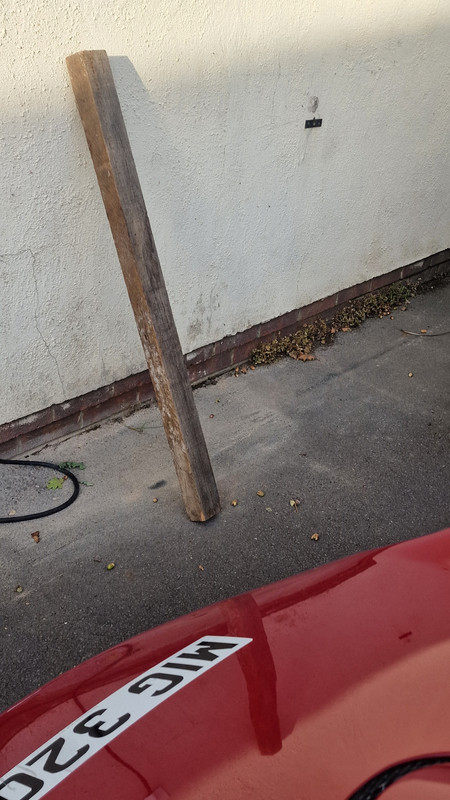
CLS isn't great, but what I think it is actually good for, is beginners. Because as well as being cheap, it's actually quite tricky to make anything decent from it. It's easy to cut and shape, but the inevitable twists, warps and splits that occur present a good challenge. It's hard to cut nice crisp clean dovetails with it, for example. But that can help hone skills; if you can make something useable with CLS, then moving to more expensive woods can actually be quite refreshing. Think of it as the hill you need to climb, before you can enjoy the descent.
And watch out for that ****ing resin. Gets everywhere, super sticky horrible stuff, gums up tools and machines, it's a bastard.
All mine is taken from the scrap bin at the local wood mill and most starts of looking like the stuff below before I take it to the table saw. None of this buying fine wood for a poor bodger like me.
Using stuff like that is fine. See if you've got any wood reclamation yards near you; I used to live near one, and it was a great source of stuff like little bits of Teak, Oak and even Mahogany. A lot of it came from old railway carriages that had been stripped for scrap. Boatyards can be another source of small pieces. Some woods, such as proper Mahogany, you can't get 'new' any more, so reclaimed stuff is pretty much you only source. But use the cheap free stuff to practice with; most people, myself included, start out by wanting to 'build something', but learning the basics, such as good sawing technique, is invaluable if you want to be able to make stuff that's decent and looks good. That piece you've got there looks like a great planing practice piece. Give it a thorough check for any nails, screws, staples or other foreign bodies that can really ruin your tools though. There's a reason most timber yards won't even consider planing/jointing up anything other than 'new' wood.
Our local reclaim yard basically just has scaffold planks, broken down pallet wood and a few other odds and sods. I have been a dozen times and only found one or two pieces worth having and then they decide to charge retail prices for it.
I have a cheap and already knackered electric plane that I can use to take the outside surfaces of the stuff I do get. this generally removed the grit and surface stones and exposes any screws and nails that I missed when looking. All more time consuming but the wood is close to free so I can't really complain.
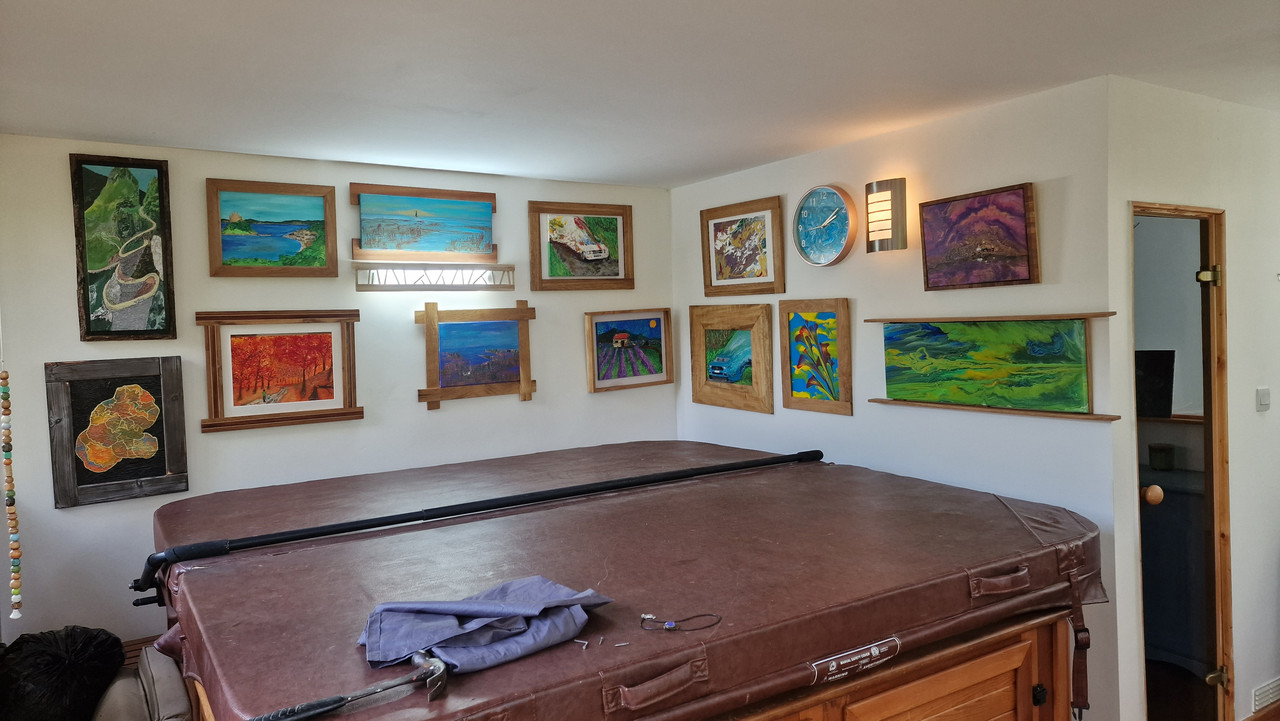
The wood for all of these frames and both of the shelves and the table has cost me £45 so good for learning and making.

I can admire the skill involved, but again, that’s into that intense anal level that is way beyond any practicality. A nice dovetail looks good and serves a practical purpose. That above is just madness.
Oh yeah totally. In industry unless you're self employed and commanding £30k for a cabinet of exotic timbers you have to make money based on a time/cost/hourly rate type of set up, and extreme joints like that would take too long to complete that you wouldn't actually be able to make a living at it.
For retired folk or when you're at college and utterly mad with it.
I like WCA's stuff because its simple and practical. And theres always a chance of some provided excitement in the form of a bloody accident to raise the eyebrows and tut at 😆
I like Matt Estlea, because although he's quite young, he has a pretty down to earth, relaxed and realistic approach to things, and his tool reviews seem pretty honest and objective. And for those wondering why one would pay many times for a tool over a cheap one, this is a great video:
TL;DW: it took him many hours of hard work, involving a lot of experience and knowledge, to get it anywhere near a decent plane. And even at his very reasonable £30ph rate, it still ended up costing not far off what a top quality plane would cost. And is still a bit crap. There's nothing wrong with cheap tools (well, maybe this one is to be avoided!), and a bad workman and all that, but there's a reason why good tools cost money, not least the bit about them not being made with exploited labour etc. I started out using cheap tools, like most people, and yes, sometimes you can get a cheap tool to perform extremely well, but as the OP of this thread has learned, moving up to better tools makes a big difference.
The wood for all of these frames and both of the shelves and the table has cost me £45 so good for learning and making.
Money well spent! You simply can't put a price on learning a skill.

