UPDATE: Reviews section refreshed, redesigned, searchable: Go take a look
I know I'm in an outlier here (because we've discussed this in another thread), but even as a teacher of photography I very rarely use my 'big' camera or any of my film cameras (except for my Instax).
I love the limitations of less 'serious' cameras and the digital artifacts they create when you push them outside of their intended use envelope. I buy and use cheap compacts and older camera phones precisely because of their weaknesses. And cheap clip on phone lenses are a whole new world of wonder for me.
To answer the OP question before the thread descends further into arty fattiness, if you're going to get a camera from the catalogue just go for the one you will actually carry and use for what you want to do. From those you've mentioned I'd go for the Sony.
Thanks for all the comments. It been a really interesting discussion. Depending on what happens with my job will probably determine what I do. If I don’t get the new job I’ll probably take the cash and buy a new go pro and a fénix 6 ( don’t tell the wife). If I get the job there no point getting the cash as I’d end up with about £400 from the £1200 so I’ll get the A6400 and a nice spotting scope and sell the A6400 to buy the go pro and the Fenix plus I think I can upgrade to iPhone 13 pro ( don’t want the max).
I think I should just get the best out of the phone I have as that what I’ll always have it with me.
I reflected that I had the DSLR with a nice lens and stopped using it, then I had the RX100 and didn’t notice I’d lost it. I should probably stick to using my phone.
I’ll get another chance to get a camera in 5 years if I make 30 years I’ll be closer to retirement when I can learn how to use a camera properly.
OP there are some decent iPhone 12 photo tips on the TechZG channel
I don’t want to take over this thread, so will shush soon. This one is a bit more ‘natural’, but still – aint no phone going to be taking that.
I would have said that 5 years ago. But smartphones has shot forward since then. Especially with the advent of Apple ProRAW format which contains more information than a classic RAW file
Dynamic range?
https://twitter.com/halidecamera/status/1338198533900419076
I’d recommend having a nosey at Alessandro Michelazzi’s blog and portfolio eg:

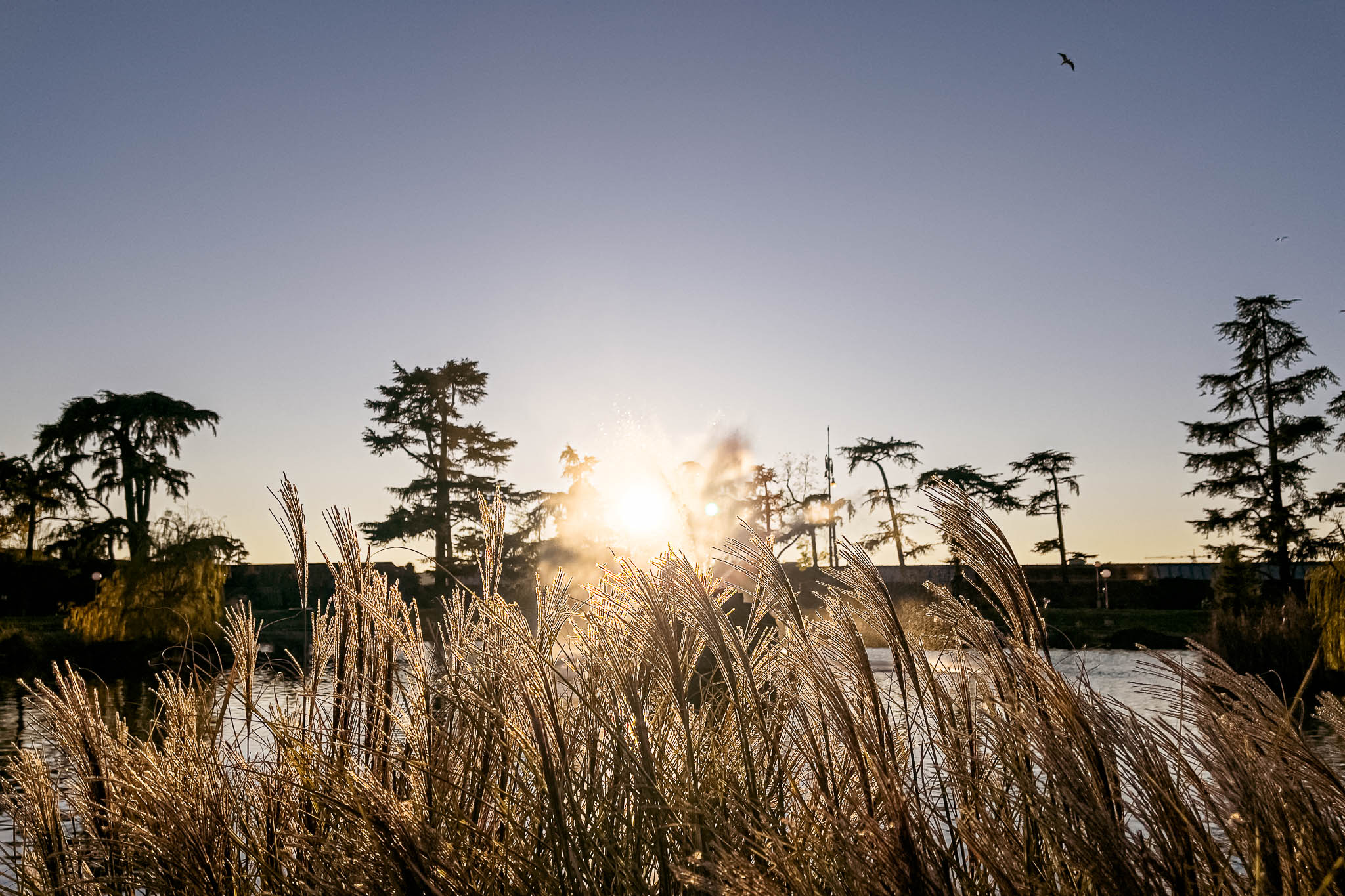
Here’s (IMO) an interesting low light subject shot on an iPhone 13 Pro from the talented Sebastiaan de With (designer of Halide):

I hope that he doesn’t mind me running it through an BW filter just to get the idea:

These people are changing what is possible in truly pocketable form. IME it’s a very exciting time to be getting into phone cameras.
I’m not saying it’s a great photo, but I don’t think you’d get the dynamic range from a phone sensor
Don't need to - it can take a load of photos and combine them, just one of their many tricks.
@molgrips exactly.
I nearly squeezed out some geek-wee upon first reading about ProRaw (mmmmm) and the iPhone Pro’s four (squeeeee!) onboard cameras)
ProRaw "provides many of the benefits of our multi-frame image processing and computational photography, like Deep Fusion and Smart HDR, and combines them with the depth and flexibility of a raw format…
…In order to achieve this, we constructed a new pipeline that takes components of the processing we do in our CPU, GPU, ISP and neural engine, and combines them into a new deep image file, computed at the time of capture, without any shutter delay. And we do this for all four cameras, dynamically adapting for various scenes while maintaining our intuitive camera experience."
So ProRAW for iPhone 12 Pro delivers 12-bit DNG files with 14 stops of dynamic range better than the (£4k) Canon EOS R5!
The below review has interactive slidey comparey fun. Weeee! Ahem.
https://fstoppers.com/reviews/5000-pro-camera-vs-iphone-13-pro-can-see-difference-583063
OK, so phones have come along a bit!!!!
*considers getting an iPhone 13 Pro Max (diehard Android user)
yeah, Apple literally spend billions of dollars a year in R&D to make sure their phones are better at taking pretty much the exact sort of photos you want to take! (plus the portraits are pretty good too!)OK, so phones have come along a bit!!!!
Unless you actually need a zoom or specialist lens there's just no contest IMO, the convenience factor alone makes them infinitely Better vs a dedicated camera (I own an SLR but couldn't even tell you where it is 🤣)
Apple literally spend billions of dollars a year in R&D to make sure their phones are better at taking pretty much the exact sort of photos you want to take!
It's still just a phone.
It’s still just a phone.
Clearly not. A phone can only be used for voice calls...
I do actually remember being blown away when I first got a phone with a half decent camera tbf - this was whatever iteration of Galaxy Note was kicking about in 2015. Pretty boring composition, but impressed with the detail
[url= https://live.staticflickr.com/5693/20672384114_c9d4c9faae_b.jp g" target="_blank">https://live.staticflickr.com/5693/20672384114_c9d4c9faae_b.jp g"/> [/img][/url][url= https://flic.kr/p/xuKnzL ]2015-09-10_01-27-37[/url] by [url= https://www.flickr.com/photos/85252658@N05/ ]davetheblade[/url], on Flickr
Unless you actually need a zoom or specialist lens or to make large exhibition prints, or shoot sports, or are a pernickety pixel-peeper, or enjoy using physical controls and OVF/EVF, or things like that - there’s just no contest IMO
For me a pocket camera phone is just another tool. And a very handy one at that. I also have a Victorinox Swiss Champ multitool and (not being a professional mechanic or handyman etc) it’s better and quicker to carry and use than some of my dedicated knives and tools in many/most situations. But not all.
However, I rely on camera as a creative tool for more than a hobby, just as others may rely on a power-saw. A power-saw can’t compete with a handsaw in many situations, so both are kept. They are only saws, at the end of the day. No contest.
TL;DR - it all depends, dunnit?
if you say so, can't honestly say I ever have either a handsaw or a power-saw about my person [I]just in case[/I]. I do almost always have my iPhone though, which is great for spur-of-the-moment snaps! (Less good for cutting wood, possibly just don't have the right app though?) 😃it all depends, dunnit?
I really enjoy these threads, I can't say I am much of a photographer - I did O level photography over 35 years ago but these days I just like taking pictures of holidays and trips away. A couple of years ago I finally sold my 35mm slr and went digital, it was a bit of a dilemma as I was very tempted just to get a pixel phone but in the end I bought a Fuji XF10 from their refurb shop at a price you couldn't refuse. It takes a beautiful image, it has a big sensor, the film simulations are lovely, but ultimately it is not a lot of fun compared to my old film slr. By comparison I really enjoy shooting with the phone, there is something quite exciting about point and shoot with it and then reviewing at home - a sort of pot luck, a David Bailey 'splash of red paint' kind of thing.
In many ways the lack of a viewfinder is a hindrance and also an asset - taking pictures is less obtrusive and you often end up with a detail in the picture that you would have moved out of frame if you could see it in the viewfinder. A good picture is a good picture, regardless of the equipment, and I try not to worry about whether it'll look good in poster size. After all, there's only so much space on my walls and for me, what I feel when I look at a photo is more important than the pixel count.
Of course Henri Cartier-Bresson said this, worth remembering -
'Constant new discoveries in chemistry and optics are widening considerably our field of action. It is up to us to apply them to our technique, to improve ourselves, but there is a whole group of fetishes which have developed on the subject of technique. Technique is important only insofar as you must master it in order to communicate what you see... The camera for us is a tool, not a pretty mechanical toy. In the precise functioning of the mechanical object perhaps there is an unconscious compensation for the anxieties and uncertainties of daily endeavor. In any case, people think far too much about techniques and not enough about seeing'
Maybe too late for your deliberations, but I’m still using a LUMIX G80, and still rate it for stills and video. Panasonic’s picture quality and video output are really good. Downside is that their autofocus system was a bit weaker than some of their contemporaries at that point - absolutely fine for landscapes, posed photos, but can struggle a bit with fast moving stuff like sports photography. Lenses - I tend to use either a Leica 12-60mm (Panasonic version is good too) or the 14-42mm kit lens from my old GX1.
G80 doesn’t connect to phone via Bluetooth, but will transfer files via wifi, which I often tweak on an iPhone for stuff like Instagram.
I was originally recommended the G80 by a couple of mates who work professionally in video production, and one of them is still happily using his for b-roll work.
Should also mention the body is weatherproof, which is handy for using outdoors
Good quote @kormoran.
I do rather enjoy photography as an actual passtime, I did it for a while and I thought I'd begun to gain some insights into it as an art form, when I'm not really much of an artist. But like many things I would enjoy, I just can't fit them all in.
Clearly not. A phone can only be used for voice calls…
If I gaffer tape a camera to my home home phone it's still just a phone but now with a camera strapped to it. The camera phone is just like this. Unwieldy I'm use and massively limited.
There isn't a photograph I've taken that I would ever want to see the light of day that I could have taken on my phone.
If I gaffer tape a camera to my home home phone it’s still just a phone but now with a camera strapped to it. The camera phone is just like this. Unwieldy I’m use and massively limited.
There isn’t a photograph I’ve taken that I would ever want to see the light of day that I could have taken on my phone.
Yeah, great comparison. You would also need to strap a sat nav, an internet browser, an MP3 player etc, etc,. to your home phone. Modern smartphone are fantastic and the cameras and processing in them are amazing.
Most of us seem to be happy with the images we get from our camera phones.
I don't find them unwieldy (the opposite in fact) or massively limited at all and have taken loads of photos with my phone that would be no different if I had been carrying around a DSLR but then I am a casual photographer who just looks at their images on a computer screen.
Yeah, great comparison
You're right, it was an obtuse comparison but it was deliberately so to highlight the point, which is that even though a phone is small and light, from a photographic perspective, I (and many others) find the ergonomics dreadful. The lack of a view finder is the most obvious limiting factor but shutter lag is perhaps the biggest issue as is the lack of any kind of dial based/intuitive manual control. For point and shoot of anything that isn’t moving and is all in the correct FOV for your focal length or doesn’t require a very considered and finally timed ‘moment’, they work really well. Which is why they are just fine for people who are only interested in taking snaps rather than pursuing photography in a focused or artistic way.
I was with you right up to the end, but a quick search online would show that there are plenty of people “pursuing photography in a focused or artistic way” with a phone camera. Just as there are people doing the same with DSLRs, film cameras, old instamatics and anything that can make an image really. It’s all just art and just because somebody chooses a different tool doesn’t make them any less serious or their art any less valid.
I was interested to read the comments about the phone vs a Fuji XT10 above as I have the same camera and much prefer it to my phone. But we are all different and that’s all part of the fun.
Which is why they are just fine for people who are only interested in taking snaps rather than pursuing photography in a focused or artistic way.
Must try not to bite...
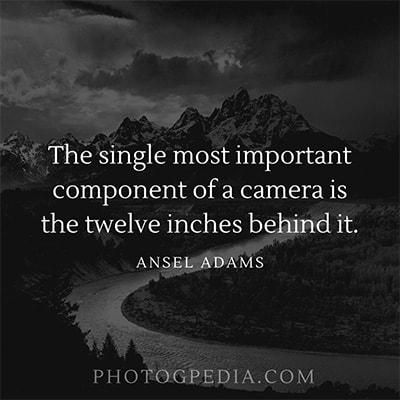

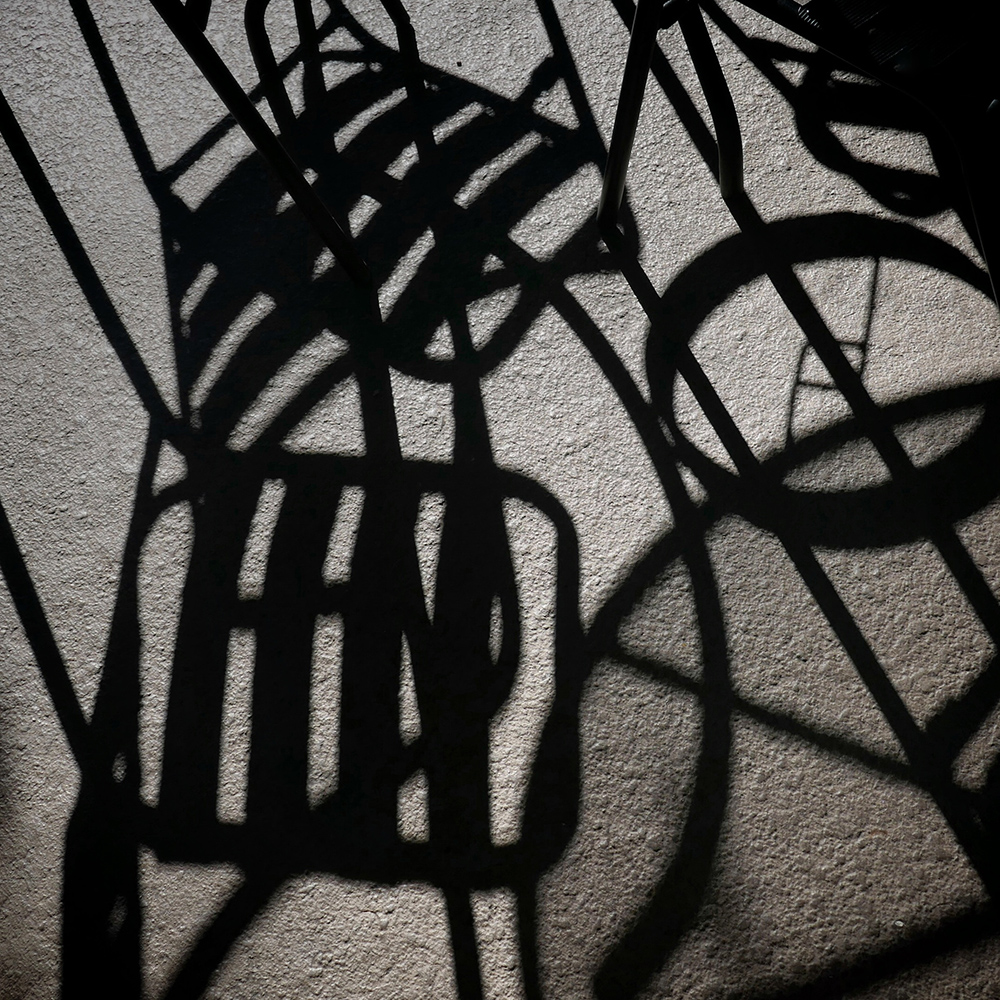
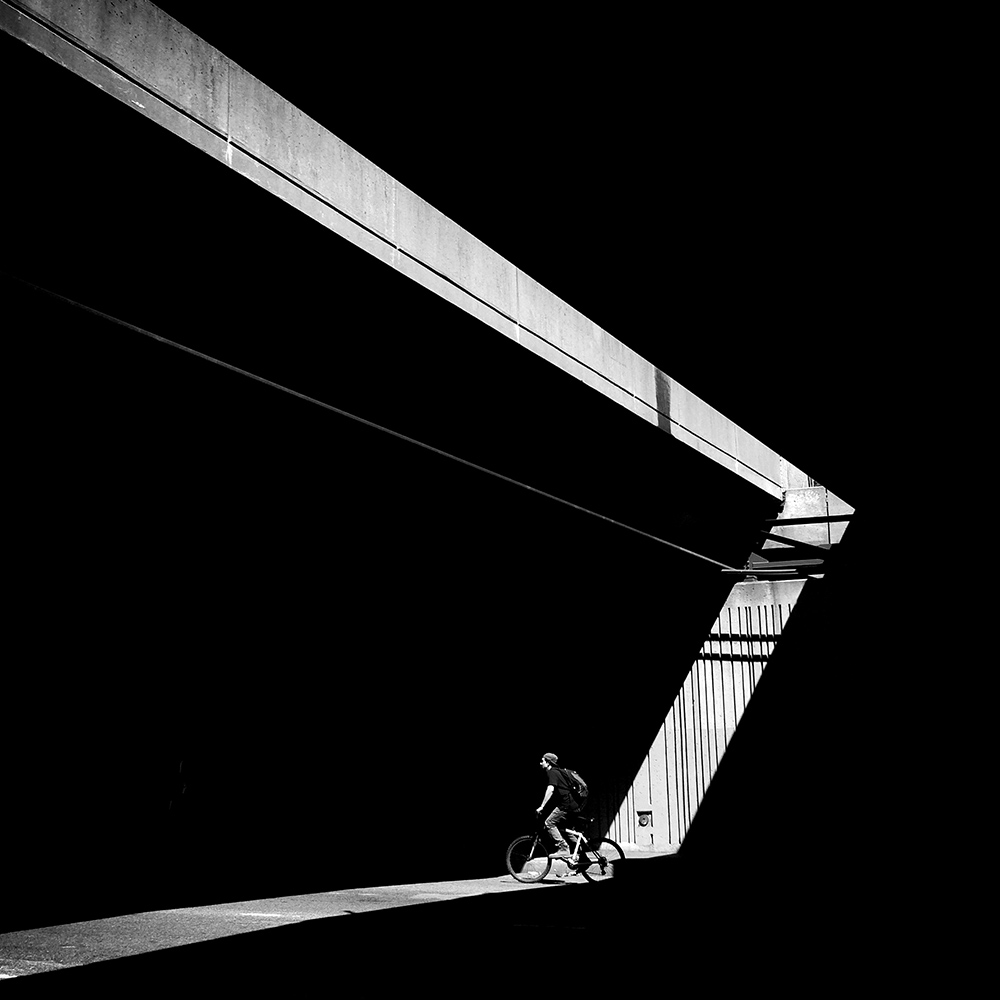
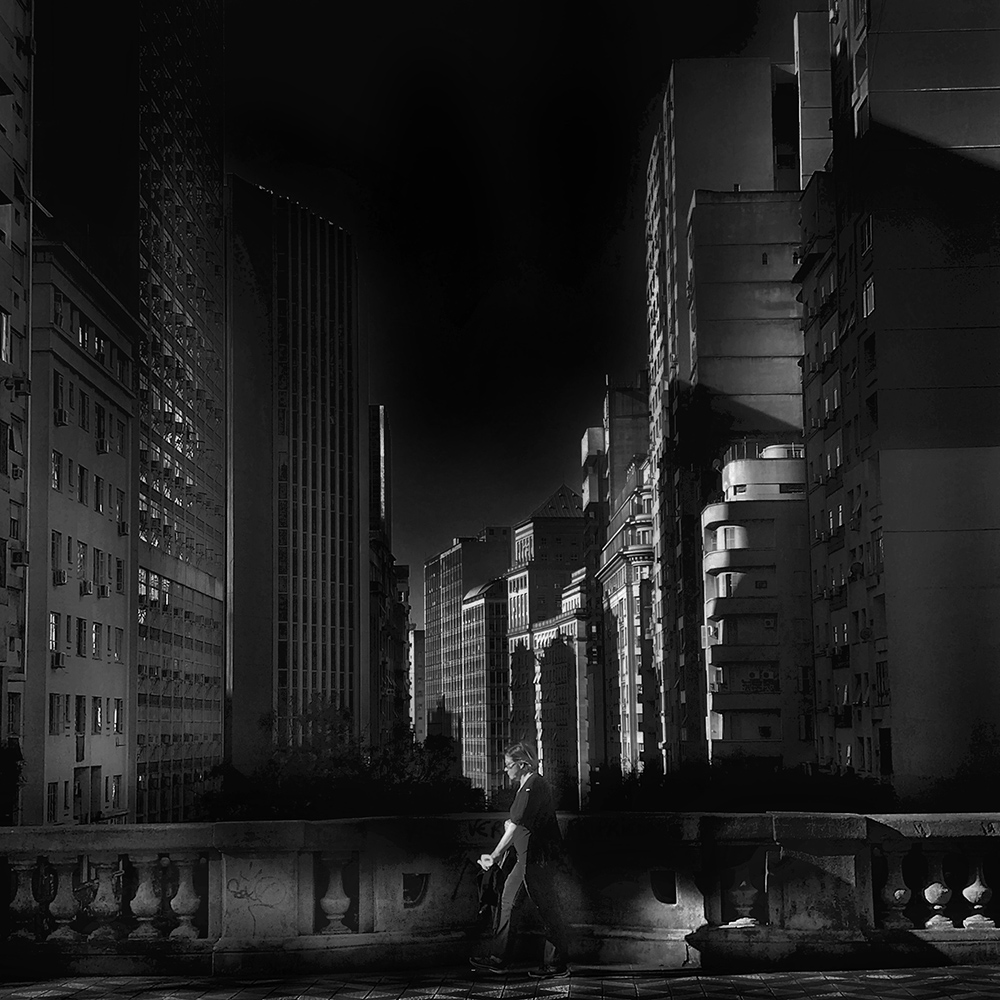
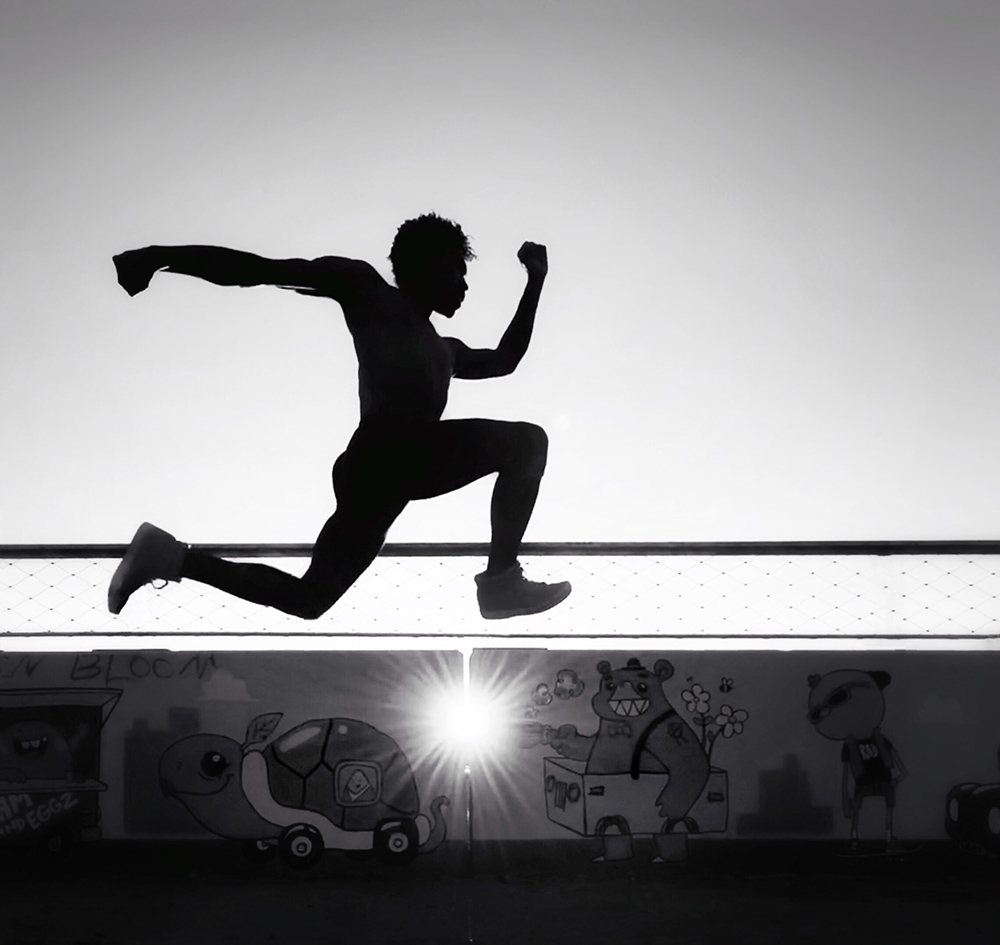
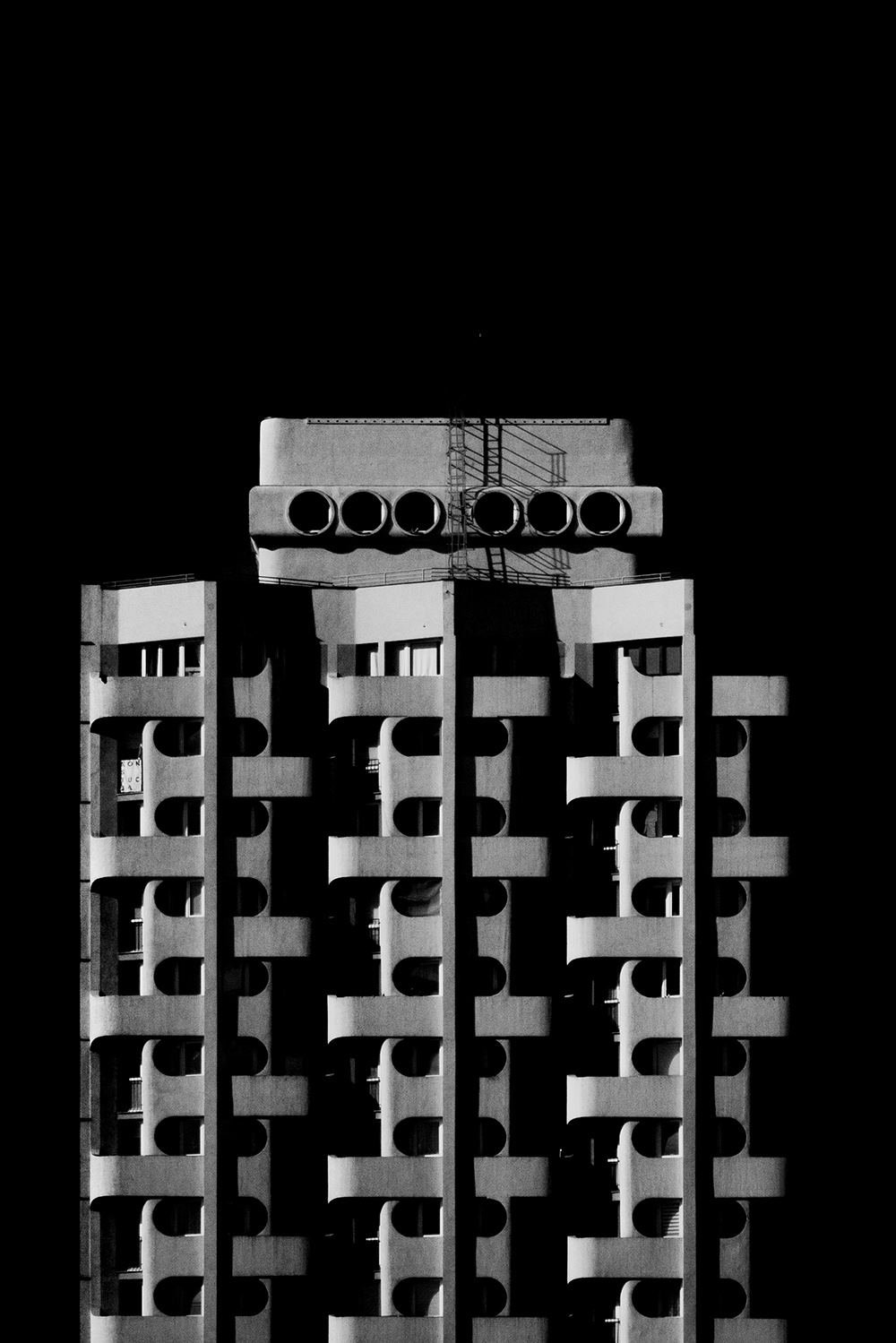
I was with you right up to the end, but a quick search online would show that there are plenty of people “pursuing photography in a focused or artistic way” with a phone camera.
Apologies, please don't interpret my comment as being binary - I am sure there are plenty of people doing this and the fact that I am not aware of them doesn’t mean they don’t exist. If you know anyone producing genuinely interesting work on a mobile phone I would love to know about it. None of the contemporary photographers I admire, love, follow etc use a mobile phone with maybe one exception - Richard Rinaldi - but interestingly each time he posts an image taken with his phone I don’t think much of it. It’s the work he creates with his 8x10 camera that I really take notice of.
The device you use does not prevent you from creating a great image but it can inhibit or limit the results, which again is why so many photographers still use film. That so many acclaimed photographers, i.e. photographers whose results have been recognised as excellent and thus who can offer us some insight into the process of image making, still shooting film that we should probably take notice of this and ask why.
The answer is because the device (the camera and the image substrate) does change our process and our process is how we make images (as opposed to take photographs) and hence my comment that those engaged in image making as a dedicated objective or pursuit, care very much about the device they use to do so. It’s not because the sensor in a camera phone is not capable (excluding the need for things like long telephoto lenses, extremely fast tracking AF and image burst modes, none of which I need ironically for the work I do) of making those images but rather the device is.
I’m hungry, so if no-one minds…
If these are posted to prove a point I am wondering what the point is?
Which is why they are just fine for people who are only interested in taking snaps rather than pursuing photography in a focused or artistic way.
There is an area in between taking snaps and actual photography. An area I would say I am in. Have been into photography for many years and used many cameras but I now take just use my phone 90% of the time for many reasons - always have it with me, image quality is good enough for my needs, uploads onto desktop automatically.
The DSLR comes out if I want depth of field, low light, more control and so on.
If these are posted to prove a point I am wondering what the point is?
My point (by way of contrast to what you inferred) is that small digital cameras with small lenses and small sensors are fine for those who are interested in pursuing photography in a ‘focused or artistic way’.
Whether you or I personally think of them as wearing Big Photography Pants or no is actually immaterial to whether or not they are pursuing their art in ‘a focused or artistic way.’
Have you considered that you may simply have a personal ‘purist’ preference for chemical vs digital?
Phone manufacturers use software to enhance the performance of small lenses and imaging sensors. Why don't camera manufacturers use similar software that to make their products with big lenses and sensors absolutely incredible?
I think it’s because people who use that sort of camera prefer to have control over the post processing. So they’d rather do things like focus stacking, HDR, dodge, burn, sharpen etc themselves with the computer and software that they already have.
small lenses and small sensors are fine for those who are interested in pursuing photography in a ‘focused or artistic way’
'Fine' is fine but fine is not what a lot of people are aiming for. Some people are aiming for 'blow you away', 'make you think', 'evoke a visceral emotional response', 'change your mind' or perhaps even 'change the world'. It's the difference between an image being 'just fine' and one that wins Taylor Wessing, Deutche Borse or a Pulitzer. And an image taken with a mobile phone may well win one of those awards some day, though I think the odds are against it because photographers operating at those levels tend to choose their tools carefully and with thoughtful consideration. But still, that doesn't preclude it from happening.
Have you considered that you may simply have a personal ‘purist’ preference for chemical vs digital?
Yes of course and I've been at pains to explain why and not dismiss the potential for a phone to render a decent image, but to reiterate it's all about how the camera influences process and how process determines the image you make.
Why don’t camera manufacturers use similar software that to make their products with big lenses and sensors absolutely incredible?
They do, they use things like pixel shift and image stabilisation hardware and their software is all about the signal processing to turn the electrical data into colour and pixels.
I think cameras are behind phones when it comes to “computational photography” as they call it, but it’s heading that way.
Phones compromise on image sensor and lens to fit everything in a small package, but dedicated cameras compromise on processing to provide speed of use and battery life. Digital photography is battery intensive and I think a lot of the market for high end cameras would be put off by shorter battery life, longer delay between photos or a bulkier camera to do extra processing, especially when post processing is a standard part of their workflow.
Some people are aiming for ‘blow you away’, ‘make you think’, ‘evoke a visceral emotional response’, ‘change your mind’ or perhaps even ‘change the world’.
Not a single one of those things depends on the kit being used.
The fact that images from what are perceived as less effective devices aren't winning the awards yet says as much to me about the attitudes of those judging as it does about the images themselves.
It all depends on whether you see photography as a technical exercise or an expressive process (obviously that's not a binary or mutually exclusive choice). Depending on your stance you'll then make decisions about what you want to do and the kit you want to use to achieve that end. No camera is inherently 'better' than another since there is no universally agreed metric to measure that.
The issue is created when anyone tries to assert that one approach is objectively better than another which is of course nonsense when it comes to art.
I come from a Fine Art background and my ability to draw accurately and use materials technically correctly is pretty good. My paintings are big, messy splodgy, abstract landscapes that use whatever materials feel right (mud, dung and tippex included). No one would tell me my paintings are invalid or worse due to that choice. There is an equally valid approach to photography where someone may well have the tools and skills to create technically great images but choose not to as that doesn't meet their aims.
I got drawn in...
What proper cameras give you is opening the world of 'lens compression' (look it up). For that you need the depth in the glass, it can't be faked
It's my favourite tool in photography - and I make my living out of creating imagery!
Quality wise, in daylight, a modern high end iPhone will look near enough as good as makes no difference to a DSLR. It's the compression that non-flat lenses gives you that would be the real difference you experience tbh.
Good point, but if that's not important to you then it's not important to you...
With an Art History head on, I think there'll be a tipping point fairly soon where the tech drives the taste and (D)SLR stuff like lens compression will start to no longer be seen as desirable or attractive. Look at how the camera phone obsession with (artificial) bokeh has driven what people want in an image over the last couple of years.
H
Not a single one of those things depends on the kit being used.
True, and I believe I was saying that in my post. And yet, I've not yet come across a photographer making images on their phone that made me feel anything like the above. Not even close, but if you know someone who is, please do show me.
It all depends on whether you see photography as a technical exercise or an expressive process
Again, to reiterate the statement, I see it as an expressive process, where that expression is made by a process that can be either quick and cheap or slow and costly (and I'm not talking about money). Images made quickly and at little cost are less likely to work and are worth less than ones where some one really took the time to create it. The equipment you use does not determine that process, but it does influence it and I will never want to use my phone to create the images that I really care about because I care more about the process than to use something so, well, facile.
Look at the work of people like Jem Southam and Richard Leayroyd as great examples of how the equipment being used demands a certain process to be followed and how the process determines and shapes the image. Leayroyd in particular is a good example because it is utterly impossible for a camera to produce the kind of delicate balancing of light, tone and colour that his images display, precisely because of his equipment and process. It's similar for Jem Southam, although he's only using a field camera, which one might almost call a point and shoot set up compared to Learoyd's approach.
Nadav Kander's work in The Long River is another example of the sublime beauty inherent in both process and equipment. Those images would never have been as stunning on a phone.
I treat photography as a deep expression of something inside me, more than you might imagine. It is the way in which I express things that are fundamental to me and hopefully fundamental to other people also. I do aspire to move people and change the world with images even if that is perhaps a naive ambition. It is part therapy, part human expression and part exploration of the soul. It is a craft and the permanence of the impressions I hope to make is reflected in the permanence of the substrate on which they are captured. That process is critically important; it has to feel like a craft, which is why I still chose to work with film. But don’t get me wrong, I’m not suggesting you have to even shoot film, although that is a good way of trying to explore this subject (which is now way off topic!) as to why the equipment does matter - because it does shape process and that does shape the final image you make.
as to why the equipment does matter – because it does shape process and that does shape the final image you make.
And this is why I love art. I think we got to this point in the last thread on this, but I 100% agree with this statement. We just come to this agreed view from diametrically opposed starting points. The equipment and process I use absolutely does matter, but for very different reasons why it matters to you. Just don't try to make it hierarchical...
There isn’t a photograph I’ve taken that I would ever want to see the light of day that I could have taken on my phone.
If you couldn't afford a fancy camera, would you give up photography? Or would the urge to capture what you see still be there?
Images made quickly and at little cost ... are worth less than ones where some one really took the time to create it.
Well now, that's a bold statement. How much an image is worth is entirely down to the viewer.
And something else just popped into my head.
If you want to see photography change the world and the way we see it... Pretty obvious that phone cameras have already done that, just possibly not in the way some people want them to? Democratisation of art is a bitch huh?
Well now, that’s a bold statement. How much an image is worth is entirely down to the viewer.
Does that mean though, that when I spend ages processing my lofi phone images (which I do) they are worth more than someone with a 'professional' setup who throws their images through a paid for Lightroom preset?
This turned into a very interesting debate and I’m glad it went this direction but it’s late now and I will stop replying.
If you couldn’t afford a fancy camera, would you give up photography? Or would the urge to capture what you see still be there?
I sold fancy cameras and now just use my phone, selling last DSLR at the moment.
For me it is about what I am taking a photograph, the composition, the interest around it and the way it is taken.
My phone gives me what I need but then I am not into sports photography, landscape photography etc,. where speed (quick and slow) are essential and better with a DSLR.
A good example is looking at the images in the thread "Photos you have taken in the last month of which you are proud?"
Majority of those could be taken on an phone and whilst critically most of them do absolutely nothing for me the people who took them are pleased with them. The camera used is completely irrelevant. Yes you wouldn't get the kingfisher photos on a phone but they are uninspired displays of what a good camera and lens and lots of shots and processing gets you so while not my bag a lot of people will love them and want the tools that gives them that.
Calum Maclean in his series Dealbh is Slighe (on Iplayer) has a great attitude to this. Takes all kinds of pictures on all kinds of kit, whatever does the job for the environment and situation he is in.
Phone manufacturers use software to enhance the performance of small lenses and imaging sensors. Why don’t camera manufacturers use similar software that to make their products with big lenses and sensors absolutely incredible?
As I understand it the camera makers have a problem. The phone I’m typing on has a really powerful processor on board. It has software that was genuinely hard to develop. The software behind Phone cameras was developed by 2 of the planets biggest and richest companies
So although cameras can do some basic image stacking they are miles behind. I think specifically the phone is ahead in dealing with movement between frames when stacking images and intelligently processing photos by region. My phone lets me and hold at night for 10 seconds. I would love it if my camera could do that
So where am I on the phone real camera debate
Well I kind of love both.
I love that I shear always have a camera with me. I love that I can put the photos on the web or in a photo book and the quality is fine
But I also love my real camera for the viewfinder, zoom range and ergonomics
If you couldn’t afford a fancy camera, would you give up photography?
I don't have a fancy camera though; the equipment i use - a Mamiya RB67 - tends to be very inexpensive, certainly one of the cheapest 6x7 cameras still around today. To give you an idea you can pick these up for maybe £500 in reasonable shape. A more interesting question would be how would I feel if I could no longer shoot film and the answer to that would be that I would go back to shooting digital (I did for a long time anyway).
How much an image is worth is entirely down to the viewer.
Yes indeed; my use of the word 'worth' here is deliberately ambiguous however and probably needs several entire threads to resolve the meaning of. I think you understood I didn't the term monetarily.
Democratisation of art is a bitch huh?
It's a good point and one I would say 'yes and no' to. I think that what the rise of digital cameras in phones has shown is that it's never been more important to be good at what you do (as a photographer); when the world is saturated with really poor images (and it is) then the ones that are really good stand out and become more valuable as a means to offering us insight into our (human) condition. I, like most people of a certain age, lament the lapsing of our culture into something trite, superficial and, in many ways, hypocritical but ironically, it's not just popular culture that has headed that way. The world of fine art photography has disappeared so far down a particular political avenue that it's hard to take seriously any more. Even though I've had some success in this area (in terms of recognition and validation), i have to say it sometimes makes me feel uncomfrotable being associated with it. At the very least I am extremely careful not to voice what I really feel in response to some of the work I see. Instead I have adopted a very strict 'the person in front of my camera' approach to my work and now steer away from anything overtly political.
Does that mean though, that when I spend ages processing my lofi phone images (which I do) they are worth more than someone with a ‘professional’ setup who throws their images through a paid for Lightroom preset?
I can't answer that question but I was referring more to the process right up to the point you expose the frame more than the post processing part. There's no right or wrong answer to this question but when I've looked at your images I have found myself trying to understand what it is you're trying to say; what dialogue do you want to have with me as a viewer of your work? And there doesn't even have to be an answer to that question either - certainly not one that validates what you're doing, but since you and I are both here, and you're showing me your work, then the question becomes implied. We could sit down over dinner with a good bottle of Amarone and within the first few minutes conclude that whilst there was much in our experience of the world that we can enjoy exploring, none of it is related to your image making and that wouldn't make the conversation less joyous. But it might go the other way; you might articulate some profound thought process I hadn't seen or recognised.
And yes, all of this could easily be me 'over thinking' things and for this I am resolutely and entirely unapologetic. 👍😆
exactly, of course “proper” camera manufacturers would love to give you the option of a camera with all the processing power of an iPhone - it’s nothing to do with cost or battery life, they simply don’t have access to the technology.As I understand it the camera makers have a problem. The phone I’m typing on has a really powerful processor on board. It has software that was genuinely hard to develop. The software behind Phone cameras was developed by 2 of the planets biggest and richest companies
Of course photographers with phones small cameras win Pulitzer Prizes, because Pulitzer photography prizes aren’t awarded for ‘best exploration of the deepest recesses of the ultra-crafted large-format mahogany man-cave’ - and neither (afaik?) expressly for film. They are awarded for ‘distinguished examples’ (and ‘unmanipulated’) images of feature photography in journalism 😉
Take for example these 2016 Pulitzer winners:
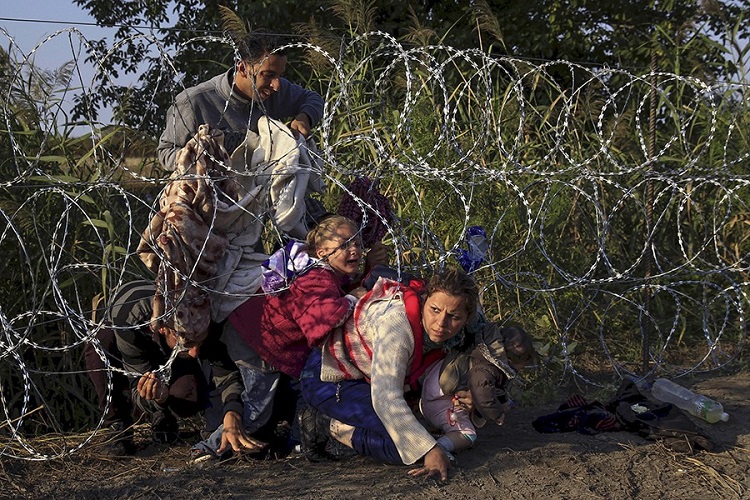
Syrian migrants cross under a fence as they enter Hungary at the border with Serbia, near Roszke (Bernadett Szabo, Thomson Reuters – August 27, 2015).

Hungarian policemen stand over a family of immigrants who threw themselves onto the track before they were detained at a railway station in the town of Bicske, Hungary (Laszlo Balogh, Thomson Reuters – September 3, 2015)
Isn’t it apparent when looking back at former winning images that standards are falling? They’re not even in black and white anymore, so how can that be authentic? And where is the film-grain? No grit - no dice, right?
Now we could argue all day and night that the prizes should be given instead to that entrant who lugged an 8 x 10 camera across the Alps barefoot while smoking a camel cigarette-butt to arrive in timely fashion and better capture the plight of their subject? better impress the judges judes? I jest 😉
it’s just a camera.

