We spent a day being sweaty on a Yeti. Here’s a few thoughts and a lot of deets.
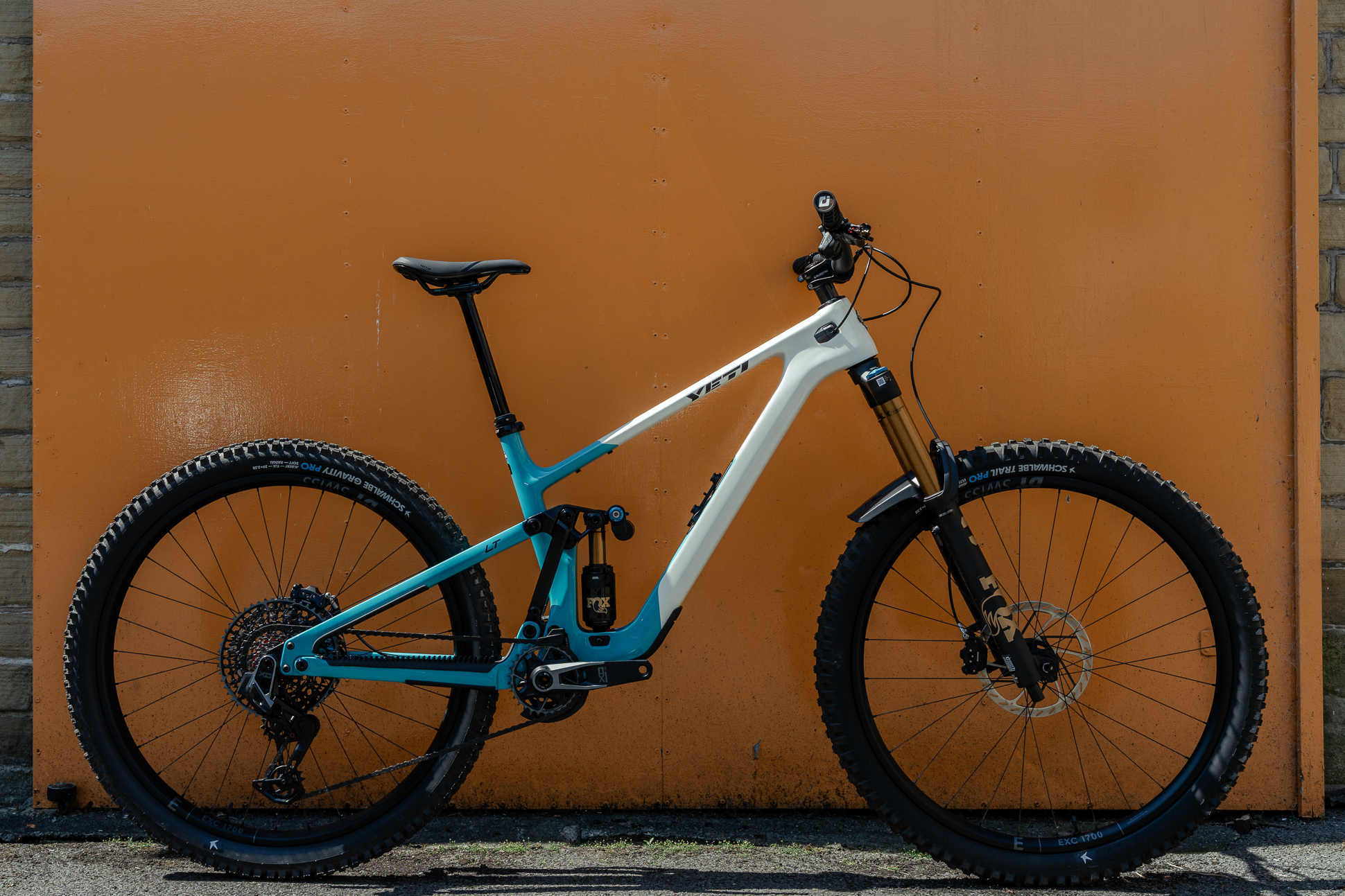
- Brand: Yeti
- Product: LT XO Factory
- Price: £9,799
- From: Siliverfish UK
- Tested by: Benji for 1 day
In a nutshell
- Sixfinity six-bar design
- Full 29 or mullet
- 160mm rear travel
- 170mm fork
- TURQ carbon only
- Size proportional chainstays
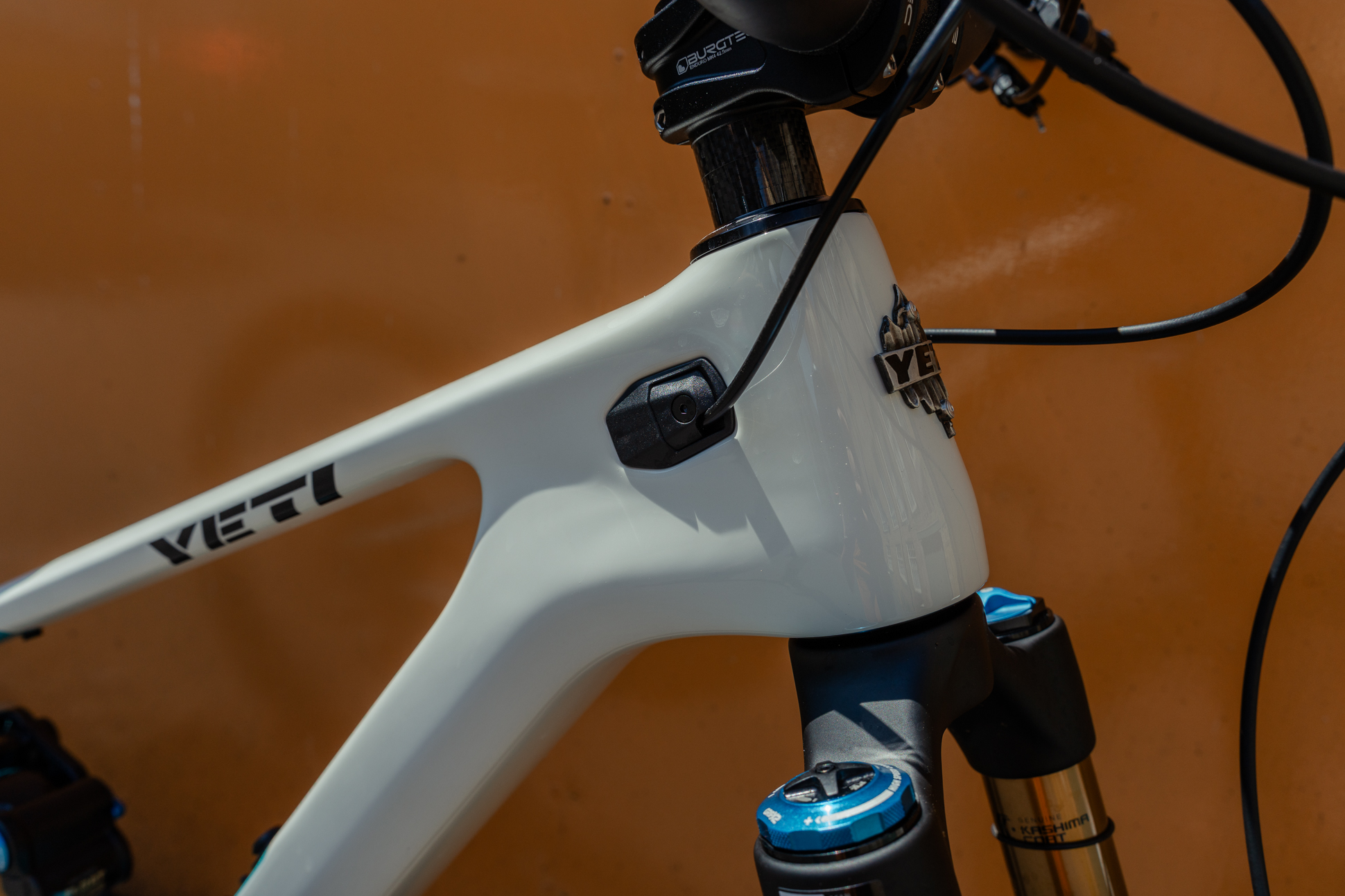
- The Cavity down tube storage
- Frame only £4,699
- Eagle 90 Factory build £7,899
- XO Factory build £9,799
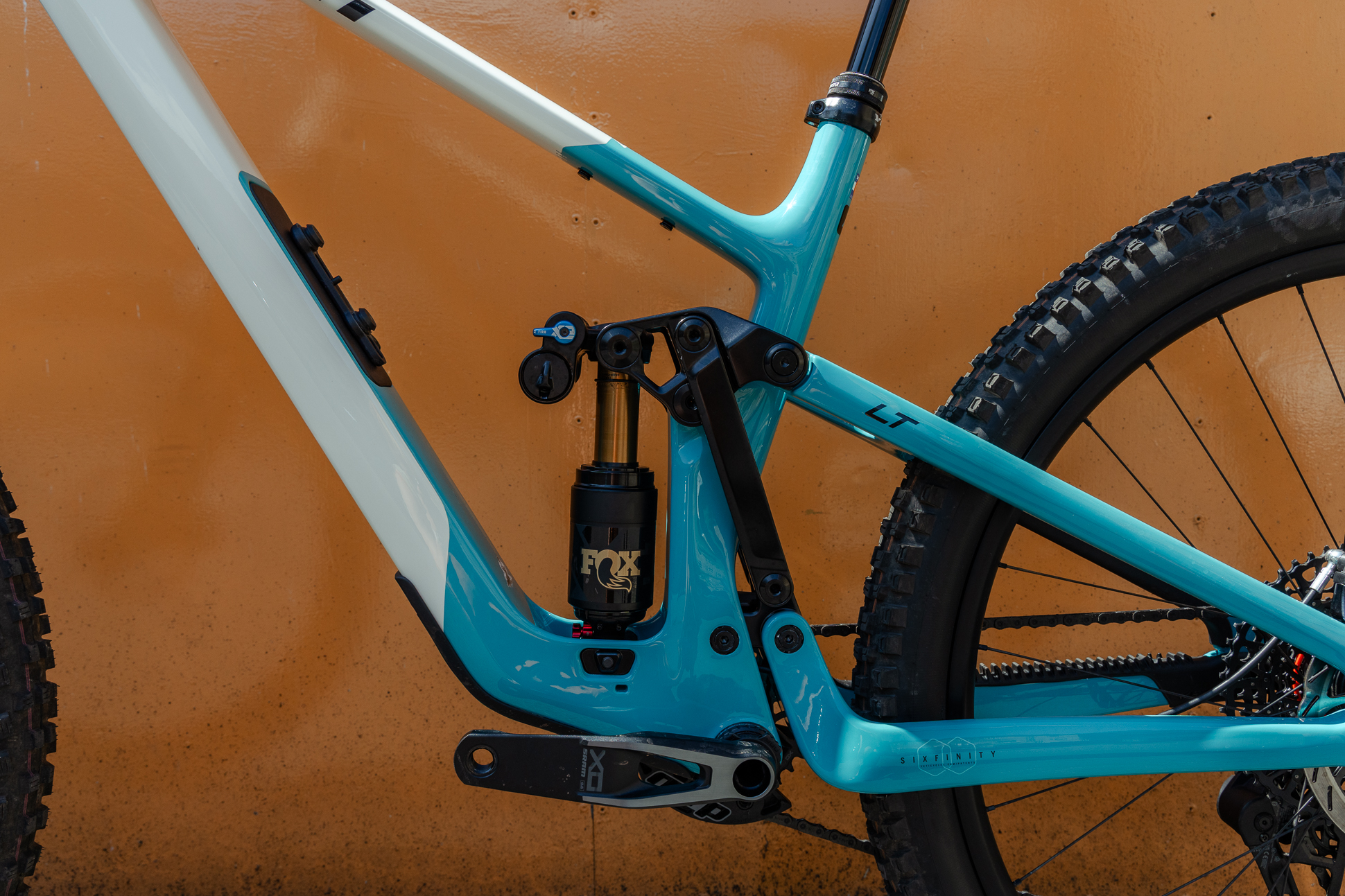
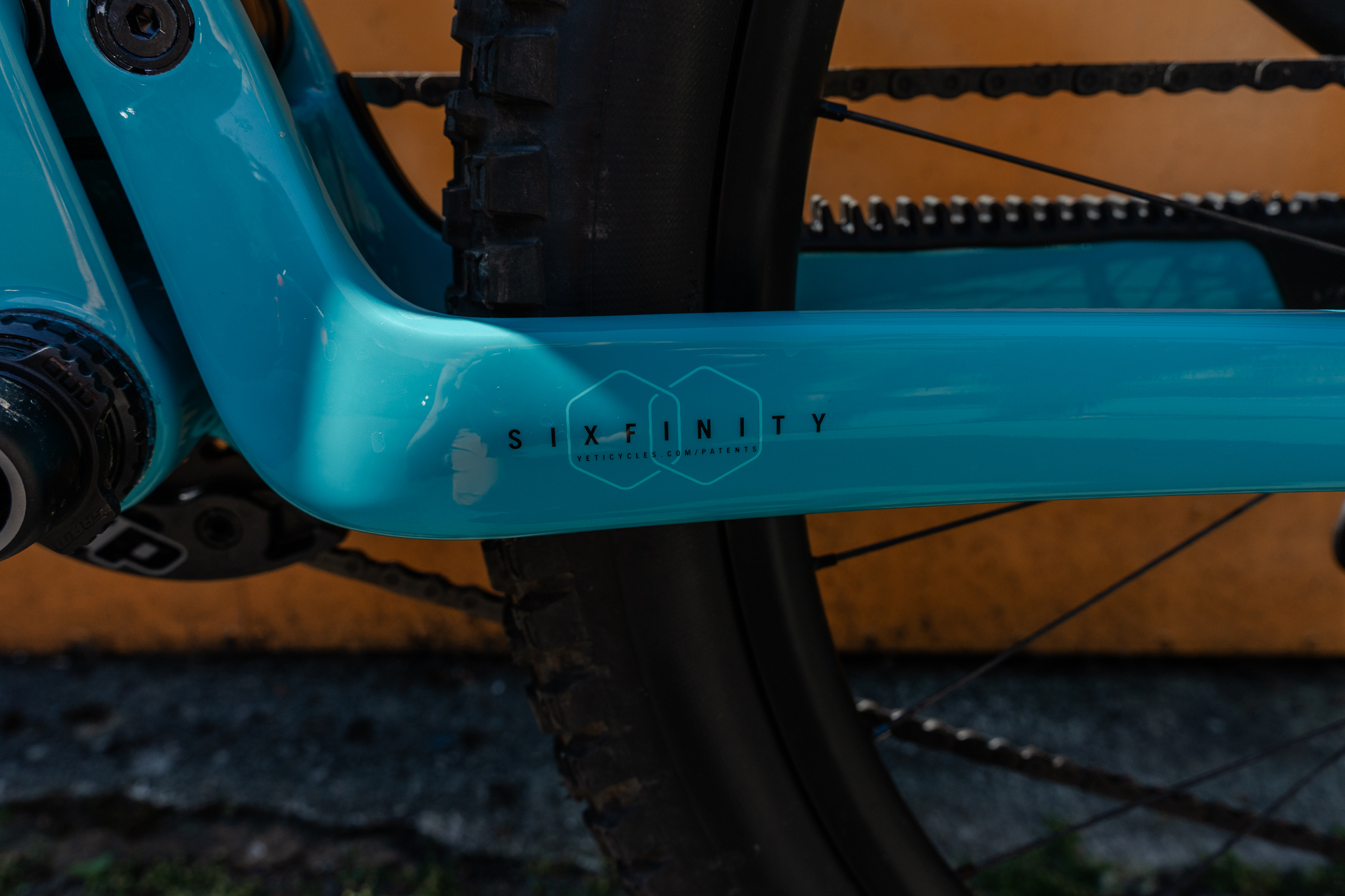
The Switch Infinity rear suspension design is no more. The new LT has something called Sixfinity. It’s a six-bar design. Although it is whole new design, there is some consistency here that arguably dates back all the way to the Yeti 303 DH of yore. The Yeti design team has always had something of a thing for a suspension design that has an element of something mechanically moving during the suspension stroke (aside from the usual things that move).
With the 303 DH the shock mount moved along something that was essentially a curtain rail as the suspension compressed. With the more recent Switch Infinity era Yetis, where the swingarm actuates in one direction up until a certain point in the travel whereupon it changes direction.
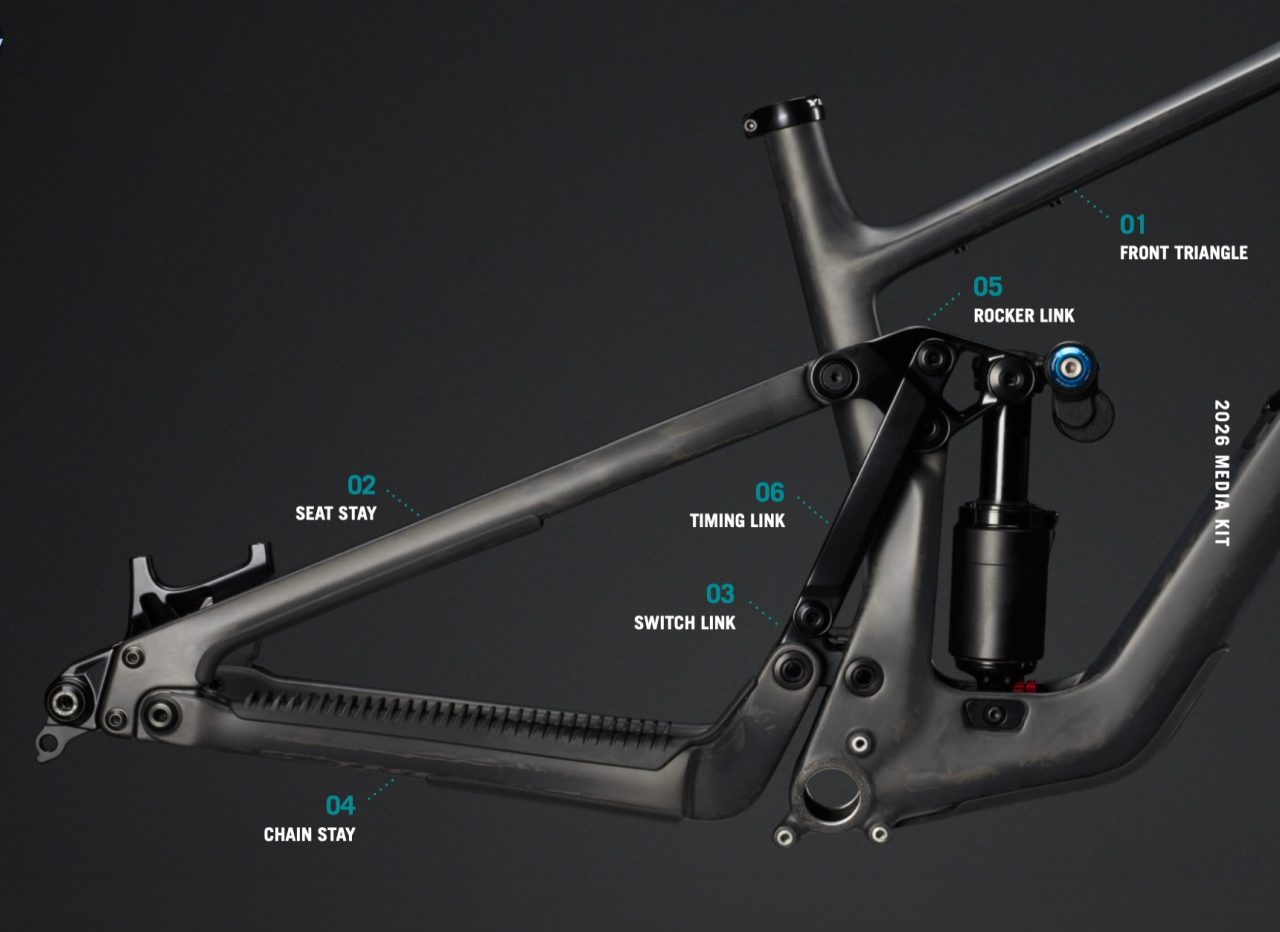
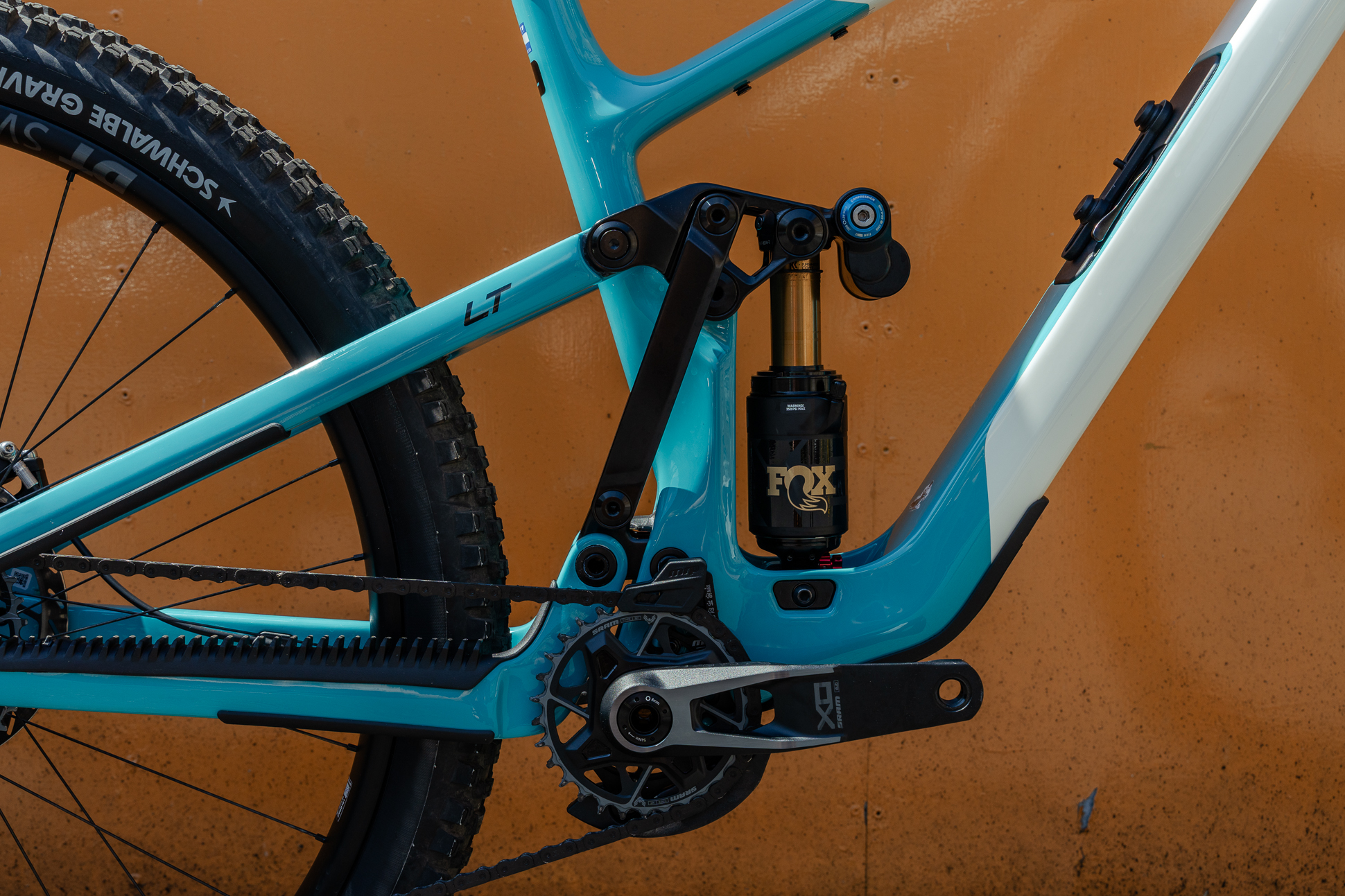
The new Sixfinity layout continues this ‘mechanical movement’ vibe. It’s difficult to explain in written words how the system articulates (can we have an animation please Yeti?) but here goes: the ‘Timing Link’ bar (see pic above) pushes upwards/forwards on the ‘Swing Link’ at first, and then at a certain part in the travel it then begins to pull down on the link. As the link moves down, anti-squat sharply drops off.
Why go to all this trouble (and pivots)? Because Yeti want to have their cake and eat it, in suspension terms. Suspension design is always a matter of trade-offs. Robbing Peter to pay Paul. What you gain somewhere, you lose elsewhere. Six-bar designs main trade-off is complexity (and thus higher cost). With six-bars you can adjust one trait and not have it (significantly) affect another trait. There is an argument to had (mainly in my head, to myself) that there’s only two suspension systems worth having on the market: single-pivot and six-bar. But that’s an opinion piece for another day.
My playday on the Yeti LT
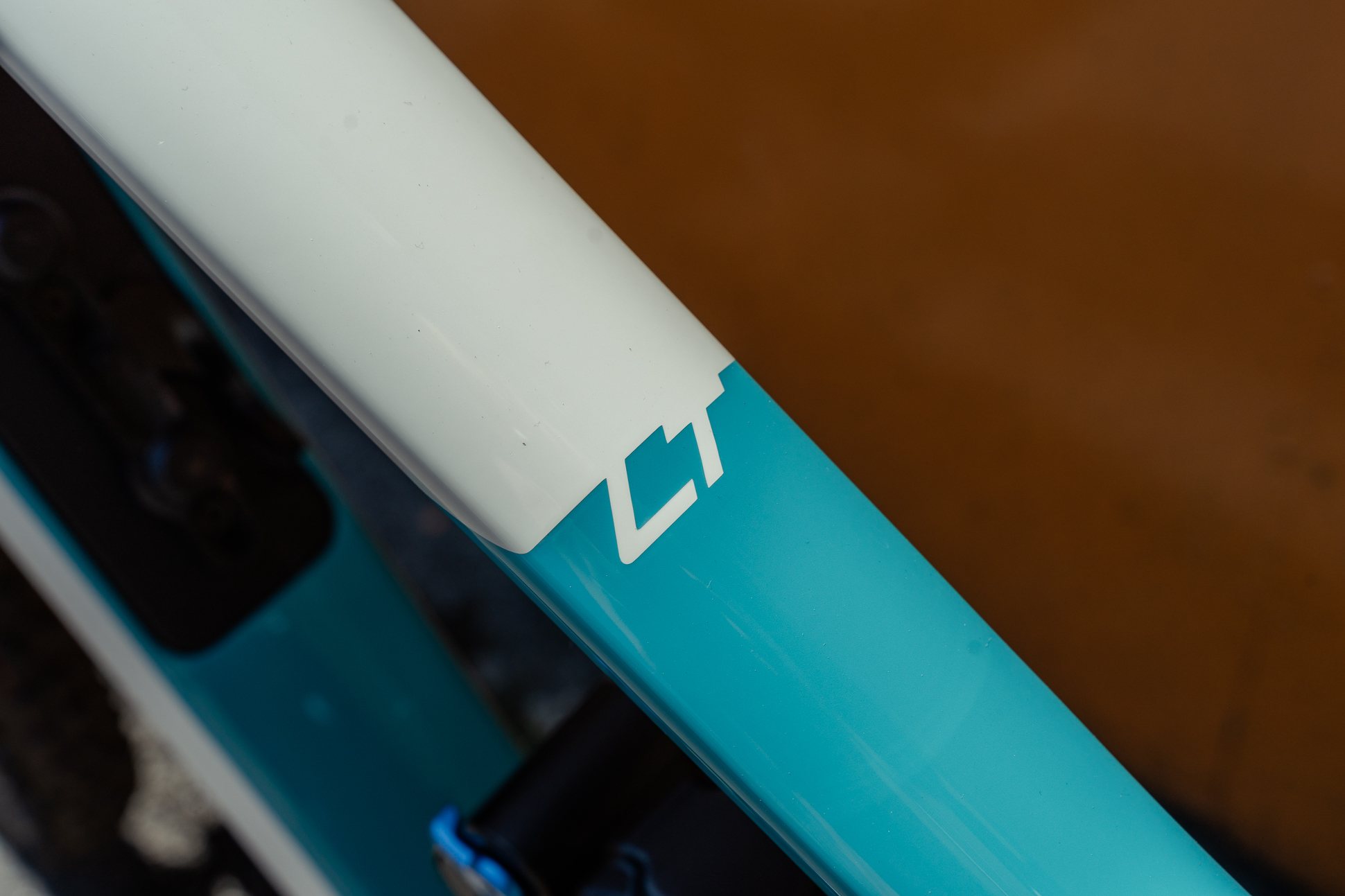
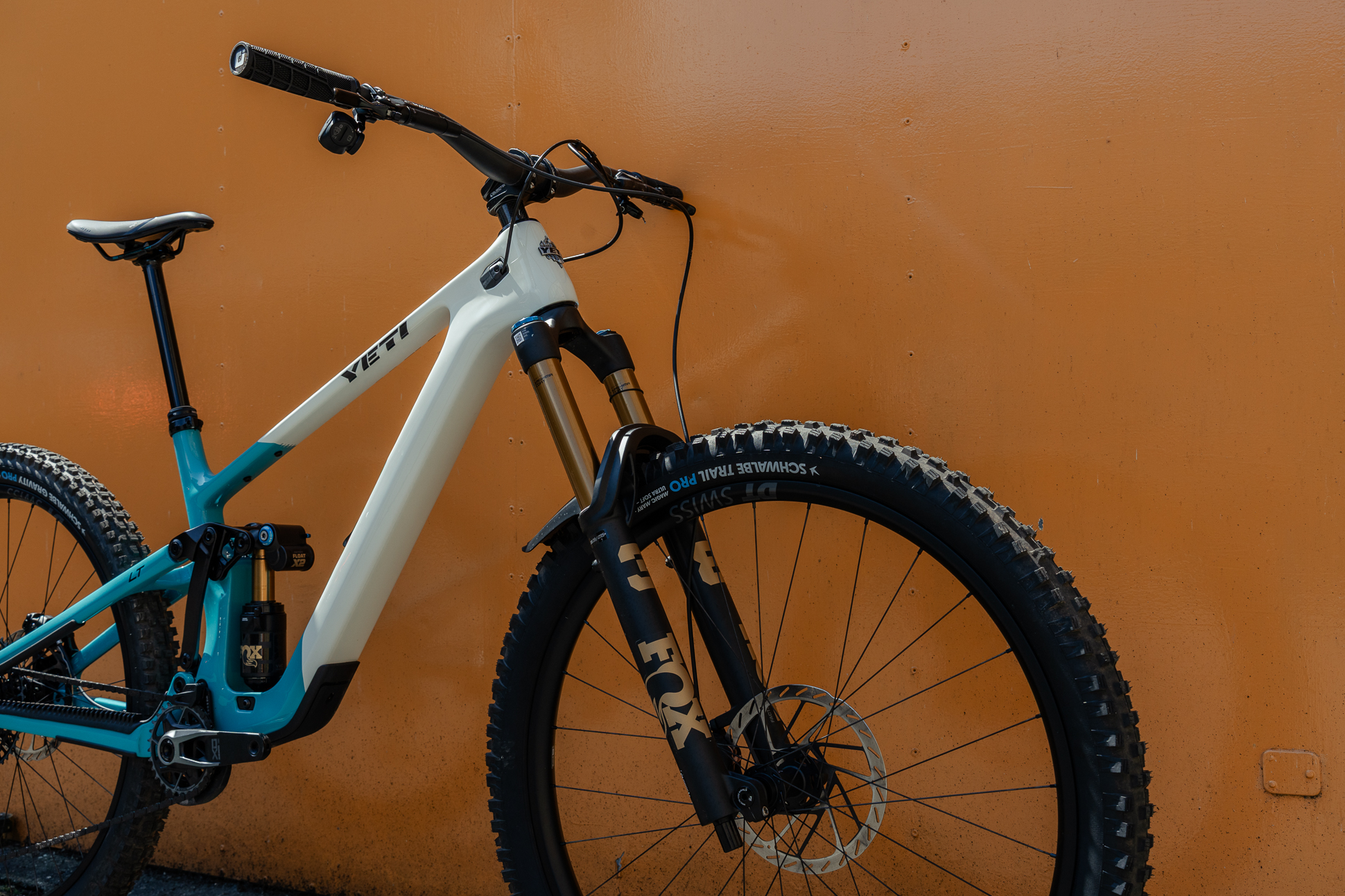
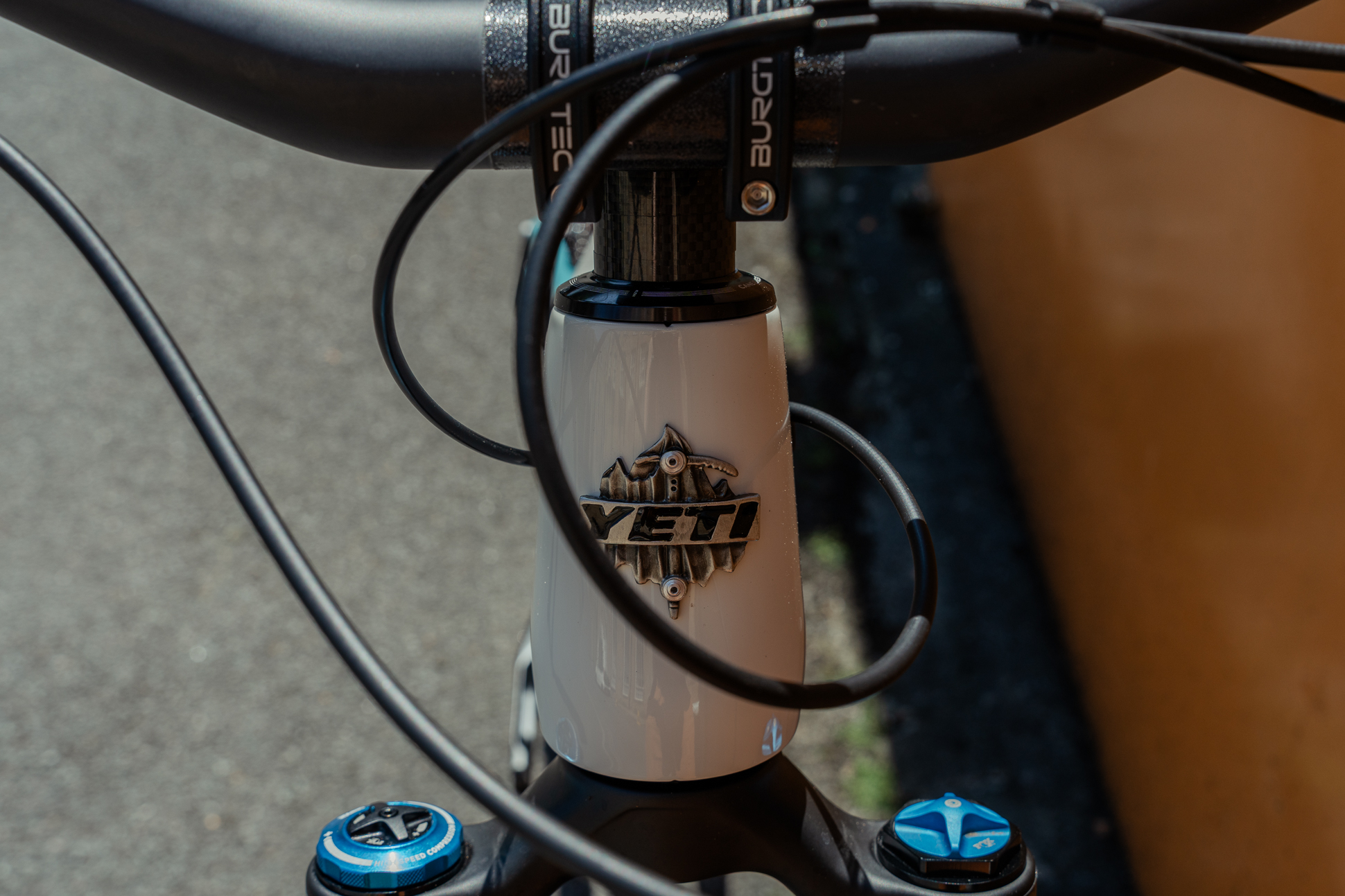
Okay, two things to note straight away. With its unbeatable turquoise and white colour combo, this LT is probably the best looking Yeti for quite some time (maybe ever). Which doesn’t matter but absolutely does. And… it’s very expensive. Why wouldn’t it be? One of Yeti’s things is to exist in a premium boutiquey rarified realm. You don’t find Yeti doing 50% fire sales. Tons of people will still buy this bike despite (because!) of the high price tag.
Moving on from the twin turn ons/offs – aesthetics and expense – that always attend Yeti bicycles, let’s have a look at the nuts and bolts and development of this new enduro race bike.
Well, it’s not really a nuts and bolts machine. It’s an immaculately constructed high end carbon fibre and forged/machined aluminium piece of engineering. And whilst I’m contradicting myself, the principle thing that my test ride on the LT that I came away with was that it isn’t an enduro race bike. Or rather, it’s not just an enduro race bike. In my mind, there’s no reason to have any mountain bike with less travel than this one. It just does everything – and I mean everything – exceptionally well.
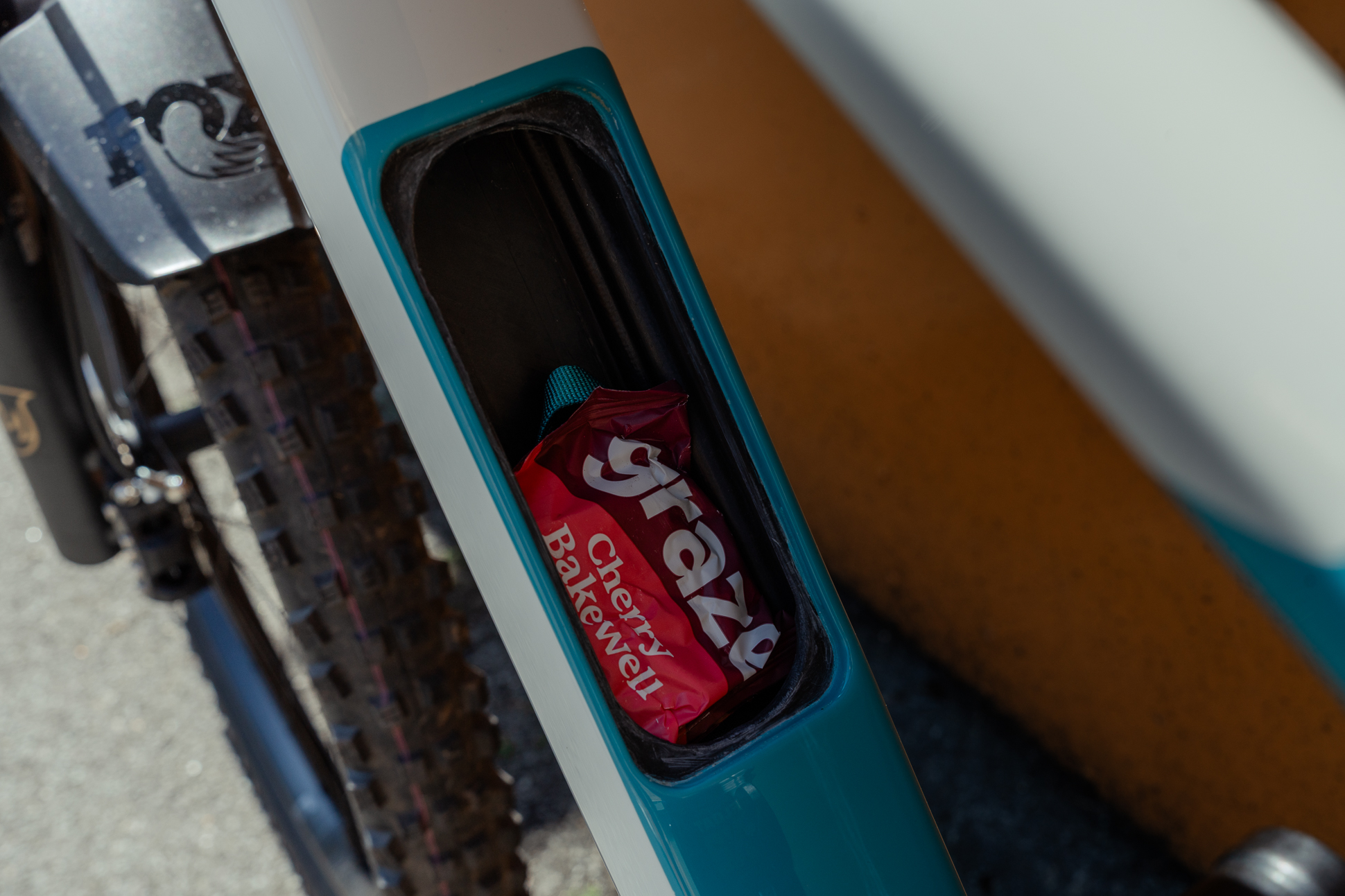
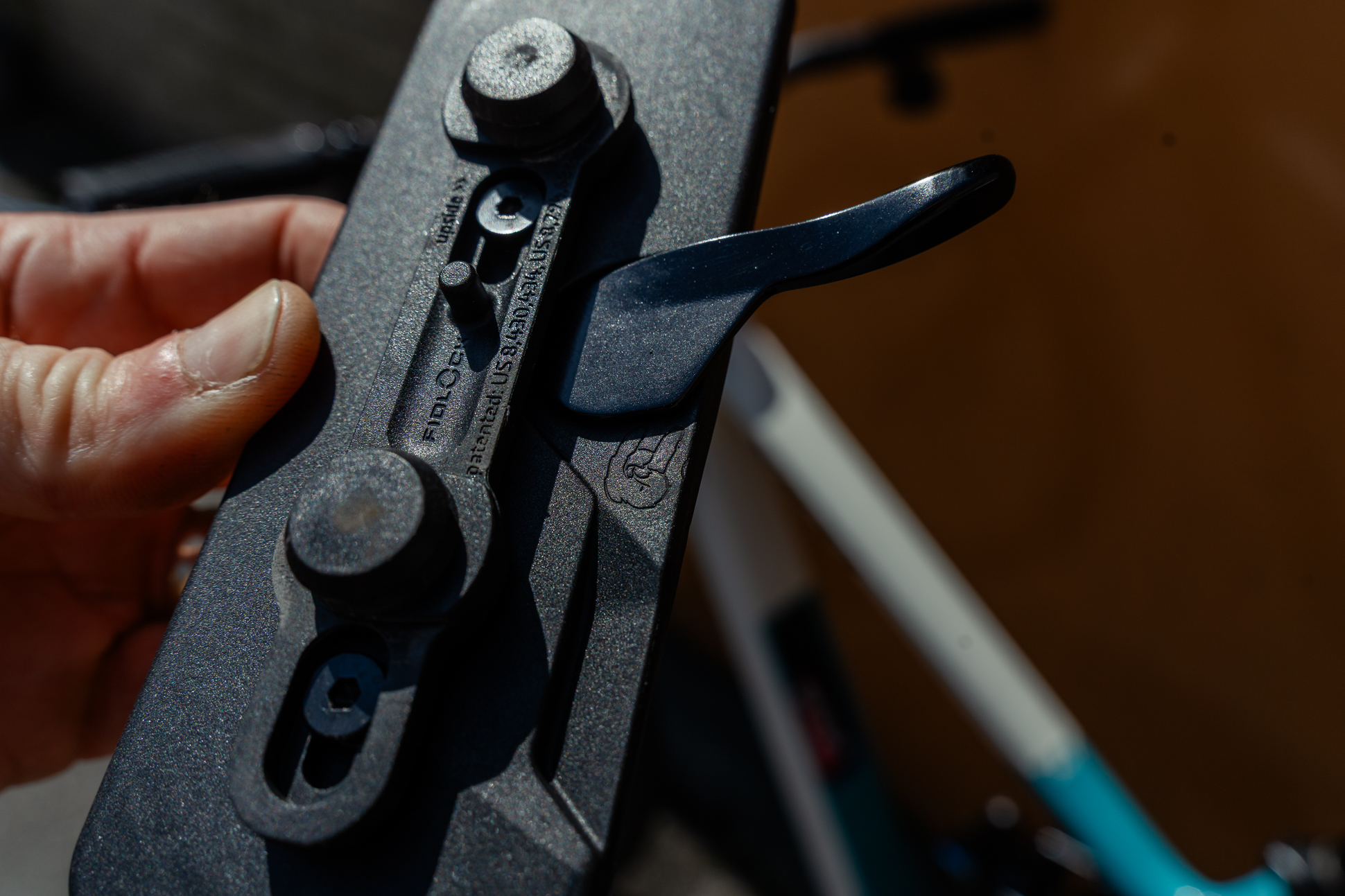
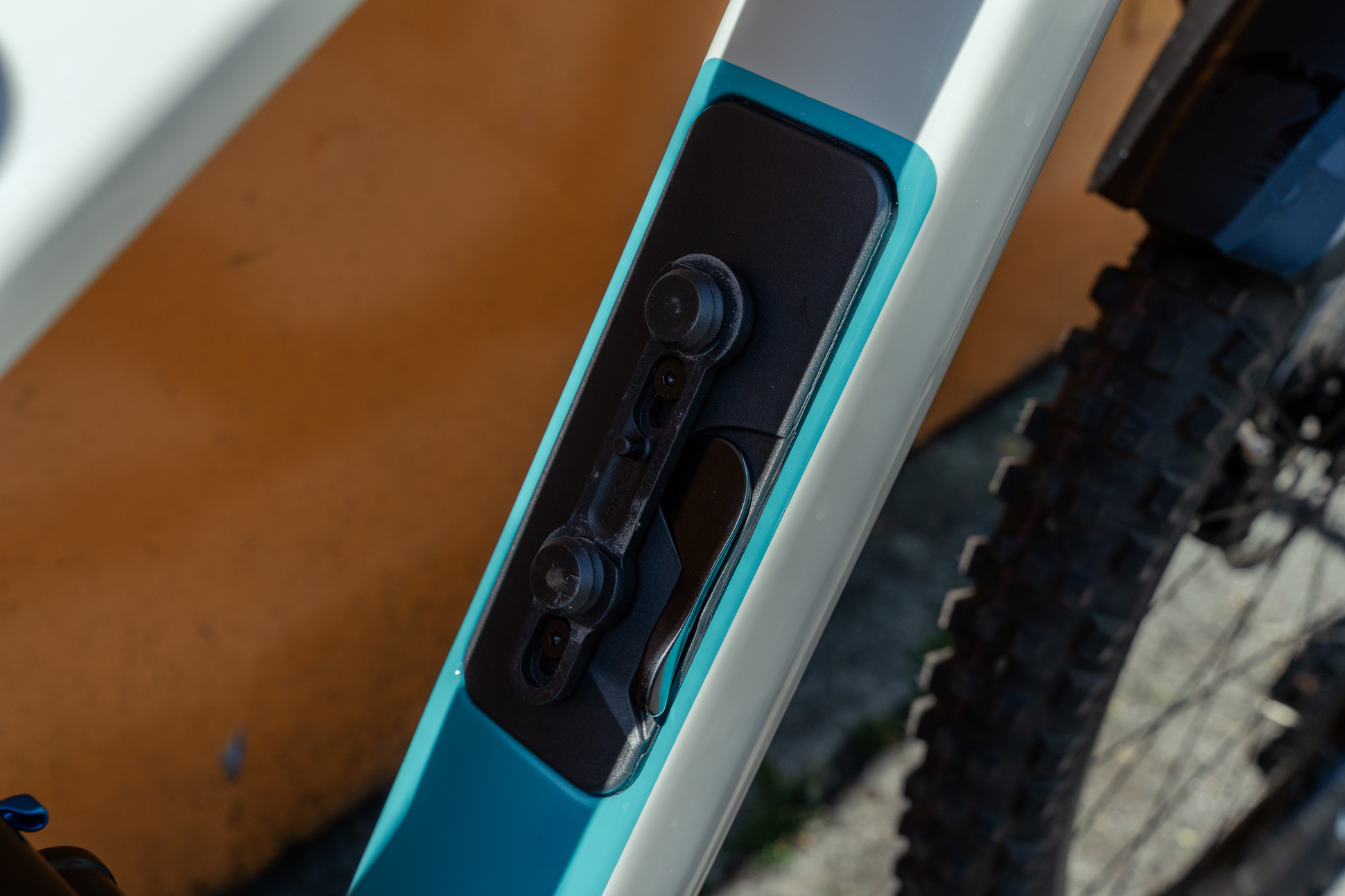
Unlike a lot of proprietary bells-and-whistles patented-to-the-death mega-fancy rear suspension layouts that only work well when set-up in one particular way, the Sixfinity six-bar design is impressively tweakable to how you may like it. As too is the frame: bolt-on drop-outs, normal ZS44/56 headtube for reach/angle adjust headsets, 29 or 27.5 rear wheel.
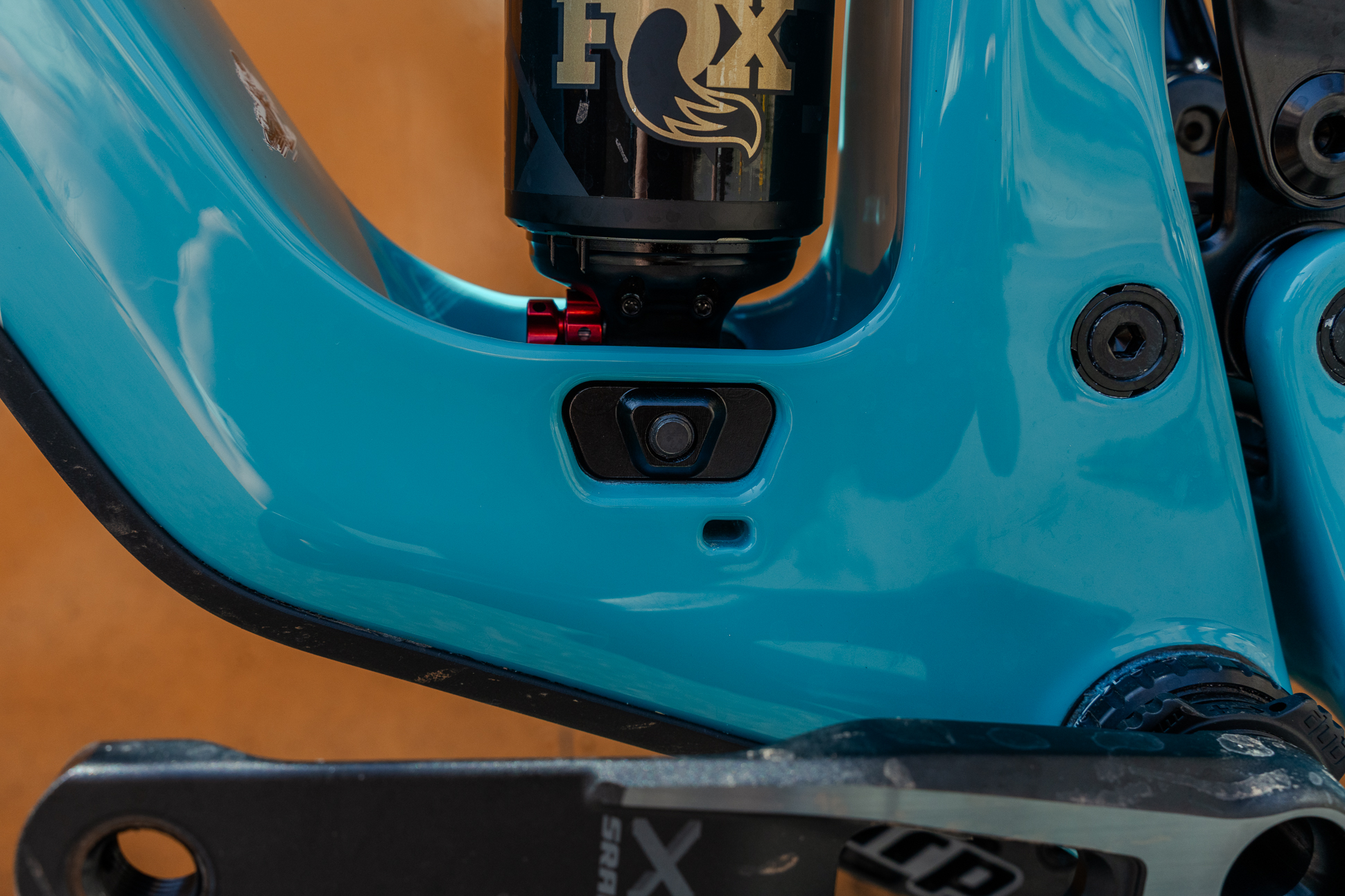
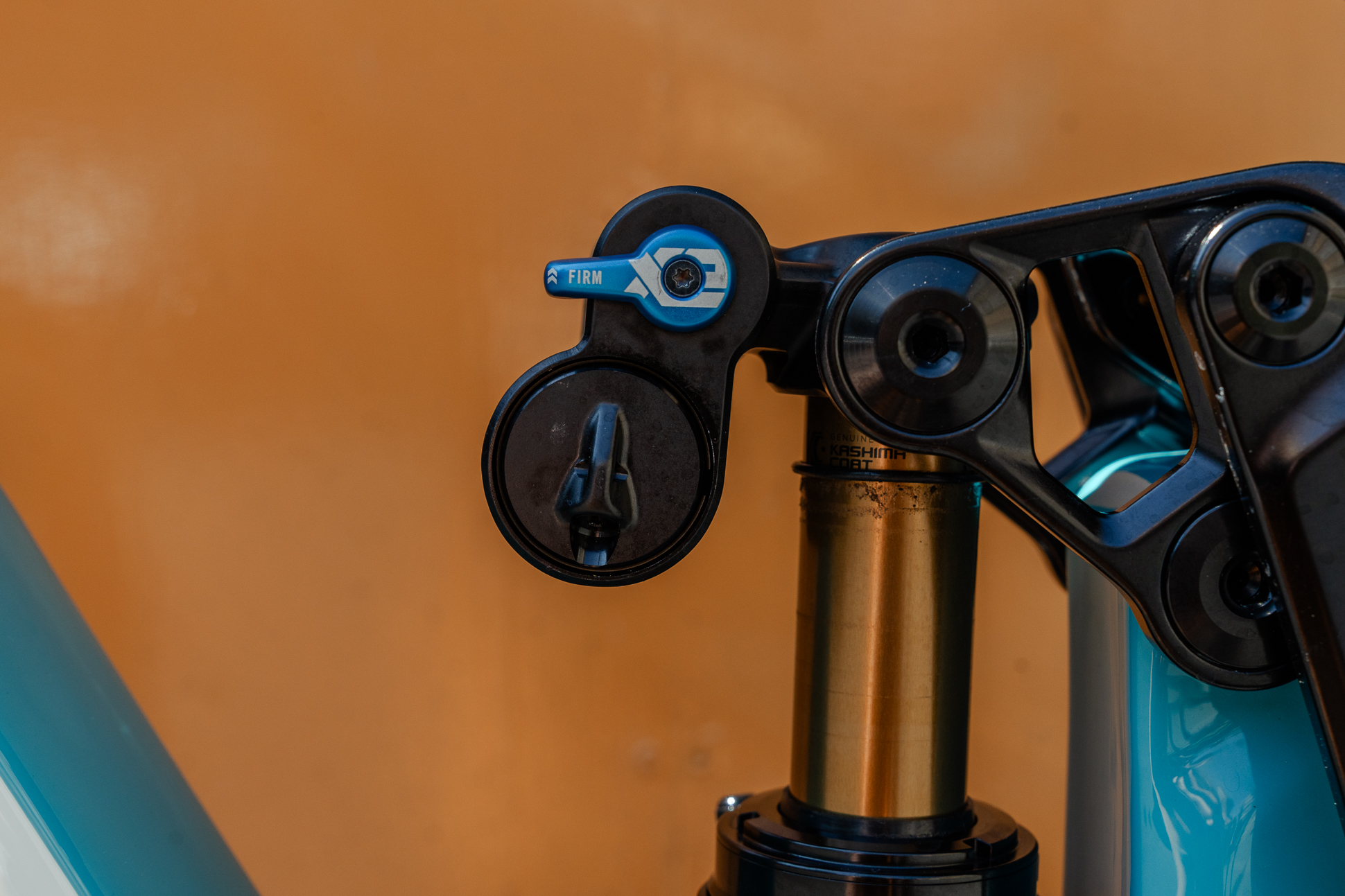
Back to the Sixfinity, whilst you can’t run the system with anything particularly outlandish in terms of sag window, you can make one change to significantly affect how the bike behaves. There are three different lower shock positions for different leverage rates (15%, 20%, 25%). This is excellent news; it means you can get the bike to behave nicely no matter your weight or riding style.
When running the specced 30T chainring, the Yeti LT has a relatively high amount of anti-squat throughout almost the whole suspension stroke. It run at around 100% or more up until about you go deeper than 110mm into the travel. It’s a factor you can feel through the pedals every now and then when slowly steady pedalling along rising and falling terrain (like slow speed mini ‘G-outs’); it feels a bit like the chain stretches as the suspension becomes freer to compress when it enters the lower anti-squat part of the travel. It does feel a bit odd but it doesn’t really detract from anything. And I dare say a bit of twiddling with low speed compression (LSC) would get rid of it if it bothered you that much.
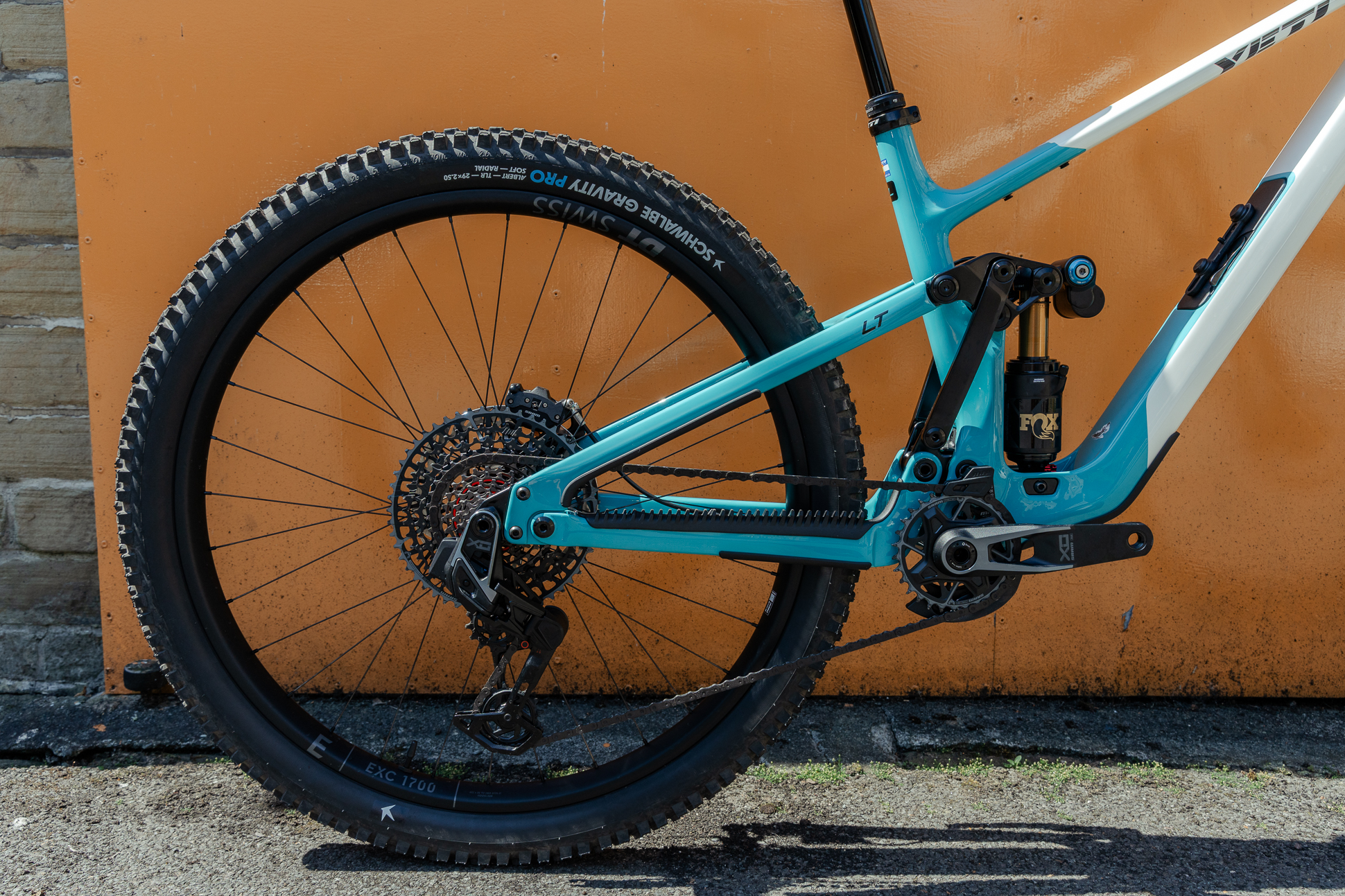
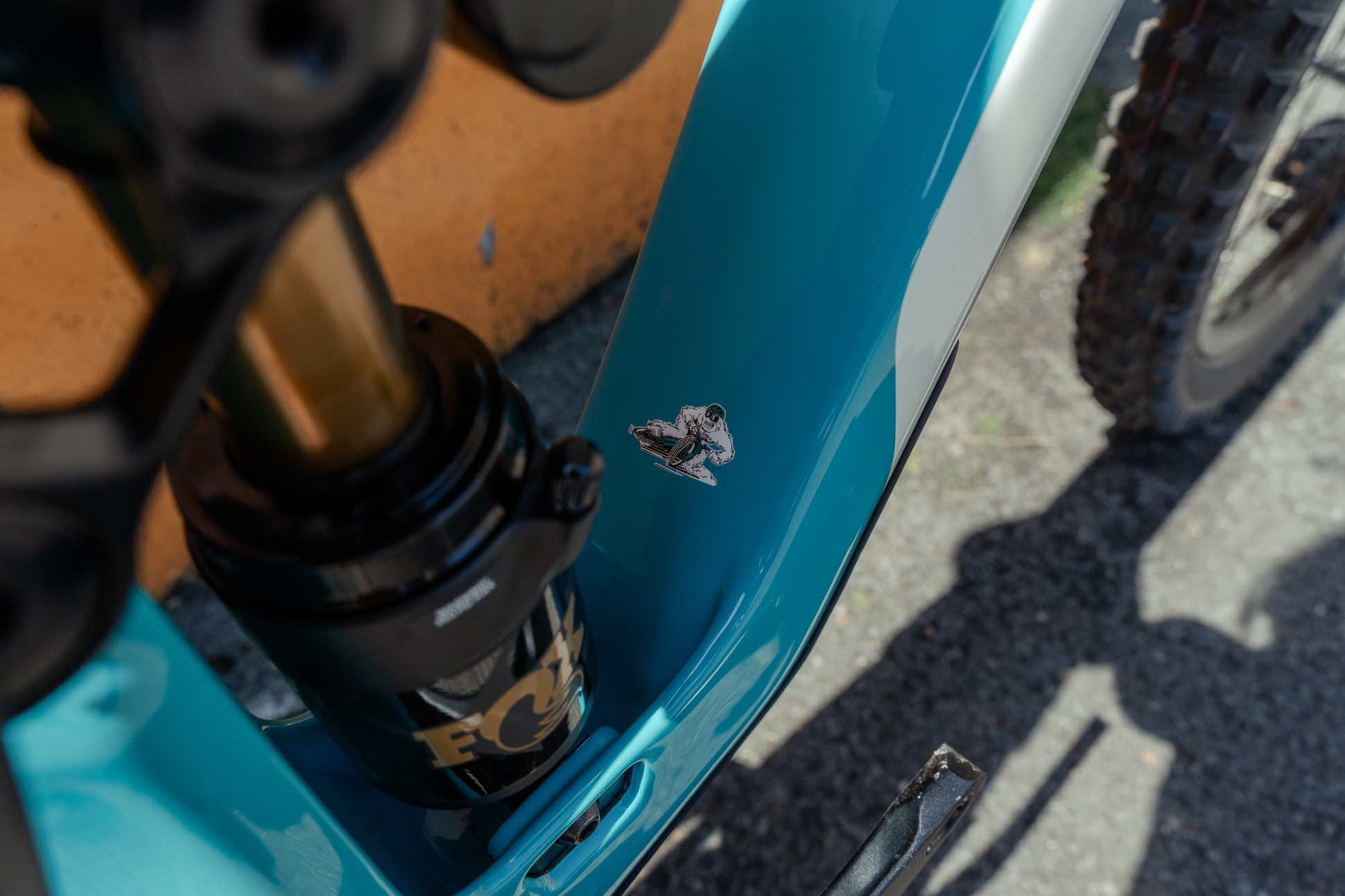
And, to be frank, if a smidge of elastic-chain sensation now and then during sat-down slogs is the price to pay for how Sixfinity behaves everywhere else, then I’m fine with that. And to be even franker, I just didn’t have long enough on the bike to investigate anything properly. It is one of the risks that comes with only having a bike for one ride. It’s easier to notice quirks than it is to notice unique positives (if a bike works wells you don’t notice it – it must just be you being the amazing rider that you are, right?)
I recall having a similar initial tweaking spell with the Scott Ransom six-bar bike we tested back in 2024. And that turned out to be an amazing bike after a few tweaky test rides. Given longer on the bike I’d very probably have ended up trying the lowest leverage rate shock mount position and a bit of LSC and possibly even trying a larger chainring. And I’d definitely mess with the chainstay length options. Here’s hoping we can get the Yeti LT back in again for a lengthier spell. Because even after just one ride, I’m certain that the Yeti LT has the better geometry – and possibly frame feel – compared to that of the Scott Ransom.
The key geometry metric that Yeti has got right with the new LT is chainstay length. Whilst Yeti has actually been pretty good at not putting overly short chainstays on its longer travel bikes, the new LT has upped things. The Large I rode had 455mm chainstays, nicely paired to a 495mm reach. The stay length can also be increased 10mm with the use of a different bolt-on dropout. Not only that, but the stay lengths are size specific. Kudos to Yeti for offering a chainstay length range of 439mm up to 475mm (Small 29er to XLarge mullet).
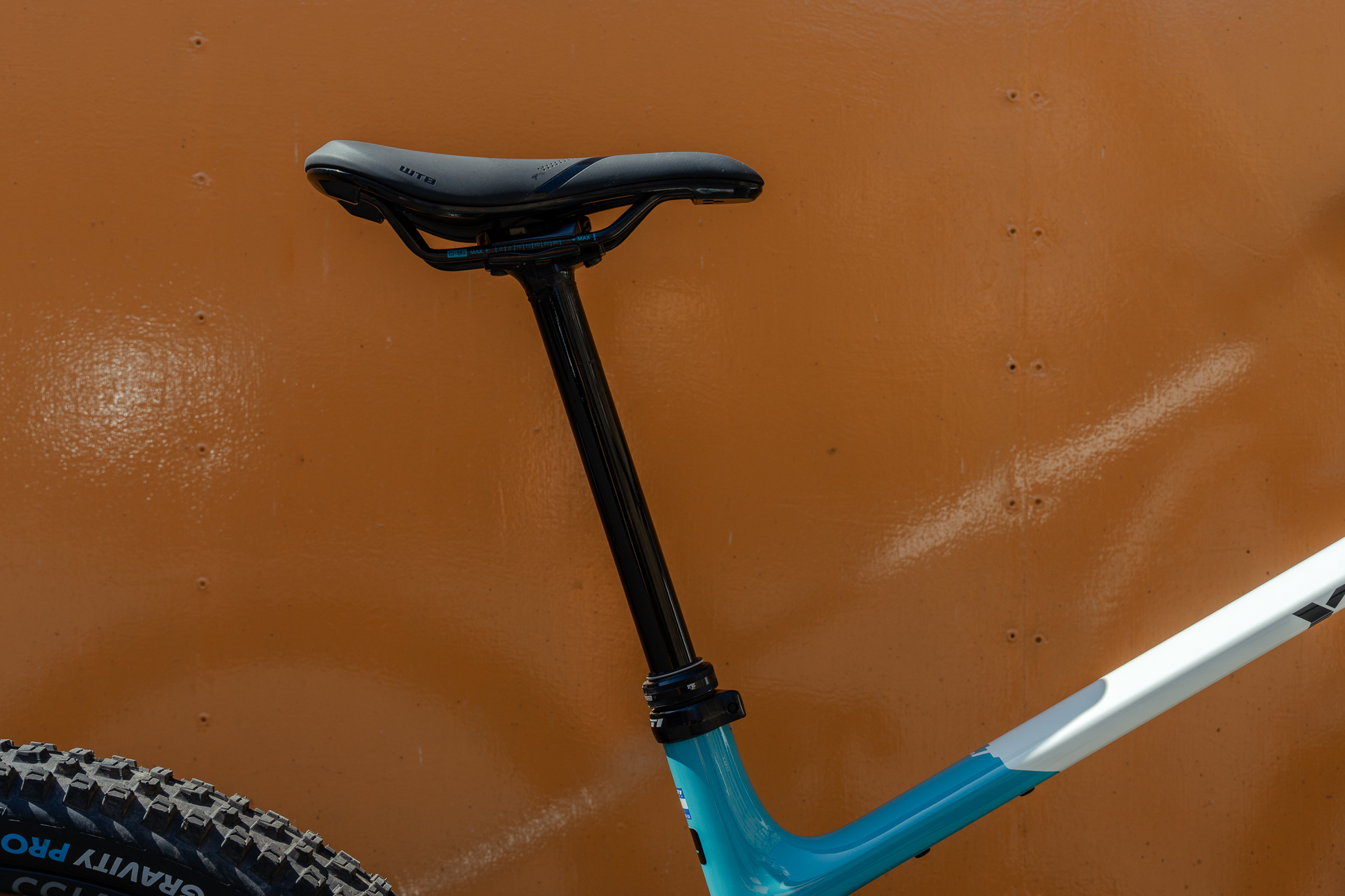
Part of me wonders if it’s the modern trend toward longer chainstays (and steeper seat angles, longer reach etc) that has enabled Yeti to package the Sixifinity six-bar layout into a full 29er bike. In other words, Yeti was able to move on from the Switch Infinity once the world was ready to accept longer bikes. Another more cynical part of me wonders if it’s also to do with e-bikes and the particular packaging restrictions that come with having to fit a motor into the mix somewhere.
I imagine it’s probably a combination of both.
Being pseudo professional for a minute, the overridng feel I got from the Sixfinity – and the bike as a whole – was one of impressive balance, composure and comfort. It was an easy bike to ride. Not in a trail-flattening sterile way. I mean ‘easy’ in a not always hunting around for body position type of way. I felt in the correct/best position on the bike all of the time. And this was on a Large. I usually find Large size bikes a bit small and schizophrenic (stood-up versus sat-down riding) but as a fun all-rounder bike I’d probably stick with Large. Faster riders than me may prefer to size up.
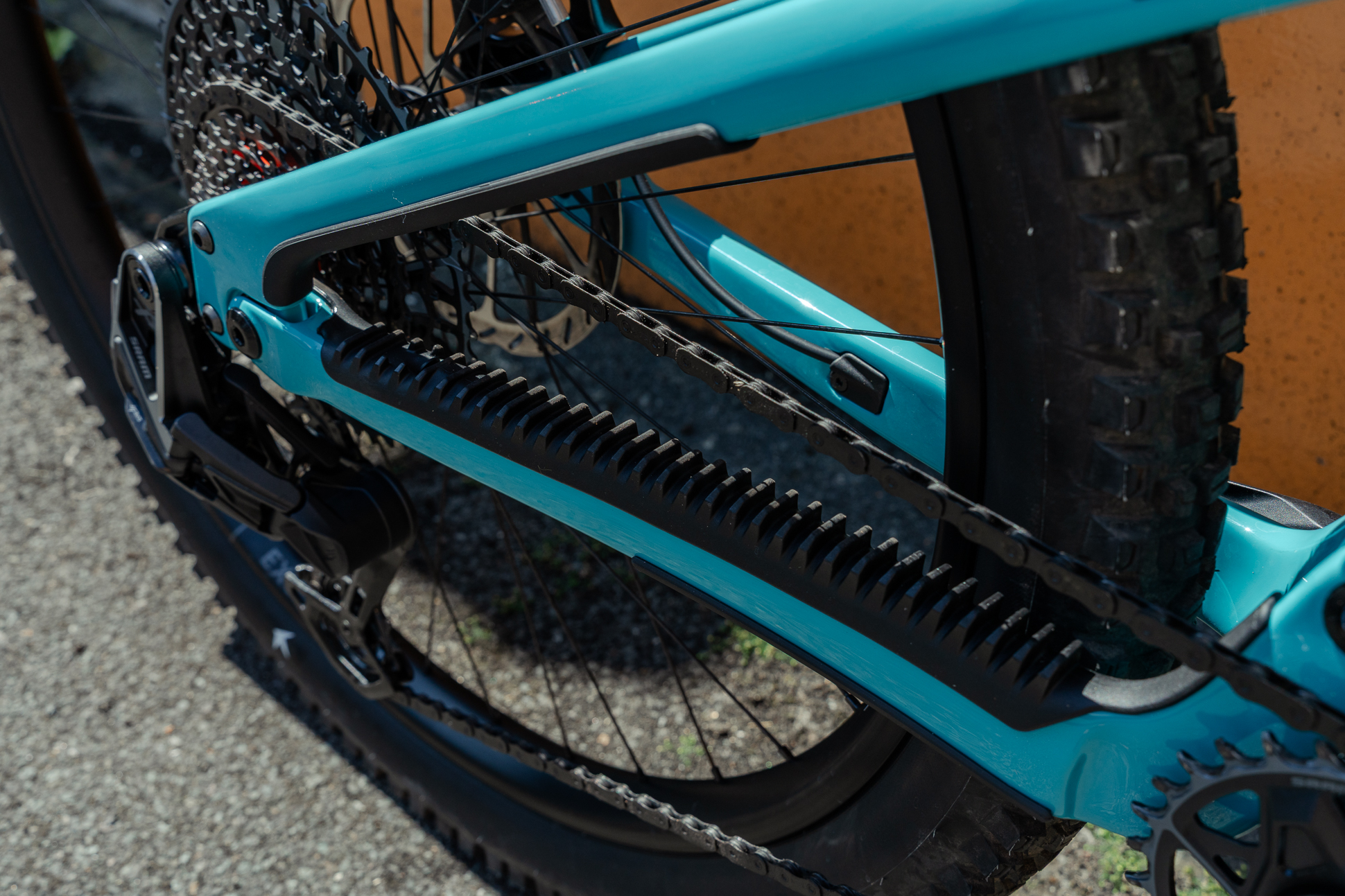
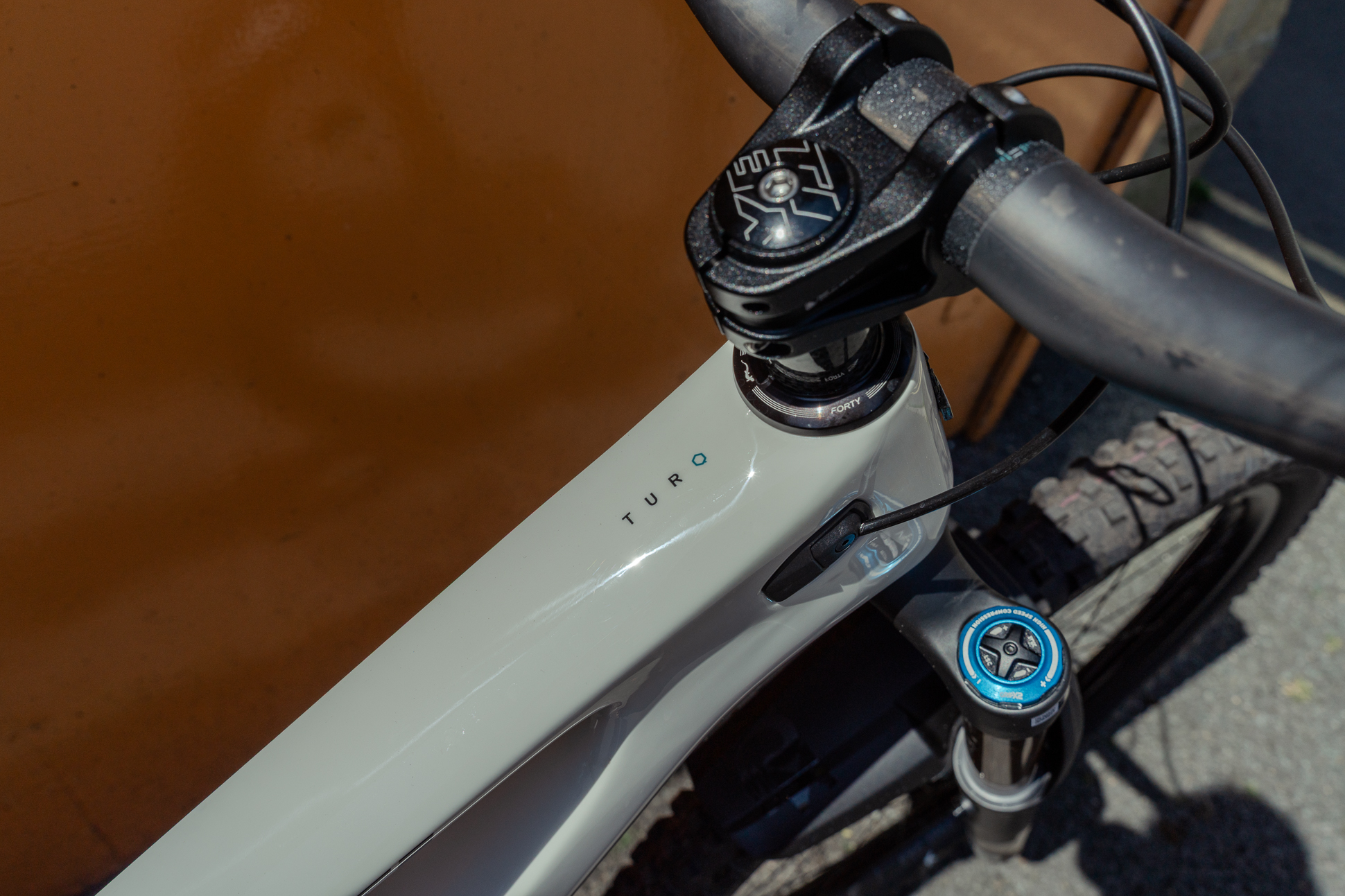
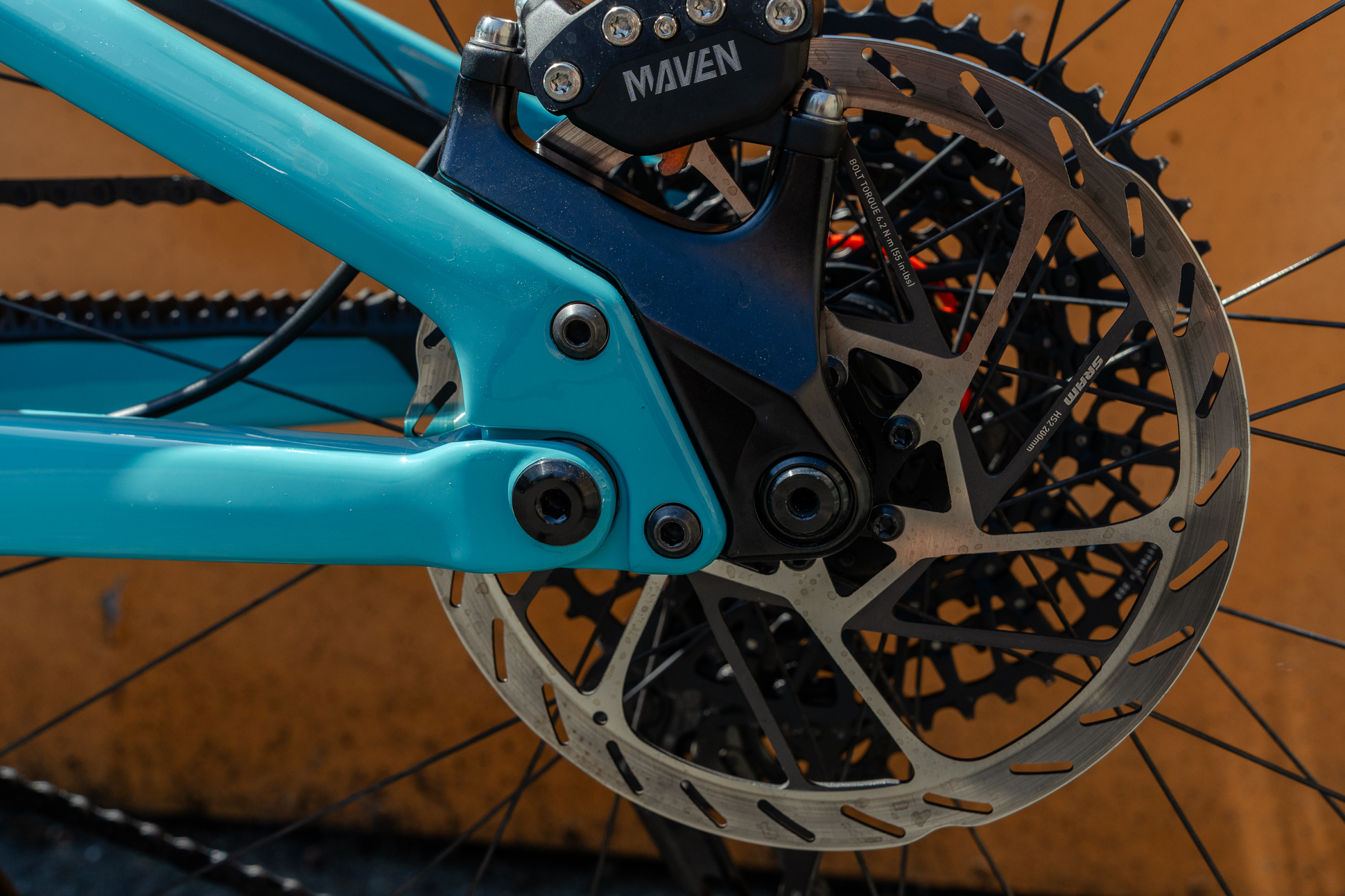
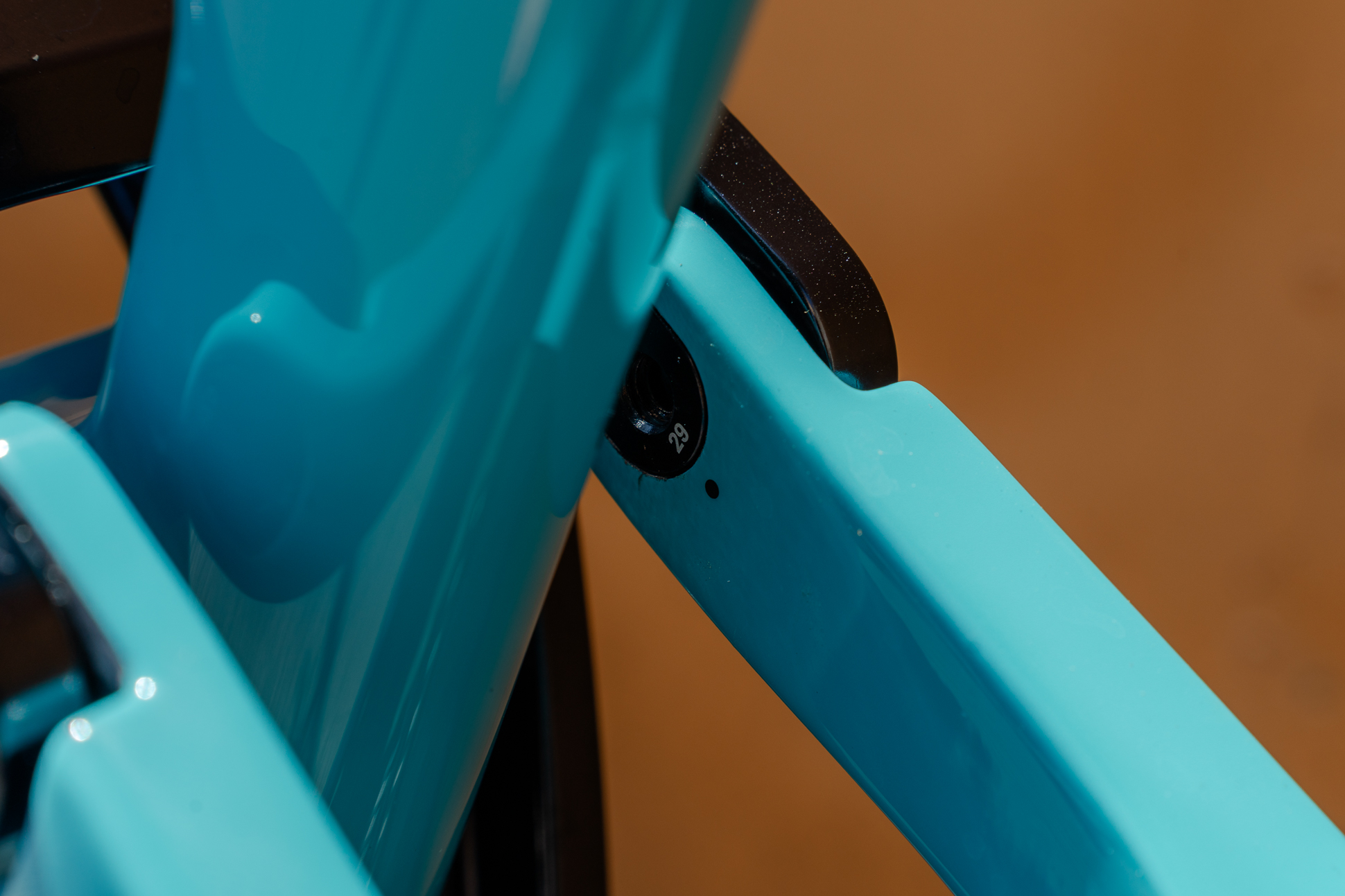
In terms of frame feel, once again I’m kinda loathe to commit to anything after a single day on a bike but… the Yeti LT did not feel overly stiff and unforgiving compared to a lot of carbon bikes. How much of this was the frame and how much was down to the things attached to it (handlebars, grips, new Fox 38, wheels, Schwalbe radial tyres) is hard to say exactly. Nevertheless, I did feel that the Yeti LT rode rather ‘steel like’ (gasp!) in its lack of skittishness and harshness. And bear in mind that the trails are currently as baked-hard as they get in the UK at the moment.
Summing up then. Beautiful looking incredibly expensive bicycle rides really well. Need a whole lot more time on it to assess whether it’s anywhere near excusing its price tag.
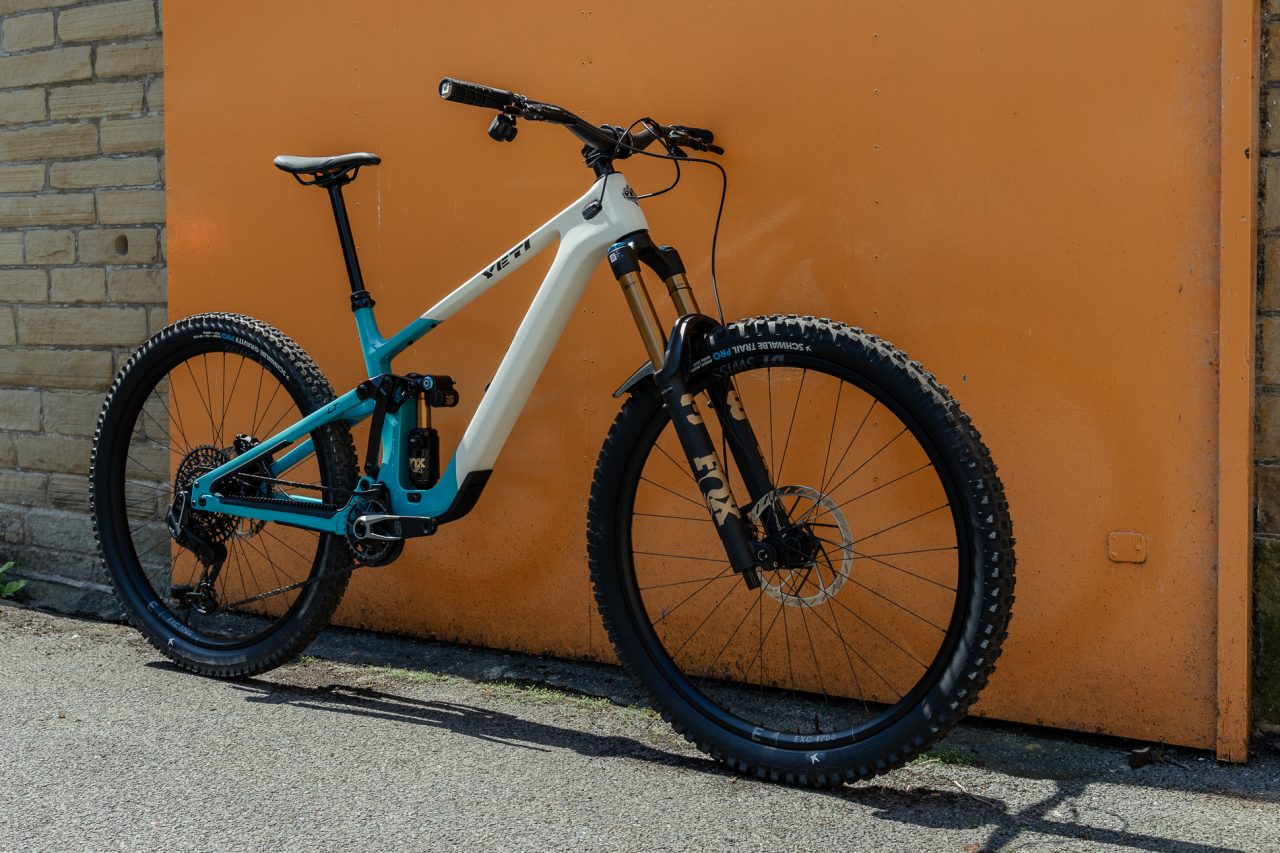
Yeti LT XO Factory specification
- Frame // TURQ Carbon, 160mm
- Shock // Fox Factory Float X2
- Fork // Fox Factory 38 GripX2, 170mm
- Wheels // DT Swiss EXC 1700 EVO 30mm DEG DF
- Front Tyre // Schwalbe Magic Mary Trail Pro Radial Ultra Soft 29 x 2.5in
- Rear Tyre // Schwalbe Albert Gravity Pro Radial Soft 29 x 2.5in
- Chainset //SRAM XO, 165mm, 30T
- Brakes // SRAM Maven Silver, 200/200mm
- Drivetrain // SRAM Eagle XO AXS Transmission, 10-52T
- Stem // Burgtec Enduro MK4 35mm, 42.5mm
- Handlebars // Yeti Carbon 35, 780x35mm
- Grips // ODI Reflex Lock-on
- Seat Post // Fox Transfer, 31.6mm, 210mm
- Saddle // WTB Solano Cromo
- Sizes Available // S, M, L, XL
- Size Tested // L
Geometry of our size L
- Head angle // 64°
- Effective seat angle // 77.5°
- Seat tube length // 430mm
- Head tube length // 110mm
- Chainstay // 455/465mm
- Wheelbase // 1,288/1298mm
- Effective top tube // 626mm
- BB height // 350mm
- Reach // 485mm
Free newsletter
Singletrack
Weekly Word
News, reviews and riding from the Singletrack team — no spam, unsubscribe any time.



So another manufacturer finally agrees suspension was sussed out years ago?
Lovely is that, not that I’ll ever spend so much on a bike without an electric motor.
I thought that frame only price was “optimistic" for a Yeti- looks like its £4699 not £3699..
Yep, soz. ‘Twas a typo. £4,699 it is.
“So another manufacturer finally agrees suspension was sussed out years ago?”
It’s not a Horst link, or any other 4 bar. It’s not even a linkage driven 4 bar like an Enduro or Demo or Knolly. It’s a true 6 bar.
I am looking forward to the new mod travel Yeti being released in August