The new Trek Fuel EX captures what a trail bike should be: agile, reactive and fun. All in an easy-to-ride package.
- Brand: Trek
- Product: Fuel EX 8 (Gen 7)
- Price: £3,200
- From: Trek Bikes
- Tested by: Aran and Benji for 5 months

Pros
- Easy and fun to ride
- Excellent kit
- Short ‘n’ straight seat tube for maximum droppering
Cons
- Grips too fat for smaller hands
- Er…
- I don’t like red paintjobs
Our rating
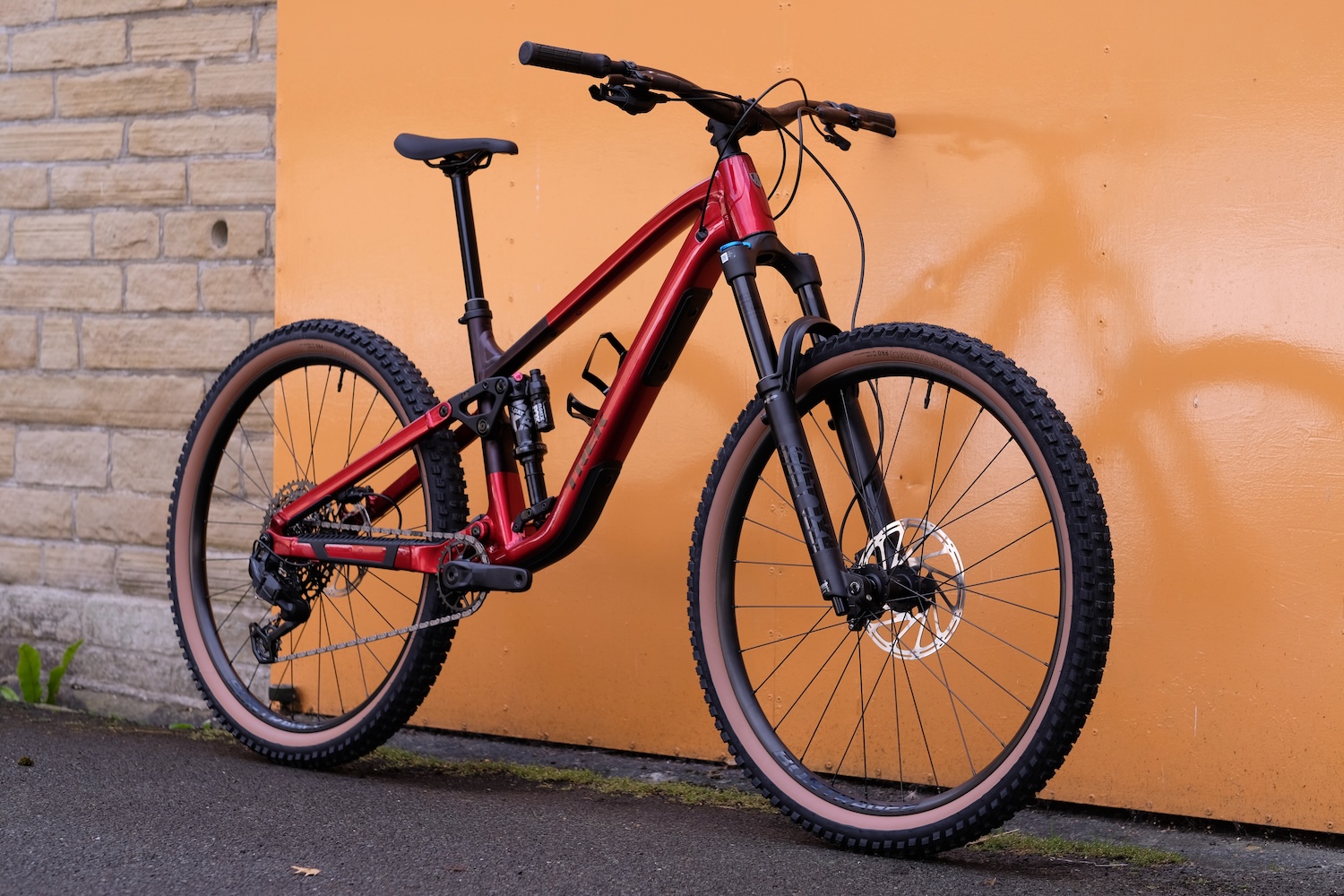
Whilst the new Trek Fuel EX 8 is brilliant, I am going to start with the few things I don’t like and get that bit out the way!
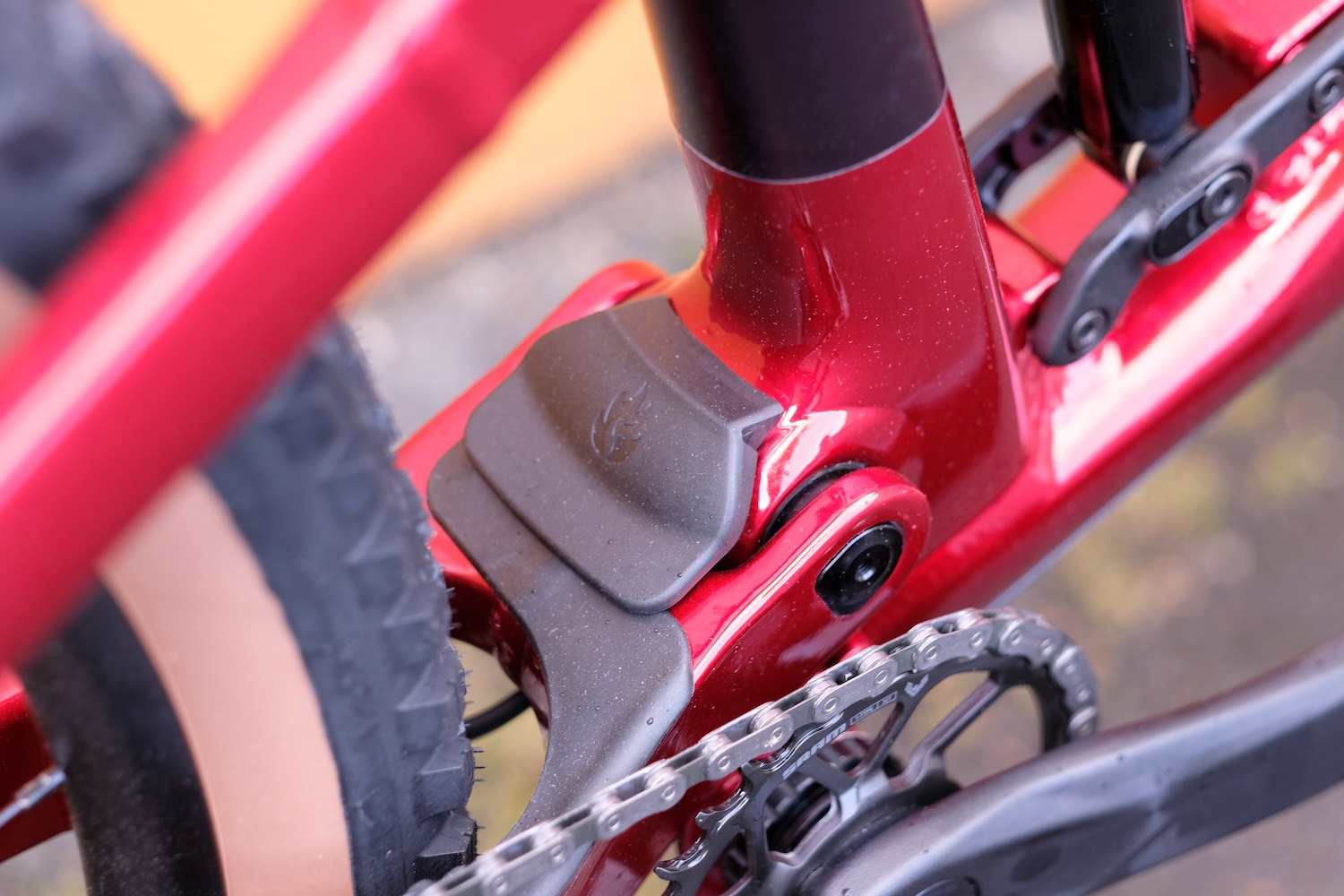
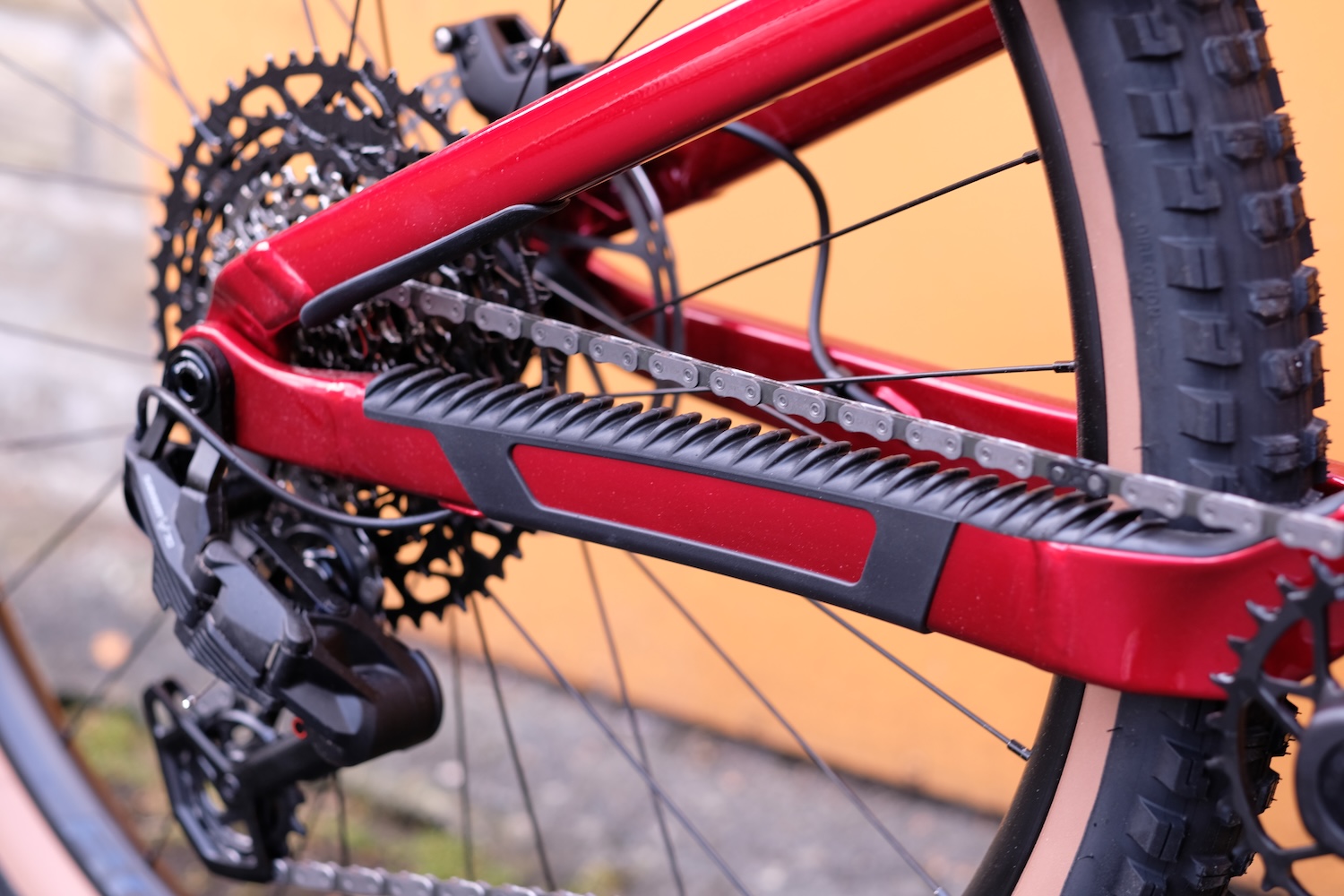
It’s not a very quiet bike, the cables are a bit rattly and despite some pretty full on chainstay protection there is still some chainslap (the clutch force on the SRAM Eagle 70 mech is not very high). It’s not a light bike and it’s really not a light bike when you put some more capable tyres on it. Regardless of its ‘scale weight’, its ‘trail weight’ still affords a very playful and pedal-efficient ride.
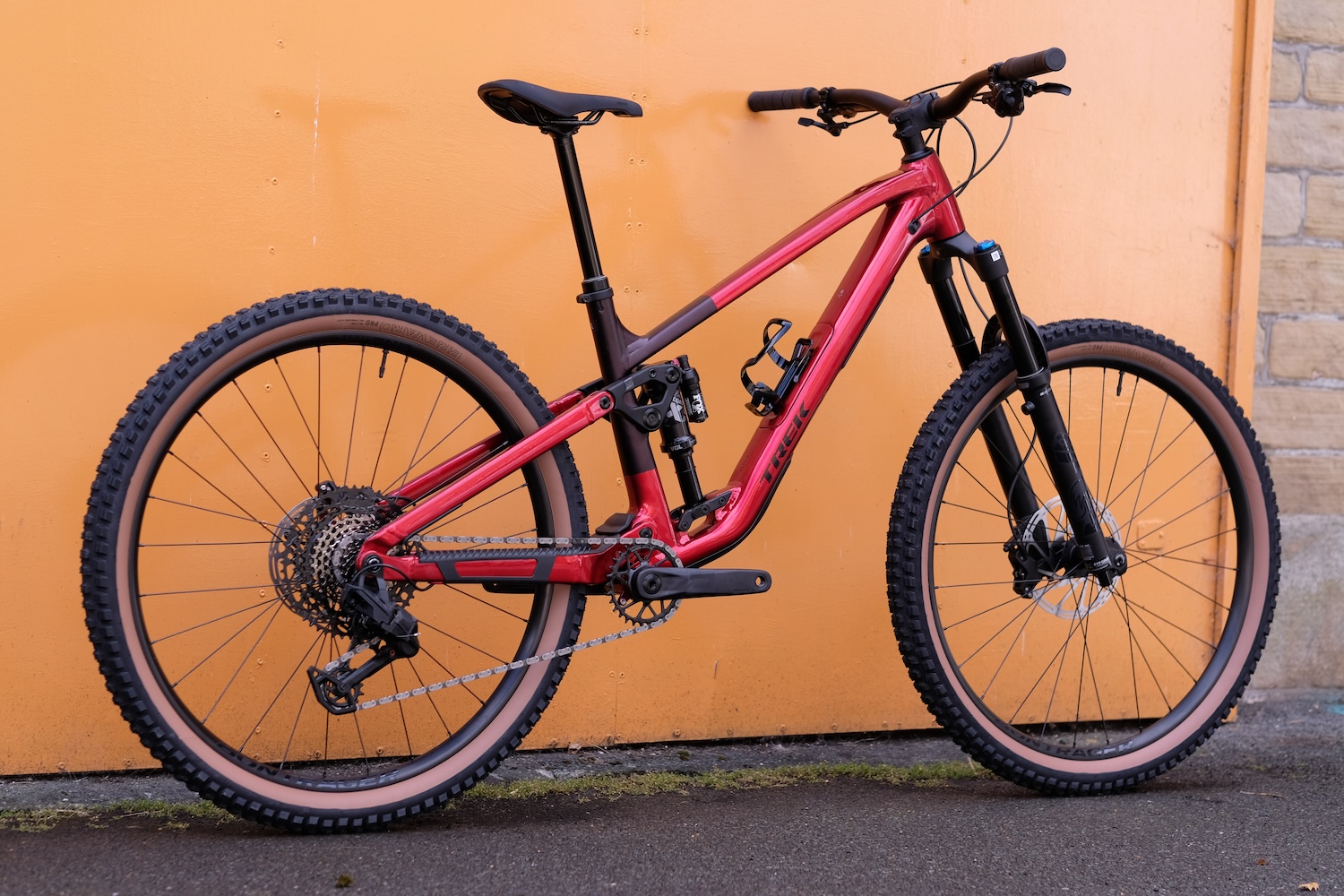
Trek claims that the new frame design adds stiffness compared to the previous generation Fuel EX. And sure enough, the bike does handle in a nice, responsive sort of way; you really notice how nicely it pops out of corners and accelerates when working the trail.
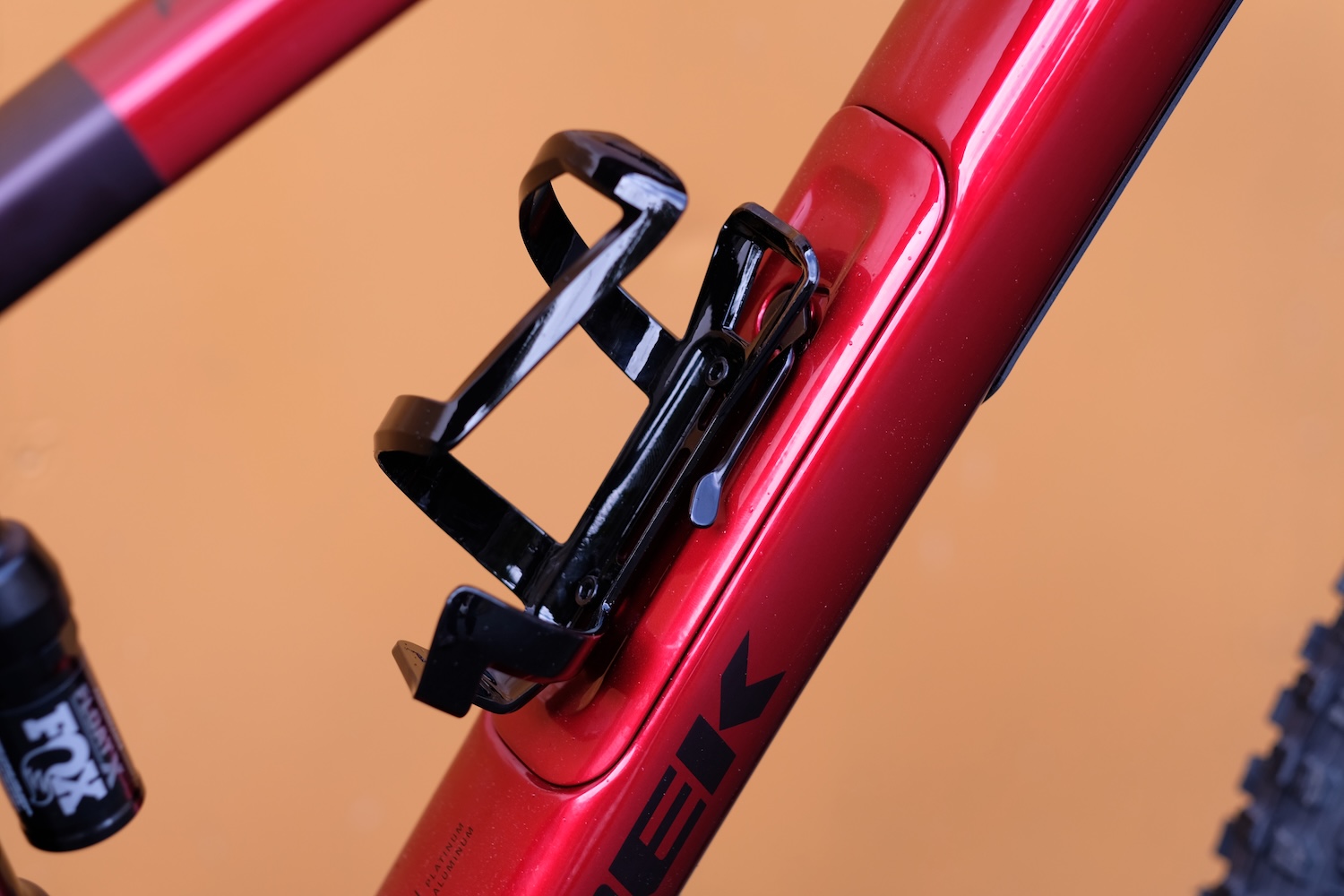
The straight seat tube allows for lots of dropper insertion (200mm post on this Large). The space within the front triangle has also enlarged. You can now fit a full size bottle in there and there’s still room for the second set of accessory mounts too.
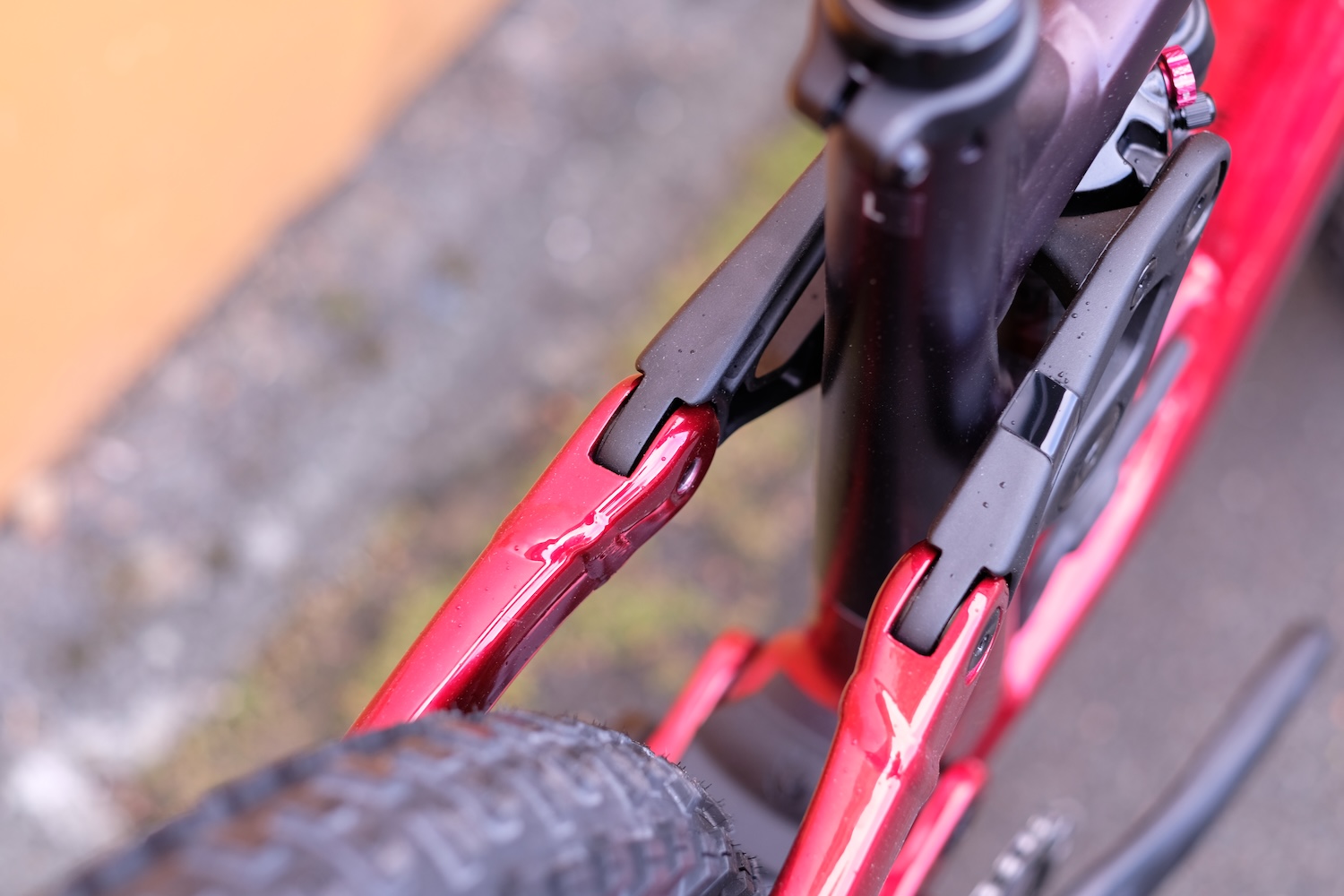
The Fuel EX pedals decently well, both when sprinting and on longer seated climbs or contours. There seems to be very minimal pedal bob and – with the new steeper seat angle – the riding position is great for longer stints in the saddle.
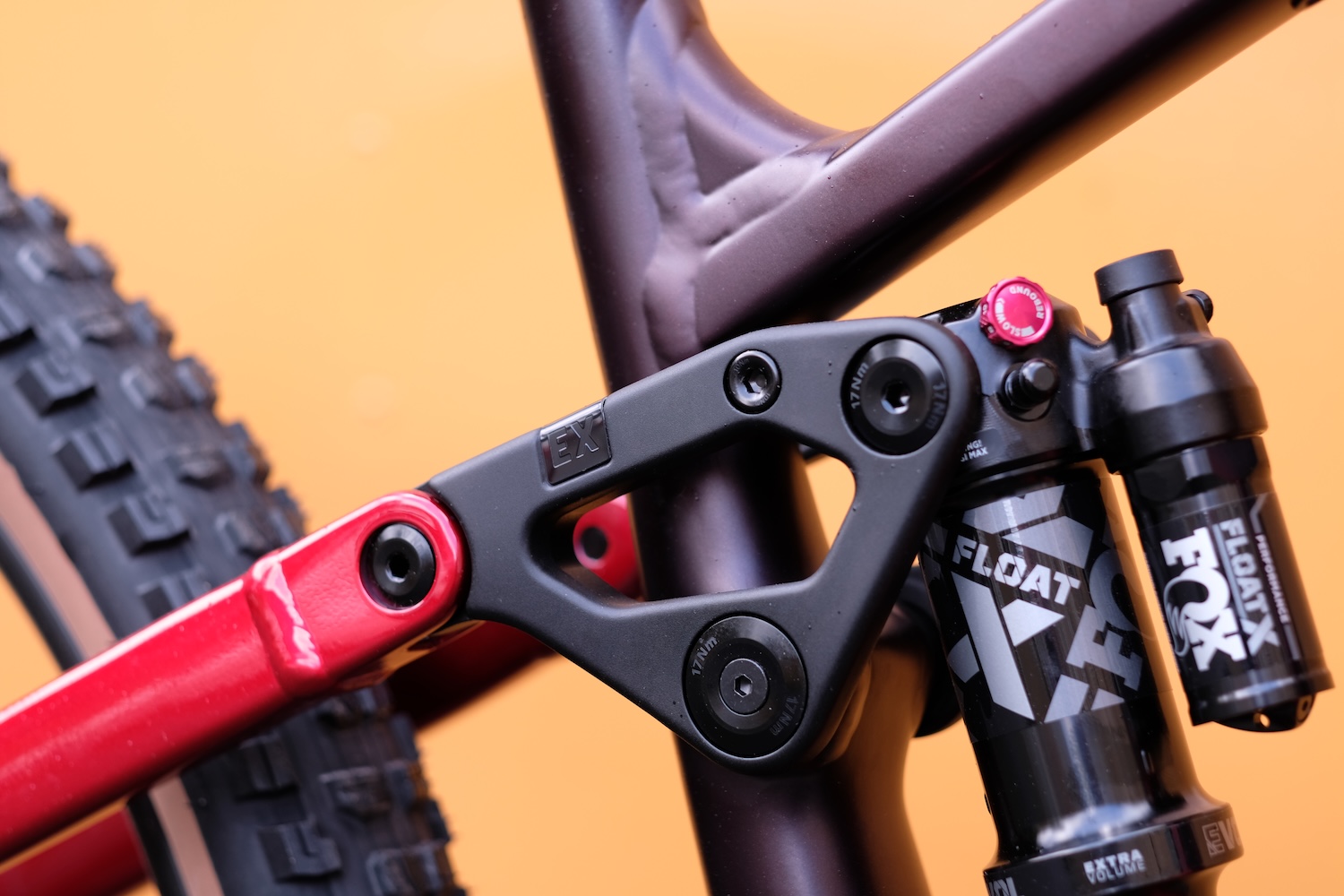
The potential modularity of the new Fuel range is cool. Essentially, instead of the modest alterations afforded by previous MinoLink Fuels, you can swap out the rocker link for an MX (mullet) or LX (longer travel). Changing the rocker isn’t a cheap tweak (RRP £99.99), but it is cheaper than buying two bikes.
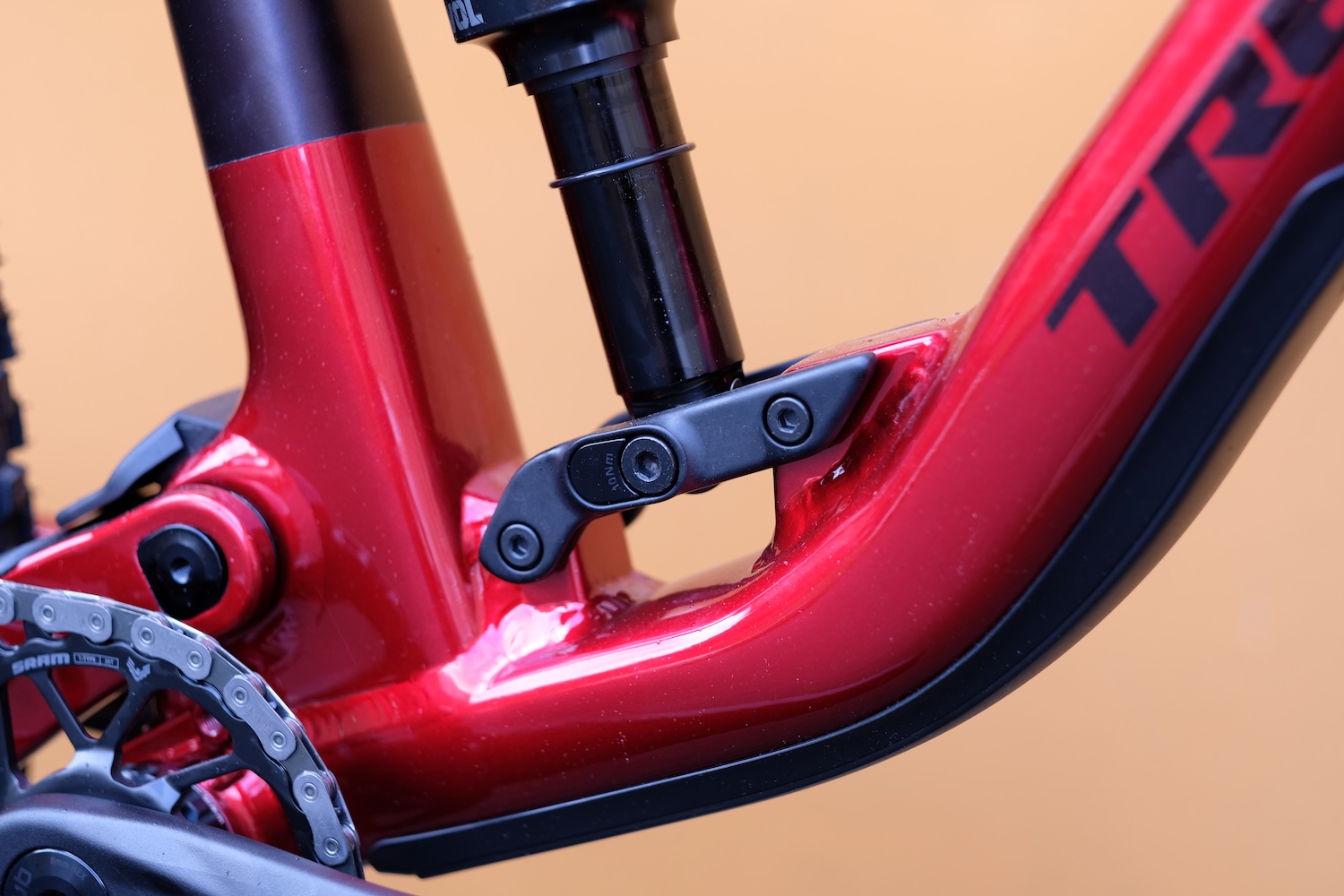
However, there are still some small changes you can make. You can adjust a flip-chip on the lower shock mount to fiddle with the progression. Bringing the mounting bolt closer to the back of the bike you get more progression. With the chip the other setting the shock is more linear. This is only a 5% change, but it could be all you need to dial in your set up. It is easy enough to do between rides, so you could for example flip the chip into the progressive setting if you’re off to a bikepark or something.
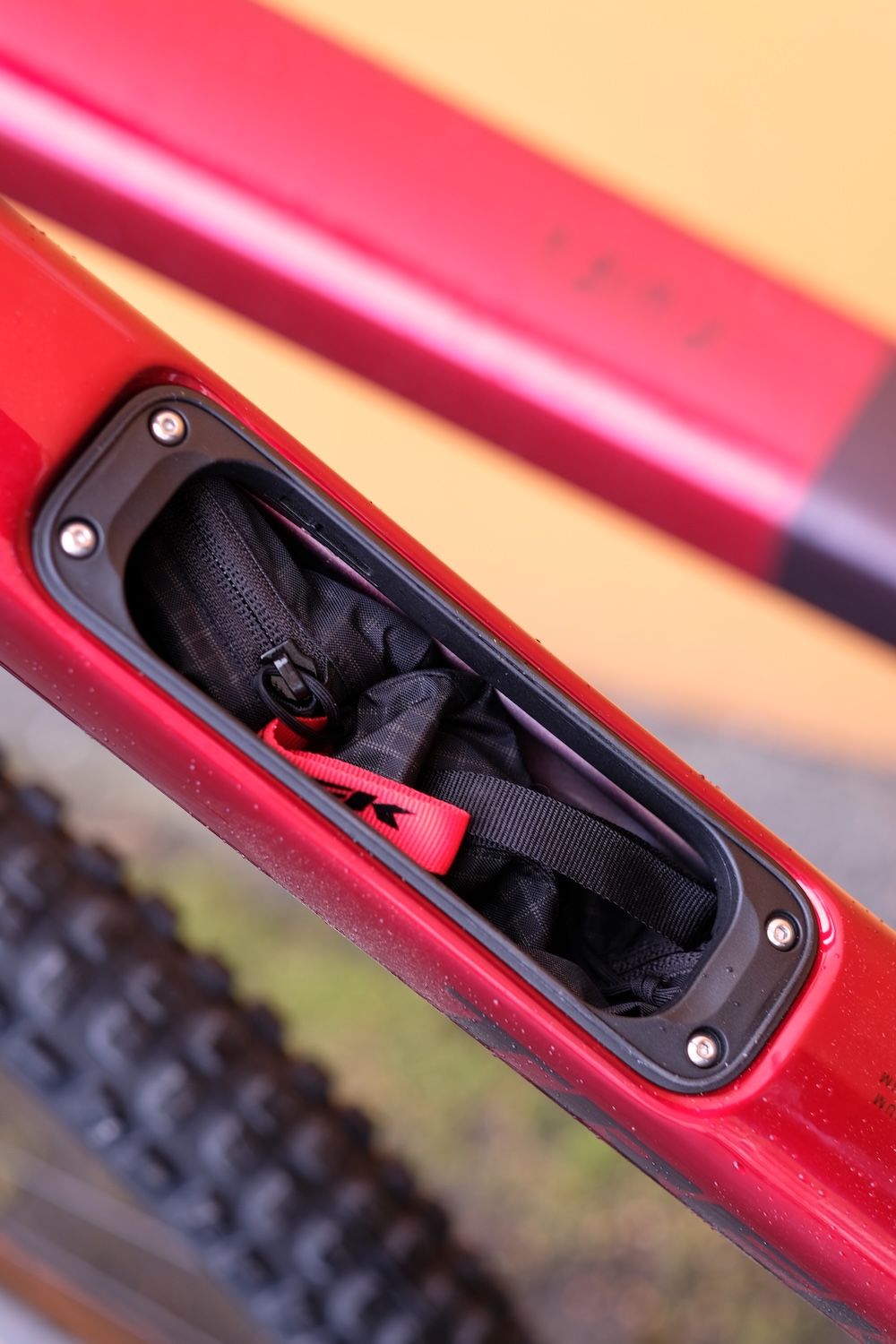
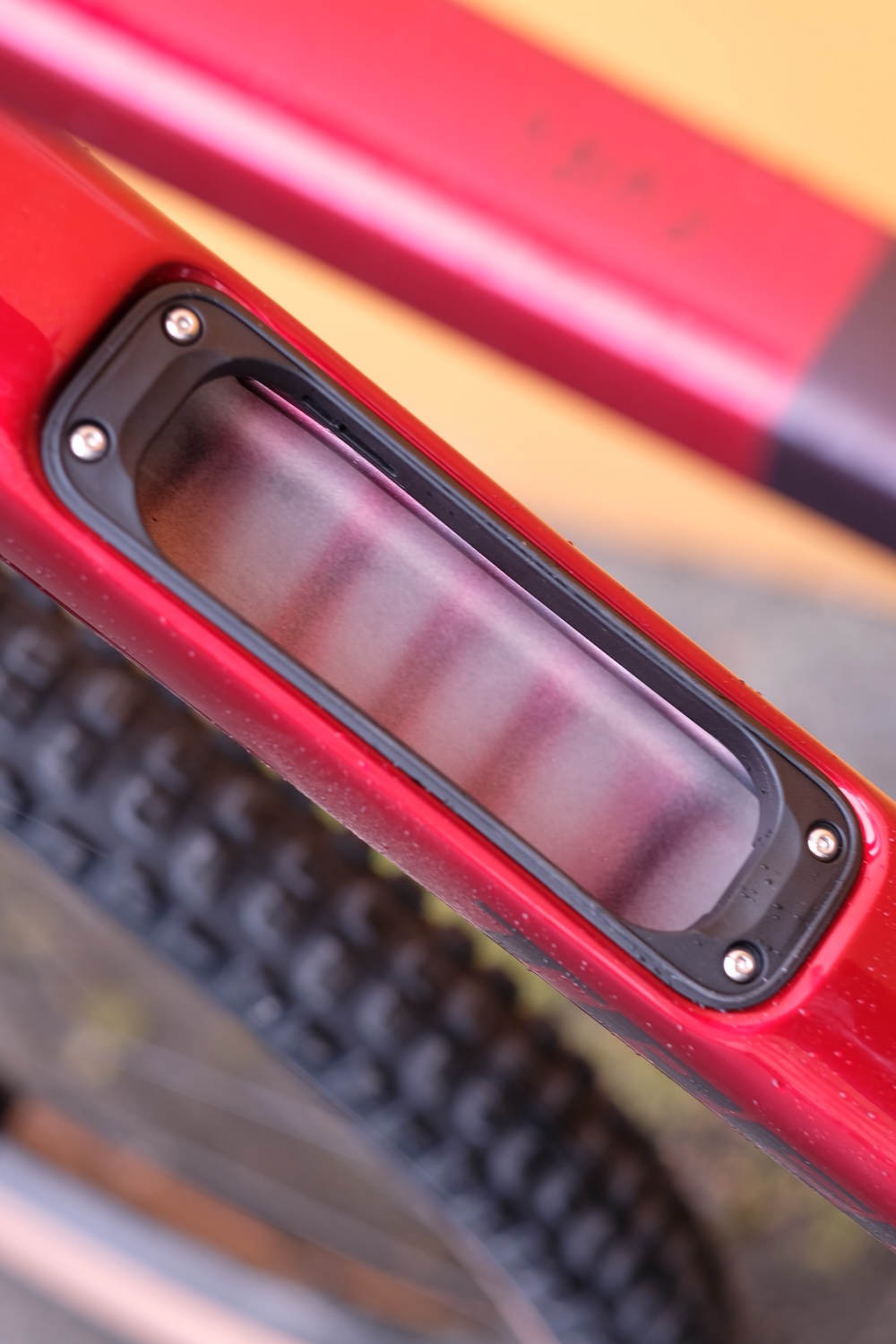
As a bike to live with, the Fuel has been great. As a trail bike, the Fuel is possibly your only mountain bike, and with that it needs to stand up to any punishment you give it. There are plenty of nice considerations here from cables not being headset routed, a larger frame stash box and little rubber flaps to protect the delicates from mud.
The Fuel EX strikes a nice balance: playful, efficient but not too limiting on descents. Firstly, the head angle doesn’t get excessively steep and, as a result, steep tracks feel similar to how they would on a bigger travel enduro bike.
The front/rear 150mm/140mm travel EX isn’t a bike that you can plough straight through rocks, it demands a more considered approach from the rider. But with thoughtful line choice and more measured riding the Fuel EX is incredibly capable. A strength of the Fuel EX is that because it requires better line choice, its nimble nature allows great ease in picking out smooth and creative (fun) lines.
If the Fuel EX is going to make you a better rider it won’t be through ‘travel compensating’ your skills, but by encouraging you – and helping you – to take a more thoughtful approach to technical riding. All this said, the Fuel EX is really capable. I’ve taken it on the classic ‘big days out at the Golfie’, ridden some pretty rough local tracks and even (mates) raced downhill on it.
Tweaks and changes
The 40mm rise bars are great. I shortened them to 750mm width, as it my preference. I am personally favouring narrower bars, and I do reckon a narrower bar does serve to enhance the playful character of the Fuel EX.
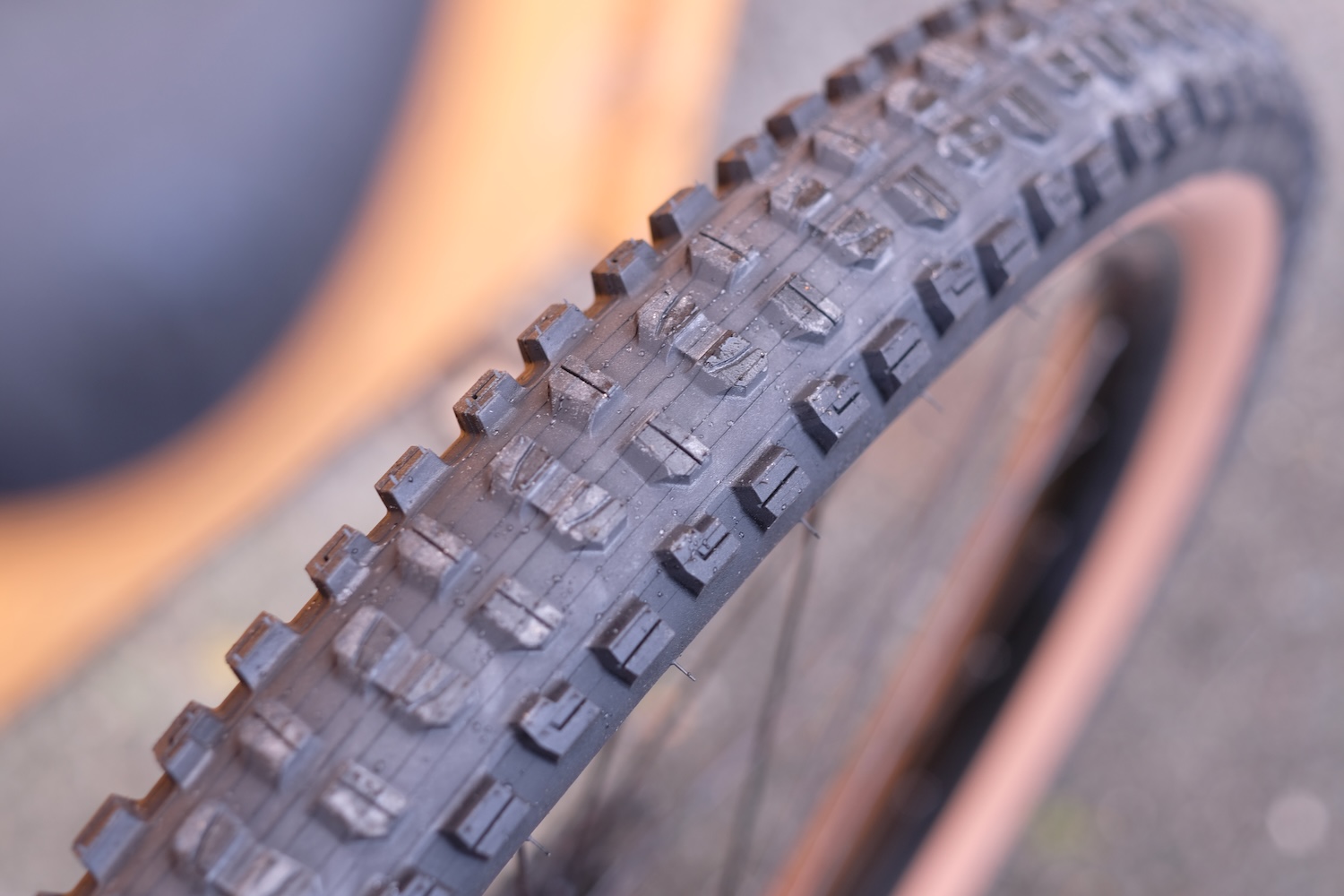
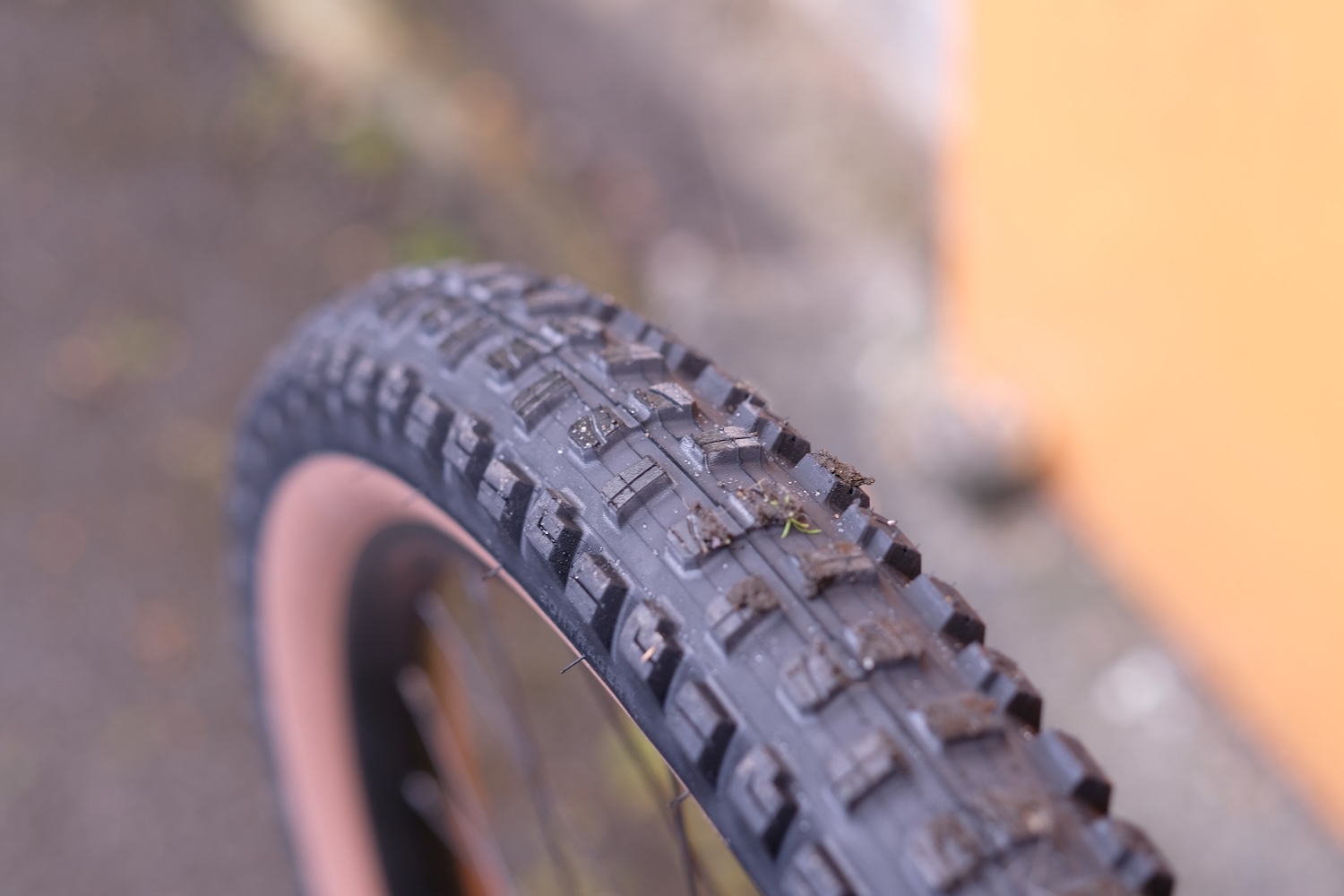
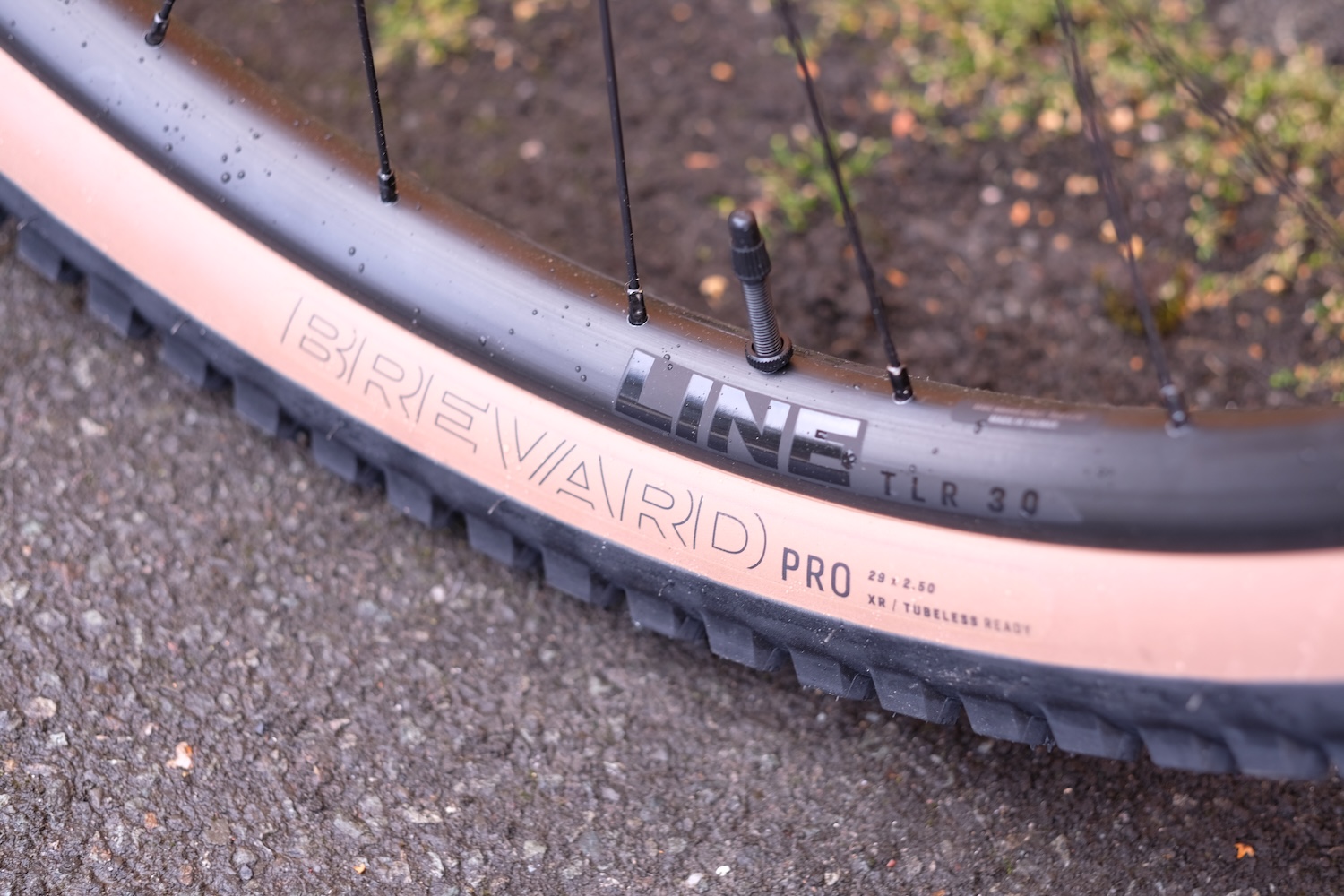
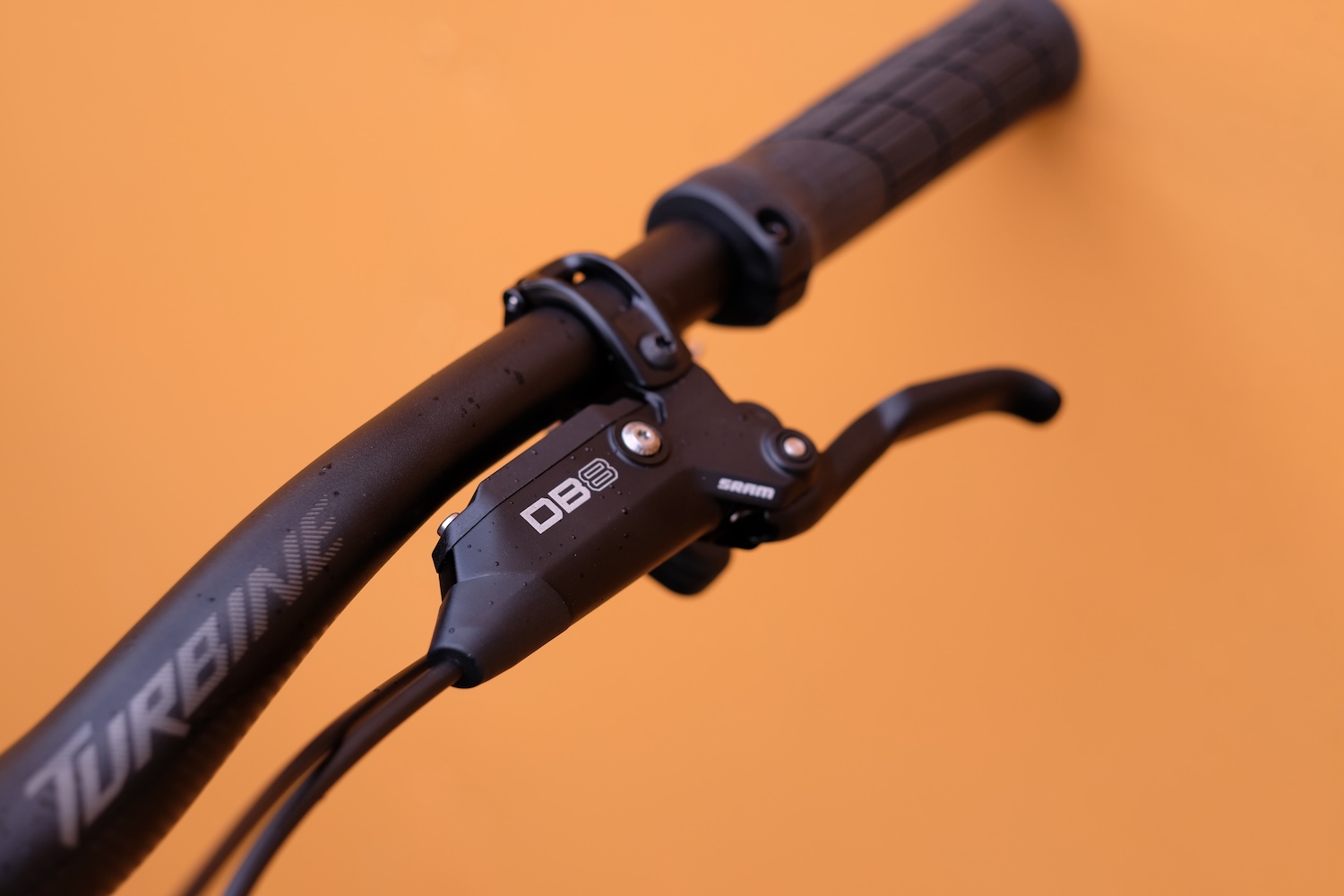
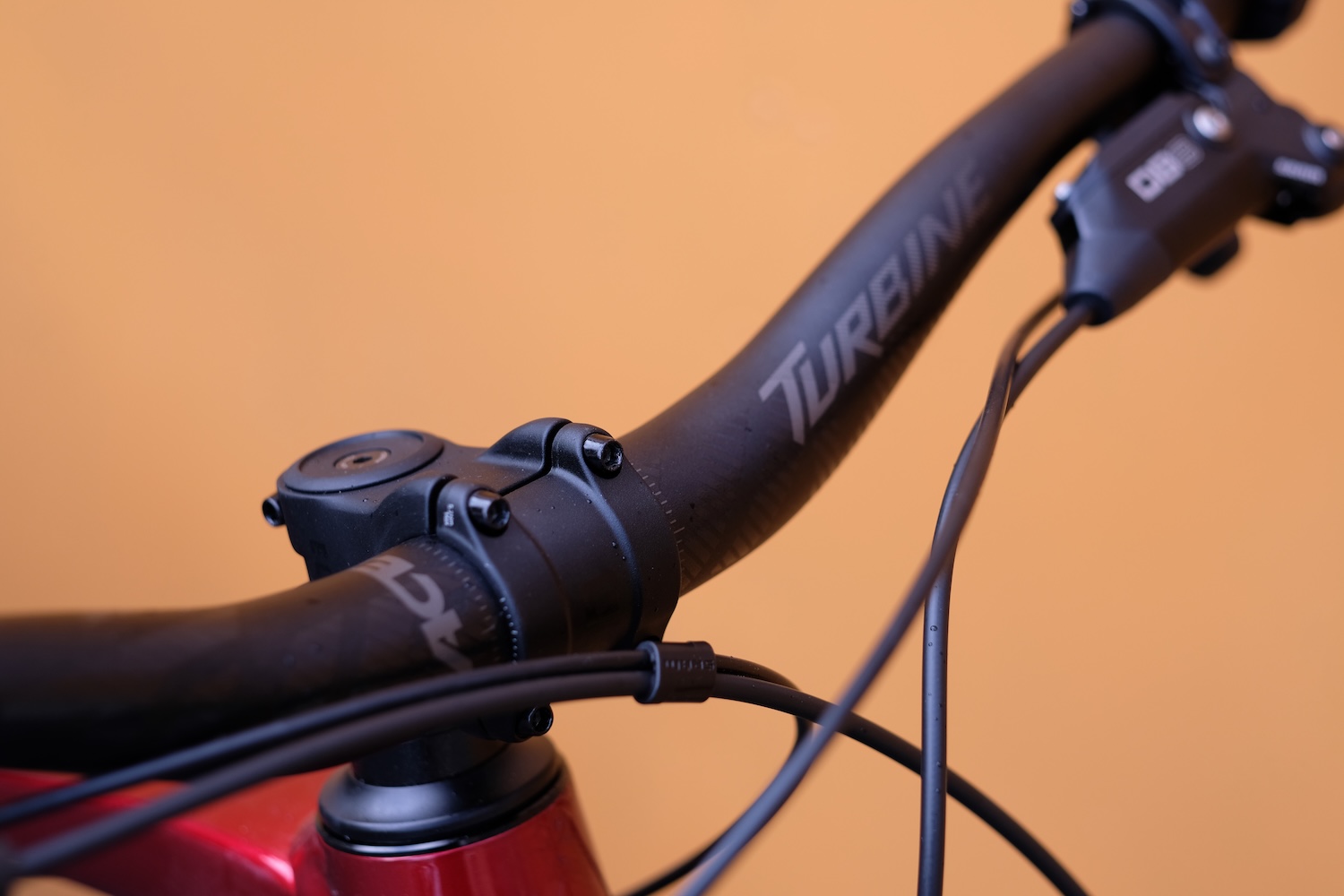
I did play around with the two different lower shock mountings. I found the ‘more linear’ setting to be excellent – especially in wet conditions when you’re not riding at high velocities. I would run it in the ‘progressive’ setting for drier (faster) conditions.
Spec chat
On the whole I was pretty satisfied with the spec of the Fuel EX. The SRAM Eagle 70 drivetrain – although a bit noisy over rough ground – never skipped a beat. The SRAM DB8 brakes worked well enough. The suspension platform was unproblematic.
I did however find that the Bontrager wheelset struggled when hitting corners really hard and riding rougher tracks; by the second month, spoke-tightening and wheel-truing was becoming a regular job.
The EX 8 tested here is the second step up from base spec aluminium and I would say hits the sweet spot of price and quality. The spec is certainly good enough to warrant not spending over £1000 extra to get the next model up. The gloss red and black colourway is nice too.
Overall
The new Trek Fuel EX captures what a trail bike should be: agile, reactive and fun. All in an easy-to-ride package. I would be happy to race the occasional enduro event on the Fuel EX. I would also be happy to take it on a big long mission into the hills. Aluminum bikes are great and the Gen 7 Fuel EX is a great little do it all weapon. It is nice to have the options to change rear wheel size and/or travel, but I reckon the standard EX is a great starting point and – for most – it will be just right.
Trek Fuel EX 8 specification
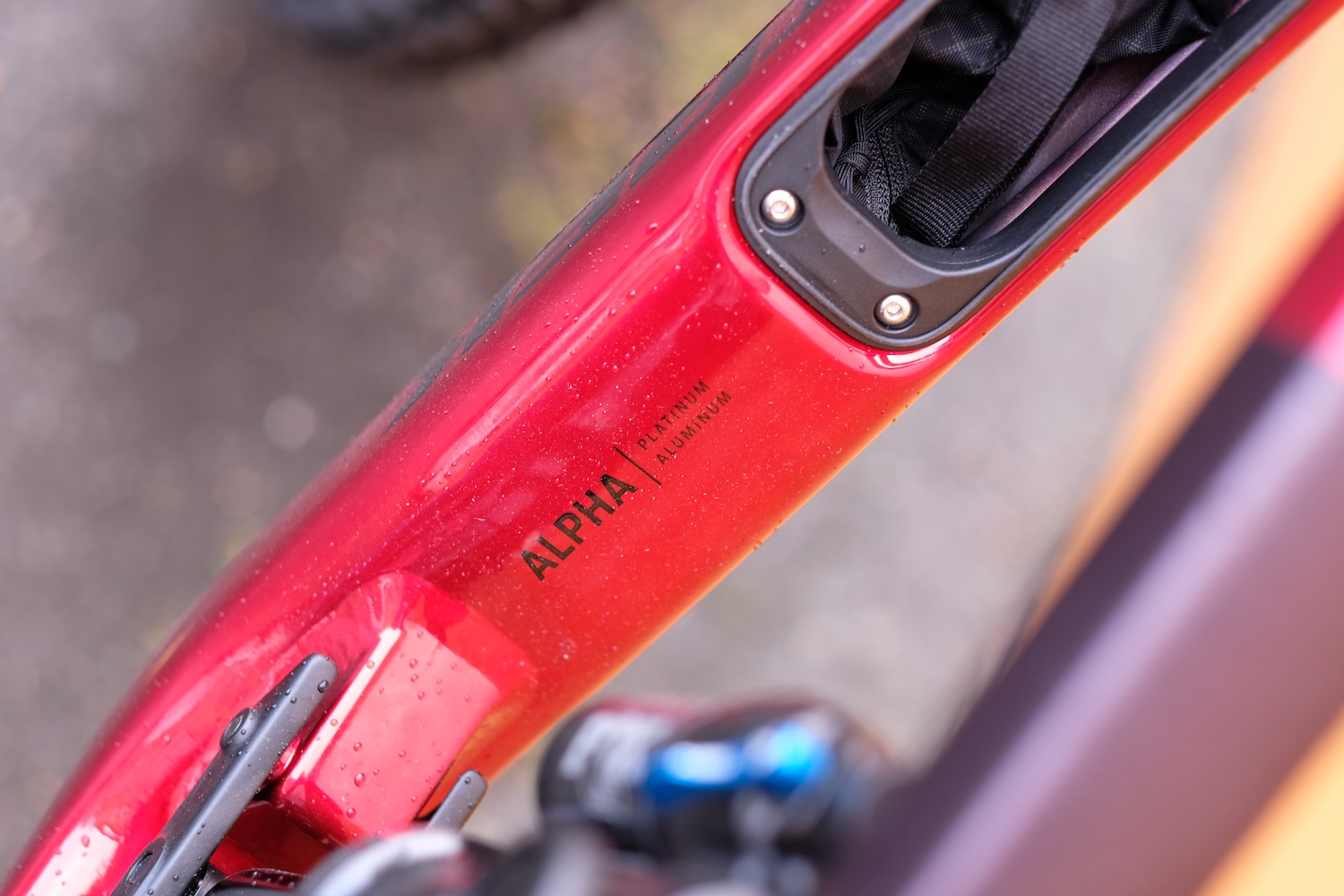
- Frame // Alpha NEXT Platinum Aluminum, 145mm
- Shock // Fox Float X Performance, 205x60mm
- Fork // Fox 36 Rhythm GRIP, 150mm
- Wheels // Bontrager Line Comp 30
- Front Tyre // Bontrager Brevard Pro XR 29×2.5in
- Rear Tyre // Bontrager Brevard Pro XR 29×2.5in
- Chainset // SRAM Eagle 70, 170mm, 30T
- Brakes // SRAM DB8 4-pot, 180/180mm
- Drivetrain // SRAM Eagle 70
- Stem // Bontrager Elite 35, 45mm
- Handlebars // RaceFace Turbine 35, 780x40mm
- Grips // Bontrager Lock-on
- Seat Post // Bontrager Line dropper, 34.9mm, 200mm
- Saddle // Bontrager Verse P3
- Sizes Available // S, M, L, XL, XXL
- Size Tested // L
- Weight // 16.6kg
Geometry of our size Large
- Head angle // 64.5°
- Effective seat angle // 77.4°
- Seat tube length // 420mm
- Head tube length // 125mm
- Chainstay // 442mm
- Wheelbase // 1,269.1mm
- Effective top tube // 616.9mm
- BB height // 35mm BB drop
- Reach // 480mm
Benji’s first ride review from August 2025:
The intention of the Fuel EX remains as it has been for quite some time. It’s a 29er trail bike. It’s available in carbon, if you like that sort of thing. We’ve got the aluminium Fuel EX 8. And I’m very pleased about this. Metal is ace.
It’s possibly easier – and more revealing – to list the stuff that the new (Gen 7) Fuel EX has ditched from its previous incarnation. No more MinoLink flipchip geometry adjust. And no more kinked seat tube.
The move away from MinoLink is welcome. It never really adjusted anything significantly. For the new Fuel EX range, Trek are going down the route of whole new rocker links (three in total) and shock mount brackets (two available) for those who want to mess with such things. This is a much better way of doing things properly, as opposed to token effort flipchips. Even if the ‘real’ reason may well be cost-saving.
Regarding potential cost-savings, Trek has dropped from eight to five frame sizes. It has also re-distributed the reach figures between Medium and Large size. Again, this is a welcome move.
The move to a straight seat tube is one of the two standout frame changes for me. I really don’t like kinked seat tubes. They interfere with running decent length dropper posts as well as often putting the saddle undesirably rearward bias for taller riders (which makes bike climb worse and generalyl be less efficient under pedal power). The new straight seat tube really opens up the capability of the Fuel EX, more than any other change.
Having said that, the other standout frame change is the higher front end. More stack, longer head tube. Call it what you will. Paired with a (halle-freaking-lujah!) decently high rise handlebar (40mm), the riding stance of the new Fuel EX is genuinely excellent. I could just get on and ride the thing like a modern, sorted trail bike.
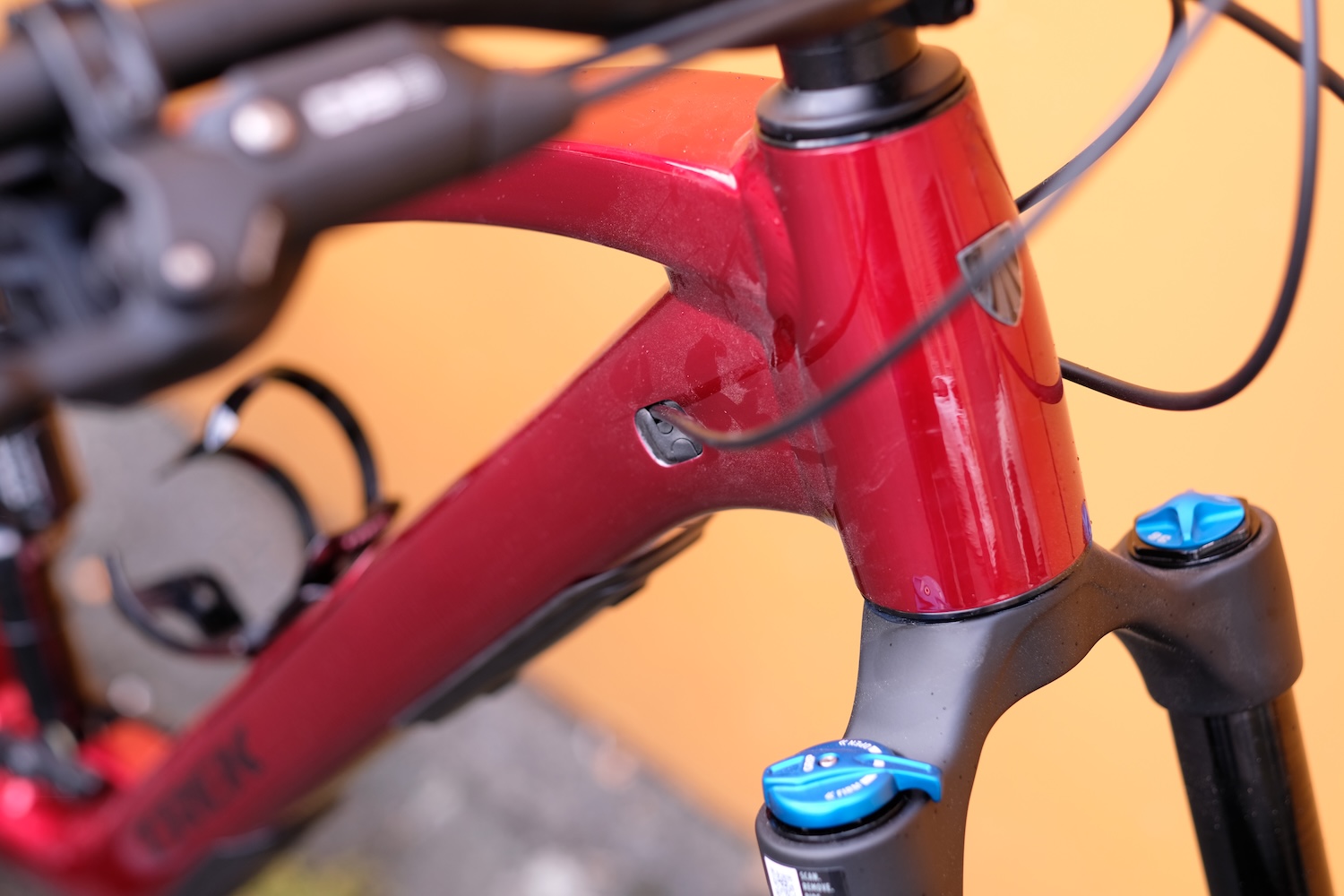
While we’re up at the front end of things, kudos to Trek for avoiding thru-headset cable routing. And the headtube uses the ZS49/ZS56 standard which means you can run angle/reach-adjust headsets should you want to fine tune things further down the line.
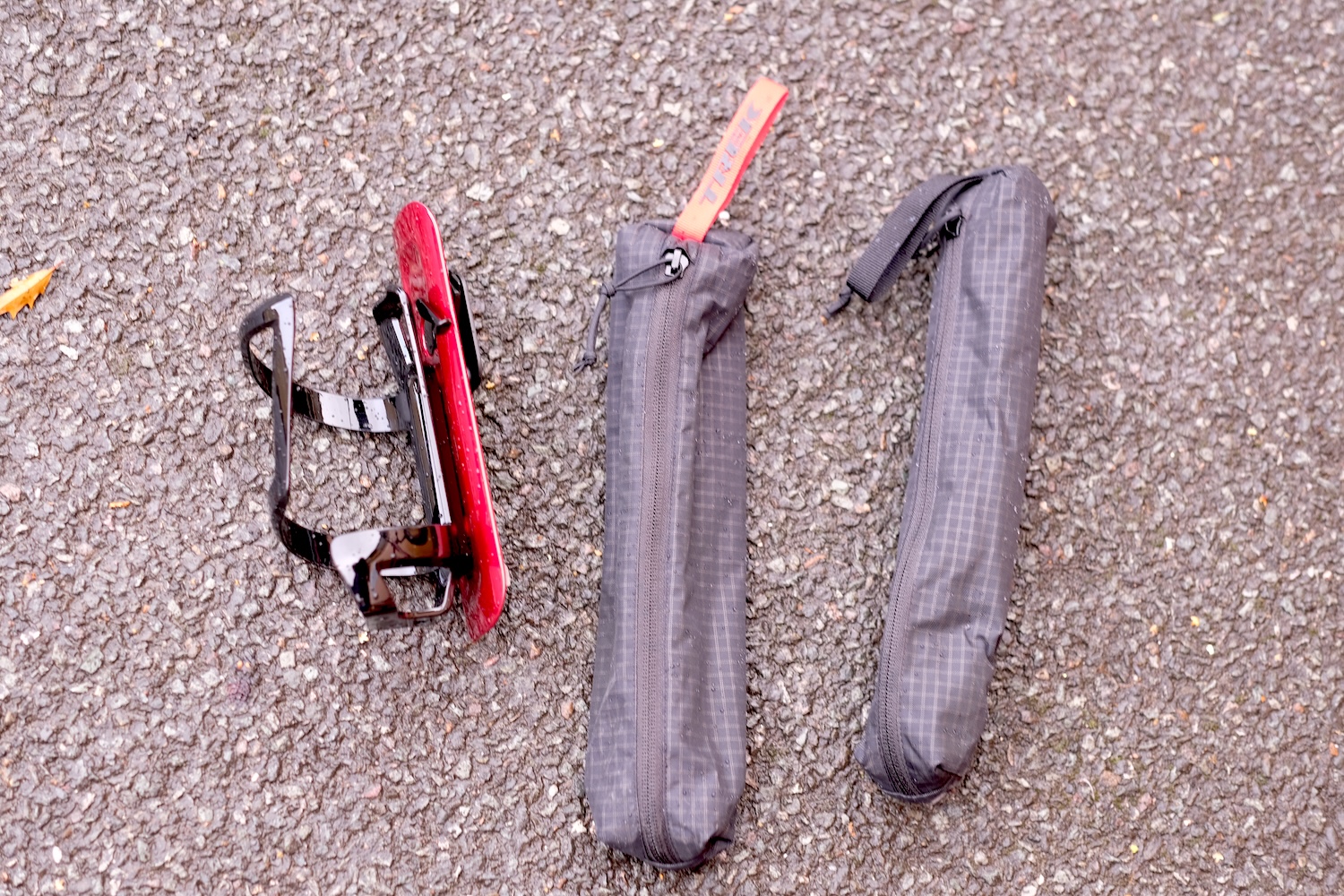
The down tube features a revised version of Trek’s internal frame storage. The opening is bigger. The seal is tighter. There’s two sausage bags in there. And the cables are better tucked away from interfering with inserting/removing the sausages. The storage lid is where you attach a water bottle, which can be a full-size bottle as front triangle room is more than ample.
At the lower end of the down tube is where one end of the rear shock attaches. And it attaches to a bracket now, as mentioned earlier. Within the bracket is a flipchip but it’s not a geometry adjust flipchip; it’s to alter the leverage rate of the rear suspension. The stock (forward) position is less progressive, the other (rearward) position is more progressive. This can be used for switching between air and coil shocks, as well as changing the behaviour of whatever shock you run. I’ve only ridden the bike in the stock position so far.
On the underside of the down tube is a pair of frame protection rubber pads. One for pick-up truck uplifting (or whatever) and one nearer the bottom bracket end of things. Both are welcome as protection from flying rocks. Also rubbery is the new chainstay protector.
Geometry chart
| Size | Seat tube length | Reach | Stack | Effective top tube | Chainstay length | Head angle | Effective seat angle | Actual seat angle | Head tube length | BB drop | Wheelbase |
| Small | 370mm | 430mm | 610.9mm | 549.4mm | 437mm | 64.5° | 78.6° | 72.6° | 95mm | 35mm | 1,189mm |
| Medium | 400mm | 461mm | 624.4mm | 582.7mm | 437mm | 64.5° | 78.3° | 72.6° | 110mm | 35mm | 1,225.5mm |
| Large | 420mm | 480mm | 637.9mm | 616.9mm | 442mm | 64.5° | 77.4° | 72.6° | 125mm | 35mm | 1,261.9mm |
| X-Large | 455mm | 510mm | 651.5mm | 651.2mm | 447mm | 64.5° | 76.9° | 72.6° | 140mm | 35mm | 1,298.4mm |
| XX-Large | 475mm | 530mm | 665.0mm | 680.4mm | 452mm | 64.5° | 76.4° | 72.6° | 155mm | 35mm | 1,329.9mm |
Initial ride thoughts
The Fuel EX 8 gets off to easy start for me because it has a Fox 36 Rhythm fork and Float X rear shock. Two great units that work exceptionally well and don’t have to run fully open all the time. Set the sag, add a few clicks of rebound and get on with riding.
In general the suspension feel is very well matched, both to each end of the bike and the bike in general. It’s not super firm and punchy. Nor is it a wallowy vague mess. There’s a useful, helpful, comfortable bit of ease to the initial suspension that is very nice. There’s no skittish, brittle feeling to the traction. Once off and freewheeling there’s ample support in the middle of the stroke for working the terrain and enjoying accurate, predictable handling.
Once again, metal frame mountain bikes are ace. I’ll hold off saying anything else regarding frame feel until I’ve got a lot more miles under the bike. So far, so rad.
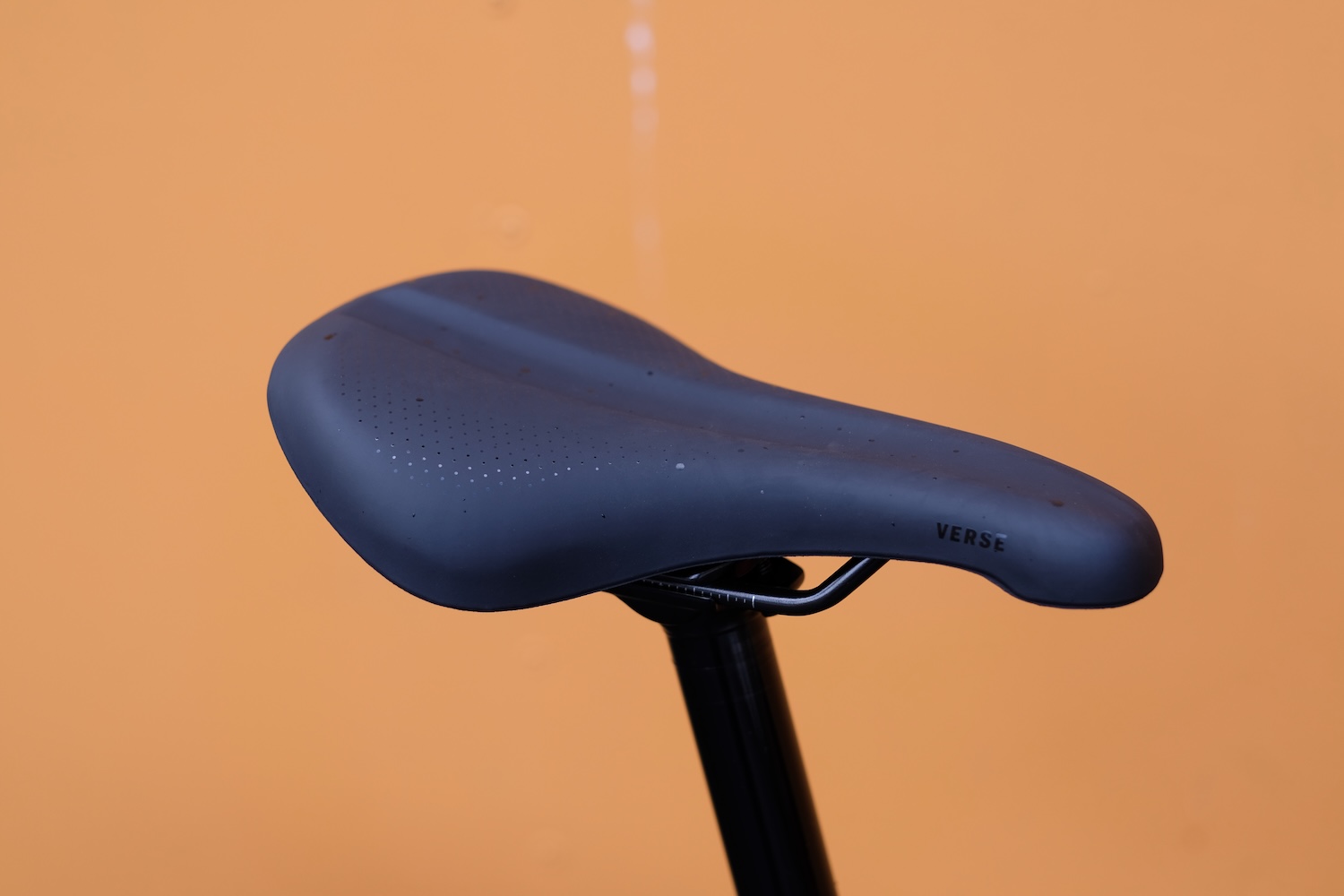
Helping this easy vibe was the location of the contact points. The saddle is fine in neutral position (no need to hammer it forward on its rails to compensate for slack seat angles). The bars are decently wide and pleasingly high (780 x 40mm).
I would caveat this by saying that the saddle and the grips are on the chunky side. I’m totally fine with this. I found them to be really comfy. But people with smaller hands – and less sensitive bum bones – may not get along with them quite so well.
In terms of componentry, the Bontrager items (dropper, wheels, tyres etc) were all fine. The SRAM DB8 brakes are great. I love them in fact. Feel free to put bigger rotors on if you want, but as it is, the DB8 brakes have great feel and power. The cable actuated SRAM Eagle 70 Transmission… er, I haven’t thought about it once. Which is a good sign. Nice that Trek specs a 30T chainring though.
The geometry in general is well rounded. It was certainly an enjoyably ‘pick-and-place’ sort of bike – as opposed to a hurtling brawler – which preferred to be lofted over trail trouble instead of ploughed through, and that’s perfectly fine and valid. There are other longer/lower/slacker bigger travel bikes out there for that.
I’m borderline for a size Large (I’d buy the X-Large and swap in a dinkier stem personally) but I didn’t find I had to be overly careful or hold back on anything/anywhere that a modern trail bike should be able to do. I’m looking forward to many, many rides on the Trek Fuel EX 8. A metal mountain bike that doesn’t have a motor, thru-headset cabling nor an offensive price tag. What’s not to like?

What happened to that geo chart?!
@mtbfix – Oops. Soz. Table display amended now. And a screenshot of the geo chart added too. Because why not? 🙂
Looks like my Roscoe 9 but with a rear shock. I want it!
https://imgur.com/a/bqHccWA
I wonder if the Slash will be replaced with something more modular that combines it with the Session like new Orbea and Lapierre big bikes. Maybe a Session with swappable link or rear end? Or they might just drop if in favour of the Fuel LX.
I took it to Canada and was extremely impressed by it. It’s a very capable descender that saw me going somewhat faster on unfamiliar trails than I normally would. The suspension felt really supple. I could not fault it in any way other than wanting to fit a smaller chainring and I would add a set of higher rise bars as I am a tall fellow and like a higher front end for long days out.
I can’t say that I ever noticed the weight of it. It just rode really well.
I borrowed one of these recently and was impressed. Too much bike for my local trails (and it had a Fox 38 on the front) but it pedalled and climbed impressively. Concentric pivot rear ends might be my favourite layout – best of both worlds for me as I prefer a good single pivot for pedalling feel and feedback.
Can someone tell gravity that ride weight is better than real weight when dragging it up the hill