Hello,
On monday I passed my driving test, so i'm now on the lookout for a car.
However before I put my hand in my pocket I thought I might ask you chaps for some advice first as there seem to be a few people who know a bit about cars on here (i'm pretty clueless).
Obviously I'm looking for something, cheap, reliable, low insurance etc. But what?
At the moment I've got my eye on a few Skoda Fabia 1.4L Classics.
e.g. http://bit.ly/9eK4O1
It's in insurance group 2E (despite being a 1.4L) and I learnt to drive in a similar model and quite liked it.
Does anyone have this car and can you tell me what to watch out for if i'm buying one. Alternatively can anyone recommend me a different car and why?
Budget is up to £2k, petrol or diesel.
Hope you can help cheers!
£2k?? You could buy a bike for that.
Don't tempt me! I know what bike i'd buy, but cars are completely different and I don't have a clue really...
How old are you? If 17, your choice seems reasonable.
If you're older, and insurance will in any case be lower, perhaps a Berlingo or equivalent. A lot better for bike carrying.
Renault Clio upto 2005. Campus I reckon. I like them and think they are actually ubercool.
I wish I was 17!
I'm 31, but due to not having a driveway and living in a pretty rough postcode it seems insurance is going to be A LOT anyway (c.£600+), even if I say i'm a librarian (which I am actually).
£600 for a just-passer, that seems quite cheap - have you got quotes?
Try not to focus on solely the insurance group of a car, my younger sister first wanted a Clio, the weediest one of them all and the insurance was going to be £1400, with one years NCB.
However she bought a Ford Ka with a higher insurance group and it was only £900, the insurance is also based on the model of car, lots of teenagers have Clios and clearly they crash them lots.
Don't know where you are but a mate was giving his Citreon AX away for free as he was off to the US to live...that was end of last week suspect it's gone...will IM him and let him know...
Once youve chosen a car and you get round to insuring it, when obtaining quotes find someone with a clean licence and no insurance claims to add as named driver (girlfriend/mate/parent) - added my brother to mine, and it reduced my premium.
Buy something you're not going to be devastated over if / when you prang it. Two grand sounds like a budget for a second car to me, not a first one.
Congrats, and good luck.
Ziggy + 1
Just because you have recently passed doesn't mean you have to have a shit* car. You may be surprised by the cost of insuring some bigger, nicer cars - young people don't tend to wrap them around trees very often 'cos they don't own them in the first place.
As an example, I insured a 2 litre nissan as my first car for no more than others in 1 litre tin cans. Go for something 'undesirable' like a nissan, volvo etc.
Oh and enjoy! Driving rocks!
* My gran has the aforementioned skoda, it's awful.
Budget is up to £2k, petrol or diesel.
2004 Clio. Job done. My mates had one for over 5yrs. Its battered bodywise (rear ended someone, parking dings etc)- I keep trying to buy it off him (mechanics spot on and serviced regularly) but he keeps changing his mind about selling ffs!
what kenneththe curtain says. My son got a VW Jetta as a first car rather than some of the "fashionable" cars his mates bought. Another + doing that is he did`nt get pulled by the local traffic cops, most of his mates did.
whatever your grandparents drive
won't be associated with new drivers, my 1800 nissan bluebird was a fraction of what it cost mates to insure 1.0 super minis and it was actually capable of moving multiple people and bikes whilst being faster and more comfy at the same time
OK some food for thought there. Will look at Renault Clios and do some more experimentation with insurance quotes - cheers guys!
I will be sure to NOT post a pic when I buy one.
classic car all the way. £2k will get you a tasty mk4 Triumph Spitfire and classic car insurance is mega cheap
Citroen AX/Classic car...as a new driver I would steer clear. If you make a mistake its nice to have a crumple zone and airbag!
Just make sure you get one with an afterburner 🙂
Ford KA, the old shape on. Great fun to drive, cheap to insure, super reliable (mine did well over 100k miles with very few problems) and if you get one without body coloured bumpers you can get away with the odd bump with no damage as well. I'm 6'4" and drove on for about 5 years and loved it, you can fit a couple of bikes in as well if you're a bit creative with your packing. The 1.3 engine is reliable but not overly powered (it is OK if you rev it hard though!), the 1.6 in the sport model is immence fun though.
Oh, and I would never go anywhere near a Renault, I have one at the moment and can't overstate how unreliable it is.
Id get a toyota corolla or something like that. You should be able to get one for around £1k with maybe 70/80k miles on the clock. Its a japanese car so it should last forever
I've posted umpteen times on this subject.
The Ka rots badly, and the 1.3 engine is very poor. Economy is nowhere near what it should be for the size of car & performance. Some claim to have had 49mpg out of them, I could never get more than 38, even when deliberately trying for economy.
Corollas should be reliable, but oddly aren't brilliant for carrying passengers - you can either have legroom in the front or in the back, but not both at the same time.
I'd avoid any recent PSA (Pug, Citroen), car simply due to horrific parts availability & possibility of the BSI (multiplexed computer job) going bang. I had a Pug off the road for the far side of a month waiting for parts. The earlier non-multiplexed cars are a safer bet.
Personally, I'd go for whatever's available in good nick and you can insure - condition is everything in a second hand car. Do a load of Confused.com searches for a big variety of cars. As others have said, size of car and insurance group really are no indicator of premium. The premium is mostly based on how likely someone of your demographic is to crash that kind of car, and it's very difficult to guess.
Having run a few different cars, here's my views on some of the manufacturers:
Ford - will need bits now and then (suspension wishbones due to dead bushes mainly - evident on test drive by noise as you go over bumps, eventually leads to MOT fail), they're mostly cheap, and the newer models are pretty good - Mondeo 3, Focus, late Fiesta (the one that looks like a mini Focus) onwards. Ford basically bought in a load of engineers and technology in the late 90s - Peugeot chassis engineers, Yamaha helping with engine designs. Rust proofing improved dramatically around that time. Original Ka and previous Fiestas are based on a very old Fiesta design, and Ford managed to carry all the rust traps over to each model. Ka and some Fiestas come with the 1.3 Kent / Valencia / Endura-E, which is a bit of a joke - originally fitted to the Anglia! The Mondeo is fine, but the clutch can be a very expensive job.
VW - need less bits than Ford in my experience, interiors are very tough (easily clocked!), engines are generally low power for their size but with good torque making for a relaxed drive. The engine technology is generally reasonable as they started with a clean sheet due to previous reliance on aircooled engines. Genuine VW parts can be astonishingly cheap on older models. Same goes for SEAT, Audi and Skoda as they all share the same parts and platforms, although you tend to get more powerful engines in SEATs and Audis.
Peugeot / Citroen - don't seem to need many parts, interior build is poor (lots of rattles), repairs can be very difficult as they seem to be fond of making things nigh on inaccessible. Even basic stuff like Glowplugs can be very difficult to get at. The old 306 / ZX with the diesel engine will run forever and is galvanised, but they're pretty basic. As I said above, you can be waiting a long time for parts. Peugeot seem to have suffered particularly with rubbish electrical components - indicator stalks, brake light switches and ignition key switches have all be fairly widespread problems. A new indicator stalk for a 406 is the far side of £200. 406s warp their brake discs fairly easily. Peugeots tend to handle nicely, Citroens tend to have a fantastic soft ride, and still handle well.
Toyota / Nissan / Honda - reliable, don't need many bits, but when you do need a part, you can guarantee it will be expensive. The old bubble shape Micras are one of the most overrated cars around in my view. Engines are a strong point - V-tec in the Hondas, Toyota lifted a few Cosworth ideas for their MR2 engine etc. Insurance might be surprising for Civics as they're becoming a bit of a boy racer car.
Good luck with whatever you choose (IMO, I'd avoid anything French).
One of my mates was 25 when he bought his first car (2 years ago) - brand new Porsche Cayman! Nice piece of kit, but way beyond his ability. Still, if you earned six figures in recruitment and owned 5 houses, you might well do the same.
.....some Fiestas come with the 1.3 Kent / Valencia / Endura-E, which is a bit of a joke
I was in the same situation as the OP 6 months ago, 30 year old just passing test, and after looking about I ended up getting an Endura-E Fiesta, mainly because of the jump in insurance premiums going from the Endura-E to the Zetec engine. Also, whether it is due to the credit crunch or whatever, but their really is a shortage of decent condition small cars about at the moment...or at least that is what I found. Bottom line is after another 6 months is up and I have a years experience under my belt so my insurance drops then I will sell it and get something bigger.
In the meantime, yes it is a bit thirsty and won't win drag races but it fits 2 bikes in the back dismantled and has been on several 200+ mile excursions with no bother as of yet*
Incidentally, having it on the drive and be able to use 6-7 years motorbike no claims with Carole Nash I got fully comp with level 4 (or 5?) breakdown cover UK/EU for £520 I think.
*The engine will fall out now.
I agree with Hora.
Get a Clio, they are cool. Just make sure it has good electrics 😉
If you get a diesel, it'll do 62 to the gallon and cost £30 to tax for a year.
and you can get a couple of bikes in with the wheels off (thankfully, for some reason i didn't think to check before I bought mine)
Corsa? If you get the 1.2 or the 1.4 the engine size is big enough (I've got the 1l version...fine apart from driving a full car in the peak district)
If you get the 5 door version rather than the 3 you should be able to get a bike or 2 in the back if you pack them well! 😛
Or...keep your eye out on auto trader, there's often private sellers looking for a quick sale who sell decent cards for much less than they're worth, but they don't hang around long!
I learnt in a new-ish Corsa, piece of piss to drive. I also like Polo's for the same reason. Dirt cheap to run.
In the meantime, yes it is a bit thirsty and won't win drag races but it fits 2 bikes in the back dismantled and has been on several 200+ mile excursions with no bother as of yet*
They work fine - bad, as in unreliable, engines are very rare. They're mainly restricted to Alfa Romeo and Mazda Rotaries these days 😆
The shortage of decent second hand cars is pretty much down to scrappage as far as I can see. I used to find usable second hand cars for under £400. Now you're looking at spending double that to have a decent chance.
Oh, and find out when tax changed over. I think it's 2001 - we're running an old 1.6 Golf at the moment, not quick, does 40mpg, but it costs the far side of £200 a year to tax! £125 a year for pre changeover cars with small engines...
Just find the cars you like and throw them into compare the meerkat to figure out which is cheapest, then use that as a weighted biasing factor along with tax, fuel economy, likely parts prices and repair costs and practicality. Simple. My first car was a pug 205 - repair costs were virtually zero for 5 years, parts were cheap as chips and easy to fit. I then had a toyota (which to be honest was fairly modified over time) which needed a lot due to its age and being a car that gets thrashed (expected, wasn't designed to be a sensible choice), and more recently a 306HDi which so far has cost £30 for a new crankshaft pulley and £9.99 for a track rod end, has had 1 set of rear discs (£20) and pads (£15) and aset of front pads (£20) in the last 40,000 miles. Costs £125 tax, does 65mpg on a run, 45 around town and costs me £250 a year to insure (29/full NCB).
As you might guess, I'd go with a low-end peugeot, but one with an economical engine might cost a bit more on insurance so you'd have to balance it. Diesels tend to be more to insure as they weigh a ton and the third party in an accident will have more damage done. A 306 (non-estate) will set you back about 500-1000 quid. That said, they are aging now so you'll need to factor in some basic repairs, but if you can swing a spanner most repairs are a piece of cake. The more modern cars (after 2001ish) are significantly more electronic in control and repair terms, which makes me steer away from them personally (despite being an electronics person lol).
And get a car with a heavy clutch, there's nothing worse than a car with a clutch that's lighter than the accel. OK that's just person preference 🙂 I recently replaced the slave cyl on my toyota and the new one is too free moving for my liking!
I'm in two minds on the Ford Ka. Office Manager has had one for 7yrs. It fails its MOT annually.
Recently it has the rust sorted around the filler cap.
Today (actually today- I swear on my Mothers life)- it failed on suspension, needs welding (Im assuming its the nemesis the sills) and various other bits. She only drives it 5miles each way each day.
The Ford Ka's bodyshell wasn't galvanised or even treated ffs. Hence its a massive problem for the pre-new shape Ka.
I'm in two minds on the Ford Ka.
I know what you mean. They corner like a housefly, and are real laugh for what they are. It's just completely unacceptable for a modern car to rust like they do.
1997 poojo 306 turbo diesel. does 120 mph and runs on chip fat.
400 quid
Wow what a great response.
Many thanks again guys.
Ford Ka? - lovely to drive, very cheap, loads around, can rust.
Corsa? - OK to drive, fairly cheap, loads around, little rust
Fiesta? - good to drive, fairly cheapish, loads around, little rust
High mileage petrol 7 series - brilliant to drive, fairly cheap, fair few around, no rust, bomb proof and 150mph
Suspect insurance will make your choice for you...
BMW 7 series + one issue = scrap it or try and sell it and lie hoping no one will spot the issue.
😆
On the Pug 306. I had a petrol one sat on our drive for close to two years. I revived the battery and it started first time and drove around (cough) without dying immediately afterwards.
The diesel is overpriced secondhand though- still good call.
Tron's post has a lot of useful info.
Fords may not be perfect, but they're fairly painless to live with and parts can be bought anywhere. Vauxhalls are less appealing in my view.
A later 306 TD/Citroen ZX in good condition might be a good buy.
VAG Fabia/Polo/Ibiza might be fine too.
Micras have good engines, but are terrible to drive.
Almera? or [url= http://www.autotrader.co.uk/search/used/cars/nissan/sunny/postcode/m308wd/radius/1501/quicksearch/true ]even....(go on forever. I know of a D Reg that has over 200K on the clock and still going strong)
[/url]
Alternatively, be a bit different and get something older -if you can find something good. Older cars are very simple compared to a lot of modern ones, even if they're not as refined.
[img]  [/img]
[img] 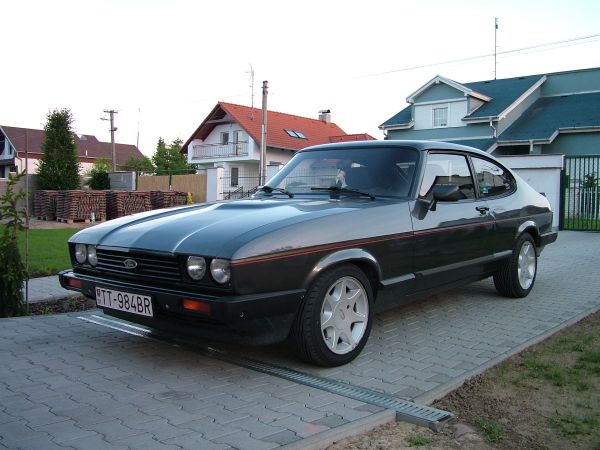 [/img]
[img] 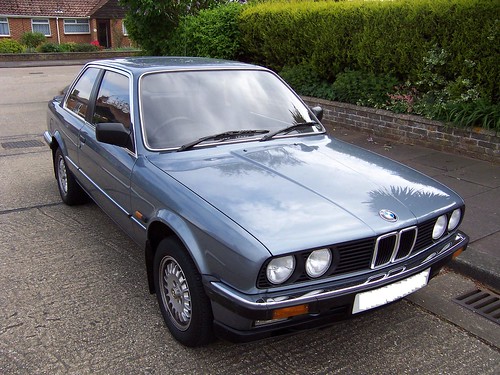 [/img]