UPDATE: CLASSIFIEDS section refreshed, redesigned, searchable: Go take a look
can I add trig points and maps - very early 'engineering' that I still use
http://www.haroldstreet.org.uk/trigpoints/download.php?waypoints=28
This is a great thread - i think someone has mentoned Poncysyllte Aqueduct already - but it is truely amazing, and an engineering first.
The amount of work Telford designed/built was truely awe inspiring.
http://www.victorianweb.org/technology/engineers/telford1.html
Roof of York Railway Station is lovelier than any Cathedral.
http://www.panoramio.com/photo/11478010
Again, I'm totally amazed at what's been posted... I feel ignorant.
Polite request: We really do need a thread from volunteers that can show us these incredible structures. Can anyone step up to the mark please?
[img]  [/img]
an FLR-9 high frequency signals interception antenna array which, at the height of the Cold War, was used to intercept Soviet and Warsaw Pact communications as well as non-US Diplomatic messages at Chicksands - dismantled in 96.
[img]  [/img]
St Margaret's Bodelwyddan AKA The Marble Church, Built out of lime stone, still looks as clean as the day it was built, just hasn't weathered.
The newish bridge on the Dee at Shotton, is quite special.

and the Conwy Tunnel on the A55 - built with submerged tunnel sections each 120m long.
[i]We really do need a thread from volunteers that can show us these incredible structures.[/i]
Consider it done. 😉
I only 'properly' discovered this the other day having walked/riden/driven past either end of it most weeks for 15 years!
http://www.cliftonrocksrailway.org.uk/
well Manchester Confidential are organizing some tours of Underground Manchester over the coming weeks see [url= http://www.manchesterconfidential.co.uk/Entertainment/Events-and-Listings/Confidential-Tours_693_p10.asp ]here[/url]
The Bell Rock Lighthouse:
[url= http://www.bbc.co.uk/history/british/empire_seapower/bell_rock_01.shtml ]mental![/url]
The dedication and willpower that went into building it was amazing.
not that unknown, but, awesome nonetheless.. High Level Bridge in Newcastle
[img] 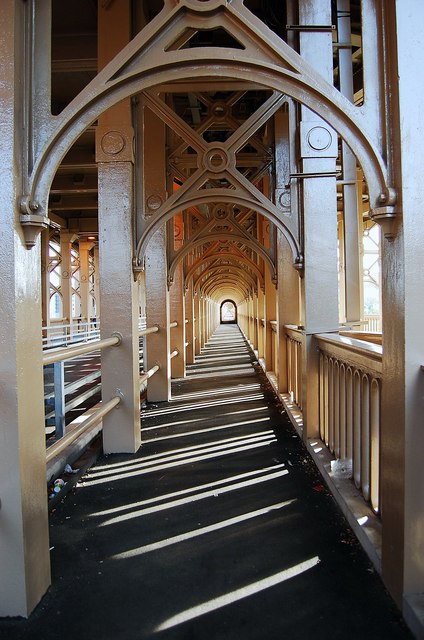 [/img]
Pont De Normandie.. Rather impressive structure.
[img] 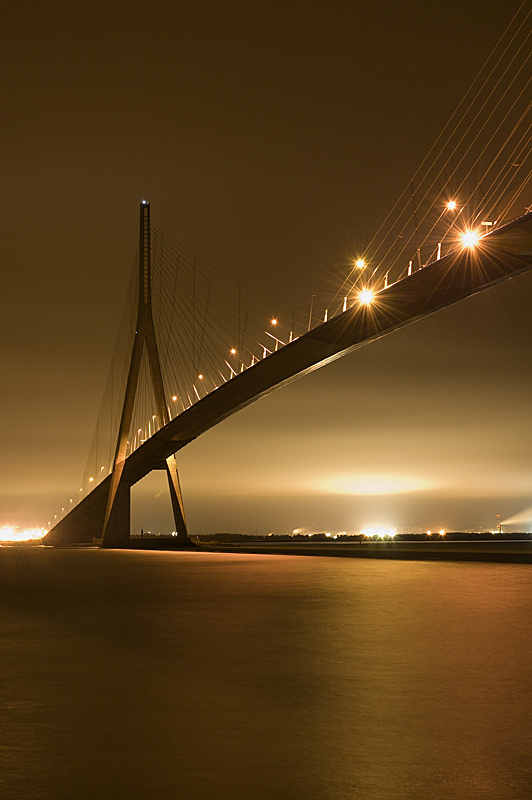 [/img]
I know pont aint uk.. but it is beautiful 😛
It's very well known of course, but I couldn't resist posting it. I took this photo a few years ago from my hang glider over the middle of the Severn:
[IMG] 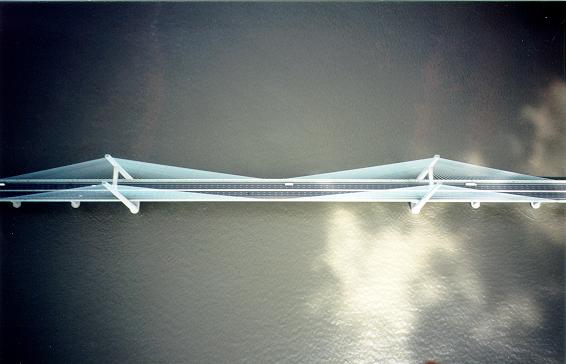 [/IMG]
The Union chain bridge over the Tweed just up from Berwick, the oldest suspension bridge still carrying road traffic & It's on the Sustrans route.
[img]  [/img]
Not many know about this one... one of the longest single tunnels in the UK... the cemex chalk slurry pipeline dunstable to rugby
goes from Kensworth Quarry:
[img] 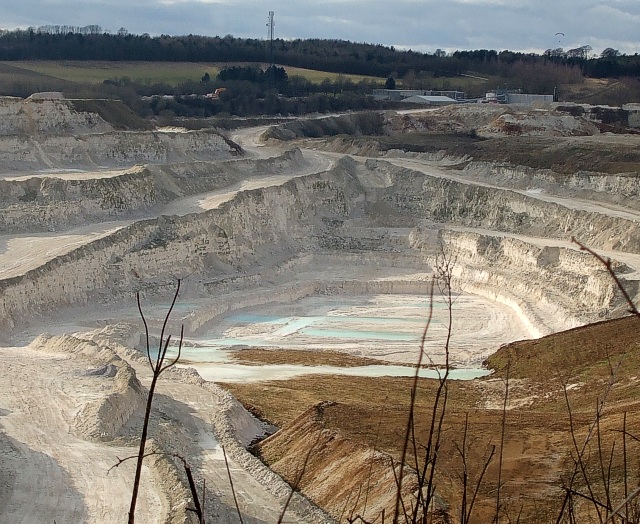 [/img]
92km away to rugby. The quarry is impressive.. deep... Sorry no photos of the pipe tho. I spent over a month in this place logging chalk. Swamped a tractor in a massive puddle... must have been 9-10ft deep, water came in the cab. oops.
while we talking about tunnels then mention to Liverpool for a number of firsts / bests / oldests -
1. Crown Street Station, Liverpool, 1829. Built by George Stephenson, a single track tunnel 291 yards long was bored from Edge Hill to Crown Street to serve the world's first passenger railway station. The station was abandoned in 1836 being too far from Liverpool city centre, with the area converted for freight use. Closed down in 1972, the tunnel is disused. However it is the oldest rail tunnel running under streets in the world
2. The 1.26 mile (2.03 km) 1829 Wapping Tunnel in Liverpool, England, was the first rail tunnel bored under a metropolis. Currently disused since 1972. Having two tracks, the tunnel runs from Edge Hill in the east of the city to the south end Liverpool docks being used only for freight. The tunnel is still in excellent condition and is being considered for reuse by Merseyrail rapid transit rail system, with maybe an underground station cut into the tunnel. The river portal is opposite the new Liverpool Arena being ideal for a serving station. If reused it will be the oldest used underground rail tunnel in the world and oldest part of any underground metro system.
3. 1836, Lime St Station tunnel, Liverpool. A two track rail tunnel, 1.13 miles (1,811 m) long was bored under a metropolis from Edge Hill in the east of the city to Lime Street. In the 1880s the tunnel was converted to a deep cutting four tracks wide. The only occurrence of a tunnel being removed. A very short section of the original tunnel still exists at Edge Hill station making this the oldest rail tunnel in the world still in use, and the oldest in use under a street, albeit only one street and one building
4. The 2.07 miles (3.34 km) Victoria Tunnel in Liverpool, opened in 1848, was bored under a metropolis. Initially used only for rail freight and later freight and passengers serving the Liverpool ship liner terminal, the tunnel runs from Edge Hill in the east of the city to the north end Liverpool docks. Used until 1972 it is still in excellent condition, being considered for reuse by the Merseyrail rapid transit rail system. Stations being cut into the tunnel are being considered. Also, reuse by a monorail system from the proposed Liverpool Waters redevelopment of Liverpool's Central Docks has been proposed.
5. The Mersey Railway tunnel opened in 1886 running from Liverpool to Birkenhead under the River Mersey. The Mersey Railway was the world's first deep-level underground railway. By 1892 the extensions on land from Birkenhead Park station to Liverpool Central Low level station gave a tunnel 3.12 miles (5029 m) in length. The under river section is 0.75 miles in length, being the longest underwater tunnel in world in January 1886. In 1903, the railway was electrified, becoming the first railway in the world to change over completely from steam to electric power. It was originally electrified with a fourth rail system, which was later replaced by a third rail system.
6. Williamson's tunnels in Liverpool, built by a wealthy eccentric are probably the largest underground folly in the world.
7. Queensway Road tunnel under the Mersey 'Birkenhead Tunnel'
The tunnel is 3240m (2 miles) long
In the nine years that it took to build the Queensway Tunnel, 1,700 men worked on the project, of whom 17 were killed.
At the time of its construction it was the longest sub-aqueous tunnel in the world, and held that title for 24 years.
8. The Kingsway (or Wallasey) tunnel entrance is used as the basis of a tunnel entrance in the video game Grand Theft Auto III — during the 1990s, several members of the game's development team had worked for the Merseyside-based development company Psygnosis.
[url= http://maps.google.co.uk/maps?f=q&source=s_q&hl=en&geocode=&q=longbridge+birmingham&sll=53.800651,-4.064941&sspn=16.366507,33.793945&ie=UTF8&hq=&hnear=Longbridge,+Birmingham,+United+Kingdom&ll=52.386035,-1.988633&spn=0.002059,0.004125&t=h&z=18 ]The flight shed[/url]
Part of the old Rover works at Longbridge, was at one time the largest unsupported roof in the country.
I have a thing for towers.
Heaton Park
[img] 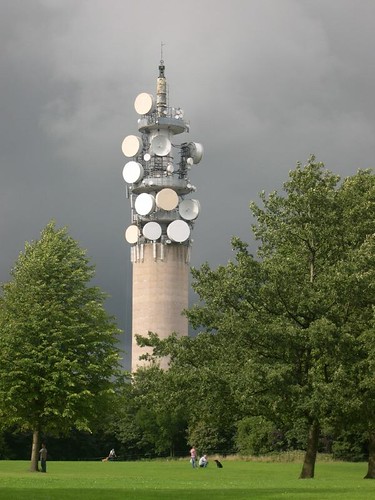 [/img]
Beetham Tower
[img]  [/img]
Agecroft Power Station
[img]  [/img]
Beetham tower is ugly as - looks like two Jenga kits stacked ontop of each other
Still I guess its an improvement on the rest of Manchester 😛
It may be ugly you cheeky monkey, but you can't deny that it is impressive.
Yep, not a fan of Beetham Tower. its a pointless souless building if ever there was one.
Not as ugly as the Manchester Civil Justice Centre.
[img]  [/img]
It looks like a knackered filing cabinet.
What a fantastic thread! So many fascinating sites, and so many hidden gems. Amazing what we just don't see, really, because we're looking for all the glamorous things.
The London Underground, in it's entirety, is just mindblowingly spectacular in it's creation. Most of it is of course invisible, but the sheer scale of it all, and all the different parts of it, are incredible. And many stations are architectural gems in their own right. It really is a constantly evolving, almost organic 'living' museum.
[img] 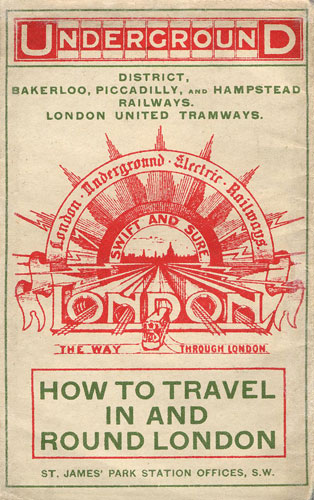 [/img]
[img] 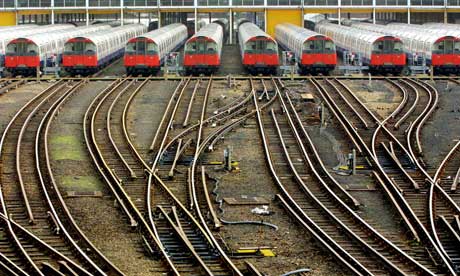 [/img]
[img] 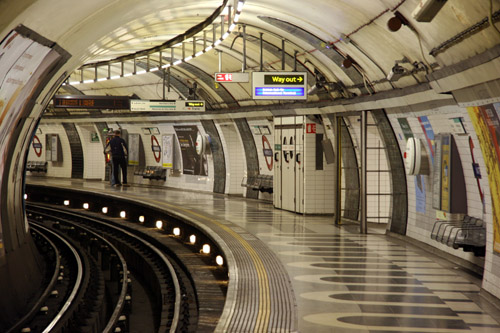 [/img]
Iconic. Even the map is a work of art!
[img] 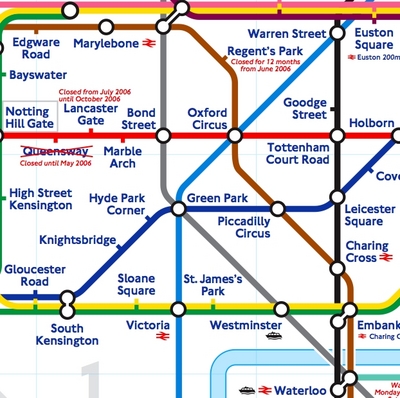 [/img]
(Harry Spider; love that picture of the cooling towers!)
Sorry, the Underground is hardly unknown, but much of it is unseen or overlooked/ignored. Taken for granted.
Crossness Pumping Station in South East London is a wonderful hidden treasure.
[img]  [/img]
Houses (I believe) the World's largest beam engine:
[img] 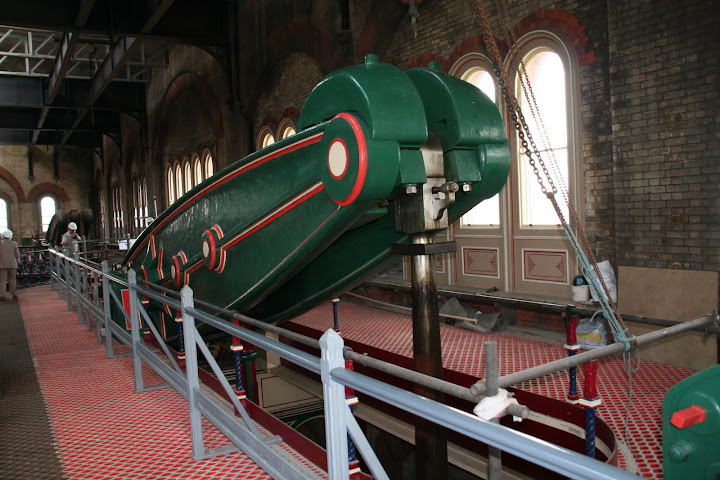 [/img]
This thread cannot die, resurrection is a must to show respect, although I have nothing of worth to add, sorry.
Reading this I felt like I was a small child again, 'finding' those barely hidden WW2 shelters at Mill Hill public school, & seeing that they were just a dump for old rubbish, still cool managing to slide the concrete covers off the entrances & getting in though! Half the playing field was a shelter with connecting rooms, & tunnels, & hidden porn stashes of course 😉
Best thread of 2010, so far...
[img]  [/img]
or rather. it is getting progressively more and more awesome.
At least a half of the Tube is above ground, some sections of tunnels on the Northern Line date back to the late 1890s - in the 20s they increased the tunnels whilst the trains still ran - right up until there was a collapse. Some of the original tunnel remains at Kennington. I've been in a room there with a small hatch on a wall which no one knew where it went to -opened it, looked out aaassrrggghhhh! Train!
Stockwell has the remnants of the inclined railway that led to a surface level depot where the trains were stabled - until you guessed it, there was runaway.
Just posted this on the Castles thread. But it's definitely an engineering landmark as well. Horse Sand Fort.
[url= http://en.wikipedia.org/wiki/Horse_Sand_Fort ]It is 240 foot (73 m) across, built between 1865 and 1880, with two floors and a basement, armour plated all round.[/url]
[img]  [/img]
Not in the UK any more, but came from here, now languishing on the French coast, what's left of it:
The Mulberry Port - temporary quay for Operation Overlord. The scale of the engineering and deployment is unimaginable!
[img]  [/img]
[img]  [/img]
http://www.thinkdefence.co.uk/2009/06/d-day-after/
What's left of it:
[img]  [/img]
ok i see your tunnels and i raise you with the totley tunnel. the longest non electrified tunnel in the uk.
it's unlikely anyone will have seen it but plenty will have travelled through it. it takes peeps from sheffield to the peaks and runs under blacka moor and totley moss. the strange turrets on top of the moors are to vent steam and smoke and probably some air pressure too.
i'll second tinsley viaduct too.
int our country great!
[img]  [/img]
Yep Inverkip looks great on the coast in that part of the world, shame it never really produced much power - bad luck opening an oil fired power station at the height of the oil crisis... anyway it is still be stripped for spares for other stations - did a transformer move assessment a few years ago
one from our french chums
[img]  [/img]
one from our french chums
yep Millau viaduct - awesome plus English architect
another view when completed
[img]  [/img]
Levant Mine, Cornwall
[img]  [/img]
Most of the workings are under the sea bed - and reputedly the miners would follow the lodes upwards until they could here the pebbles rolling around on the sea bed above their heads....!!
This might sound like an anachronistic fariy story - but the sea did breach into the Levant workings, through a known area of weakness that had been worked to close below the sea bed.
Amazingly the hole in the sea bed was located and sealed in the early 1960s, using a combination of divers, pioneering civil / mining engineering and big pumps!
[img]  [/img]
The work allowed Geevor mine to pump out and re-open Levant. I worked on the site in the early 90s when Geevor was closing - fascinating bit of history / engineering and not well known outside of mining engineering circles.
More info here...[url= http://www.tinmining.co.uk/breacha.htm ]Levant Breach[/url]
Sadly Levant is also known for one of Cornwall's worst mining disasters (and not due to the sea coming in!!). 31 men died when the man engine collapsed throwing the men down the shaft
yep Millau viaduct - awesome plus English architect
Grrrrr, that really annoys me! Bridges like the Millau are amazing from an engineering point of view, but because a famous bloke drew a curving line over a valley, everyone bangs on about the architect. I genuinely feel sorry for the unsung hero engineers on that project.
Staying with mining in west Cornwall -
Crowns Engine House, Botallack. Better known than Levant, but an impressive location.
[img] 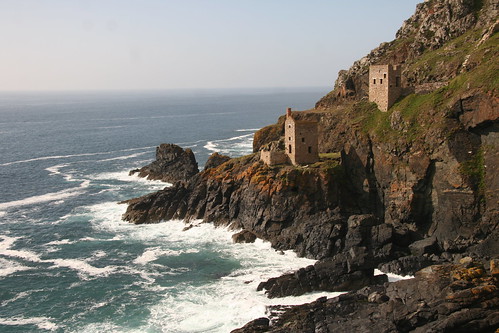 [/img]
[img]  [/img]
[img] 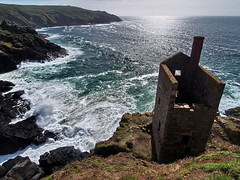 [/img]
Grrrrr, that really annoys me! Bridges like the Millau are amazing from an engineering point of view, but because a famous bloke drew a curving line over a valley, everyone bangs on about the architect. I genuinely feel sorry for the unsung hero engineers on that project.
yep true, but the french seem to miss the point that the english were involve.. architects as you say seem to get the headlines.. but that as an architect ones told be is because architecture is an art, whereas engineering is a science..
either way still an amazing bridge.
quite like the old london hydraulic accumulator sets up after findingout about them... savoy hotel lift powered from an accumalutor miles away for example thay also had a water powered vaccum cleaner system until 1937..
Millau is amazing, I managed last year to go through the access way inside the thing (it's underneath the road and is suprisingly roomy). In fact it's incredible how big the whole thing is, as written above the engineers did an amazing job and they are rightly proud of it. When they pushed the two parts of the bridge together and met them up in the middle, they put a large bottle of champagne between them and broke it as they finally joined up.
When they pushed the two parts of the bridge together and met them up in the middle, they put a large bottle of champagne between them and broke it as they finally joined up.
[sarcasm] That was the Belgians, but of course the French seem to miss the point that they were involved [/sarcasm]
BTs retired Goon Hilly
[img] 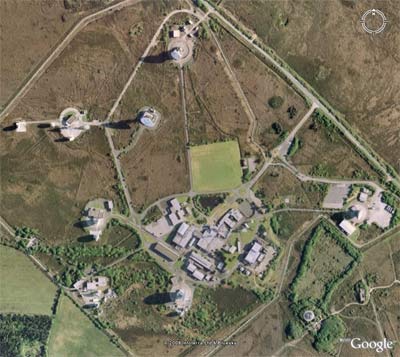 [/img]
Arthur, now a listed structure.
[img]  [/img]
High Peak Junction and it's pump house, also Middleton Top on the High Peak Trail - make a nice little bike ride between the two.
And a pair of aqueducts over both a river and a railway, which is somehow rather satisfying. Oh and a nice enough tunnel too.
Some facts from wikipedia on the line The Cromford & High Peak railway...
The steepest adhesion worked incline of any line in the country (1 in 14 at Hopton)
The sharpest curve, 55 yards (50 m) radius through eighty degrees at Gotham
The highest line in England at Ladmanlow, a height of 1,266 feet (386 m).
Also 3 inclines less than 1 in 10
Here's a few pics taken from a ride up there this winter.
Sheep pastures incline
[img] 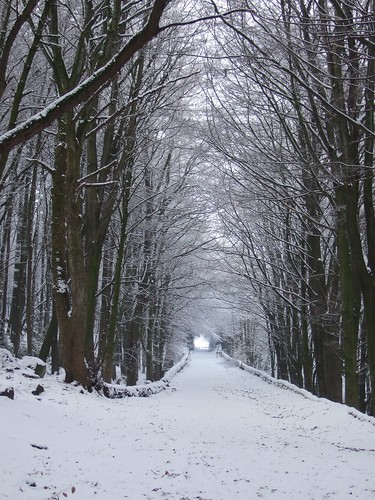 [/img]
The tunnel
[img]  [/img]
[img] 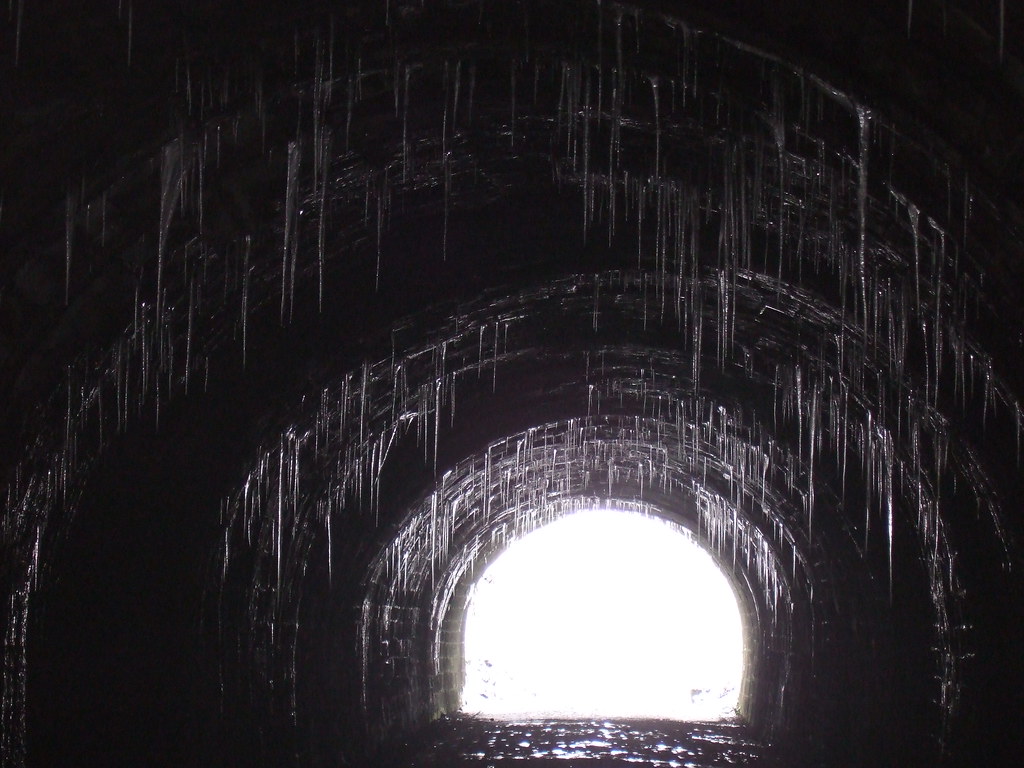 [/img]
Bunsall incline
[img] 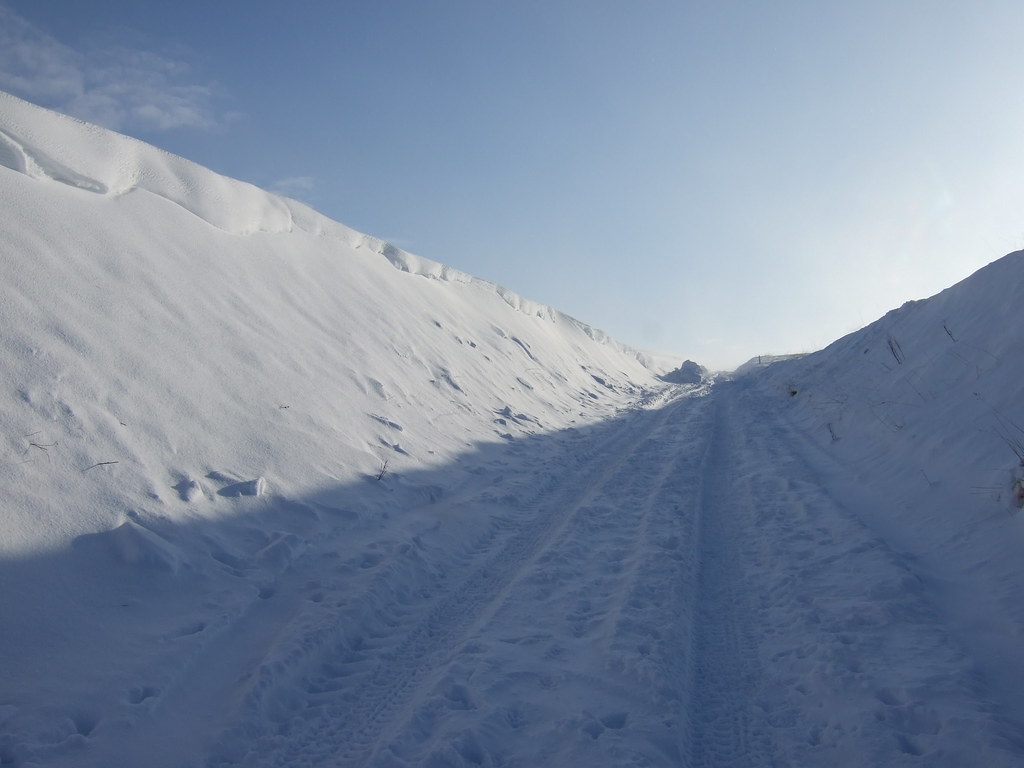 [/img]
The lead smelting flues & chimneys, the remains of which are all over the Dales & Northumberland impress me. Flues were several km's long. Good examples are around Allenheads & Rookhope. Come to think of it - anything involving historical mining, what is left behind & the conditions they worked in facinates me - should I seek help.....
Evesie - no, you're in good hands here......!
Mountain bikes are such a good way to get out & see all the disused indusrial archeology lying around in the more remote areas of the countryside - another excuse to get out & ride.
The mines, leats, dams & impressive quantities of unwanted rock neatly layed out like hands & fingers at Greenside mine near Glenriding is a not so remote example.
Swarkestone Bridge just south of Derby has always impressed me.
[img]  [/img]
Cut/paste from wiki:
Swarkestone Causeway The mediaeval Swarkestone Causeway was built in the late 13th/ early 14th century to cross the floodplain of the Trent. It has been reinforced and rebuilt in 18th and 19th centuries and still carries the busy A514 Derby to Melbourne road.

