UPDATE: Reviews section refreshed, redesigned, searchable: Go take a look
I'm sure this won't take long before it descends into farce but I am genuinely interested to hear how such a policy would work from a practical perspective.
All the reasoned arguments I've heard of how and why this would benefit society seem to make sense.
What I don't understand is how you manage who does and does not get hold of the substance (whatever it is) in such a situation.
How would it work for those that are already addicted? What impact does removing the need to worry about financing the problem have on their user behaviour - is there any data on this?
Is there any data that suggests in such instances that users/addicts can revert to leading otherwise product lives?
What if someone isn't already an addict but wants to try it; how is that managed; how would we know that the person making the request was a first time user assuming that if they were their request would most likely be refused?
If we did structure it so that we only provided for legacy users wouldn't that still result in an illegal drugs trade, albiet a greatly diminished one?
I know that somewhere in the first few responses will be a hedge on how many pages and what kind of biscuits but I'm genuinely intersted here.
8 pages
Custard creams
Tom_W3.141592654 and TJ in "Handbags of Fury"
They are legal, you just buy them from a shop just as you do cigarettes and alcohol. Age limit, ID etc,.
how would we know that the person making the request was a first time user assuming that if they were their request would most likely be refused?
Surely if they were legalised, then anyone above the chosen "age of consent" could purchase them.
Why would we be refusing anyone ?
If we did structure it so that we only provided for legacy users wouldn't that still result in an illegal drugs trade, albiet a greatly diminished one?
That would be "de criminalised" rather than "legalised"
Anyone under that system not on the "approved list" would still be buying illegally, so it wouldn't really make any difference (other than helping addicts I suppose, which is a good thing)
But it's not "legalising drugs"
They are legal, you just buy them from a shop just as you do cigarettes and alcohol. Age limit, ID etc,.
You'd have to have some sort of controlled use. Fags and booze can kill you but not from one hit. An overdose however is all to easy to achieve. You'd have to have some way of managing what an individual consumed.
If we legalised drugs....
everyone will look like this:
[img] 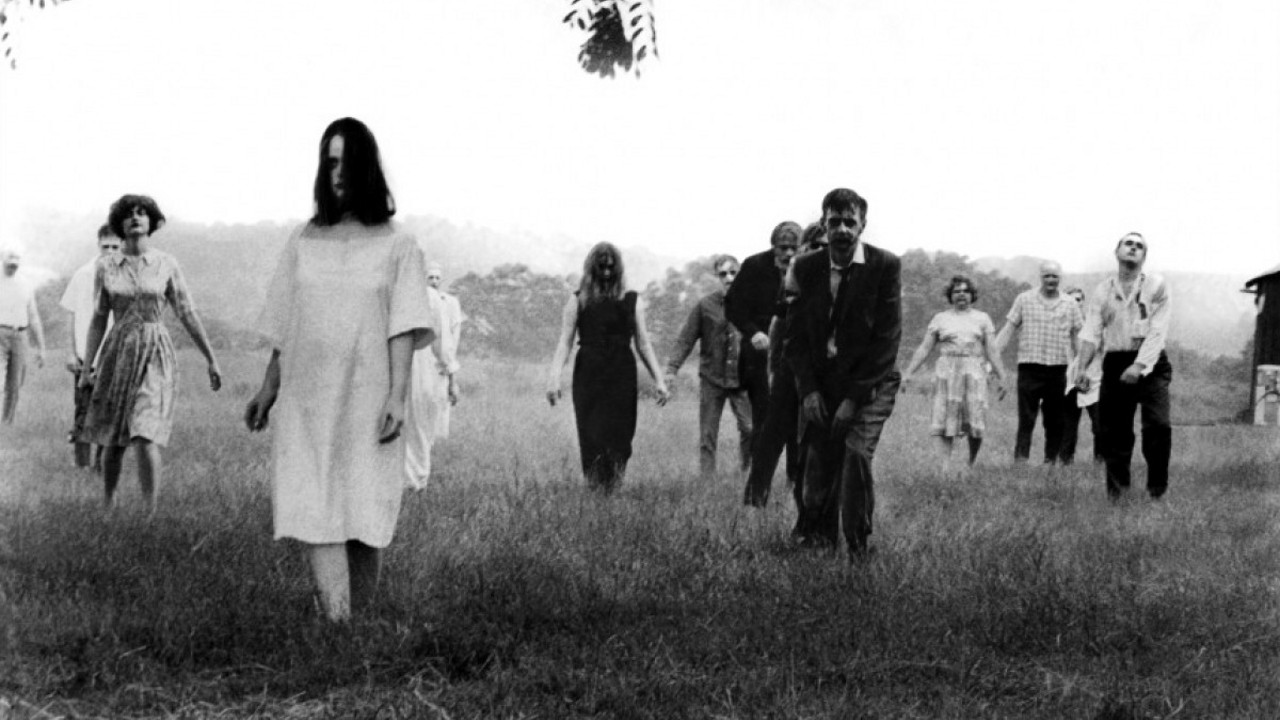 [/img]
everyone will look like this:
Wow, what drug turns your vision from colour to B&W?
I always find it ironic that the same politicians who have been telling us for decades how everything must be dictated by 'The Market' also then tell us that there are certain (very desirable) substances that we absolutely, totally can not have! Under any circumstances!!
Then they wonder why they've presided over the present nonsensical, and totally ineffectual farce
Legalise everything, sell pure product through licensed premises, and spend the money saved on not having the ridiculous and utterly pointless 'War on Drugs', and the tax revenues raised on education!
Wow, what drug turns your vision from colour to B&W?
Depends on the potency. The less effective only renders people like
[img] 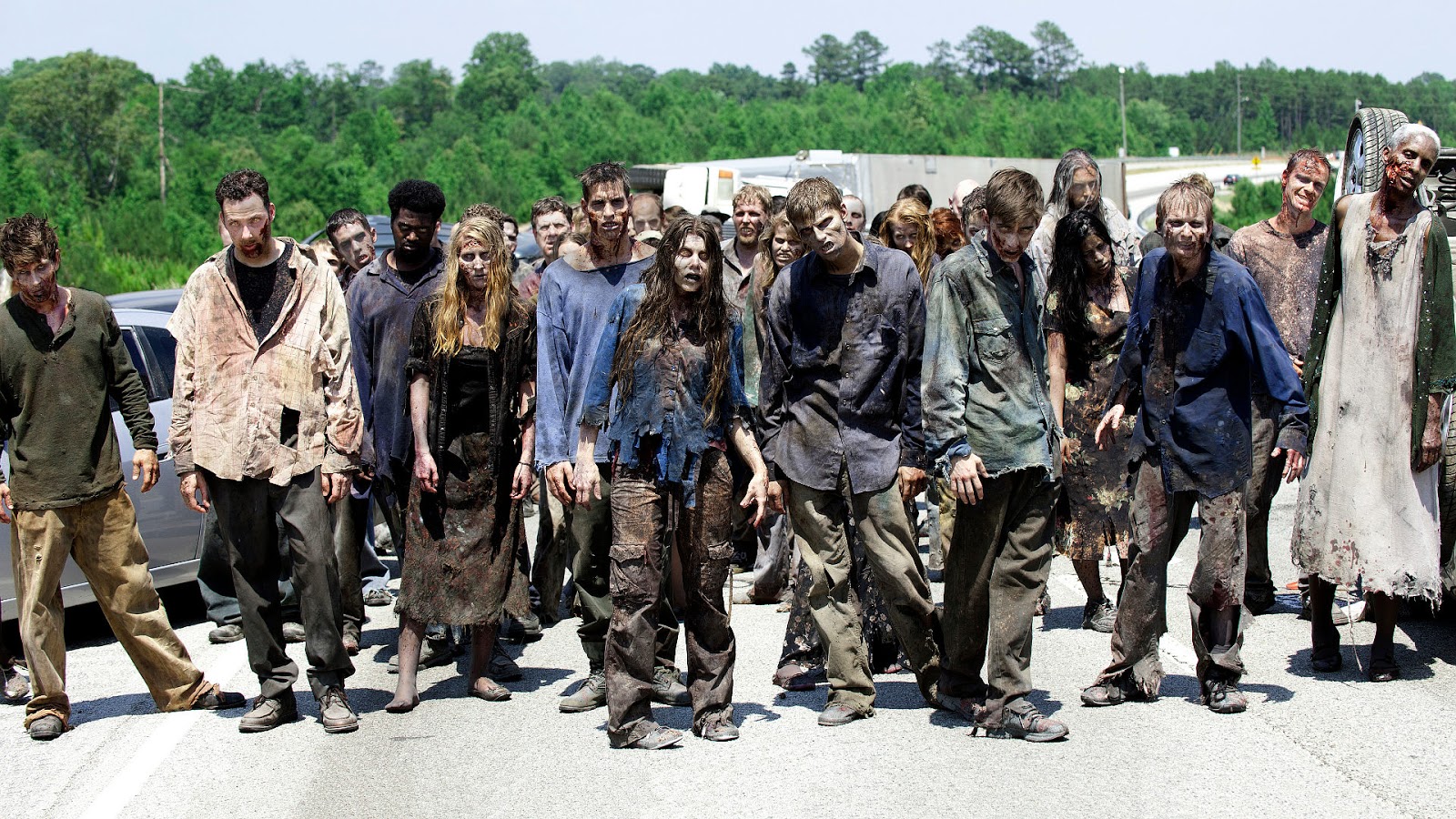 [/img]
are these the addictive drugs or just the ones that make you want more
You'd have to have some sort of controlled use. Fags and booze can kill you but not from one hit. An overdose however is all to easy to achieve. You'd have to have some way of managing what an individual consumed.
No you wouldn't. You would leave that up to the individual. Overdoses won't happen any more than they do already.
Legalising really is as simple as just making them available for purchase. Putting controls and caveats into it are done by people who don't really want to legalise them. Where is your control for how much alcohol you can buy?
Where is your control for how much alcohol you can buy?
She's called "Mrs Glover" in my case 😆
Where is your control for how much alcohol you can buy?
Hardly the same thing. That's largely controlled by your ability to consume.
Pop to the supermarket and try to buy 40 boxes of Paracetamol, see how you get on.
No you wouldn't. You would leave that up to the individual. Overdoses won't happen any more than they do already.
Aye - with a suitable public information campaign (like booze/smoking) it should be easy: no-one WANTS to overdose. If you tell them not to take more than one heroin every 8 hours (etc), then most wouldn't. Especially new users.
Remember we've been prescribing methadone for years. Not exactly a roaring success but in terms of safely getting dangerous drugs to people who need them it probably provides a reasonable base to work from...
I think one the problems with "legalise everything" is it adds a legitimacy to it. for instance, when I was young and starting drinking, the rationale my teenage mind has was that whilst drinking wasn't particularly good for you, it must be ok because it's legal. Illegal drugs I had no interest in because, well, they were illegal, so they must be bad, right?
That said, it wasn't something I ever really saw at school / college / university, not even rumours of someone else partking, that I remember. Maybe I led a sheltered life or maybe it was a side effect of the people I hung round with. Could also have been that we all grew up with Zammo chasing the dragon and getting a smack on the nose, "just say no" kids.
Legalise it, tax it, vat it.
Let the druggies have it.
As it stands I have no desire to start 'using', just not my bag really. Maybe if it was more readily available and socially acceptable I might be tempted - smoking weed in a bar and such. Therefore would legalizing it bring with it a larger uptake in drug use? Possibly...for people like me.
Remember we've been prescribing methadone for years.
Thats not really a great example if we're talking about risk of overdose - you take a methadone prescription in a measured dose standing in front of the pharmacist. Methadone users don't get given enough rope to hang themselves.* Otherwise what we're talking about people being free to take whatever they want so long as they're chaperoned by the state.
* although I'm sure hanging yourself is actually a symptom of having slightly too little rope. If you had enough rope you'd just be tethered.
Transform - http://www.tdpf.org.uk/ - is your source if you want to read up on this.
Cannabis first - which is already happening in the US -
[url=
]"How to regulate Cannabis - a practical guide"[/url] (free pdf download) is pretty comprehensive. I've only scanned it but a friend who worked for them gave me a copy that's in my reading pile.
What I don't understand is how you manage who does and does not get hold of the substance (whatever it is) in such a situation. How would it work for those that are already addicted? What impact does removing the need to worry about financing the problem have on their user behaviour
Just like alcohol is the basic answer I think.
Is there any data that suggests in such instances that users/addicts can revert to leading otherwise product lives? What if someone isn't already an addict but wants to try it; how is that managed; how would we know that the person making the request was a first time user assuming that if they were their request would most likely be refused?
Lots of users already lead productive lives. Use of drugs =! addict any more than drinking alcohol = alcoholic. I can smoke a few cigarettes and then stop again - I know many people can't
UK Cocaine Use - https://www.theguardian.com/society/2015/mar/12/cocaine-ballooned-across-society-since-2001-report
Many of the problems experienced by drug addicts are a result of adulterated drugs or dirty needles. Legalisation addresses that.
We already have a (potentially) dangerous drug legalised - alcohol. Responsible for alot of domestic abuse, violence, deaths due to drink driving, big part in some rape cases, plays a part in many cases of the neglect of children, too much rots your liver, responsible for heart disease etc.
My point? It's a socially constructed narrative regards which drugs are evil and dangerous. Some people talk about current illegal drugs as if they're worse than alcohol - they're not, it's just we've been told they are bad and have accepted alcohol as a norm of society and choose to ignore all the bad stuff that happens as a result of drink.
although I'm sure hanging yourself is actually a symptom of having slightly too little rope. If you had enough rope you'd just be tethered.
It's a good point and not one I'd considered before. Not that I'm a leading expert in such matters, but I'd have thought that too little rope wouldn't give you sufficient drop to snap your neck, perhaps?
Legalise all of them, we don't have enough dickish drivers on the roads as it is.....
Rather than be influenced by others, I haven't read any replies.
I have, in the past, more than just dabbled with 'the drugs' and oddly now work with people who help people with drugs.
Decimalisation would be a fantastic step towards fixing our Drug Problem – it’s only misunderstanding and frankly stupidity stopping us – it’s not a leap into the unknown, other countries have successfully reduced their drug problems by decimalisation and targeting support and treatment and not enforcement.
That’s not to say we should just tear up the anti-drug laws and let the chips fall where they may, that would be, if anything, worse than the system we have now.
Our current drug laws for the most part were drafted with one clear goal in mind, scare the population and keep the government of the day in power - we learnt this from, as usual, the US – where Ronald Regan won office and kept it through the combined fear of drugs at home and communism abroad - he really was a ruthless unpleasant Man who was more than happy to falsely accuse other actors to further his career 20 years before he was president.
My solution would be this:
Cannabis, is it harmless? No – is it dangerous? No in my view. Nothing is completely harmless, nothing fun anyway – if we are happy to live in a world where alcohol, fast cars, motorbikes, action sports, martial arts and Golf is tolerated and accepted – we should be able to live with people doing a bit of cannabis, promote it? Well no, we don’t allow tobacco advertising and we restrict alcohol advertising – I wouldn’t want to see adverts for Virgin Ganga on TV, but as long as it’s regulated and taxed and sold with the appropriate information – I’d rather see the revenue go to HMRC than the local dealer.
With harder drugs I think a compromise still needs to be found – the best solution for existing addicts would be state provided, state administered drugs – support if they want to quit (most addicts do) but no requirement for them to do so – it seems counterintuitive, but if you, in any way, restrict access to them – you create a market for their illegal sale, and it’s that sale that creates the market, which creates the addiction, which creates the crime waves to pay for it.
But equally, I couldn’t sleep easy knowing there was a ‘bar’ where people could, if they wished – turn up to, say – “I’d like some heroin please” and be passed a clean, regulated product in a safe environment with someone ready with Naloxone and a defib if you over do it.
Maybe we need more work done in the causes of addiction, but as I understand it, it rarely the old “my cousin tried reefer for the very first time/Now he's doing horse, it's June” line Prince sang about, gatewaying is usually caused by dealers selling weed to naïve kids and talking them into harder stuff – it’s the dealers you’ve got to remove.
That or we do what they do in the Philippines - just kill all users and dealers in the street. I'm sure with enough time and ammo it'll be pretty effective - not my cup of tea though.
Decimalisation would be a fantastic step towards fixing our Drug Problem
What, like weighing it in grams you mean? (-:
Some people talk about current illegal drugs as if they're worse than alcohol
I think this argument fails simply because one legal and socially acceptable substance doesn't mean that you want more. I also think it fails, though I am prepared to be wrong, in that while I know things like heroine are no where near as chemically addictive as people make out (you tend to get routinised to its use before you become chemically dependent), a prolonged period of use will still result in chemical addiction and does have a rapid negative impact on the body.
It's all degrees for sure.
Cougar - ModeratorDecimalisation would be a fantastic step towards fixing our Drug Problem
What, like weighing it in grams you mean? (-:
****ing spell checker ha ha.
geetee1972 - MemberSome people talk about current illegal drugs as if they're worse than alcohol
I think this argument fails simply because one legal and socially acceptable substance doesn't mean that you want more. I also think it fails, though I am prepared to be wrong, in that while I know things like heroine are no where near as chemically addictive as people make out (you tend to get routinised to its use before you become chemically dependent), a prolonged period of use will still result in chemical addiction and does have a rapid negative impact on the body.
It's all degrees for sure.
Heroin is also damaging in any quantity - there is no safe amount.
Ironically unlike cananbis, herion is allowed for medical reasons - although they call it diamorphine, it's usually restricted for end-of-life pain control though - so if you're dying on cancer, you can have a bit of smack - but not weed, because that would be dangerous.
**** spell checker ha ha.
I figured autocorrect. Made me chuckle, it sounded like the sort of thing an EDL Brexiter would add to their list of complaints.
Wow, what drug turns your vision from colour to B&W?
DMT did that to me.
Surely there is a big difference in the way you would need to treat drugs depending on their type of usage, physical effects,societal impacts etc... legalising weed or MDMA would require a system like we have for booze or fags. Smack would require a very different approach and Acid another still.
The problem with drugs is that the classification (A,B,C) system used is an irrelevance for anything other than a legal system of prohibition.
Could a UK government manage such a step change? I very much doubt it.
I think one the problems with "legalise everything" is it adds a legitimacy to it. for instance, when I was young and starting drinking, the rationale my teenage mind has was that whilst drinking wasn't particularly good for you, it must be ok because it's legal. Illegal drugs I had no interest in because, well, they were illegal, so they must be bad, right?
the flipside here (and I had similar views to your up to around 16/17ish) is that when I finally took an E in my late teens - and had the absolute time of my life, and didn't become a drooling addict - I promptly decided that all the drug education I'd ever had was pure propaganda with no basis in reality. Which is also not a great position to be in!
Removing the whole countercultural appeal of drugs probably wouldn't hurt, either...
Who would control the supply chain, that's what I find interesting, rather than the should it/shouldnt it.
There's always some talk about it being controlled by the government, but I imagine that the industry would be a prime candidate for a ppp, else it wouldn't take long before it was totally sold off to pay pensions or similar.
Otherwise, a toss up between the pharmaceuticals industry, forever trying to patent new variations on existing stuff, or possibly see the market being hoovered up by the tobacco companies, which would seem rather wrong to me.
Only other candidate would be organic growth, but couldn't see organised crime being kept away from that.
Just talking about cannabis. The industry is varied of course as it is something anyone can grow, but the organized crime side is as far away from the perceived lifestyle than it is possible to get. Exploitation, slave labor, dangerous conditions. That is this country we are talking about, not overseas. If nothing else the demand fueling those setups would drop significantly if it was legalized. Legislation would require approved suppliers to account in detail for their product. I'd rather that be done by a tobacco company than a 15 year old kid sold into slavery.
Who would control the supply chain, that's what I find interesting, rather than the should it/shouldnt it.
Well that is precisely my question. I'm genuinely interested to know how this would work, not whether it is or isn't a good idea. Let's assume for a moment it is.
Strikes me if we legalised drugs we could probably fund the entire NHS on the profits and logic says the two should be connected.
yes it can, go and down a bottle of vodka or 2 and see how you get on. (incase anyone is daft enough, don't do this.)kerley - Member
booze can kill you but not from one hit.
The word overdose, means what it says, [i]over [/i]dose.
Cougar - Moderator
I think one the problems with "legalise everything" is it adds a legitimacy to it. for instance, when I was young and starting drinking, the rationale my teenage mind has was that whilst drinking wasn't particularly good for you, it must be ok because it's legal. Illegal drugs I had no interest in because, well, they were illegal, so they must be bad, right?
We'll that's just some kinda crazy association that legal = moral or right. Which is a whole other argument. safe to say I completely disagree with the premise.
There's a converse, i'm that illegality is itself attractive, we'll maybe not the illegality its self, but the taboo nature of drugs is a turn on for some. Plus as edukator says, if you do finally take some drugs, likely hood is that you'll realise the propaganda, is exactly nonsense.
So bit of a double side coin that one.
If it happened, which it won't, then marketing certainly wouldn't be allowed.
So the pharma companies would be in a much better position than the tobacco firms to become the "dealers", with the government taking a huge cut in excise, obvs.
They'll already be supplying diamorphine and cocaine to the NHS. I was given cocaine solution last year for an op to fix my broken nose, and I haven't turned into an addict... yet.
It isn't really the drug that's the dangerous bit IMO.Heroin is also damaging in any quantity - there is no safe amount.
There are several things about recreational heroin that harm people. The major ones that come to mind are:
The shite that suppliers cut it with, that is then injected and causes infection, damaged veins etc
Overdosage - when there's less shite in there than you're used to and so you get more actual heroin than you were expecting
Infections due to use of shitty conditions in which to prepare and inject said shite
Infections (inc STIs), beatings, self-neglect etc that go with the "lifestyle" of some heroin users paying high prices for their fix and having to resort to alternative means of financing it and/or having no time or money for decent food and living conditions
Legalisation would fix ( 😉 ) pretty much all of that - even for such a [i][b]terrible[/b][/i] drug as heroin
Who would control the supply chain, that's what I find interesting, rather than the should it/shouldnt it.
OK, well it is all about tracability. This exists in many industries now, it is not difficult.
So for cannabis. Points of sale must be licensed. Part of the license is that all product must come from licensed farms. Licensed farms must audit and account for their produce. And so on. Regular inspections by a regulatory body - could be the ministry of agriculture - or something else ofWeed? or ofHead maybe?
There would probably be some level of fraud, but that is going to be small fry compared to the current organized crime.
vinnyehWho would control the supply chain, that's what I find interesting, rather than the should it/shouldnt it.
I thought the U.S and British Army already do? Not JivehoneyJive stuff, but apparently they protect the poppy farmers/heroin trade in Afghanistan to maintain stability.
Read the book, Good Cop - Bad war .
Its written by an undercover officer who spent years putting dealers and generally nasty people away.
At the end of it his conclusion is legalise it. Regulate it heavily, and put a system in place to help addicts get off whatever they are addicted to.
The drop in crime rate , and the circle of violence and prostetution that accompanies the hard drug culture would be a huge benefit to society.
The drop in crime rate , and the circle of violence and prostetution that accompanies the hard drug culture would be a huge benefit to society.
It would undoubtedly be a very good idea, but the last year has shown that the British public isn't really open to rational discussion or expert opinion.
Maybe in 100 years time.
What's happening here? There's no arguing or pointless graphs. I'll come back when it reaches 6 pages 😉
I wonder what impact, if any, the theoretical legalisation would have on crimes that are associated with drink and / or drugs (particularly driving and antisocial offences) and what percentage of the population who previously haven't partaken would decide to give something a go.
I think legalisation or decriminalisation along with education would be a good thing. I think everybody knows that people will take drugs if they want to irregardless of legality. Making it safer to do so would be a good idea IMO.
what percentage of the population who previously haven't partaken would decide to give something a go.
This is an interesting question.
I expect there'd be a bit of that, but I think the real sticking point would be on rationing.
Do you let people buy 20 pills for their weekend's entertainment? I think there'd have to be a bit of damage limitation built into the rules.
I don't really agree with the point of decriminalisation, why would you leave control of the trade in the hands of the black market?

