Hot off the cold trails it’s the brand new Spur. Just how sweet ‘n’ lo can u go?

- Brand: Transition
- Product: Spur V2 Eagle 90
- Price: £6,299
- From: Windwave
- Tested by: Benji for 1 day
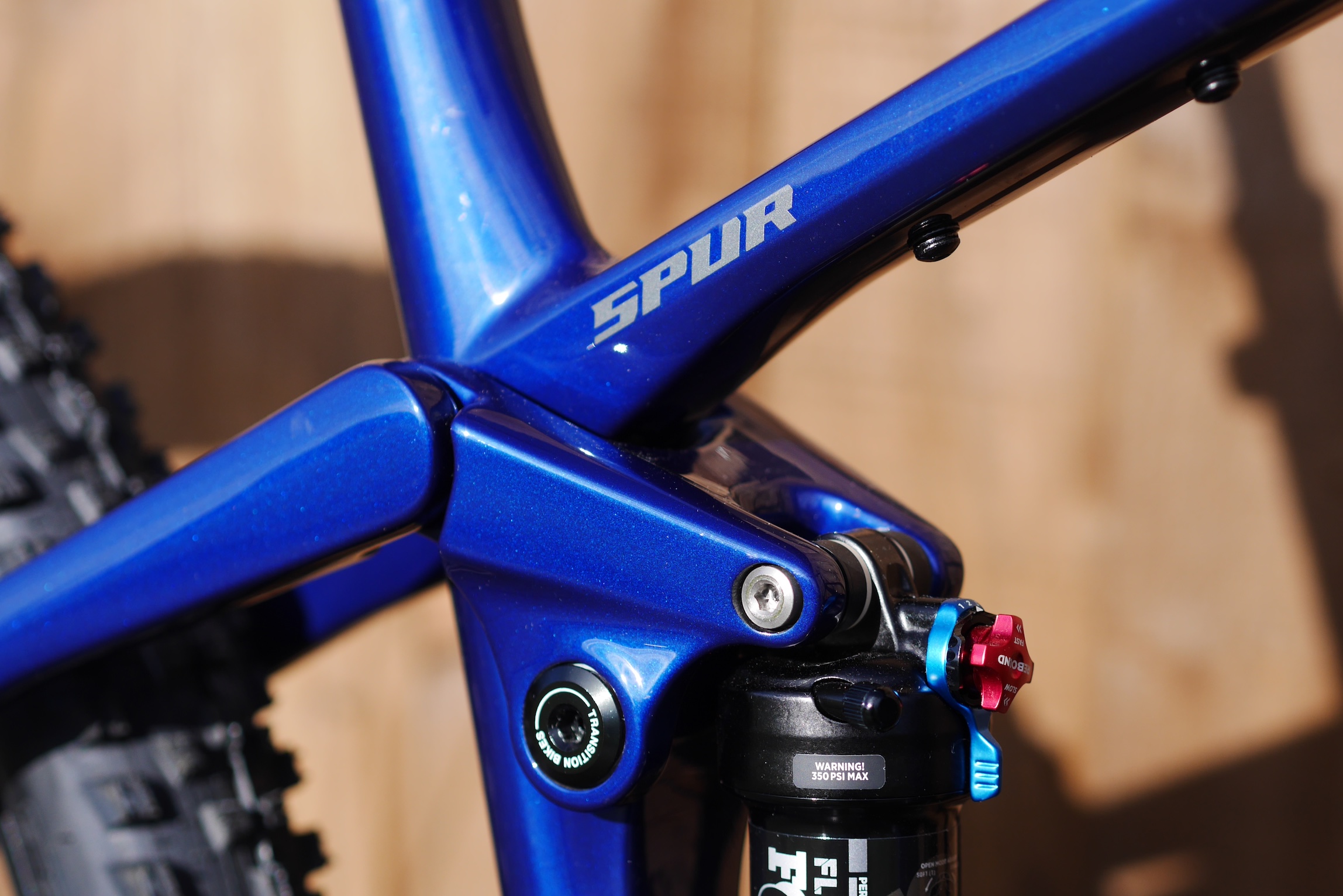
Was it the original Transition Spur that instigated the whole downcountry genre? Well, maybe. If we ignore certain bikes of the 2010s that paved the way. Bikes like the Specialized Camber, the Whyte T129 and the Santa Cruz Tallboy were 29ers with modest amounts of travel allied to relatively progressive (for the time) geometry.
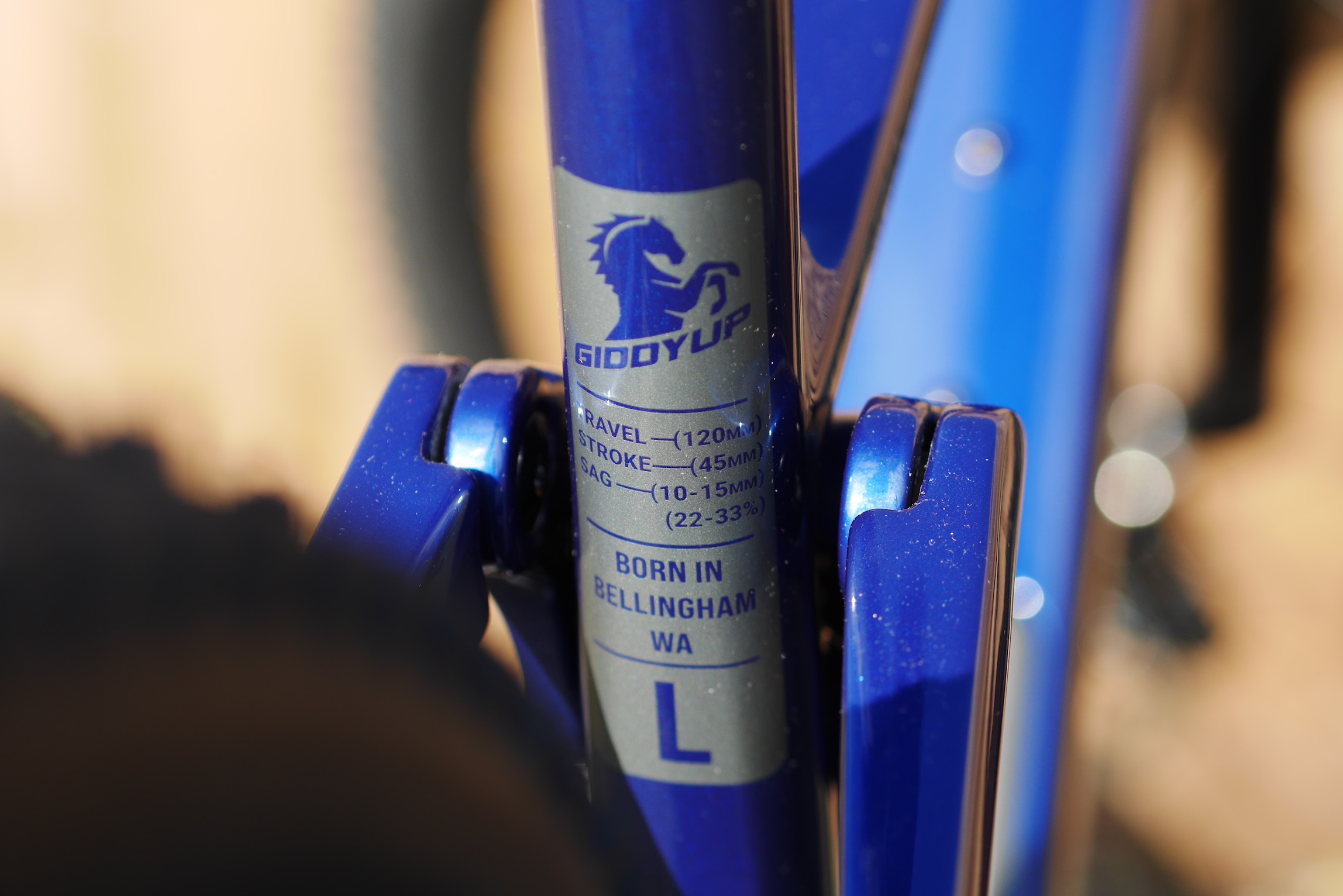
This new Spur arrives at an unusual time in the bike world. A handful of World Cup XC bikes are now sporting some of the same geo numbers as this bike. The key word there being “some”. Not only that but the new Spur V2 isn’t obviously all that different from the Spur V1.
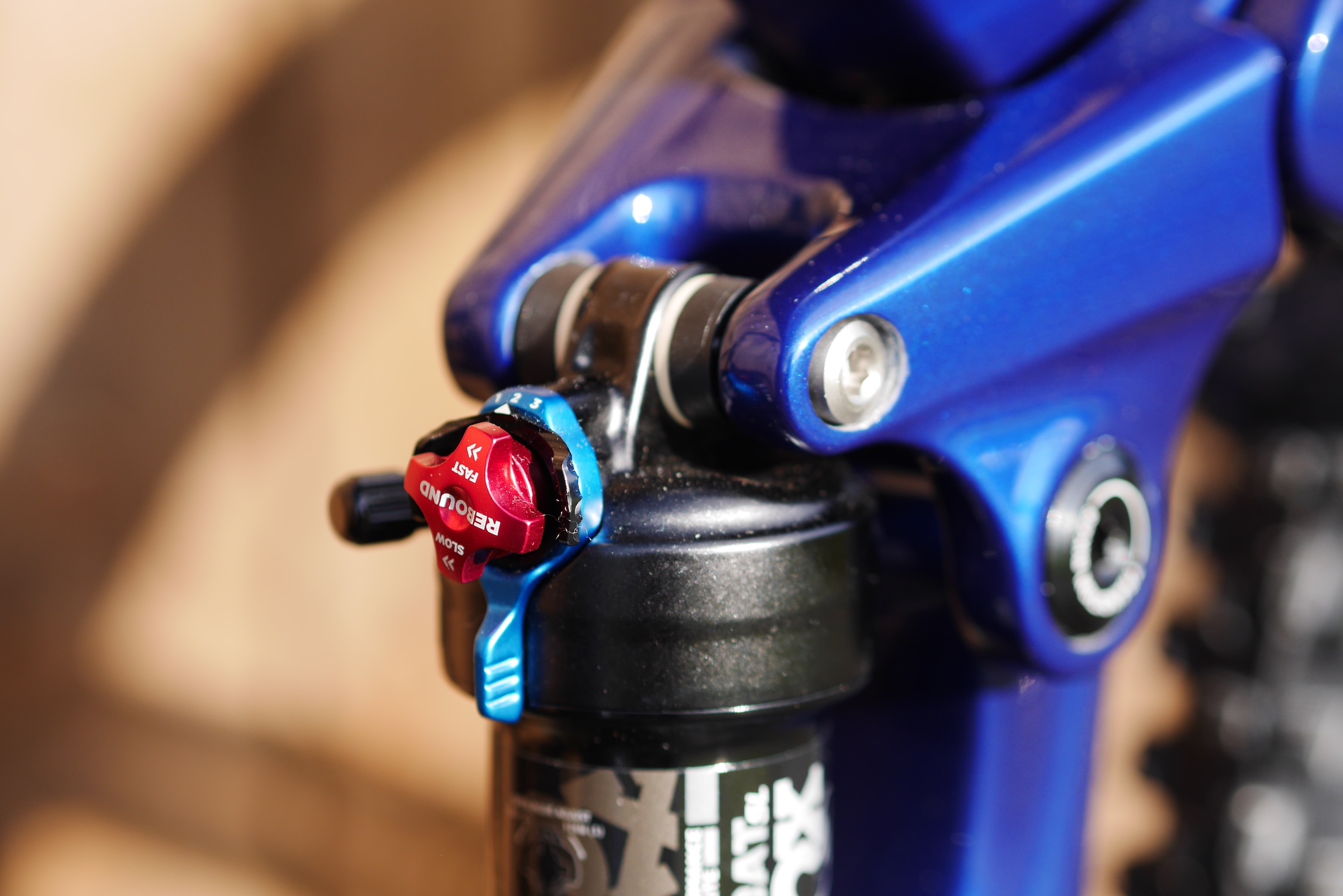
Let me save you the head-scratching and magnifying glasswork. The Spur has way more standover than the aforementioned World Cup XC bikes. It also has a suspension kinematic that is not really found on XC bikes either. Hint: massively progressive (like, more than 30%).
The contrast ‘n’ comparing to the previous Spur is less clear cut. The chainstays are a smidge longer in the L & XL sizes (a few mm). The stack is a bit higher. And the seat tubes have been pleasingly hacked down (approx 30mm size for size). The angles are very similar. The fact that the head angle hasn’t been slackened, nor the seat angle steepened, will raise a lot of folks’ eyebrows.
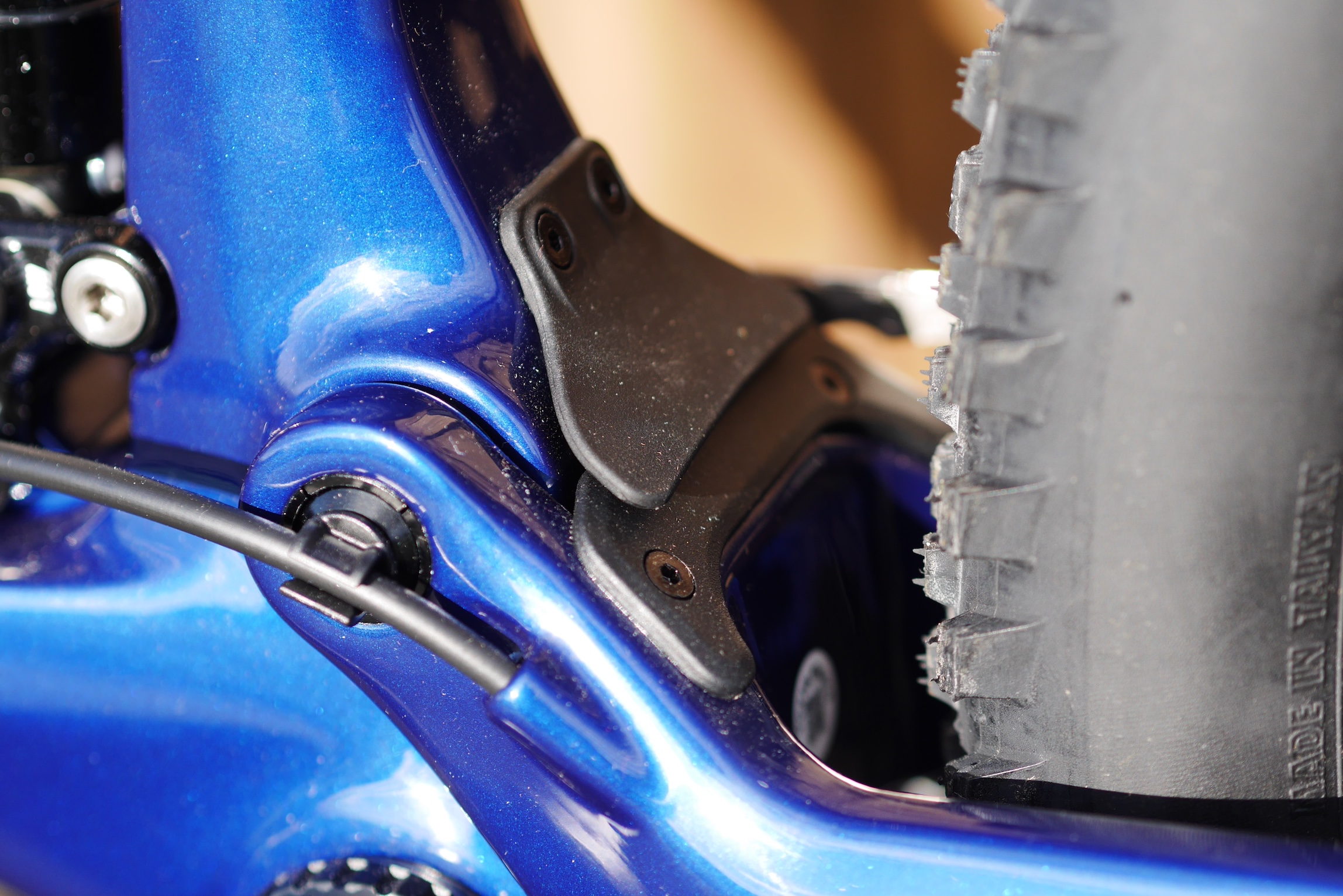
Transition aren’t daft though; both the shock mounting and the headset cups are ‘normal’ so you can tweak things with offset bushings and angle-adjust headsets if you want to. And I think a fair few Spur riders will do exactly that.
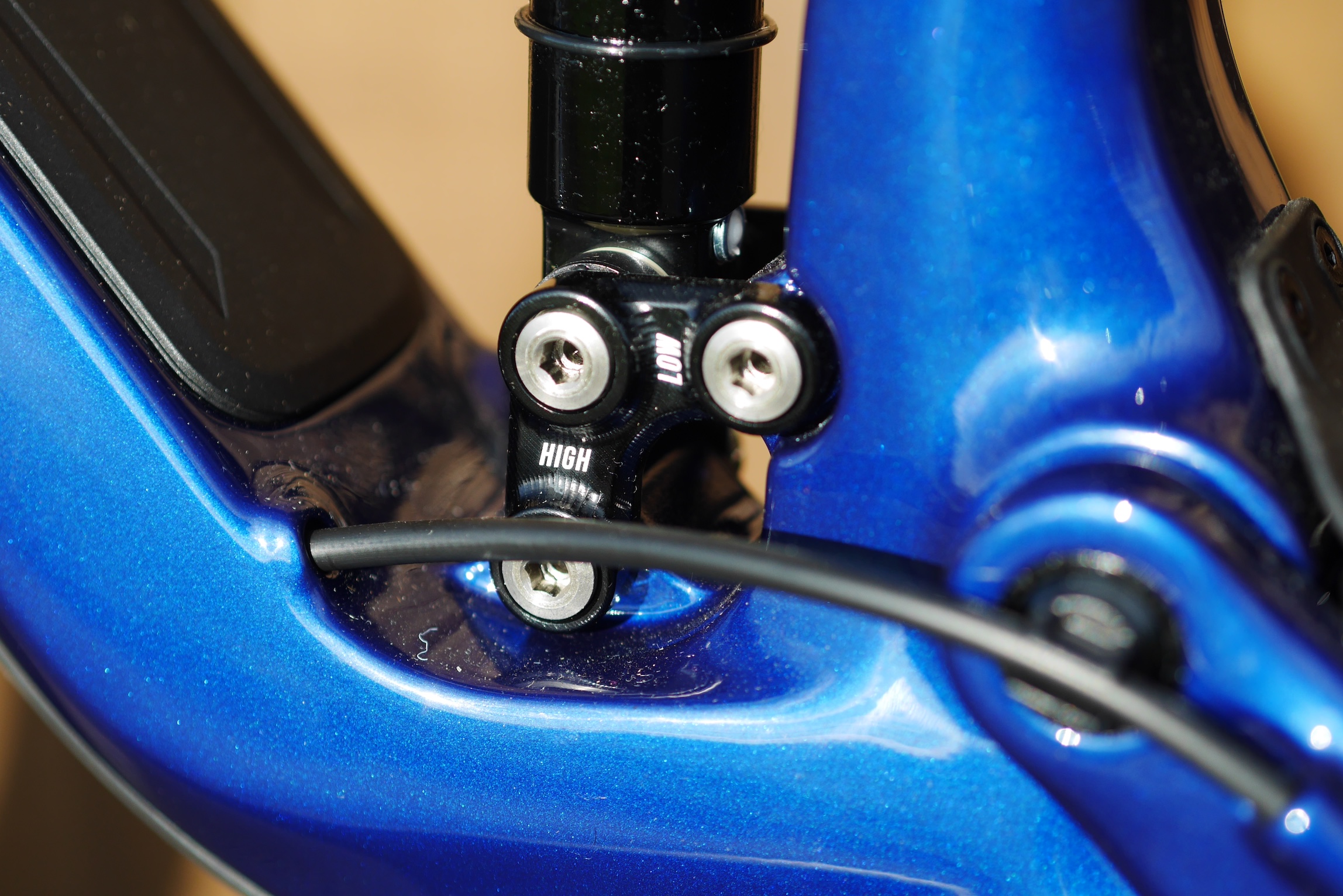
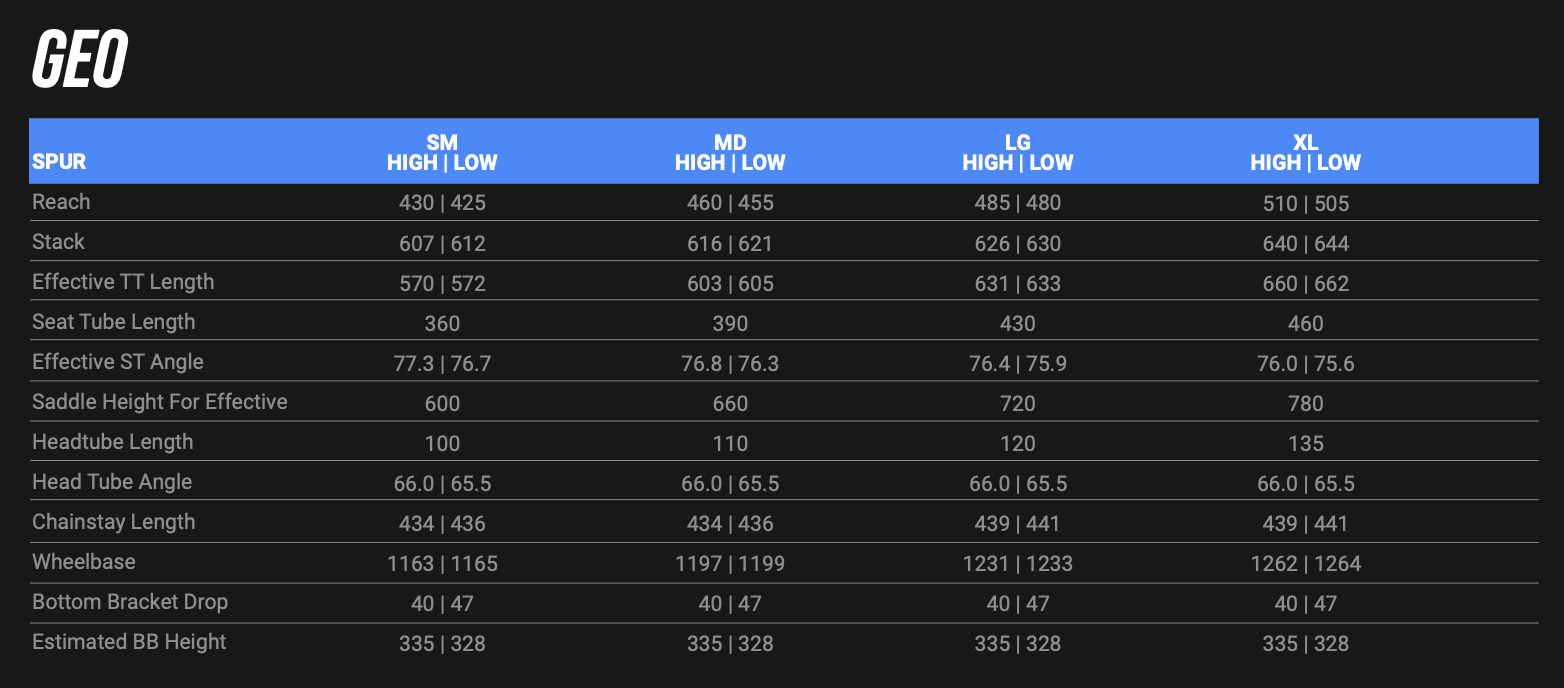
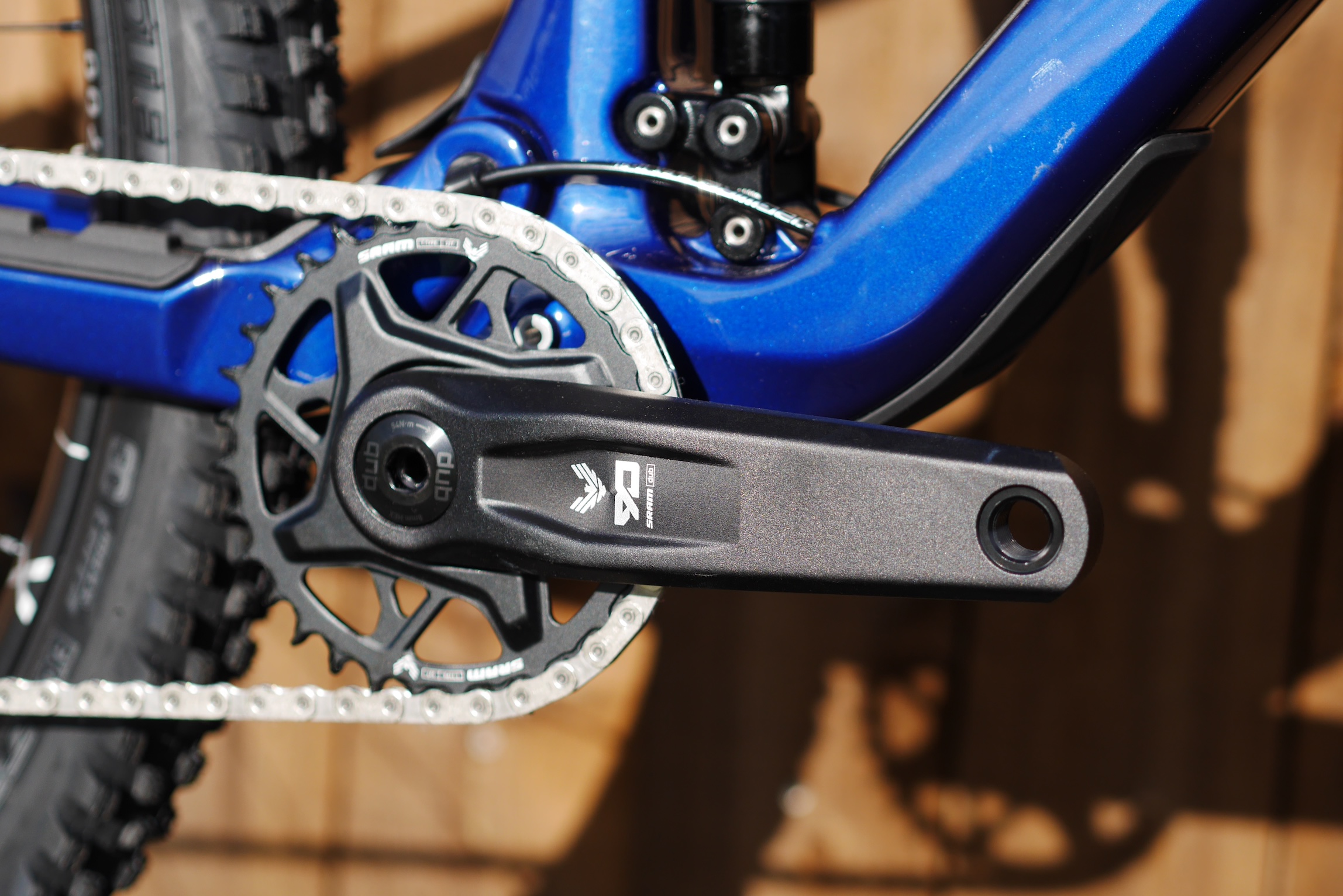
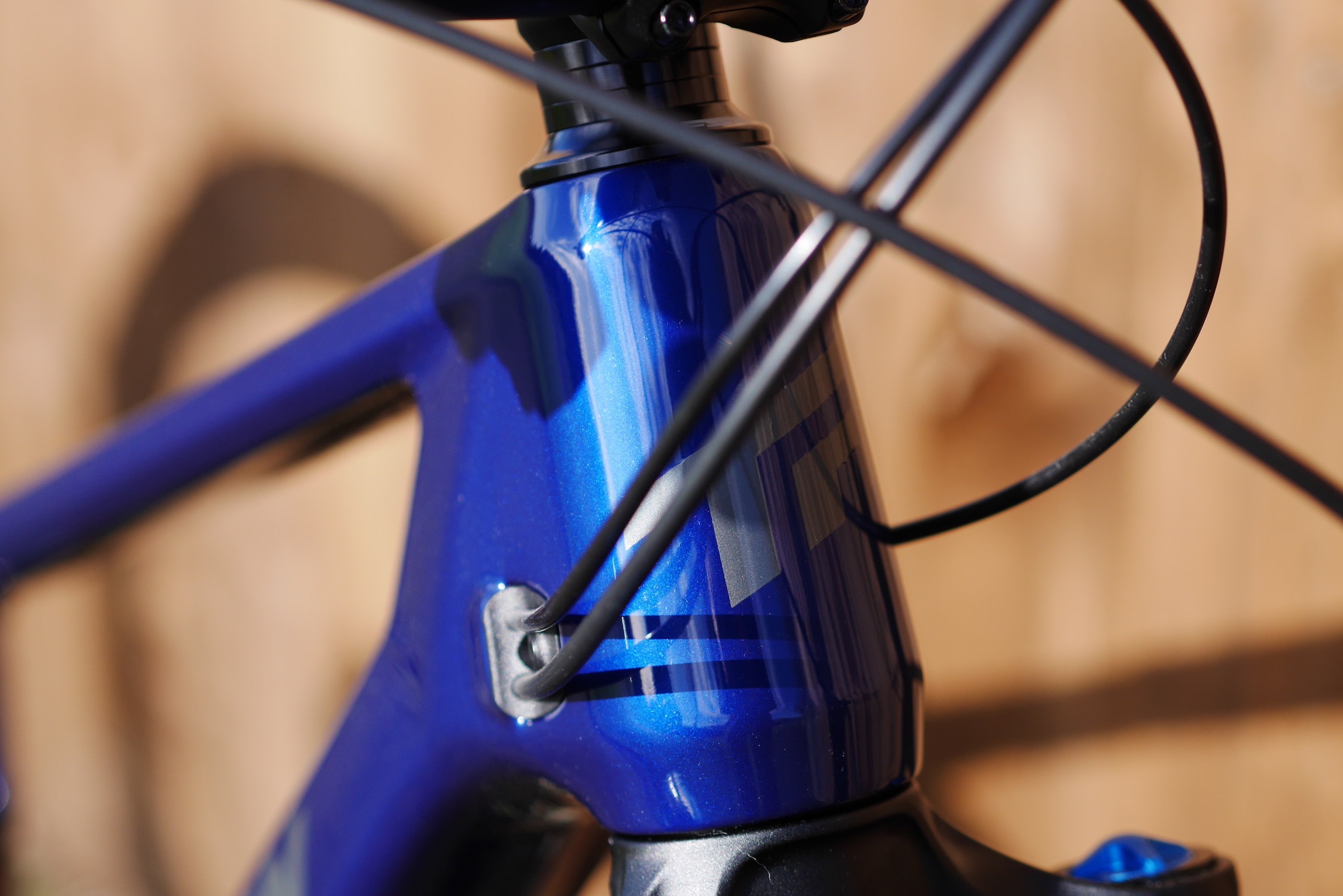
The most significant thing that differentiates the new Spur from the old one – aside from the frame storage in the downtube – is the flipchip (or rather a flippable lower shock mount. This slackens the angles a small amount (0.5°) but also drops the BB height by 7mm. Which is a significant bunch of mm. And no doubt one reason why the new Spurs are being specced with 165mm cranks. In Low mode, the new Spur sports a 47mm BB drop. Which is approximately a 335mm BB height. This is pretty darn low slung. Especially on a bike with a wheelbase north of 1,200mm (L & XL).
Spur V1 and V2 geometry compared (Large)
| Geometry (Large) | Old Spur | New Spur (Low/High) |
| Reach | 480mm | 480/485mm |
| Stack | 619mm | 630/626mm |
| Effective top tube | 630mm | 633/631mm |
| Seat tube | 460mm | 430mm |
| Effective seat angle | 75.9° | 75.9°/76.4° |
| Head tube length | 120mm | 120mm |
| Head angle | 66° | 65.5/66° |
| Chainstay length | 435mm | 441/439mm |
| Wheelbase | 1,219mm | 1,233/1,231mm |
| BB drop | 40mm | 47/40mm |
| Approx BB height | 335mm | 328/335mm |
First ride impressions
They’re not kidding when they say that the suspension kinematic is very progressive. There is clearly a lot of leverage being applied to the rear shock around the sag point (I ran it with 13mm sag FYI). If you run the rear shock wide open, it bobs quite a bit. So don’t run it wide open.
You can choose to offset bob in three ways: pedal smoother, dial on more rebound to stop the suspension oscillating, or apply more low speed compression (LSC). There is no correct answer.
For what it’s worth, I ended preferring how the bike rode with quite a lot of LSC and hardly any rebound. I just seemed to suit the punchy persona of the bike. I set the Fox 34 SL fork the same way. On certain steep and sketchy descents I flicked the rear shock to run wide open, so as to ge the bike to ride/sit lower into its travel and also to improve traction. it is still quite slippy out there at the mo.
It’s one of the ironies of MTBIng in my experience; the less suspension travel you have, the harder it is to set up well. The windows of operation are just tighter and more unforgiving of a few mm/clicks/PSI.
The suspension kinematic is very probably where the Spur’s secret sauce lies. It has the firm accuracy of other 120mm bikes but rarely felt as quickly out of its depths or hitting-the-buffers as other short travel bikes can. I’d be fairly confident it taking the Spur out ‘against’ a lot of 150mm trail bikes and having no issues being left behind or underbiked.
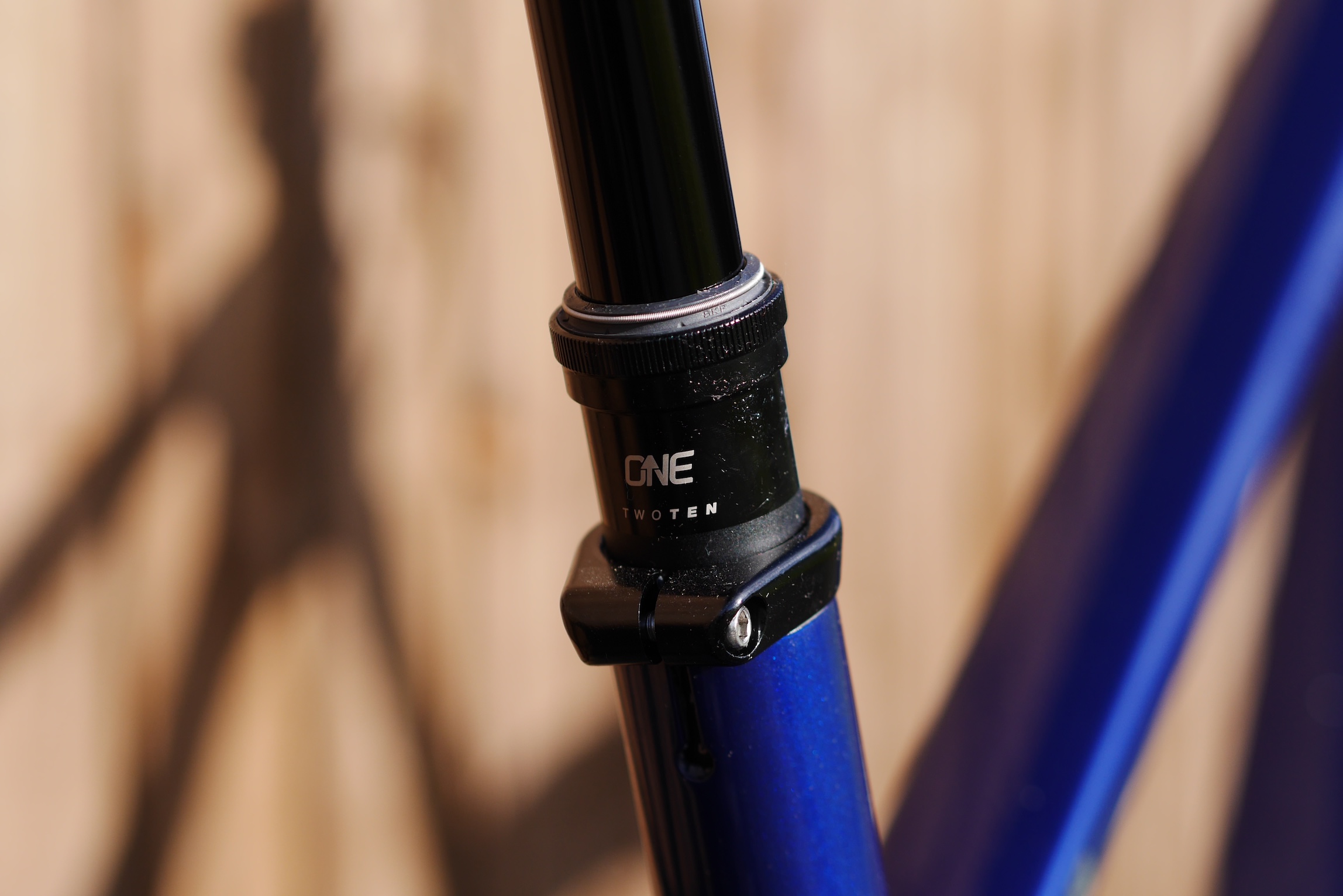
As well as the suspension feel, the overriding aspect I have from the Spur is lowness. You can get away with a lot if your centre-of-gravity is low AF. This low slinging uber confidence comes about from the massive BB drop (47mm in Low setting) and the immense standover afforded by the short seat tube and healthy dropper insertion. Honestly, with a 210mm dropper and a top tube around your ankles you can nadge your way down stuff that some lofty, slack, mullety enduro bikes would have you panicking on.
Is the Spur’s BB too low for some riders and terrain? Quite possibly. The 165mm cranks help but I suspect it’s not the bike for folk who are prone to pedal clanging.
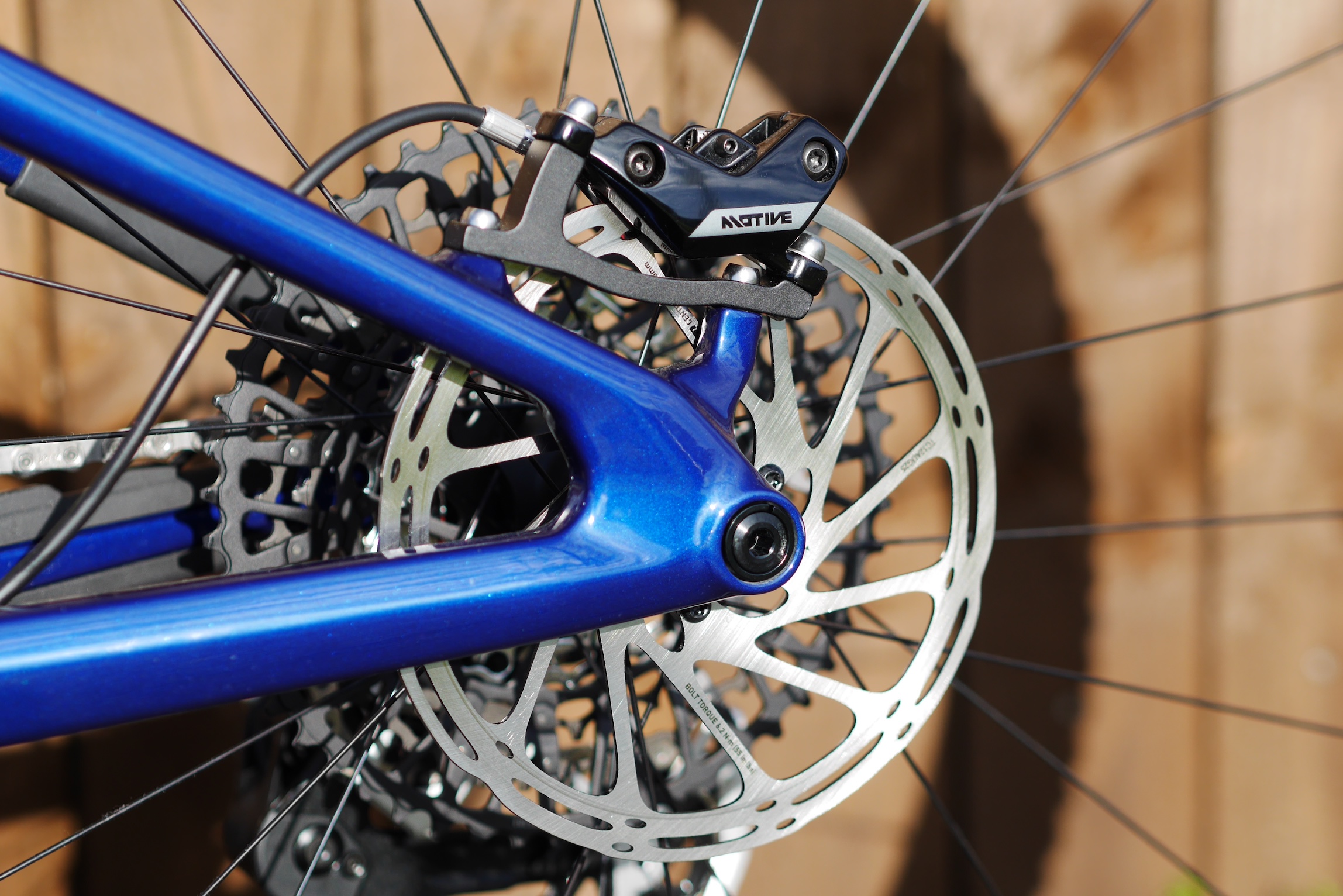
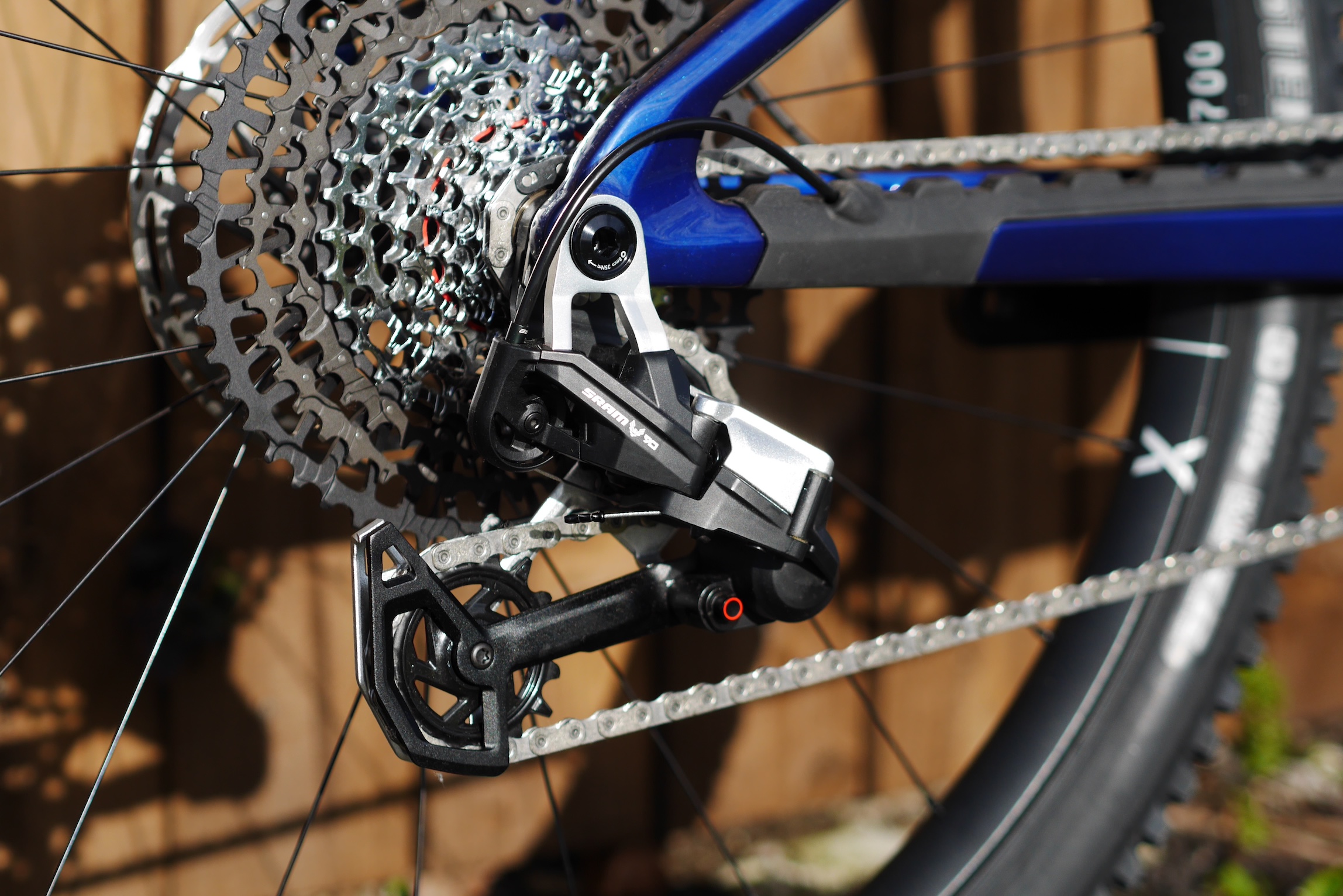
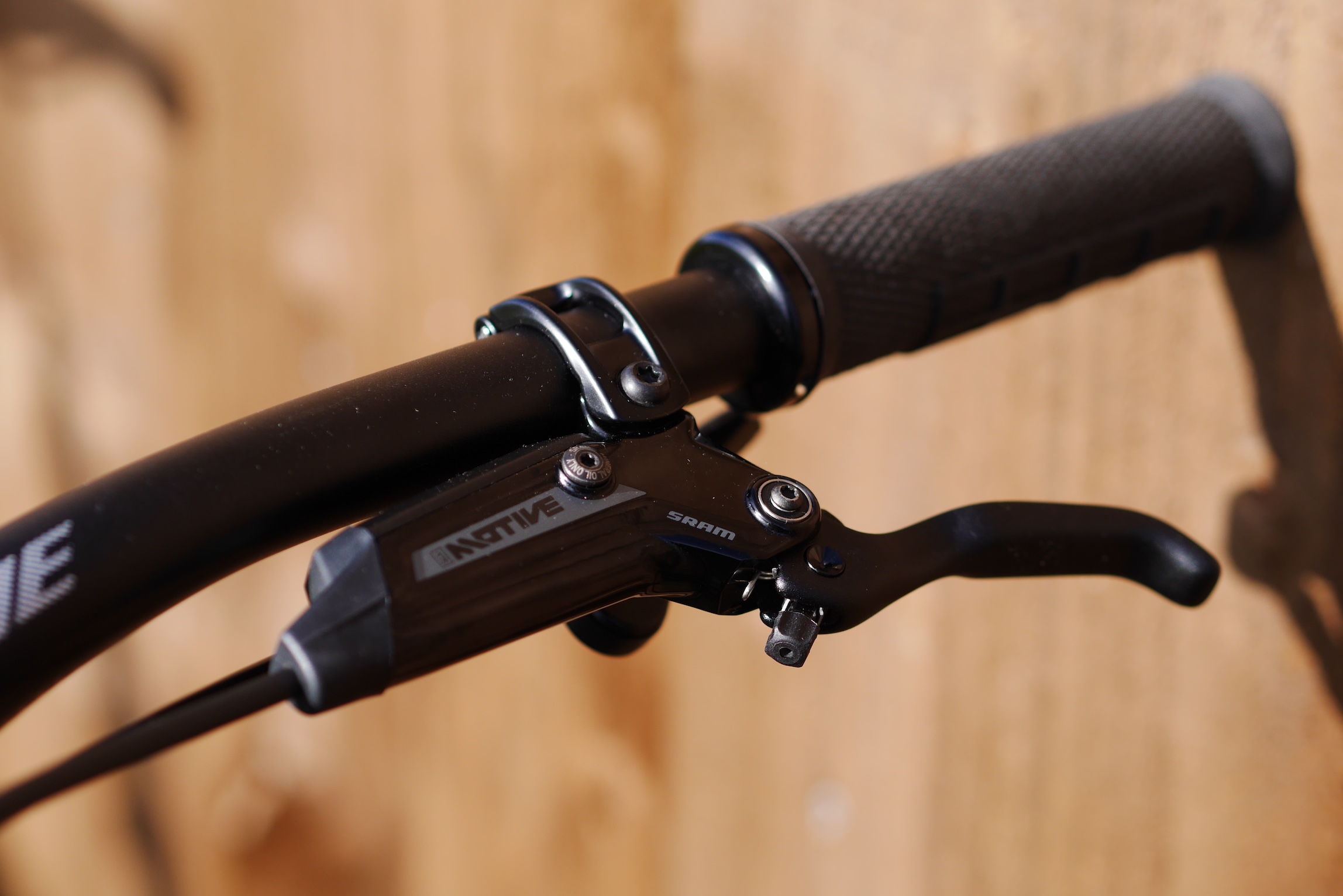
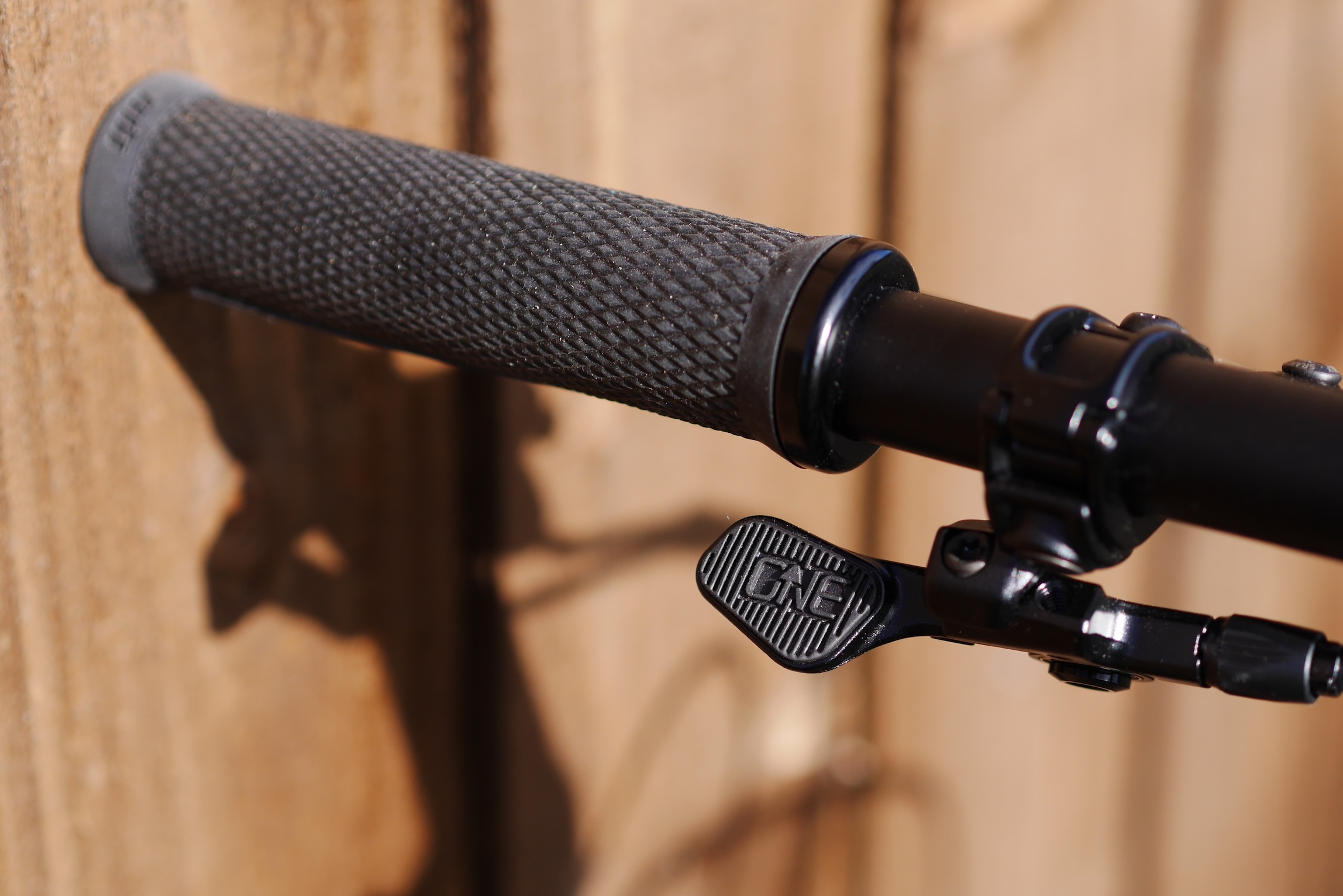
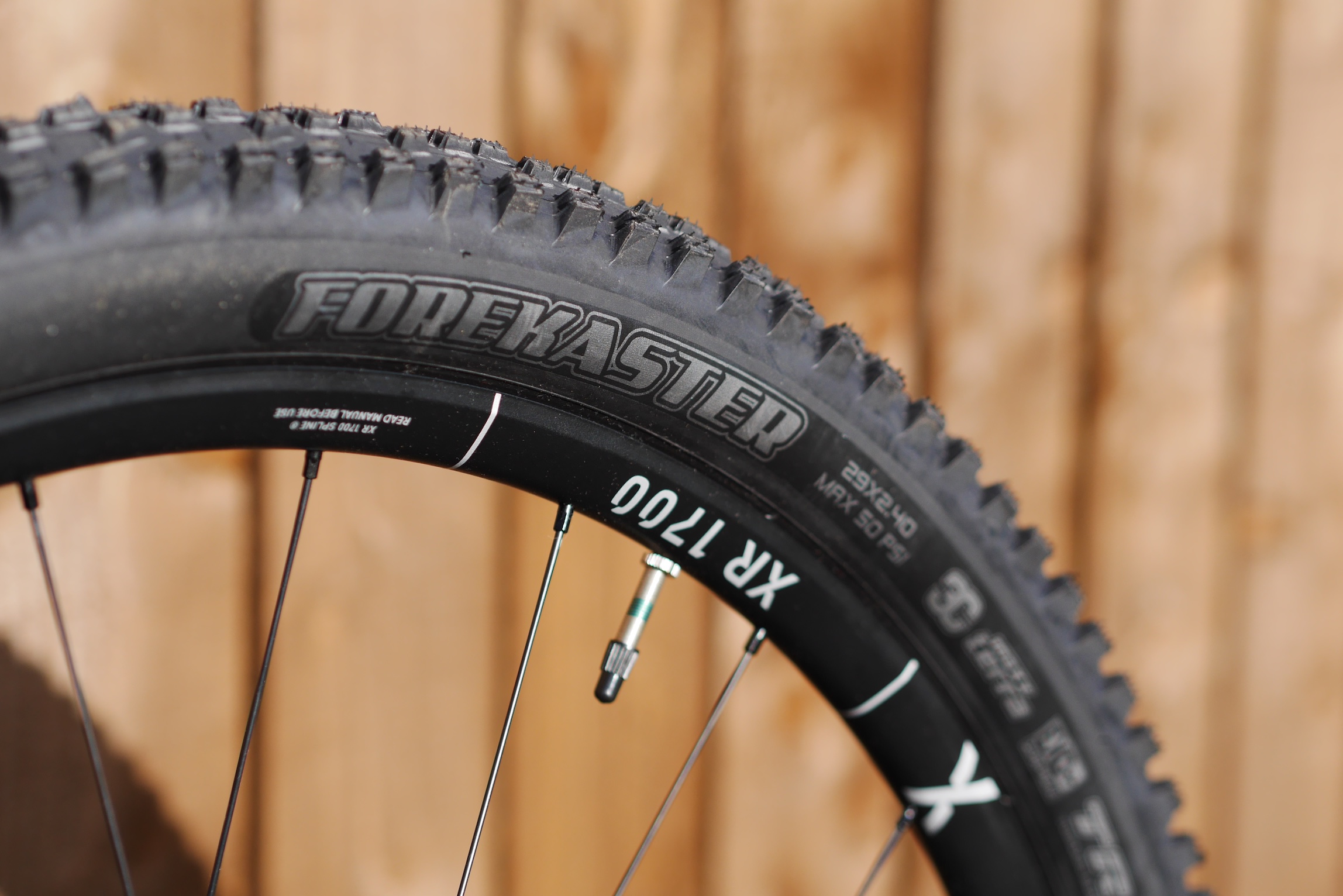
A quick note about the build. It’s pretty much all well chosen stuff. Certain riders may wish to bump up the rotors a size. And whilst the front and rear Maxxis Forekaster tyres are worthy of keeping in your tyre pile, a slightly more capable front tyre will be required for most of the UK year. I’d like to give a ‘shout out’ (what is this? local radio?) to the contact points: the ODI grips and SDG saddle really do help set the feel and expectation of the Spur. Minimalist but not deathly harsh.
What can’t the Spur do? It can do fast stuff. It can do rought stuff. It can’t really do rough stuff fast. That’s just the physics of the thing. 120mm of travel can only do so much. It can pretty much negotiate anything tekkers but just not at high velocity. And that’s fine.
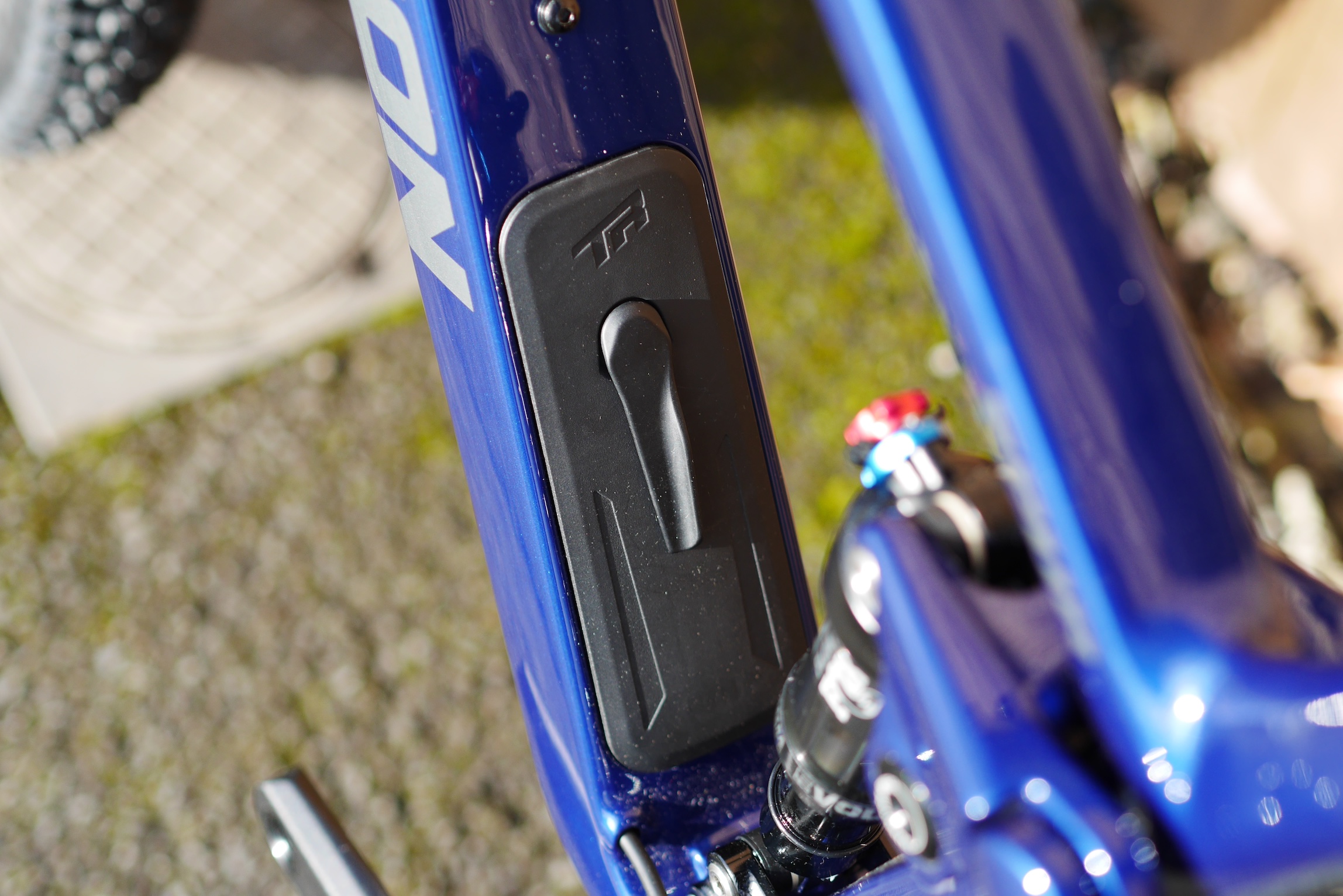
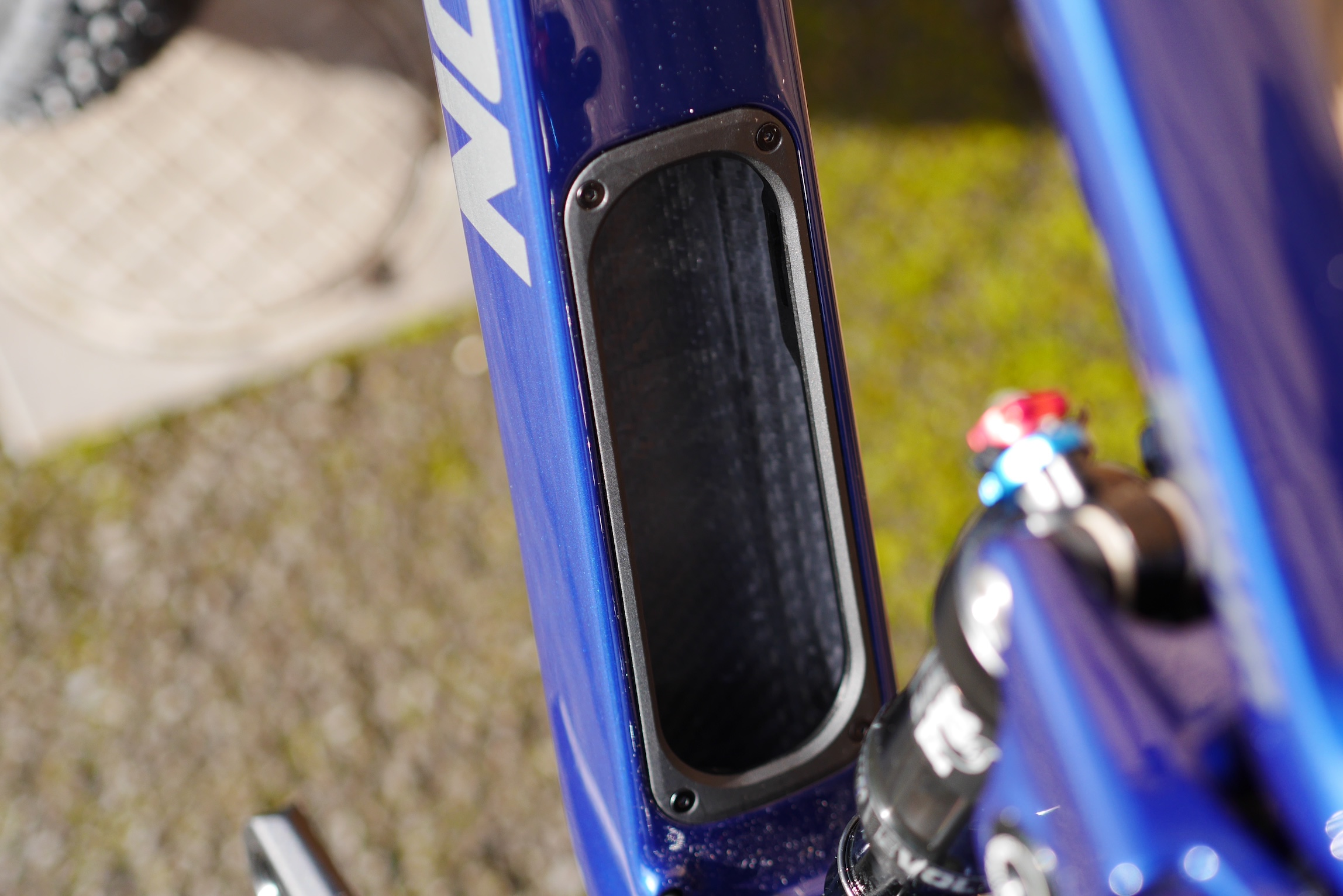
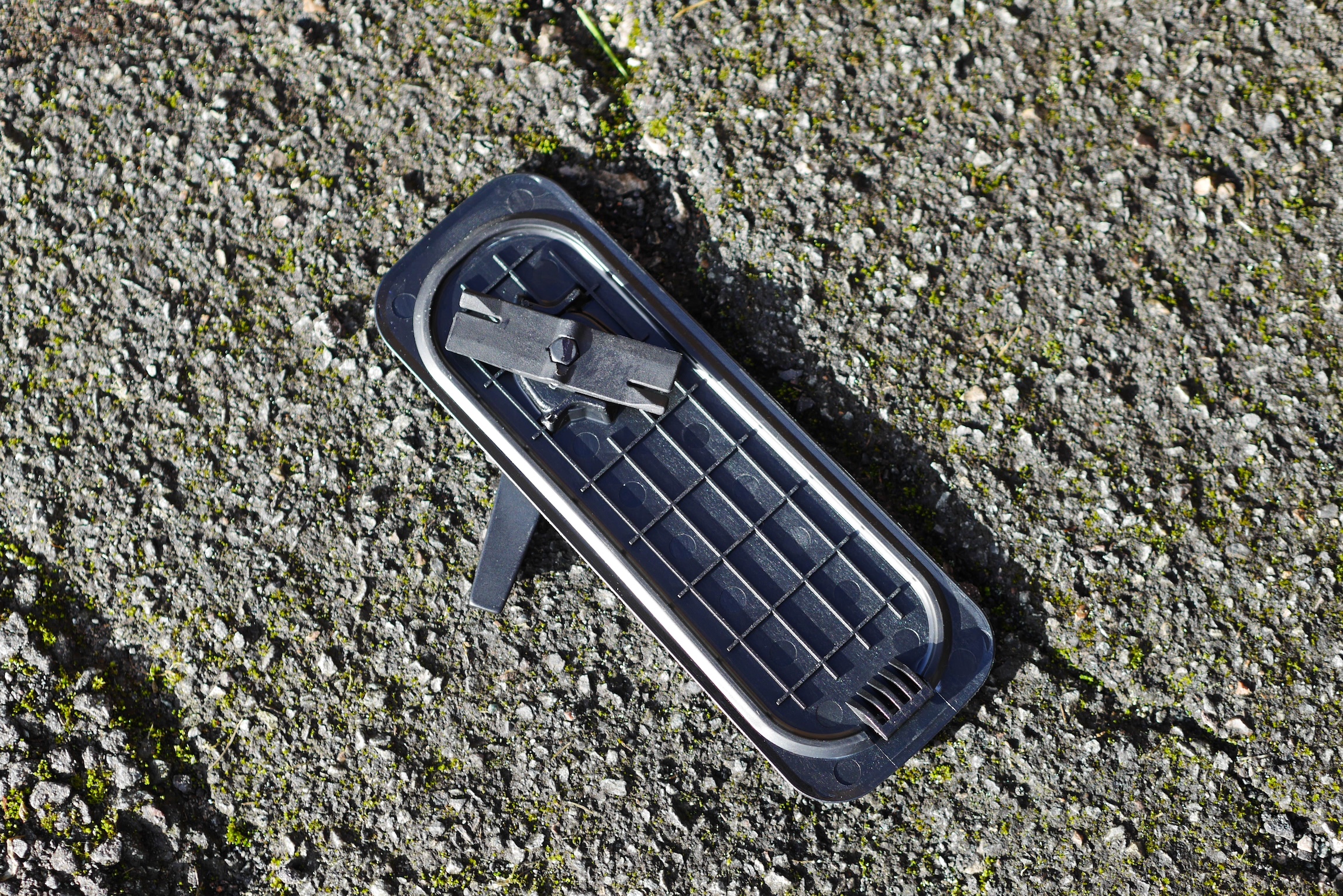
Arguably the other thing that is a chink in the Spur’s armour is climbing. Specifically sat down, steep climbing. I am surprised that Transition haven’t steepened the seat angle. The slightly longer chainstays help prevent excess wheelie-ing but coming from bikes with 78°+ seat angles, the Spur does feel like you’re not quite in as an efficient position over the cranks. I found myself climbing out-of-the-saddle a lot more than I typically do. Which is fine, for a while. For modest length rides and/or flatter terrain it’s something that’s not a massive issue but on steep pitches and no doubt on long distance routes, you may be wishing for a steeper seat angle.
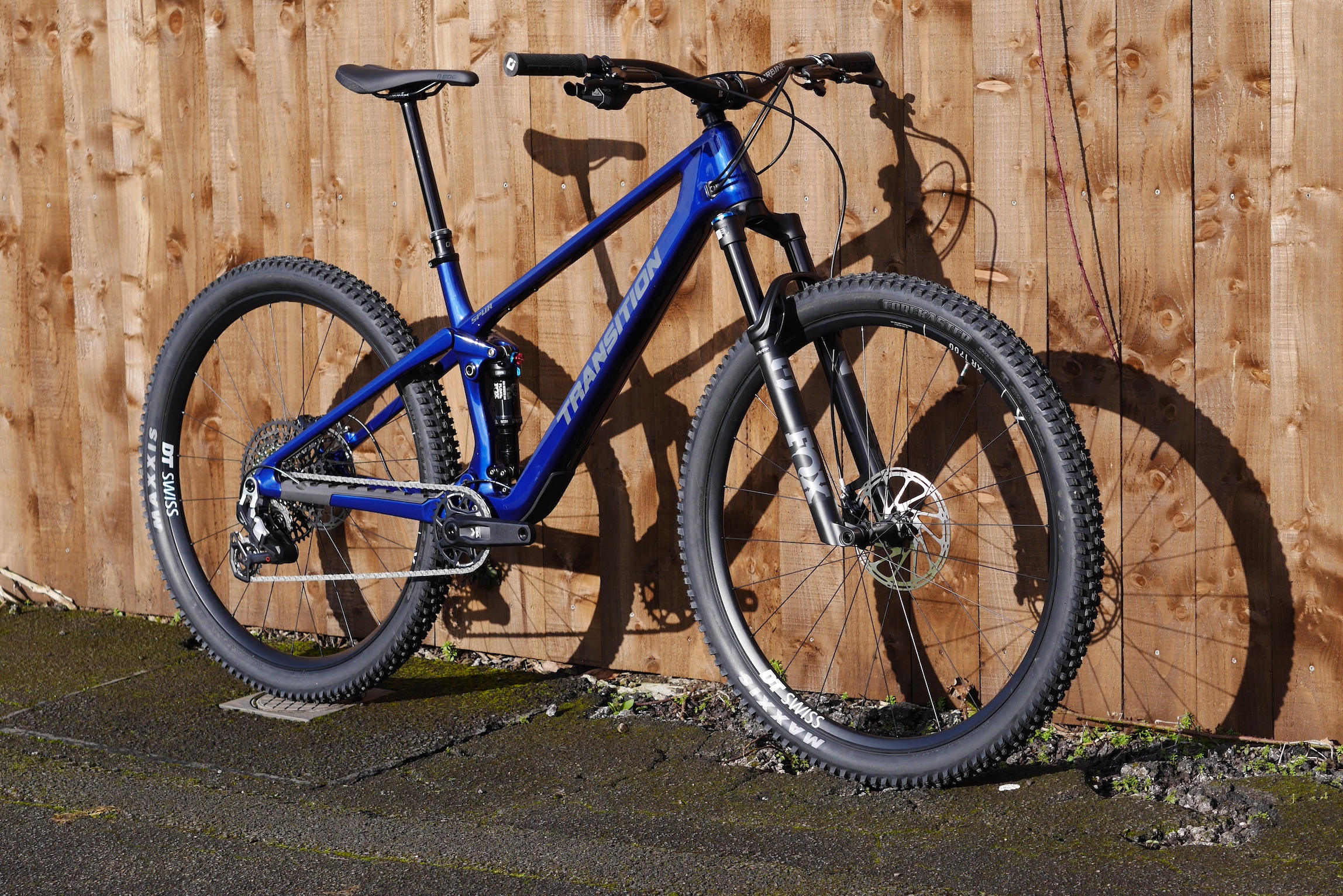
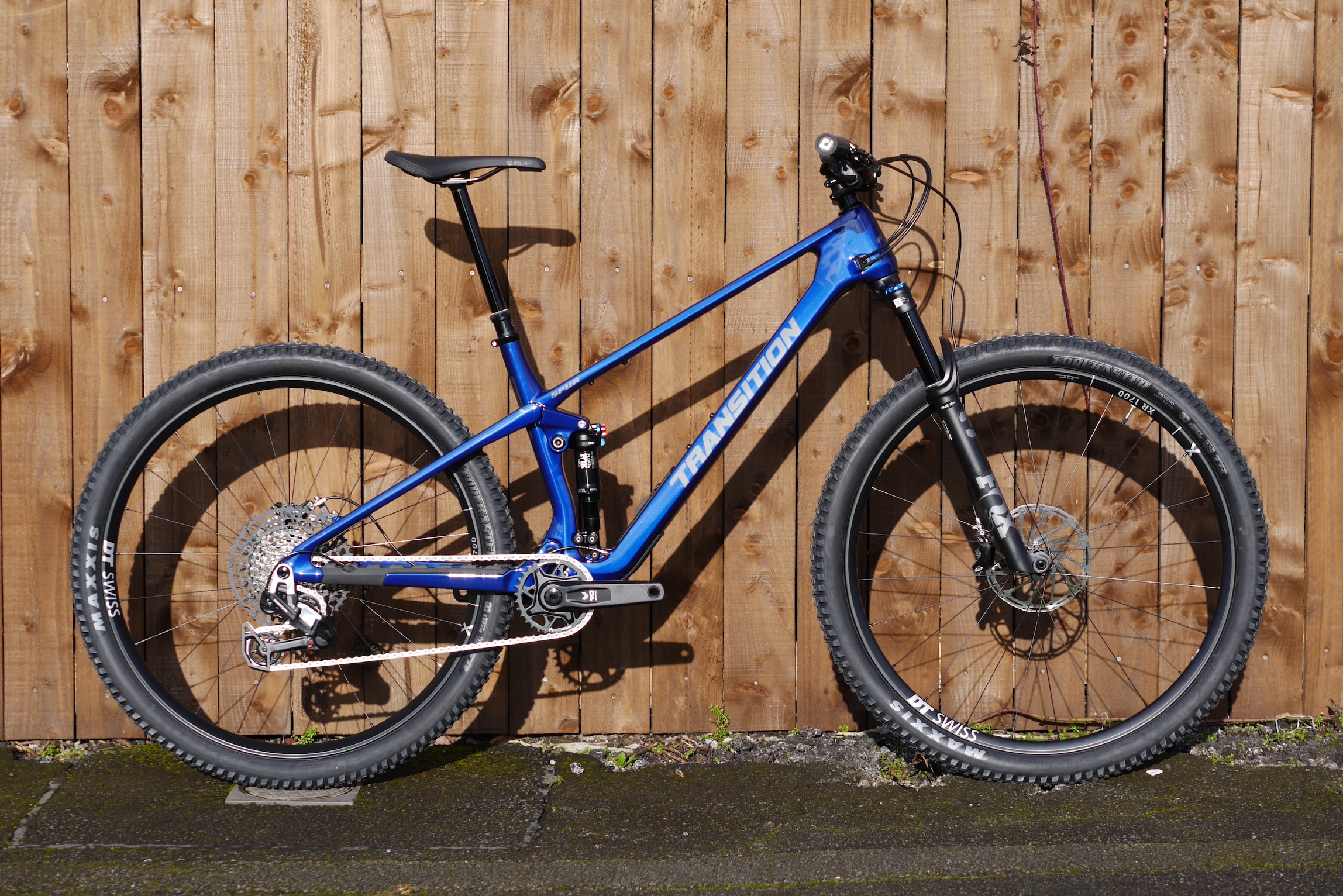
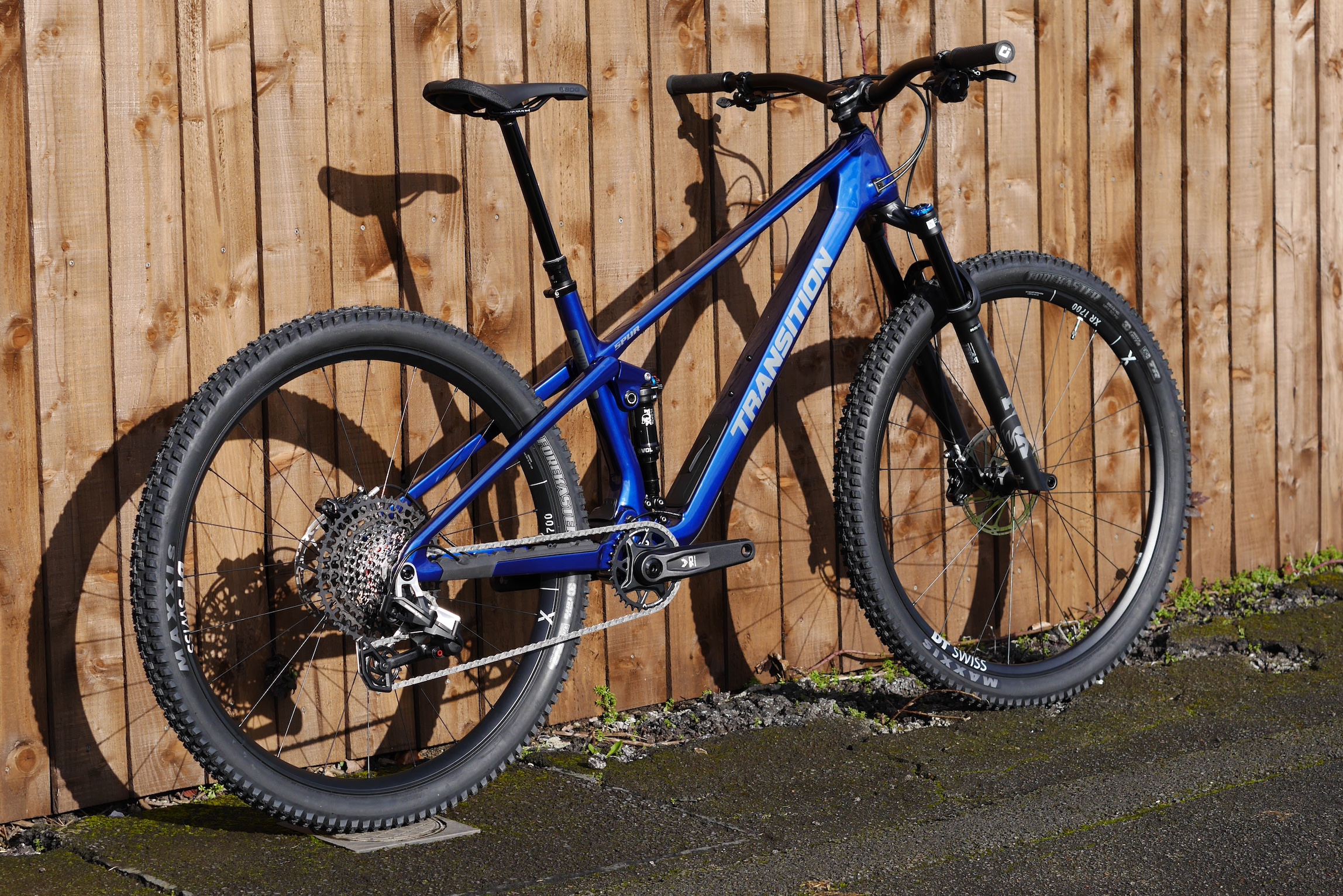
Overall
I couldn’t help but think that whilst the Transition is no cliched quiver killer, paired with a longer travel (e)MTB, it would make for a pretty perfect two-bike garage that could encompass the whole spectrum of what makes mountain biking so gosh darn rad. I just want to ride it again. It’s beguiling and addictive, like all the very best ‘cult’ bikes are. Very much looking forward to more rides on it.
Transition Spur V2 Eagle 90 specification
- Frame // Spur Carbon, 120mm
- Shock // Fox Float SL Performance Elite, 190x45mm
- Fork // Fox Float 34 SL Performance Elite, 130mm
- Wheels // DT Swiss XR 1700 Spline
- Front Tyre // Maxxis Forekaster 3C EXO+ 29×2.4in
- Rear Tyre // Maxxis Forekaster 3C EXO+ 29×2.4in
- Chainset // SRAM Eagle 90 DUB, 165mm, 32T
- Brakes // SRAM Motive Silver, 180/180mm
- Drivetrain // SRAM Eagle 90
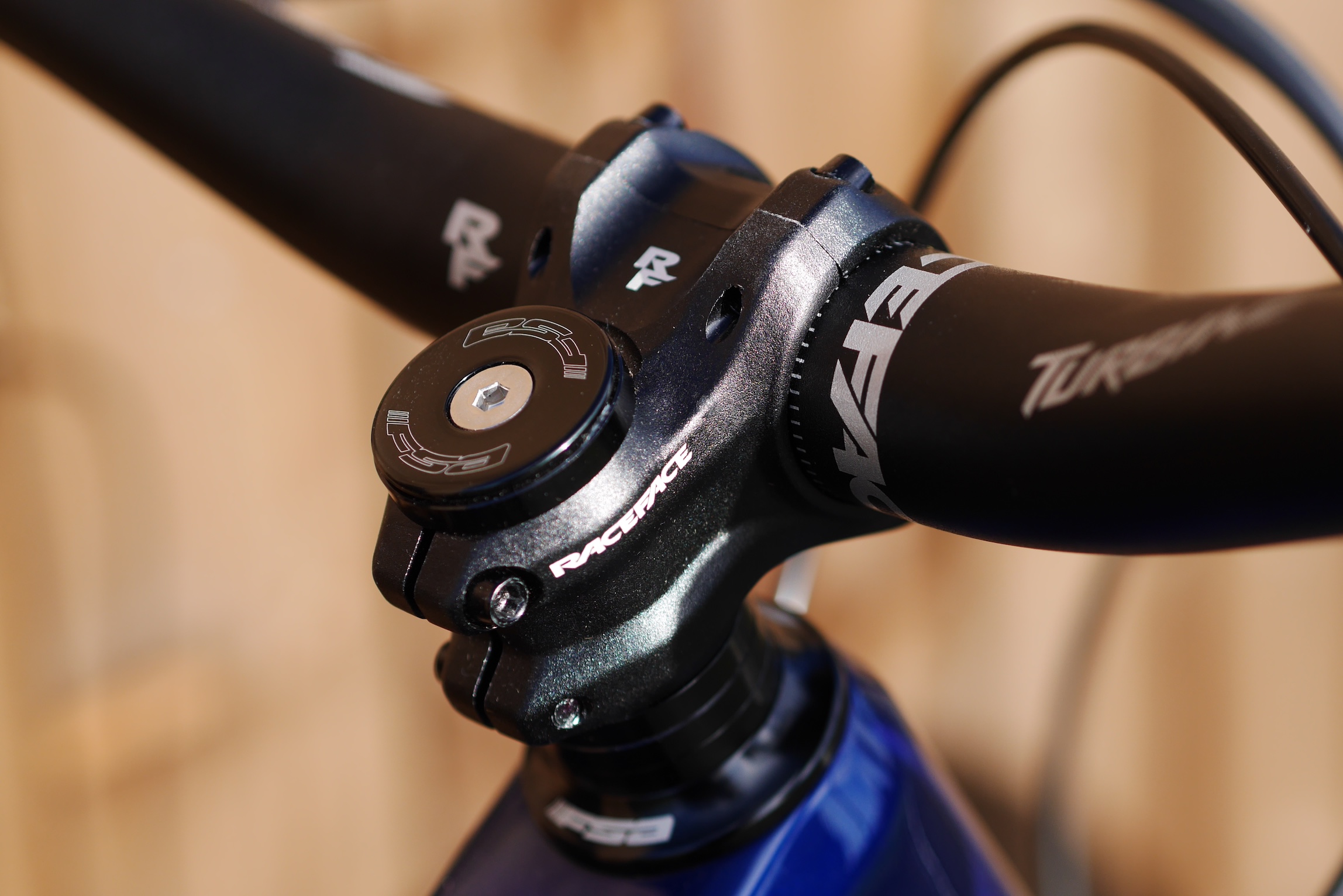
- Stem // RaceFace Aeffect R 35, 40mm
- Handlebars // RaceFace Turbine 35, 800x40mm
- Grips // ODI Elite Flow Lock-on
- Seat Post // OneUp dropper, 31.6mm, 210mm
- Saddle // SDG Bel Air 3
- Sizes Available // S, M, L, XL
- Size Tested // L
- Weight // TBC (don’t want to know until ridden the bike more)
Geometry of our size Large (low)
- Head angle // 65.5°
- Effective seat angle // 75.9°
- Seat tube length // 420mm
- Head tube length // 120mm
- Chainstay // 441mm
- Wheelbase // 1,233mm
- Effective top tube // 633mm
- BB height // 47mm BB drop
- Reach // 480mm

I tried it for a bit and I really don’t like a high bar, for a number of reasons.
Basically what this has made me do is kick myself for not buying one of the reduced lush purple frames from Windwave before they sold out in my size.
Procrastination bit me in the arse yet again. But saved me money. My Izzo is a riot, but for me, it’s always my ‘couldn’t justify the Spur dream ‘ bike.
I am hugely envious of all of you owners! Gorgeous bikes.
V2 not hugely different to the original Spur – no need to make unnecessary changes I guess. Really appealed when first released and still appeals now, although sizing – even in XL – smaller/shorter than my preference. The changes they’ve made are in the right direction though IMO. Coincidentally bringing it closer in geometry to the Tallboy 5 I have.
Amen to that. First climbing I did on a Geometron was eye opening to me. Climbed better than the much, much lighter Tallboy 3 I had at the time despite a typical Geometron build – simply the extra length everywhere plus the steep STA made climbing much better. Pretty much sealed my Tallboy’s fate from that first ride on the Geometron and was replaced soon after!
thought I replied to this thread yesterday but looks like its gone in the ether.
100% agree with the above, but Transition do have quite an extensive catalogue of bikes good at doing that very thing, and probably more suitable for the descent that follows a 1000m climb than the spur.
those of us not so geographically blessed might find that the more “xc" position (and I mean modern xc not 90’s arse up like that Chipps picture on the other thread) gives not only a more fun/engaging experience on flatter or uphill trails but also one that is more suited to outputting higher power than “sitting and twiddling" efforts.
If glute engagement and thus power increases with a greater hip hinge, why do I stand up when I need more power?
Thats a valid point and a short travel bike with a wider appeal would make sense.
That said,
Not all long descents need a long travel heavy hitting bike.
My guess is that they aren’t approaching the Epic evo type of bike head on with the Spur.
Do it, I picked up a 120/110 Full Sus XC bike and its so much more of a hoot then I thought it would be and handles some rough stuff fine!
If you’ve seen what World Champs/Cup CX racing looks like these days, it’s no surprise – they’re hitting techier stuff on XC bikes than most amateur enduro warriors on long travel bikes.
FYI: review updated with UK pricing now
Frame £2,999
Eagle 70 build £5,299
Eagle 90 build £6,299 (tested)
XT Di2 £6,999
XTR Di2 £9,999
Given that you can get good parts at bargain prices currently, frame only seems the way to go imo. £3000 for the frame vs £5300 for the Eagle 70 build… Similar story with the new Hope frame vs full build rrp. Merlin doing a full XT groupset with brakes for £400, Fox 34s for between £300-£500…
Poor technique? Probably so you can put your full weight on the descending pedal whilst pulling up on the ‘bar. I bet you can’t do it for long though. Or get traction on loose ground. If you often need to stand up to climb, then I’m afraid it might be a lack of strength or poor technique. Or a sore arse! Yes, even the professional roadies stand up to generate more power at times, but not for long 🙂
@sharkattack
That’s so far beyond just having a tall handlebar! You should do a write up on how it’s working out. I imagine the steering feels very different with, what appears to be, an almost zero reach stem? Genuinely interested… I love an experiment or different approach… always learning 🙂
I wouldn’t call it necessarily poor technique – just different. (if your aim is max efficiency over a long sustained time, time trialling may be a better avenue than mtbing-for-fun)
Like you say, pro roadies do it for a short burst.
Also CGG is a single speeder, so when climbing at a low cadence he’ll need more force per pedal stroke even if his effective power output is only middling (e.g. sustainable for a few minutes for a southern england climb)
@Samadhi
I’ve already written about it here…
https://singletrackworld.com/forum/bike-forum/does-anyone-make-a-very-short-stem
It’s 60mm high with 10mm reach. It’s one of those things that looks weird but you get used to it instantly.
It definitely wouldn’t work on every bike though. My Druid has longer than average chainstays and a rearward axle path.
I haven’t ridden it on anything difficult or technical yet but I’ve got some pretty savage climbs close to home and it’s fine on those.