Orbea Rallon RS is – hurray – an actually interesting mountain bike. And Benji’s had a play on one.
- Brand: Orbea
- Product: Rallon M RS-LTD
- Price: £12,499
- From: Orbea
- Tested by: Benji for 1 day

WTF is it?
- The electric Rallon
- Carbon only
- 180mm fork
- 167mm rear travel
- TD HPR40 motor w/ 40Nm torque and 200w peak power
- 290Wh battery (optional 160Wh range extender)
- 29er or MX mullet
- Claimed weights from 17.5kg
- Prices start from £9,499
When I was first asked if I wanted to have a go on the new ‘Orbea Rallon RS’, I didn’t think it would be an ebike. I thought it would just be a regular Rallon but with the RS system integration stuff (where the suspension and dropper and various sensors all talk to each other etc).
It turns out I was wrong. But also right. The Orbea Rallon RS isn’t an ebike. Okay, technically it is. There’s a motor and battery in it. But it absolutely doesn’t ride like one. And I don’t think it’s supposed to.
With the TQ HPR40 motor (more commonly found on road e-bikes) offering a mere 40Nm of torque and peak power of 200 watts*, the Rallon RS is significantly less powerful that even ‘SL’ ebikes. Compared to full power eebs kicking out over 100Nm and 750 watts, this bike is clearly not intended as a rival to anything currently out there.
(*the motor output will only ever match, at best, whatever wattage your own legs are putting in; the TQ HPR40 is actually ‘de-tuned’ by Orbea)
To simplify the USP of the Orbea Rallon RS to a single sentence: it’s like an acoustic/unassisted XC bike on climbs and an acoustic/unassisted SuperEnduro bike on descents. In Orbeaspeak, it’s an Oiz on the way up and a Rallon on the way down. At no point does it feel like riding an ebike (such as an Orbea Rise or Wild).
Now, you’ll either go “eh?” or “cool!” at this description. That certainly seems to be the case with the few folks I’ve ‘leaked’ this bike’s details to.
Orbea claims to have worked out just how many more watts it takes to ascend on a typical acoustic/unassisted Orbea Rallon compared to a typical acoustic/unassisted Orbea Oiz (factoring in weight difference, tyres etc). And Orbea’s figure is around 60 watts. In other words, to keep up with an Oiz on a climb, a rider on a Rallon needs to be putting in 60 watts more.
Crudely put, with the proprietary tune of the TQ HPR60 motor, the Rallon RS kinda aims to be supplying around 60 more watts of assistance than what your legs are putting out at any given time. I say ‘kinda’ because it depends on what assist level you’re in and what tweaks you may have done to the software via Orbea’s app. But hopefully you get the idea.
Range claims: Orbea say the bike’s 290 watt-hour battery should be sufficient for 2-3hrs/1,200-1,800m ascent rides. With the 160 watt-hour range extender this increases to 3-4.5hrs/1,800-2,700m ascent.
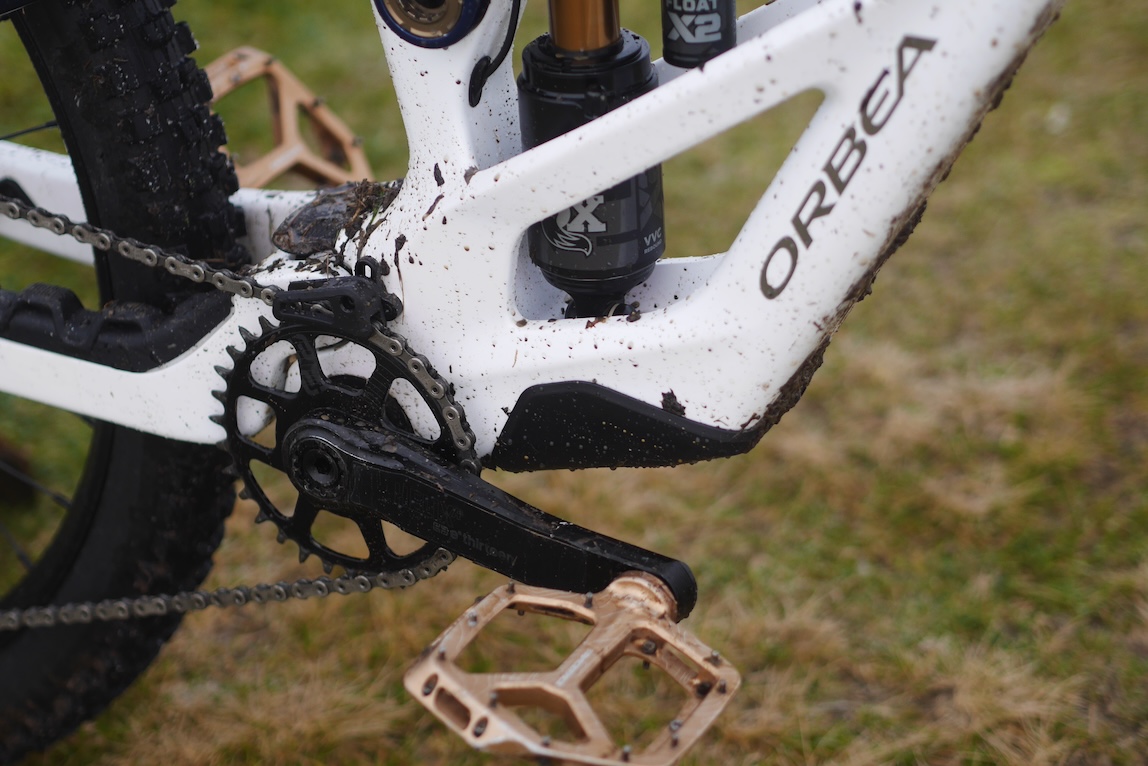
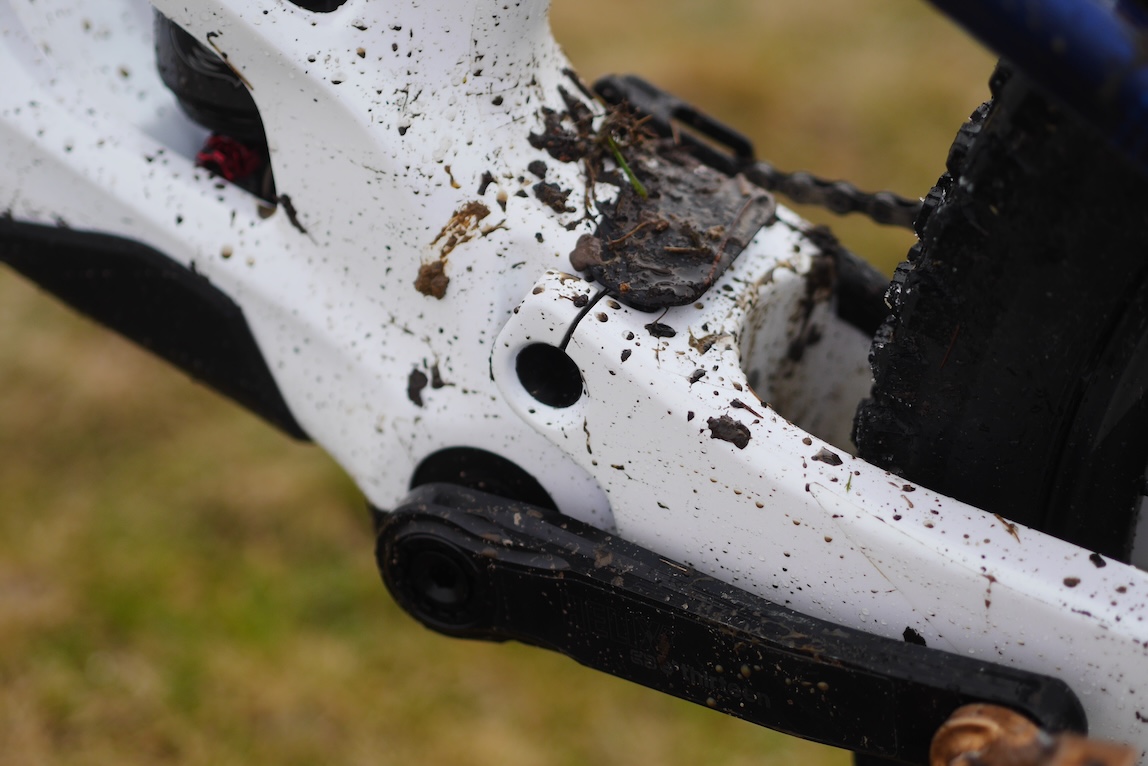
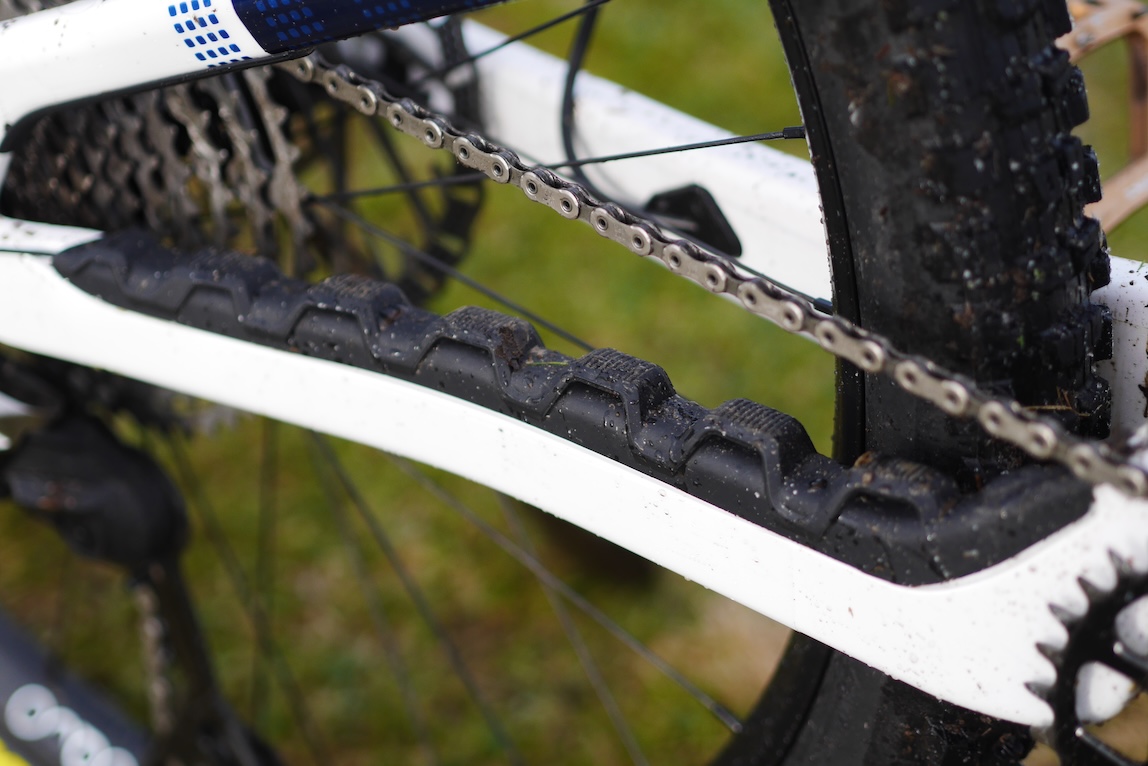
Weightwise, the bike you see in these photos hovers around the 17.5kg mark. Orbea state that the Rallon RS is only 1.1kg heavier than the acoustic/unassisted Rallon. This is partly achieved by the Rallon RS not having certain aspects found on the Rallon (gravity link, cabling, remotes etc). Still, this ain’t a heavy eeb.
Orbea Rallon RS geometry
Unsurprisingly, it mirrors the regular Rallon.
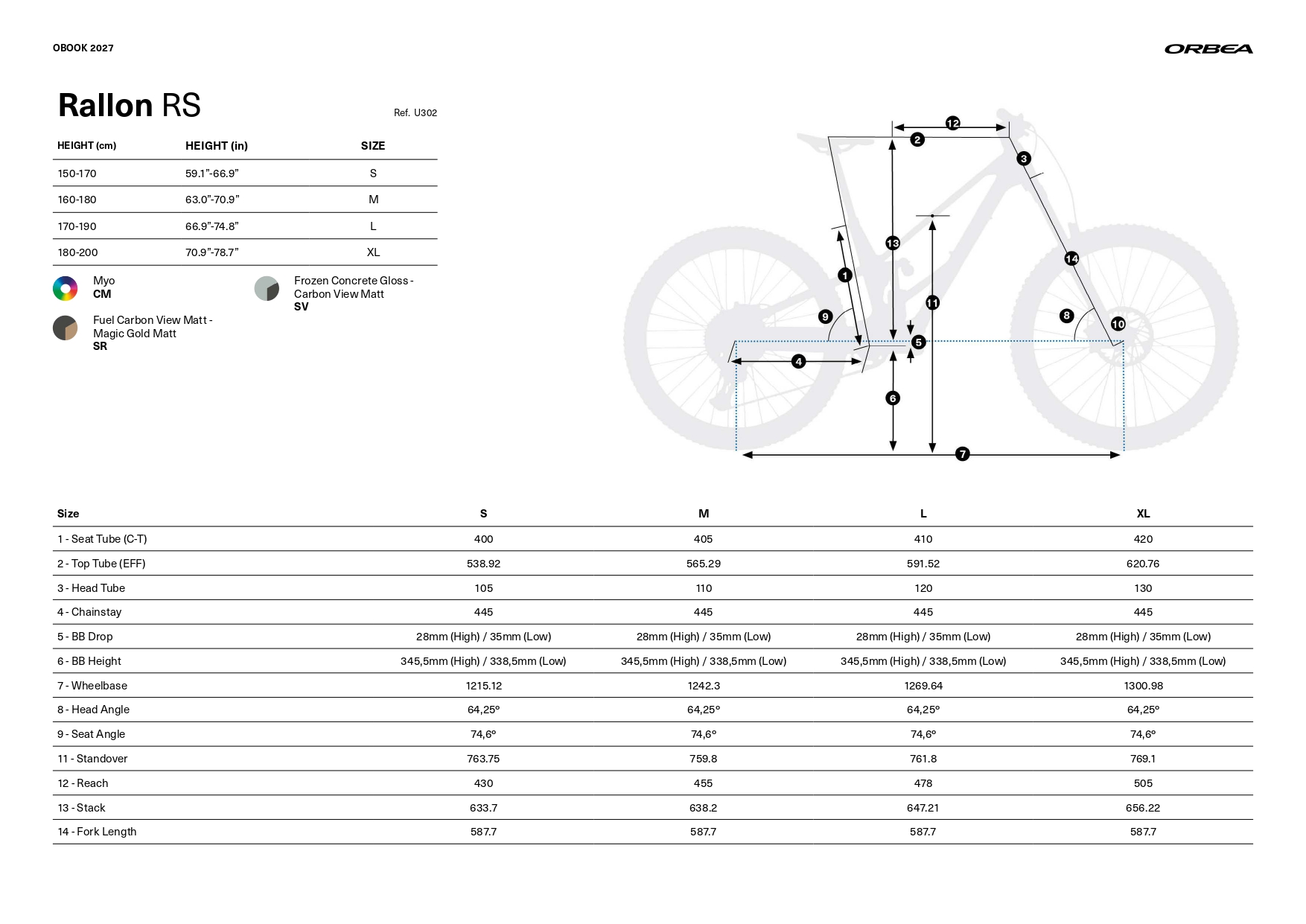
Orbea usually know what they’re doing with geometry, and the Rallon RS is no exception. If anything, the Rallon RS is a bit better (for taller riders at least) than the Rallon due to the slightly longer chainstays.

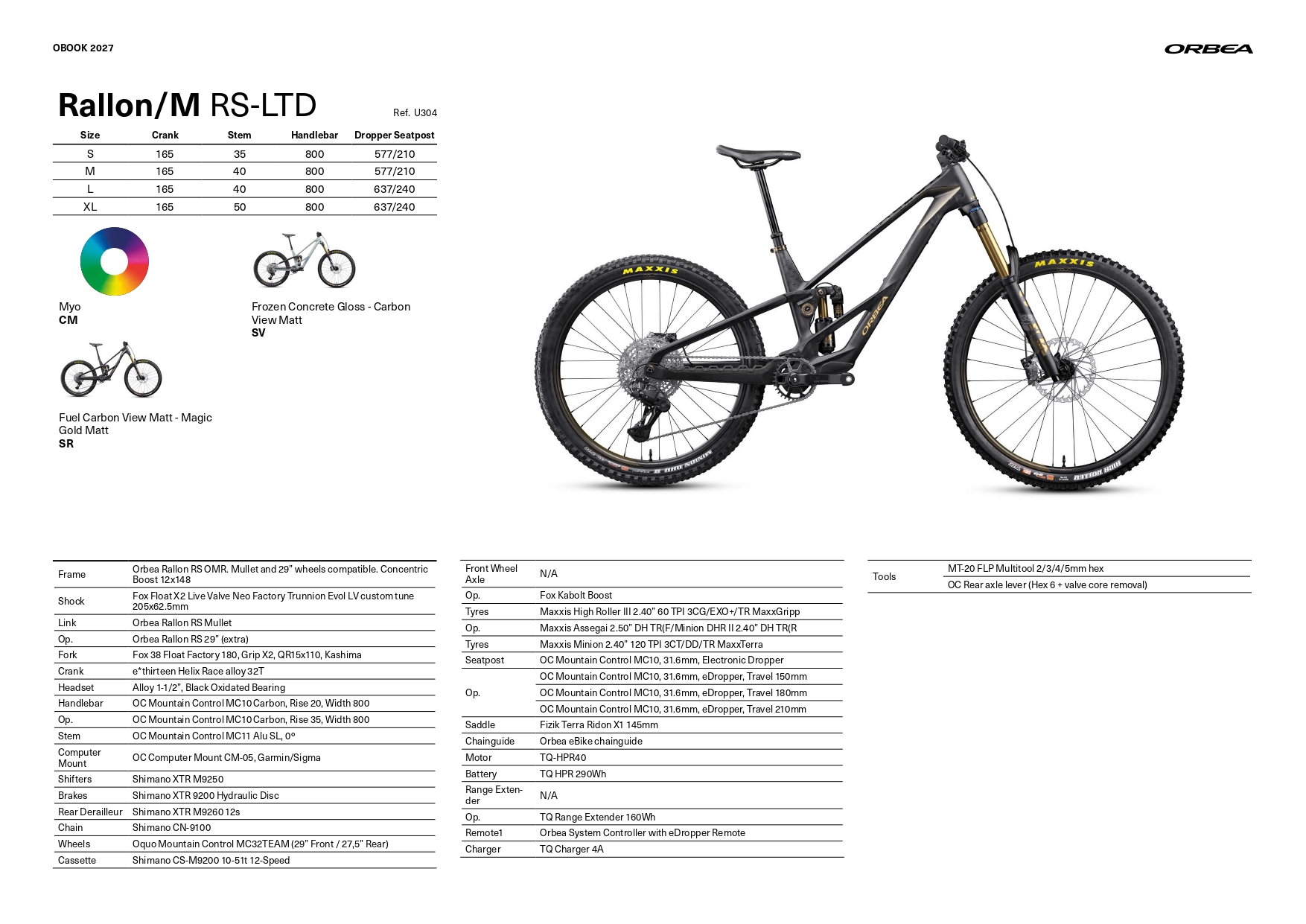
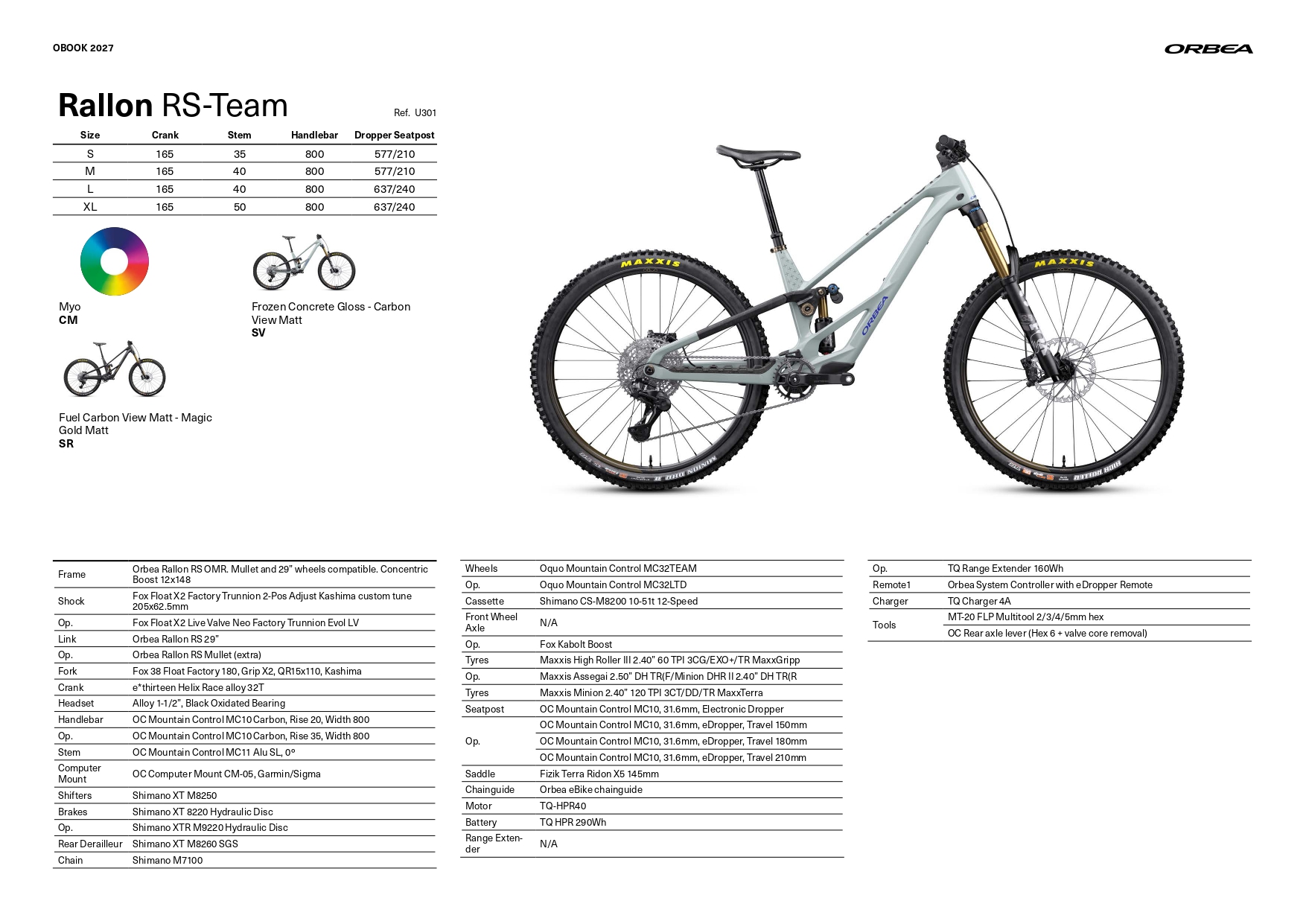
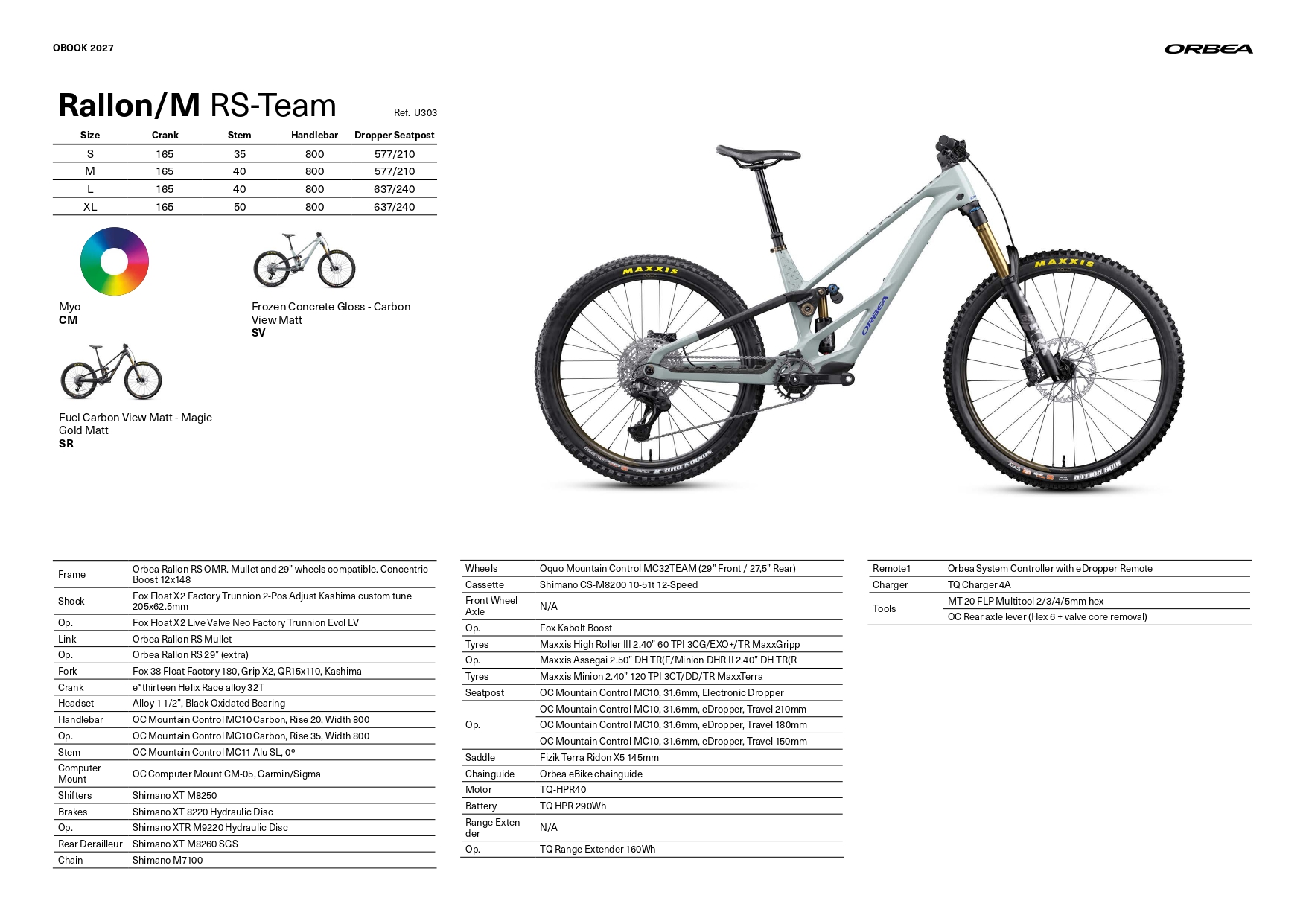
There won’t be very many Orbea Rallon RS bikes made. And they’ll just be sold via ‘select’ dealers. And there’s only two models in the range: the £12,999 RS-LTD and the £9,999 RS-Team. Actually, make that four, with the mullet builds: the £12,499 M RS-LTD (tested) and the £9,499 M RS-Team.
What does RS mean?
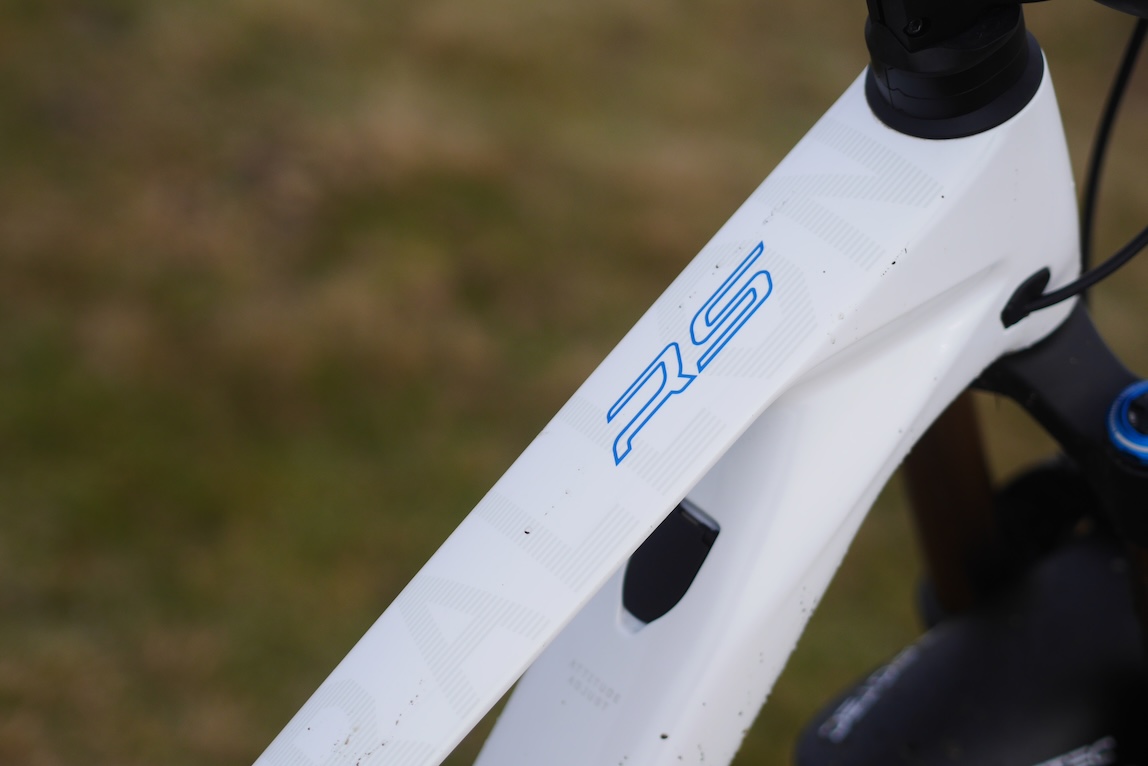
‘Rider Synergy’ apparently. Which is not massively helpful, sorry. ‘RS’ basically means that various parts of the bike talk to each other and adjust their settings accordingly.
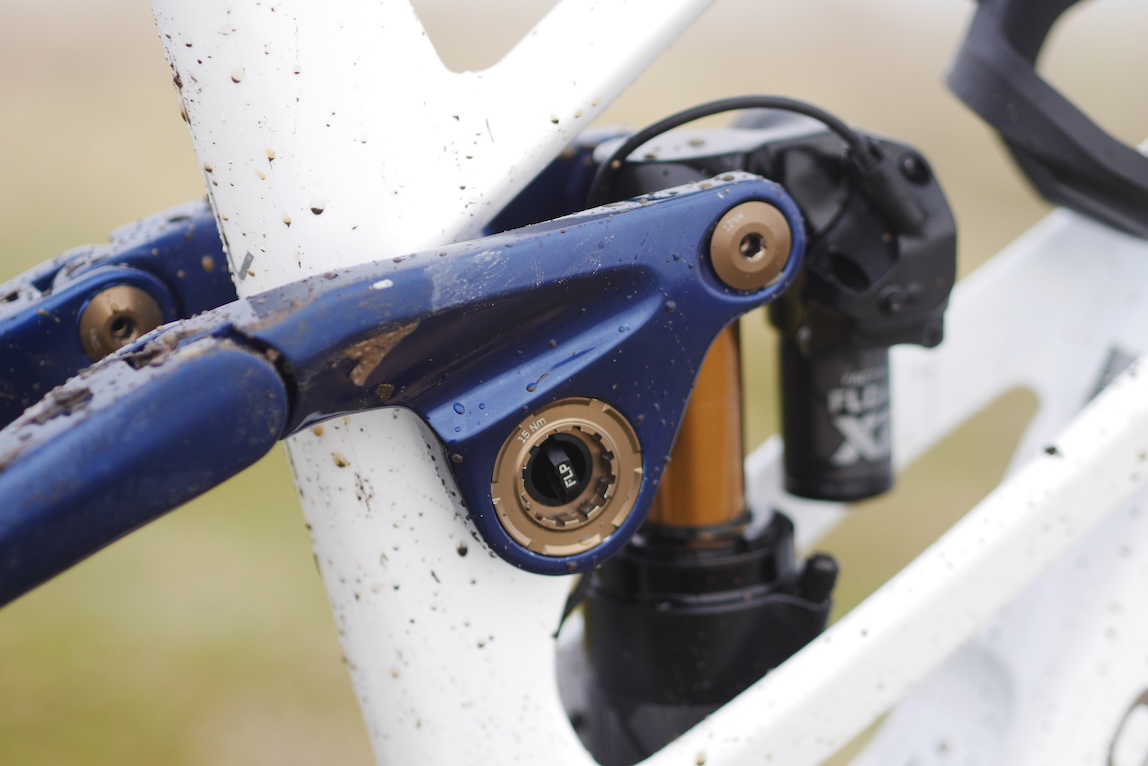
Orbea RS is a system connecting the remote, motor, shifting, Orbea MC10-RS dropper post, Fox eNEO Live Valve suspension and central battery (everything is powered from this one battery).
So, the suspension is informed by the motor data. The suspension is also informed by dropper position (when the dropper is lowered, the shock stays fully open). The motor is informed by terrain and rider position; it recognises when the bike is pointed downhill and/or with the dropper lowered and adjusts its assistance.
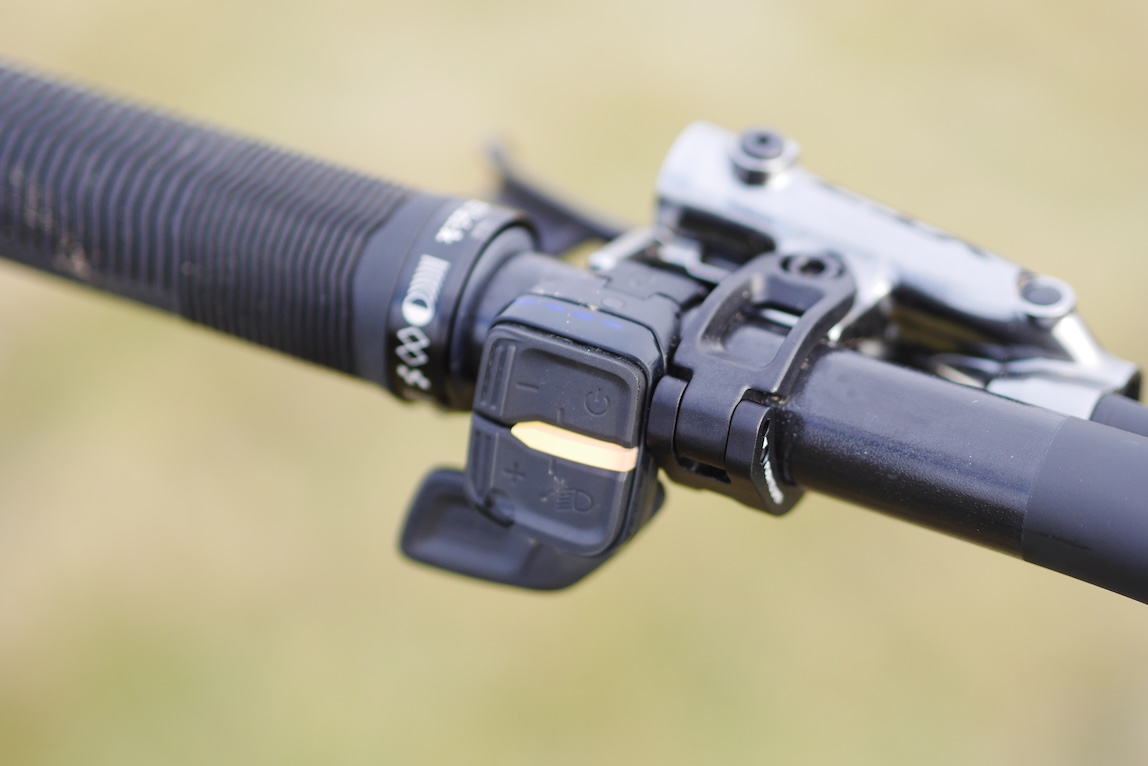
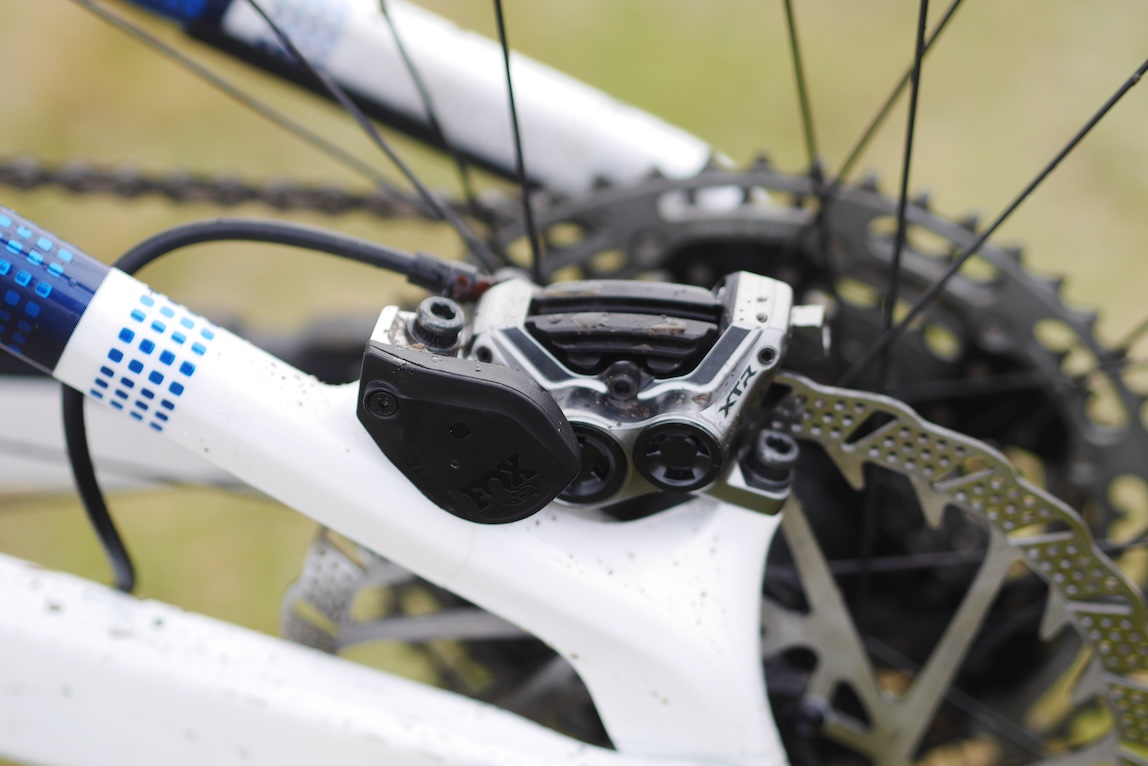
Despite all of this techno wizardry, there’s just one remote on the handlebar, adjacent to the lefthand grip. Okay, so it’s a pretty techo remote. And it can do a whole lot of things that I didn’t delve into during my time on the bike (I wanted to review the bike, not the remote). Suffice to say, the remote can just be used for the basics too (power assist level and dropper actuation) without any issue.
How does it ride?
I’ll repeat what I said above: it’s like an acoustic/unassisted XC bike on climbs and an acoustic/unassisted SuperEnduro bike on descents.
To be honest, it’s not a bike that I’d go for (it is incredibly expensive, and I like my ebikes to ride like ebikes) but there’s no denying that it pretty much nails its remit. It genuinely does ride like an XC bike on climbs ie. still requires a lot of effort but not as much as a hefty-tyred squidgy enduro-sled. And it rides like an extremely capable enduro bike on the descents. (The main thing I came away with after a day on the Rallon RS was a huge desire to have a go on the normal Rallon – here’s hoping we can get one in soon!)
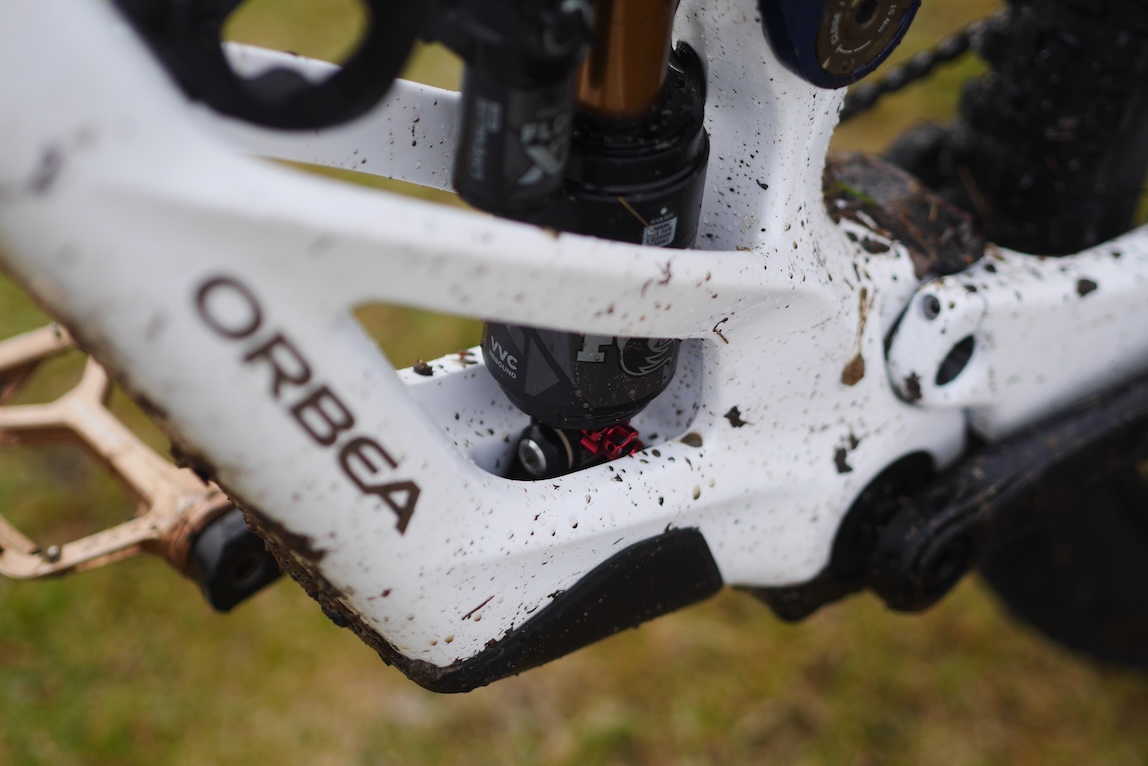
I’ll even go as far to say that the Fox eNEO Live Valve suspension is a good idea on the Rallon RS. The irony of all this aforementioned ‘techno wizardry’ is that is actually makes the bike much more set-and-forget. I got on board the Rallon RS and just… rode it.
The suspension benefits hugely from the Live Valve stuff ‘knowing’ what you’re doing. It sits nice and usefully high in its rear travel on climbs which helps with overall efficiency, comfort and avoiding pedal strikes in ruts etc. And when you do tip it downward – which you absolutely will be doing with glee – the bike is exceptional in its composure, support, traction and line-holding.
It very much is like the all-mountain unicorn that’s been marketed since the turn of the century. XC climber. Enduro/DH descender. It’s just a shame that it costs an unbelievable amount of money, and the beautiful unicorn experience only lasts 3 hours before it turns into a pumpkin (if you know what I mean).
Overall
At the end of the day, the Rallon RS is less of a commercial prospect and more of a statement of intent from Orbea. This is a vision of (a version of) the future. Orbea itself explains: “Rallon RS is not the result of trends or market pressure … This model allows the company more freedom to explore long-term ideas.”
The Venn diagram overlap of ‘people who are interested in owning this bike’ and ‘people who can afford this bike’ is no doubt very small. But probably big enough for Orbea to deal with. As I say, the designers have succeeded in what they set out to do, and the Rallon RS is a great handling mountain bike. And hurray for interesting ideas still happening in the bike industry.

so you spend a fortune on a £12k ebike and every time you ride it up a hill it reminds you you are ‘paying ‘ for your decision to have an under powered motor 😂 it’s a punishment bike for people with lots of money
I just turn my Rise power right down if I want a workout and that didn’t cost £12k for the privilege
Im sure Atherton would disagree will be interesting to see how much their bike weighs 😁
Irbea obviously think there is a market, but I would have thought (stereotyping) the type of people who want a 170mm bike for steep downs, on the whole can’t be arsed pedalling hard up
For those who enjoy peddling up and across, I can’t see the need for 170mm travel
Ignoring “as well as”, because we can all disagree about that… do you accept they don’t necessarily ride “the same as” each other?
Anyway, interesting bike, I’d love a go… but this thread shows why talking about e-bikes is less interesting than riding them… there’s always the “but more power / bigger battery” comments distracting from something trying to walk (ride) a different path.
What’s the difference between an ebike and an eebike (eeb)?
Asking for a friend 😊
i think the key element here is the fox live valve.
live valve / flight attendant get called a bit pointless on big travel bikes because you can stiffen your suspension to make your enduro plow pedal like an XC bike… but an XC bike with 5 kilos of ballast and downhill tyres. So never quite acheived the hype.
But here, you overcome the weight and drag with the motor.
So the motor and fancy suspension work together (meaning the cheaper version misses half the point of the bike) to potentially makes something that works.
Maybe. Obviously none of us punters have ridden it.
And at that price most of us (including me) won’t.
I like the idea of it, being able to pedal uphill like an XC bike but with 170 travel would be great. But I really like my full fat YT Decoy. Sure it’s heavy and people complain about full fat e-bikes being too hard to throw around, but I just got stronger. The only time I notice the extra weight is loading them into the van. My wife has one as well and sure, she’s probably stronger than most guys on here, but again she only notices the weight when it’s time to lift it up, chucking it around on jumps and trails never bothers her.
I would like to try either this or the Trek Slash-E (or whatever it’s called) though.
Just a thought, how hard would it be for Orbea to switch the motor for the more powerful TQ and a bigger battery? If tha’s possible on this frame then maybe that’s something they’re going to offer later on to make the frame more commercially viable. Release the Super super light model first and then a more powerful version later on.
I think it is marginal in my experience. Don’t have any issues riding the ebike compared to the enduro bike down anything. analogue is perhaps 5% better at descending but getting a fraction of the riding in and then pushing up sections? I prefer doing more in less time. Which is why this orbea doesn’t appeal. The dream of a motor and a full fat battery in that weight is the one. but this is compromised and I don’t know what I’d use it for
Biggin up a 12 grand peddle cycle.You’ve all lost your minds
In the Pinkbike review, they pointed out, that Orbea accept that is bike is more of ‘test case/show whats possible’ thing, so I suspect that Zerocool is right and there will be a model with the 60 and less tech along soon.
In a world where money was no object and you and all your friends could all buy one, it would make a great extra bike.
These threads always make me smile as they really make it clear that we all have a very different idea of steep, slippery tech. I accept that Tommy C and Shag can ride anything on an e-bike with Shreddas in any conditions but for us mere mortals a 25kg bike versus a 20kg bike makes a big difference at the edge of our lack of talent ,as speeds slow down, corners require endo’s and camber disappears…
That said, I still chose a 25 kg bike as that was the best bike for me on balance but my next one will be lighter as things have moved on.
FTFY. Rather cleverly if I say do myself 🙂
Finally a good looking eeb! Kinda like the idea behind it, although for me the whole appeal of an ebike would be to use it in turbo as a self uplift for seasoning DH trails, rather than “just a bit" of assistance.