The new wireless shifting future from Shimano is very good, although it simply had to be.
- Brand: Shimano
- Product: XT M8250 Di2 Upgrade Kit
- Price: £649.00 (shifter, derailleur, battery, charger)
- From: Freewheel
- Tested by: Chipps for six months
Our rating
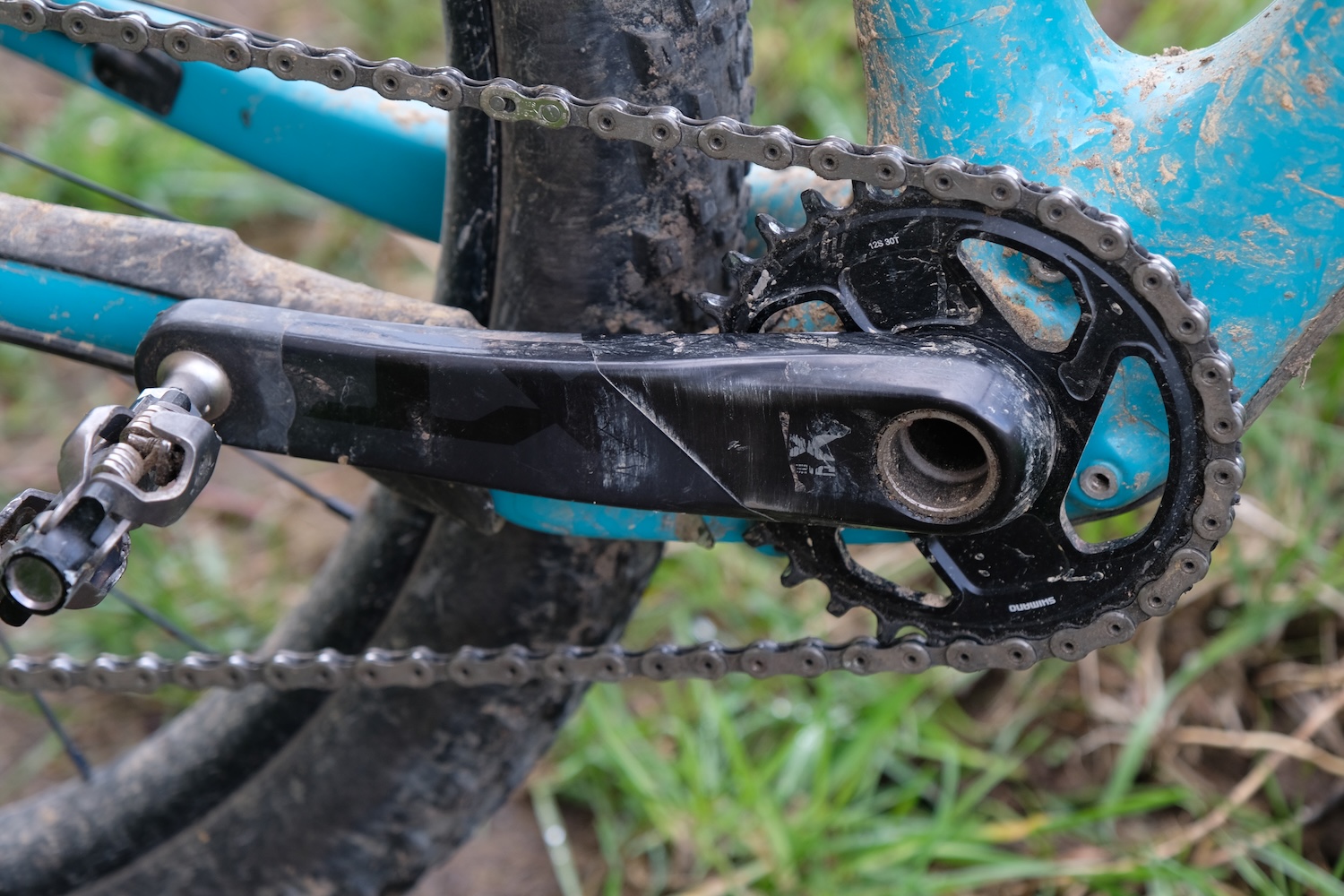
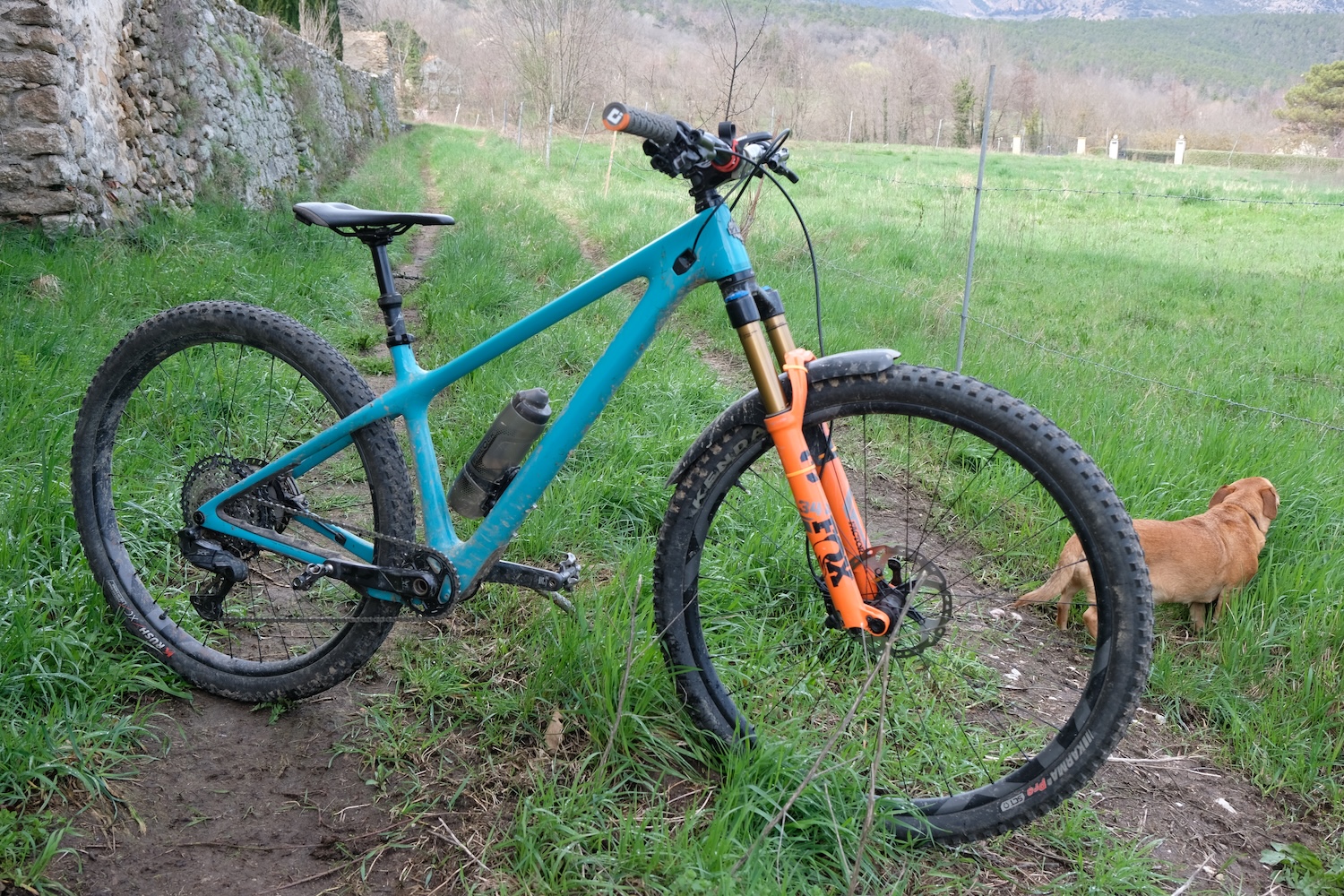
It took Shimano long enough, didn’t it? But now that fully wireless shifting has hit the Shimano MTB range, it made sure to have the decency to come out with XTR, XT and Deore versions within weeks of each other. I’ve been using the ‘regular’ XT 12 speed set-up on my main bike for the last half a year – I say regular to mean the 10–51T wide range cassette version, as there’s also a racier/more compact version that runs a 9–46T cassette and a shorter-caged derailleur.
If you already have a Shimano 12-speed set-up, then this upgrade kit is pretty simple: you just need to remove the mechanical shifter and mech and replace them with the future. The XT M8250 mech attaches to a plain old derailleur hanger and the shifter comes in I-Spec, Shimano lever compatible, or band-on mount.
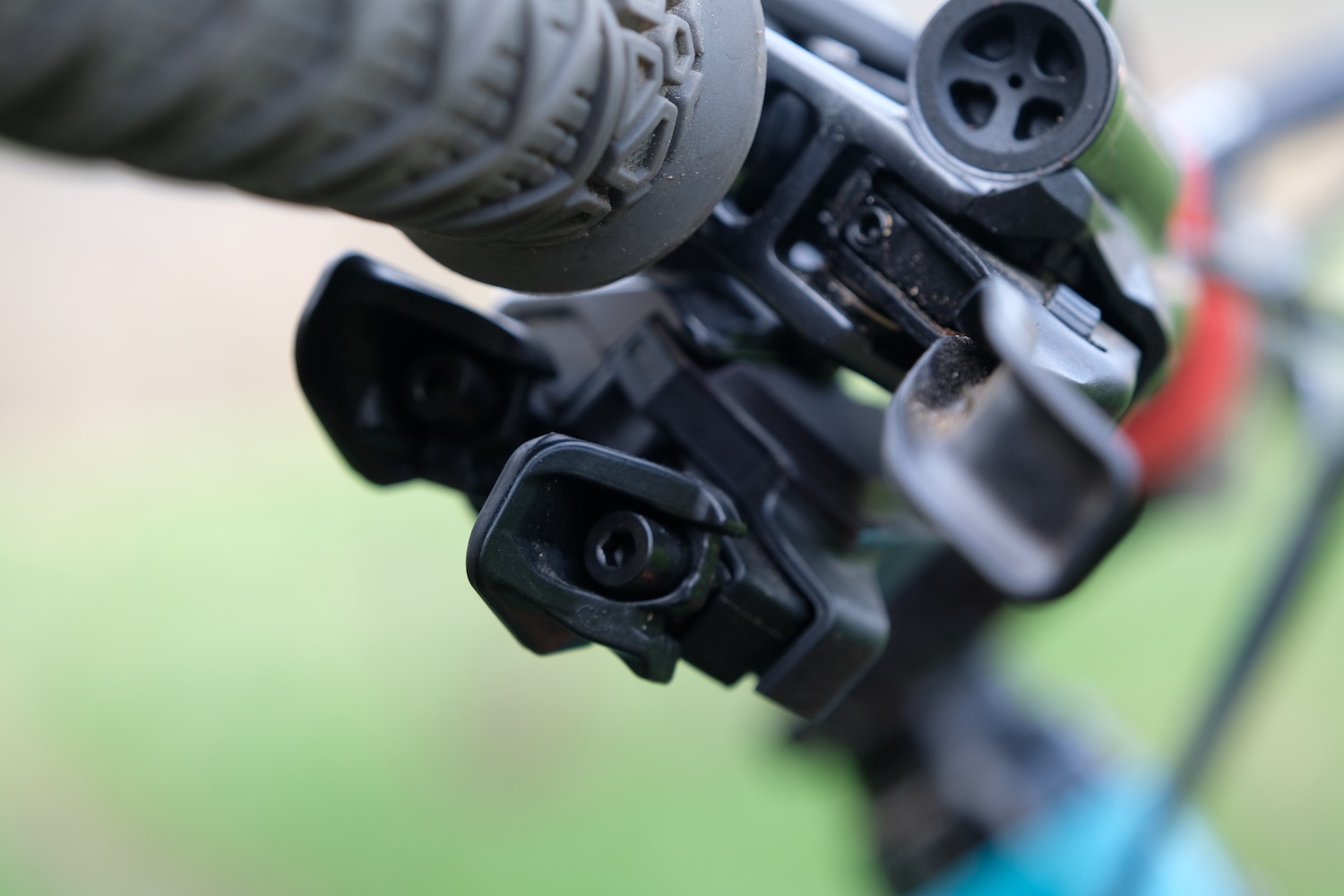
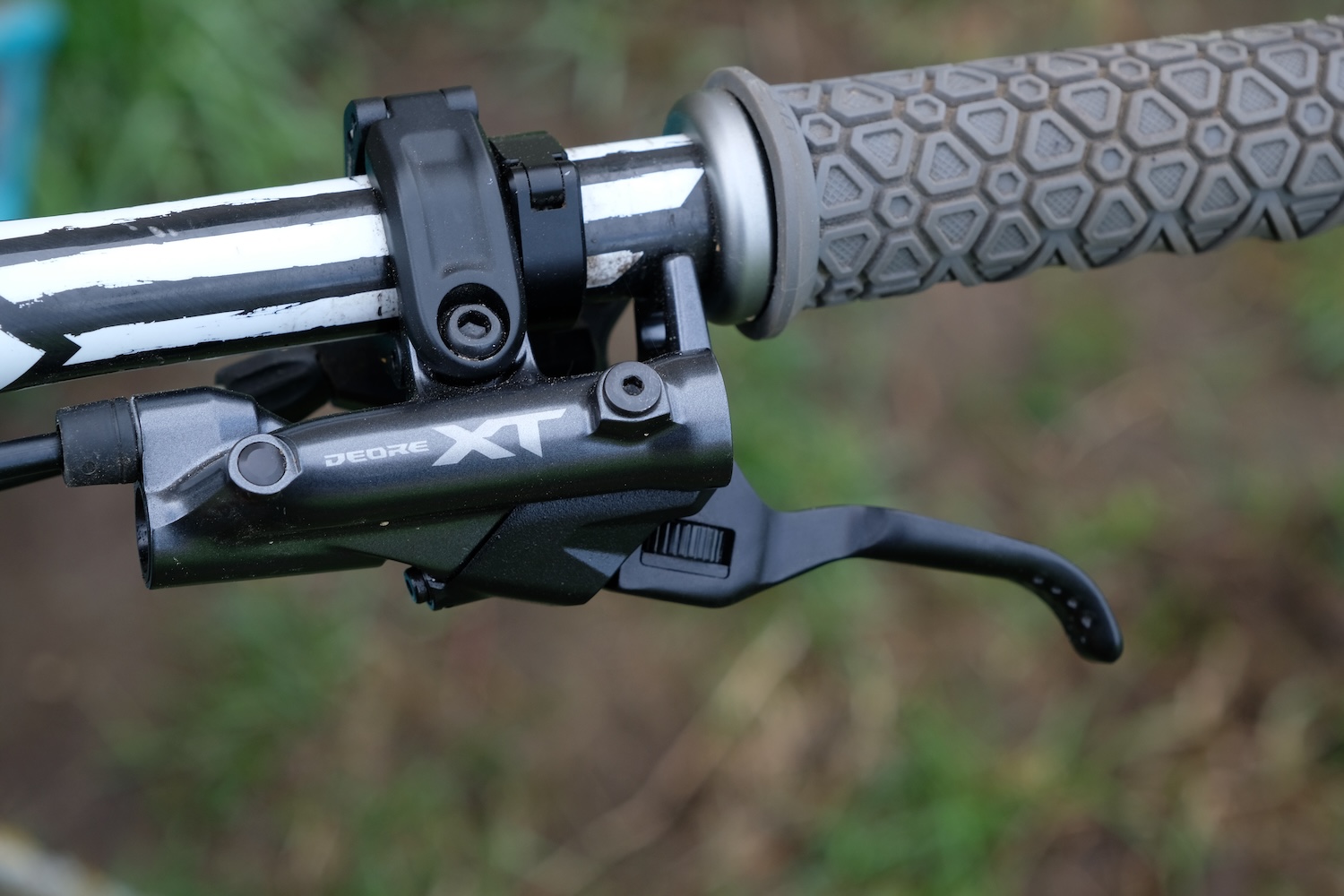
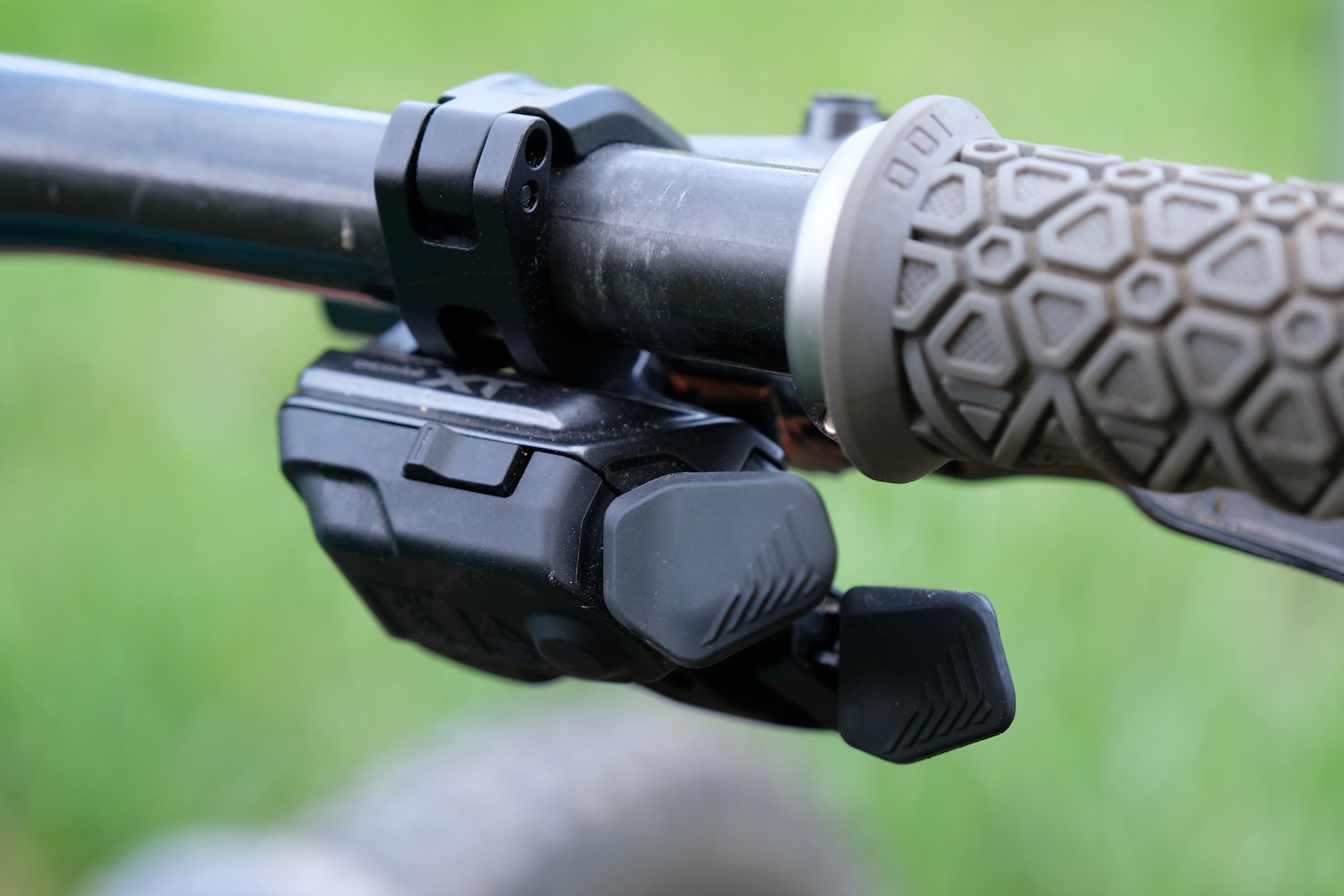
Set-up was pretty simple, though (unlike SRAM’s Transmission) there are still upper and lower limit screws to adjust. The mech and shifters make themselves known to the E-TUBE phone app and pairing went well for me. The shifter buttons are very adjustable, being paddles mounted on ball joints that can be set in place with a hex key.
While you can tell the system which shifter button you’d like to do what, I’m sure you’ll share my disappointment that the old ‘pull with a finger’ two-way shifting of the mechanical systems isn’t replicated here. Like its previous (wired) electric shifting, Shimano has elected to keep it ‘push/push’, aping its Deore DX shifters from the early ’90s. Perhaps it won’t bother you, but it does bother me [And me – Benji]
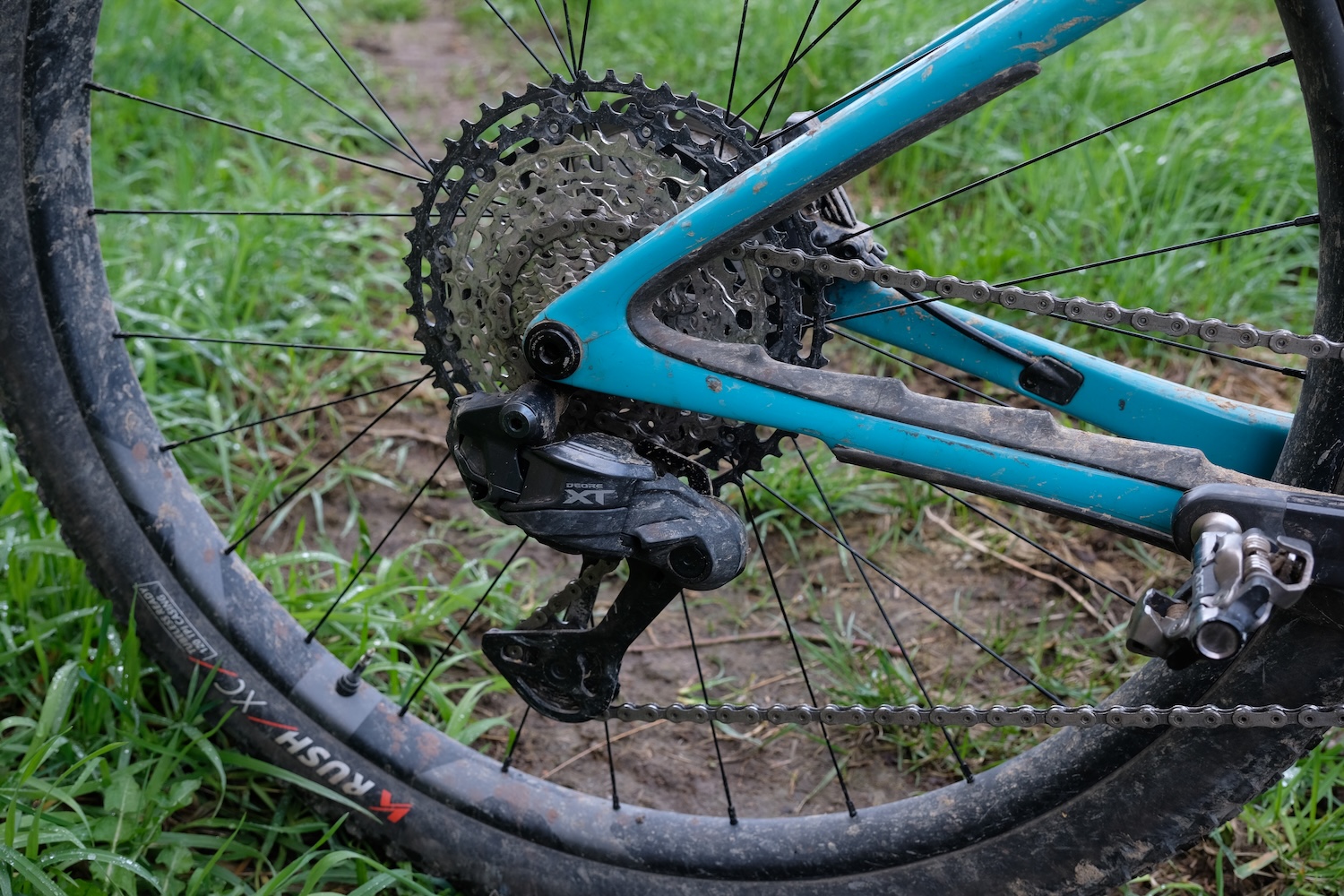
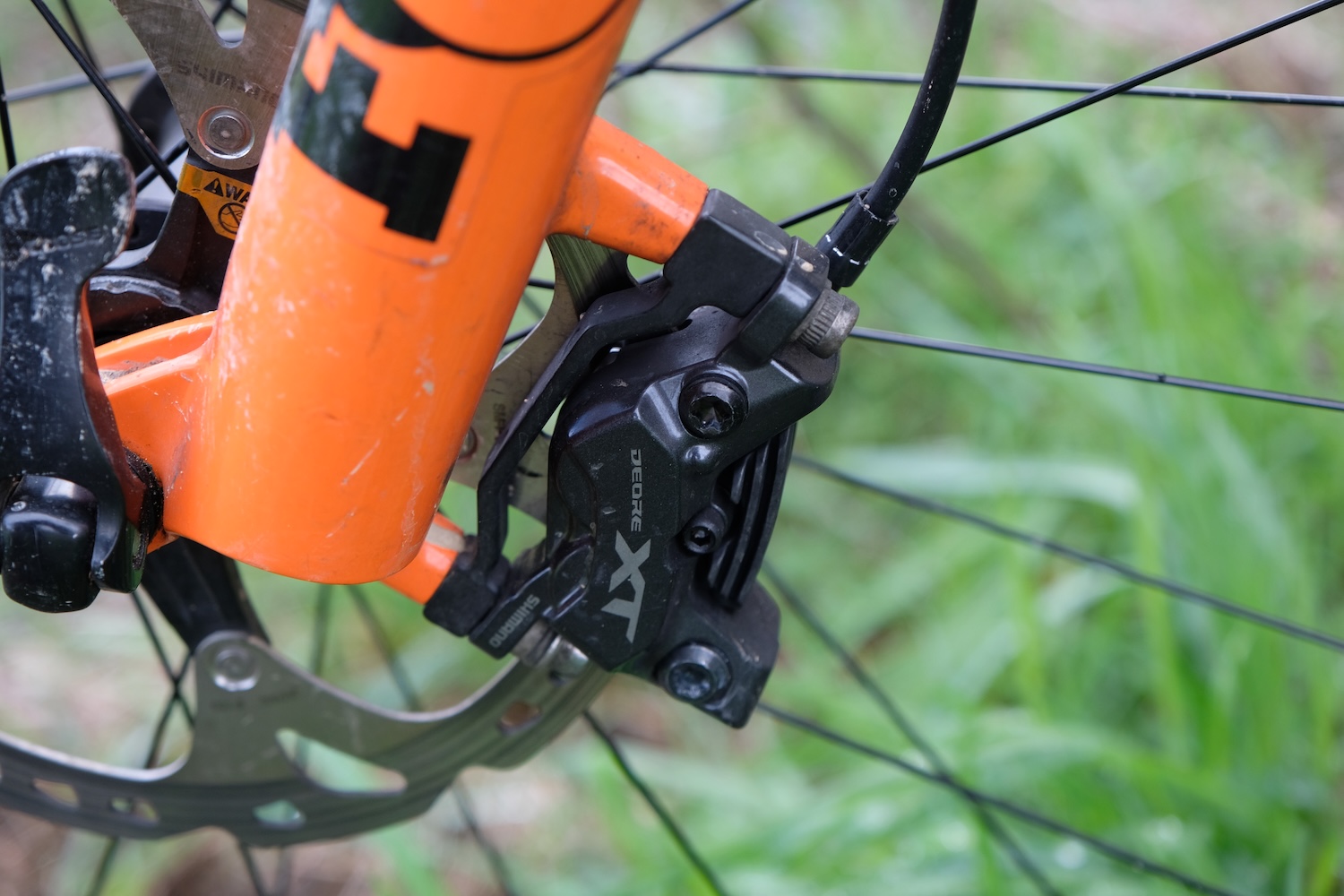
The rear derailleur has been massively redesigned, even allowing for electrical gubbins. From above, the mech is way more inboard and has more of a wedge shape, to deflect rock strikes, than mechanical systems. Gone is the old, adjustable clutch, chain tensioner, which might surprise people: in its place is a new, dual-spring system. Shimano claims that clutch systems have too much of a static/sticky breakaway action that can negatively affect suspension systems (and on very active bikes, even wear out the clutch mechanism). This new dual spring system has no breakaway at all but still claims to offer the same chain retention.
So how is it? While it’s very easy to get used to, I’d say that, even after six months, I’m still wondering if I’ve assigned the two shifting buttons correctly and I still make the odd miss-shift. The action of the shifter is lovely, though. While all-electric shifting turns lever pushes into button clicks, the Shimano system is a very pleasing ker-lick, much like a clicky old PC keyboard, unlike the stiffer ‘doorbell’ click of SRAM’s Transmission. There’s also a second click behind that first one, so double shifts are easy and fast if needed. ‘Press and hold’ shifting is also possible.
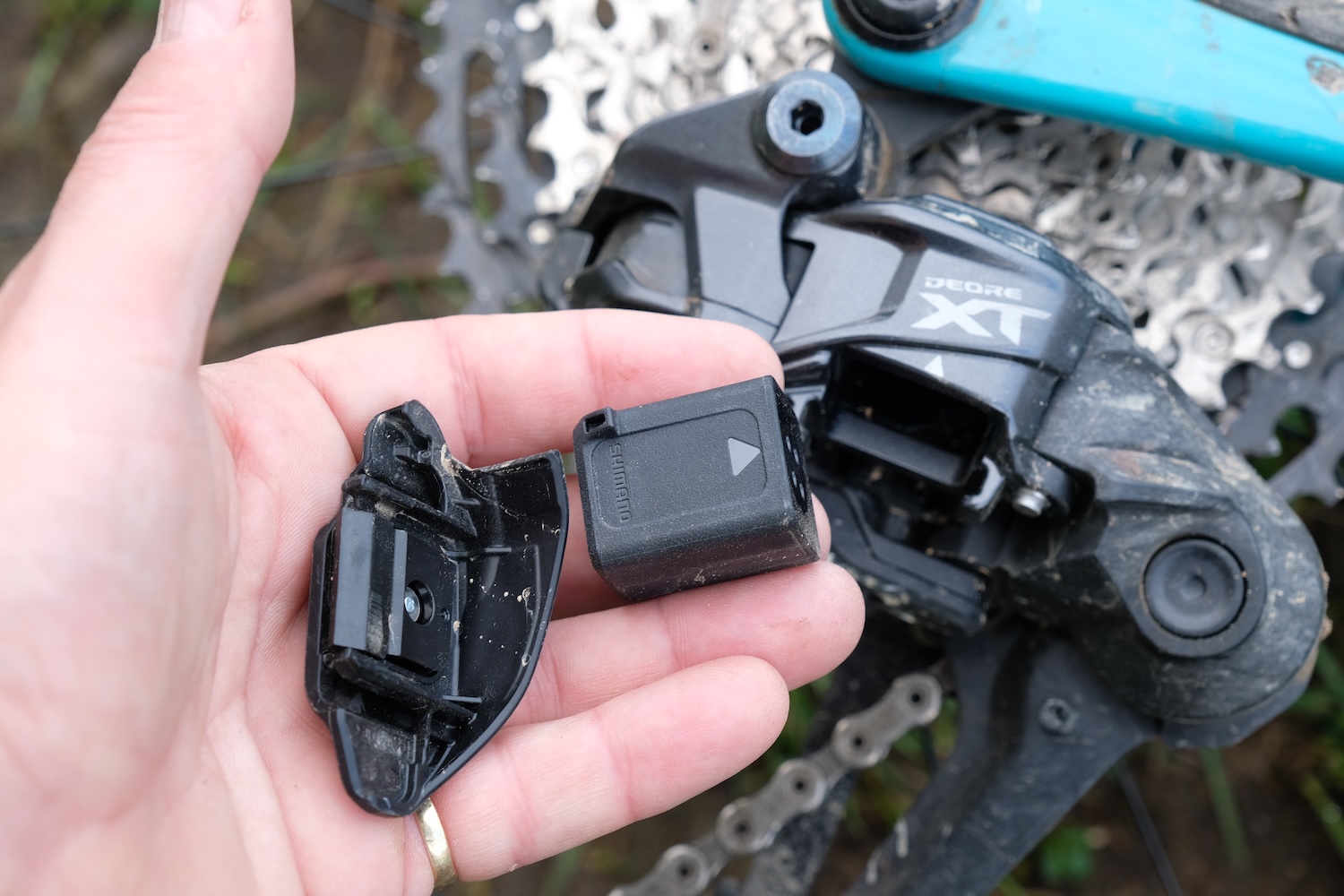
Since setting the bike up, I’ve rarely had to delve back into the E-Tube app and have mostly just got on it and ridden. The cuboid-shaped battery for the mech lives inside the body and is the size of a chunky LEGO piece, hiding behind a plastic door. Like SRAM’s AXS, it has to be removed from the mech and inserted into a charger to charge. Annoyingly, the plastic door has to be completely removed to get to it. This worries me, from a ‘you lose that (in a crash or being clumsy) and your mech won’t work’ point of view, but perhaps I’m paranoid.
Battery life is more than good enough. If you find yourself thinking about battery level, just charge it. Otherwise, a press on the mech button will give you a visual indication, and I’ve only rarely had to charge it. The app will also give you battery levels of the shifter, which runs off a pair of coin batteries.
Overall
In summary, the new wireless shifting future from Shimano is very good, although it simply had to be. It provides accurate, (very) easy shifting over a wide cassette, with good, tactile feedback. I’ve not dropped a chain yet, despite it being on a hardtail on rocky trails and I’ve not been left gearless, trailside, trying to download firmware updates. I’ll admit that I do prefer the XT shifters to SRAM’s pod shifters, but I don’t think that either is perfect, and I still miss being able to shift with a finger while out of the saddle.
It’s every bit as good as it should be, though no more. Where Shimano goes from here, hopefully we won’t have to wait another five or six years to find out.
[ Benji 2p: It’s worth pointing out that Shimano Di2 rear mechs are considerably smaller and less sticky-outy than SRAM AXS mechs. This is particularly noticeable on 27.5 rear wheel bikes; I often clang SRAM AXS mechs on stuff (occasionally damaging them slightly) whereas I’ve yet to strike a Shimano Di2 mech]
Free newsletter
Singletrack
Weekly Word
News, reviews and riding from the Singletrack team — no spam, unsubscribe any time.


I’ve had this kit on my hardtail for about 6 months having only ever run standard Shimano gears (no sram axs or otherwise) and my main grumbles are all related to the shifter:
– As has been said in the review, no 2 way shifting…miss this a lot
– not much offset on the paddles. On the standard Shimano shifters the rear paddle is longer so it’s offset more. I find naturally finding the rear paddle not as easy on the di2 and can accidentally hit the front paddle…given it only takes a light tap to change gear this has caused some unwanted shifts the wrong way
– no obvious indicator you’ve run out of gears top or bottom. You know you’ve run out with a standard Shimano shifter. Be good to have some indication you’re not going higher/lower… vibration through the paddle/beep/locked-out?
Overall I do love di2 but it’s good to get these grumbles off my chest
If you run a Garmin you can make it beep when you hit the largest and smallest cogs with Sram gears. Don’t know if Shimano can do the same?
and have battery levels on screen plus get a ‘sensor battery low’ warning if you end a ride with a low battery. Any of that available with Shimano?
£409 at Winstanleys 👍
Garmin Edge Explorer 2 can’t connect to your Di2 XT mech, and show your gear and the status of your battery. You can buy an app to do it though.
Shimano claims the new system is as good as the old clutch- is it? Other reviews suggest maybe not?
I’ve yet to unship a chain after six month’s pretty hard use on a hardtail in rocky terrain, @honourablegeorge@nuke – I’d heard that a top tip was to swap the (slightly differently shaped) shift paddles around. This does seem to give you different shifting positions, though perhaps not enough…
What about noise, @chipps? Does the chain bang about a lot?
I’ve not noticed any, to be honest. It does have a pretty rubbery chainstay protector on. I’ll see if I can bolt a GoPro on and watch… 🙂
I’ve had this on the eeb since December and really like it. So much so I’m considering getting another set or maybe the deore version for the other bike. The only potential issue I’ve noticed is the battery compartment not being fully weatherproof although the dirt doesn’t seem to infiltrate the top area where the contacts are.
What appeals most to me is the idea of a gs medium cage mech with a 9 – 45 cass. You just don’t need the huge dinner plate jobs with an ebike. Only trouble is my Amflow comes with Sram. Might see if I can get it swapped out.
Had the xt kit on the sus’ for a good while and coming from SRAM axs before it, and as a big Shimano fan, it’s everything I wanted it to be.
That distinctive Shimano click, shift feel at the block and it hasn’t once thrown a chain.
Off the back of the pink bike review saying it is noisy, I was hesitant to order it. Needn’t have been. It’s not noisy at all. No more than any other mech, or even less so I’d say. Put it this way, I haven’t noticed it.
Spot on and getting a second one for the h’tail.
The other benefit is the battery last ages. Like 10x the SRAM. Im guessing that part of this is down to it only waking up when you shift, it’s not wasting battery in the back of the van or whenever you move the bike around.