if you want the best mainstream brand suspension for your trail bike, RockShox is back on top.
- Brand: RockShox
- Product: Lyrik Ultimate & Super Deluxe Ultimate
- Price: £1,225 fork, £680 rear shock
- From: SRAM
- Tested by: Benji for 2 weeks ish
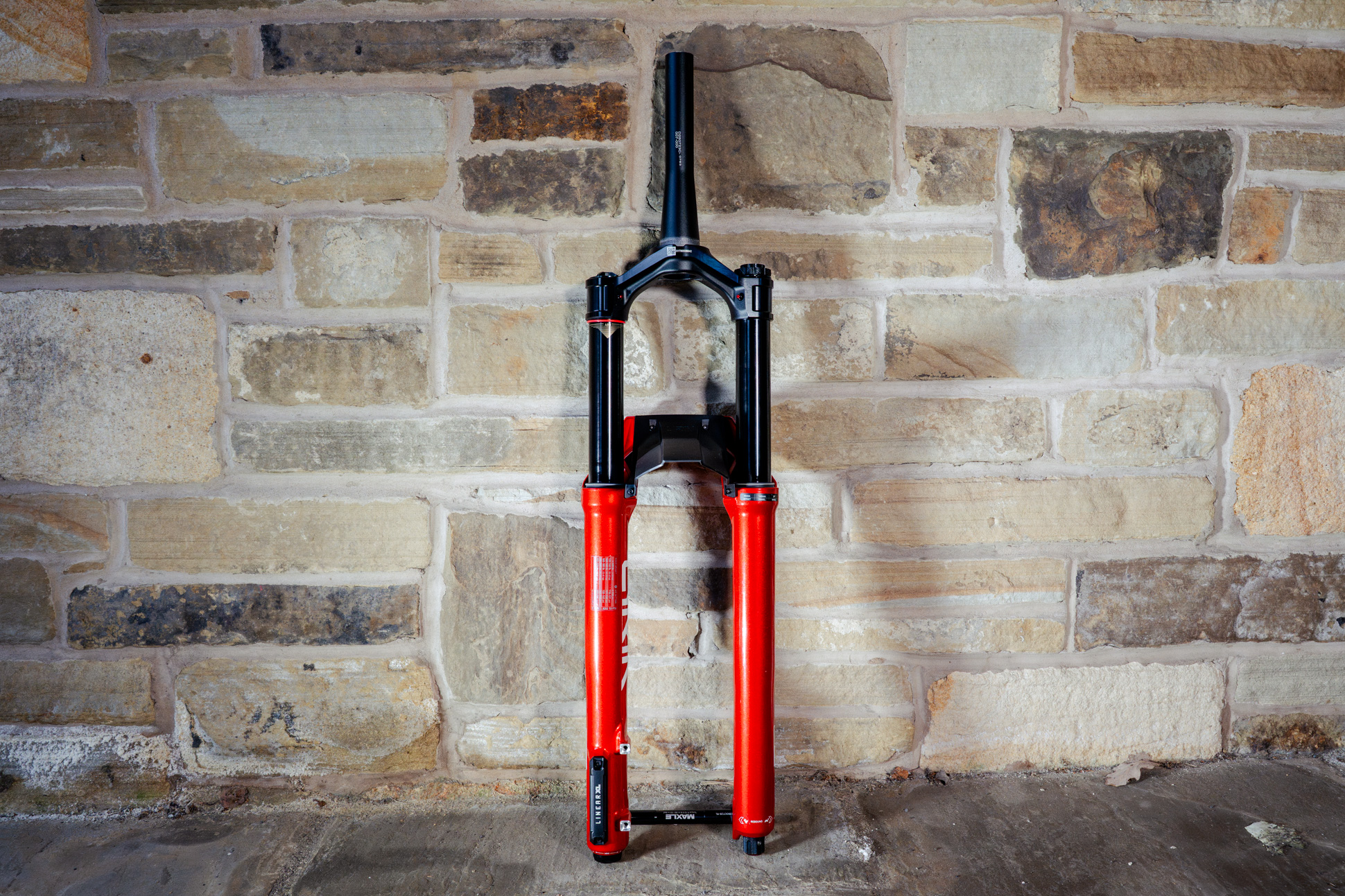
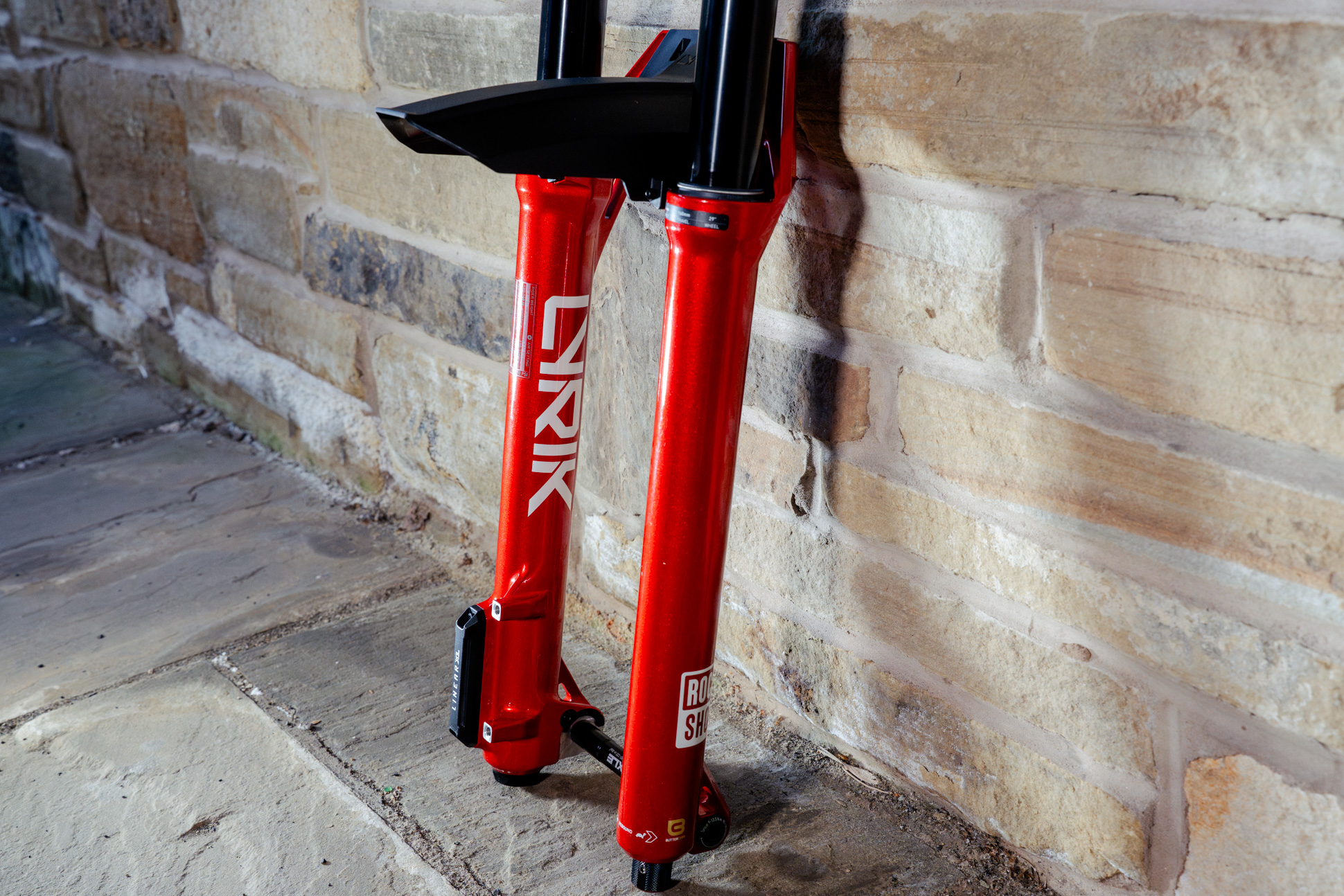
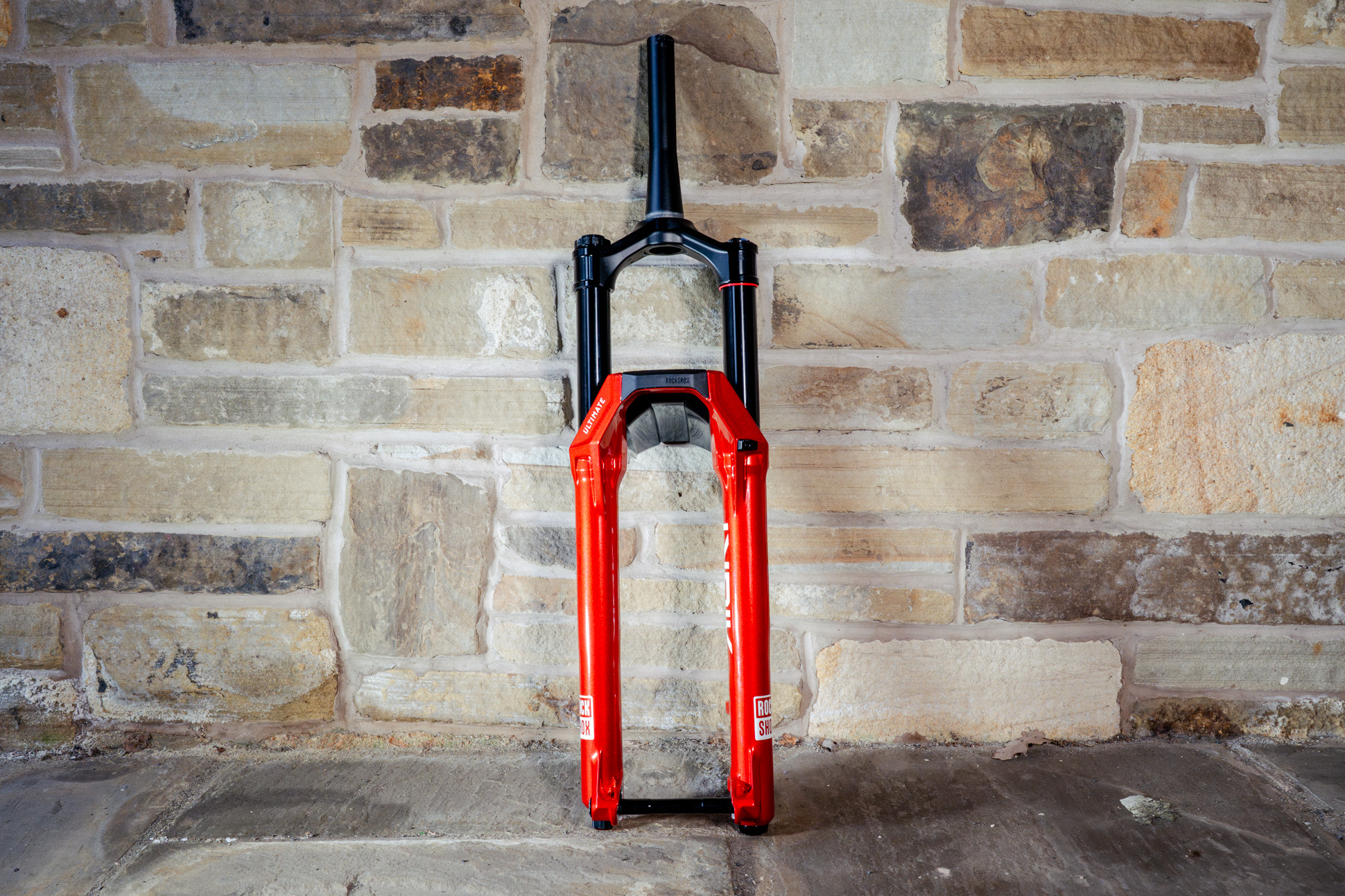
Lyrik Ultimate – what’s new?
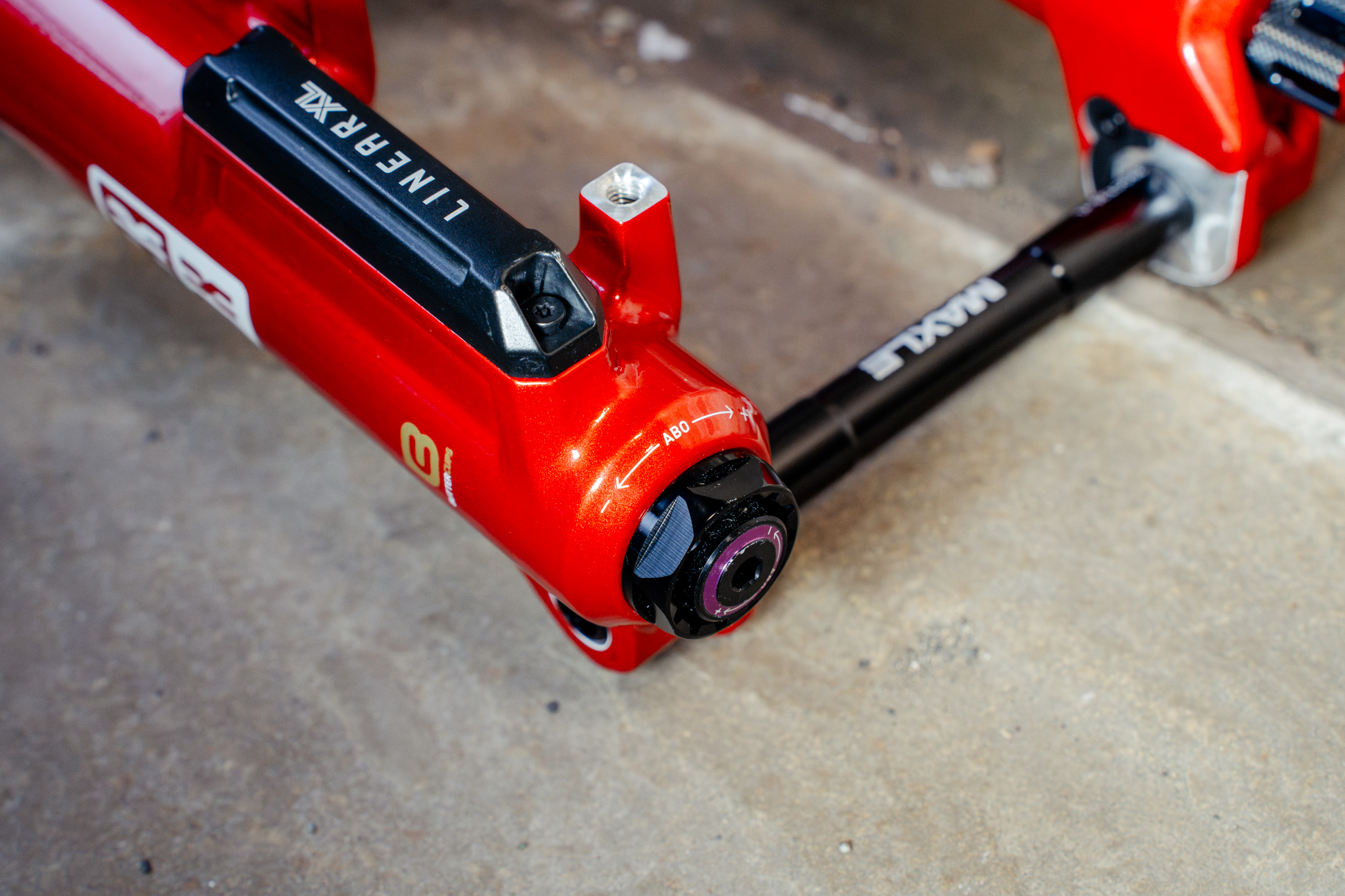
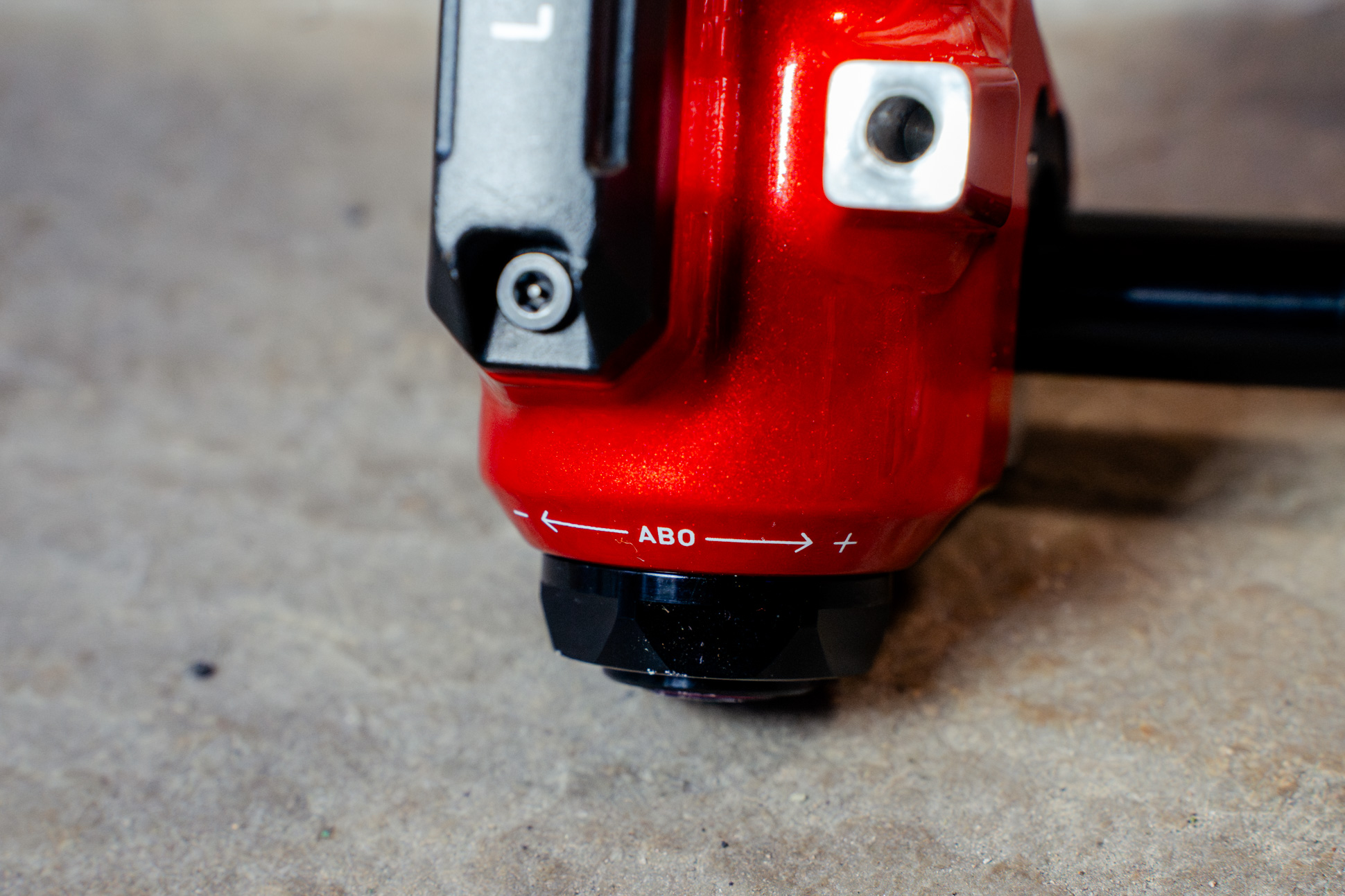
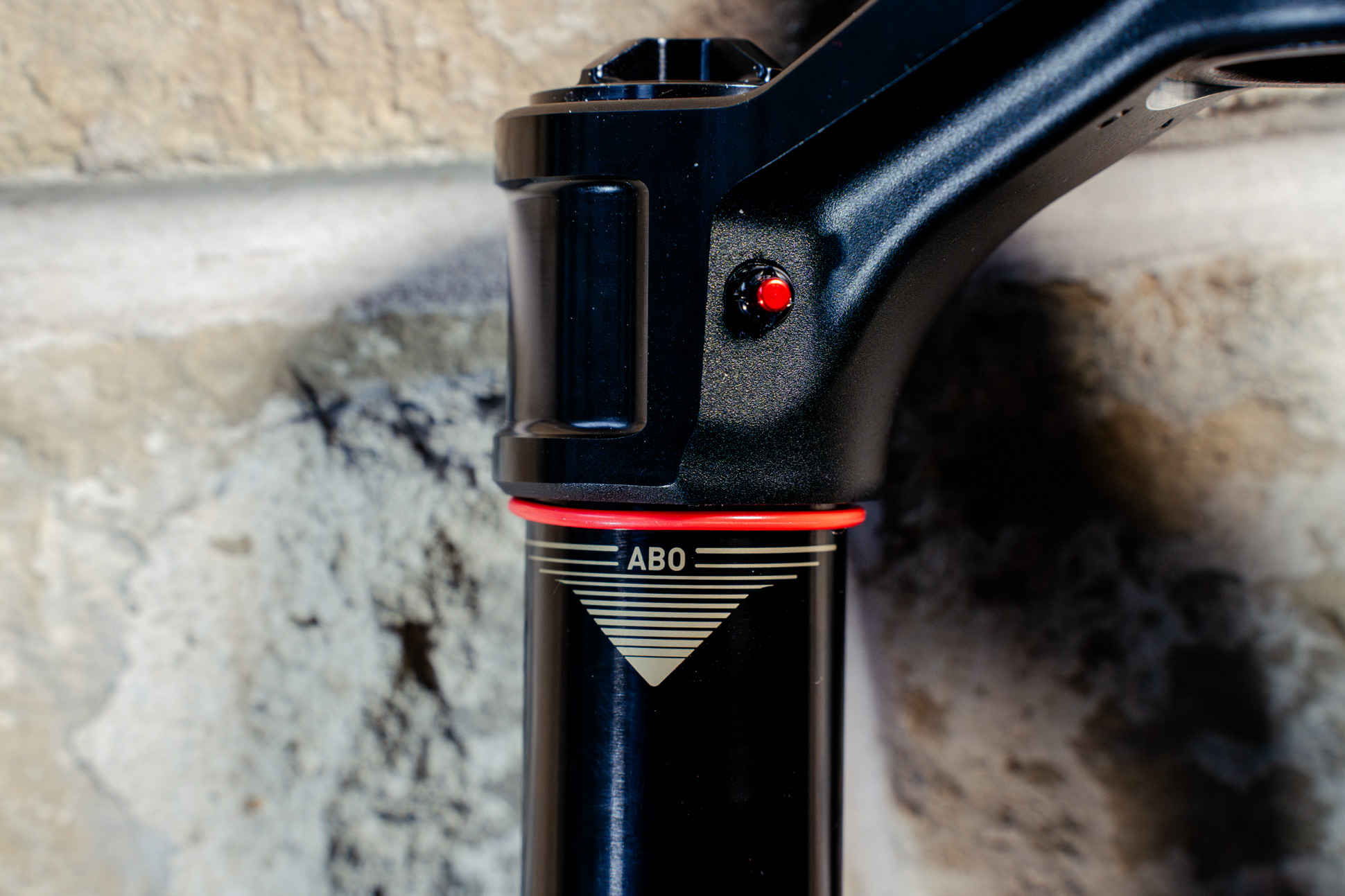
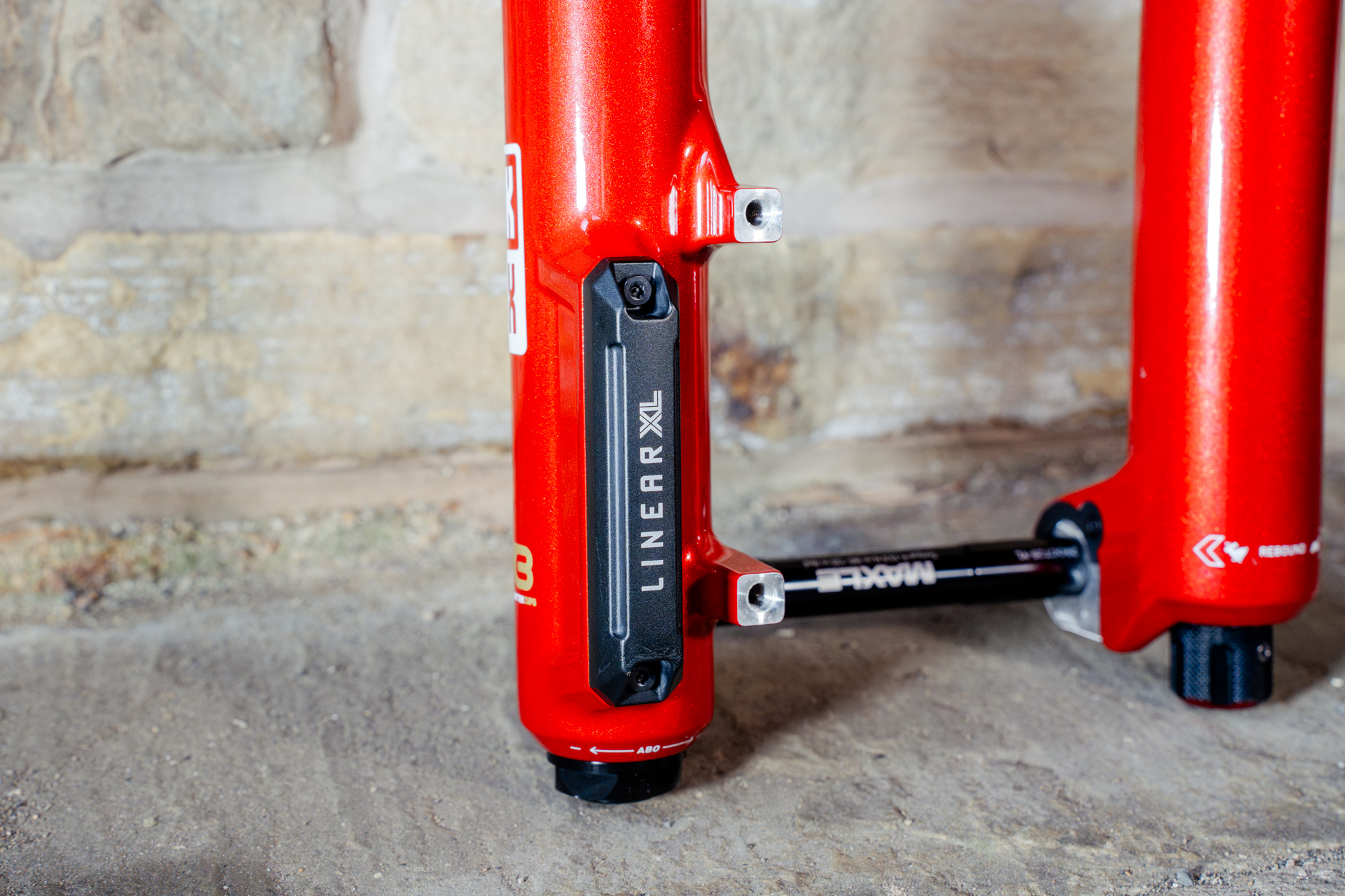
- LinearXL air spring backed by Adjustable Bottom Out (ABO) for end-stroke control
- ButterWagonTech ensures a constant supply of oil to the bushings
- Charger 3.2 damper with new Rebound/Compression tunes that match LinearXL air spring
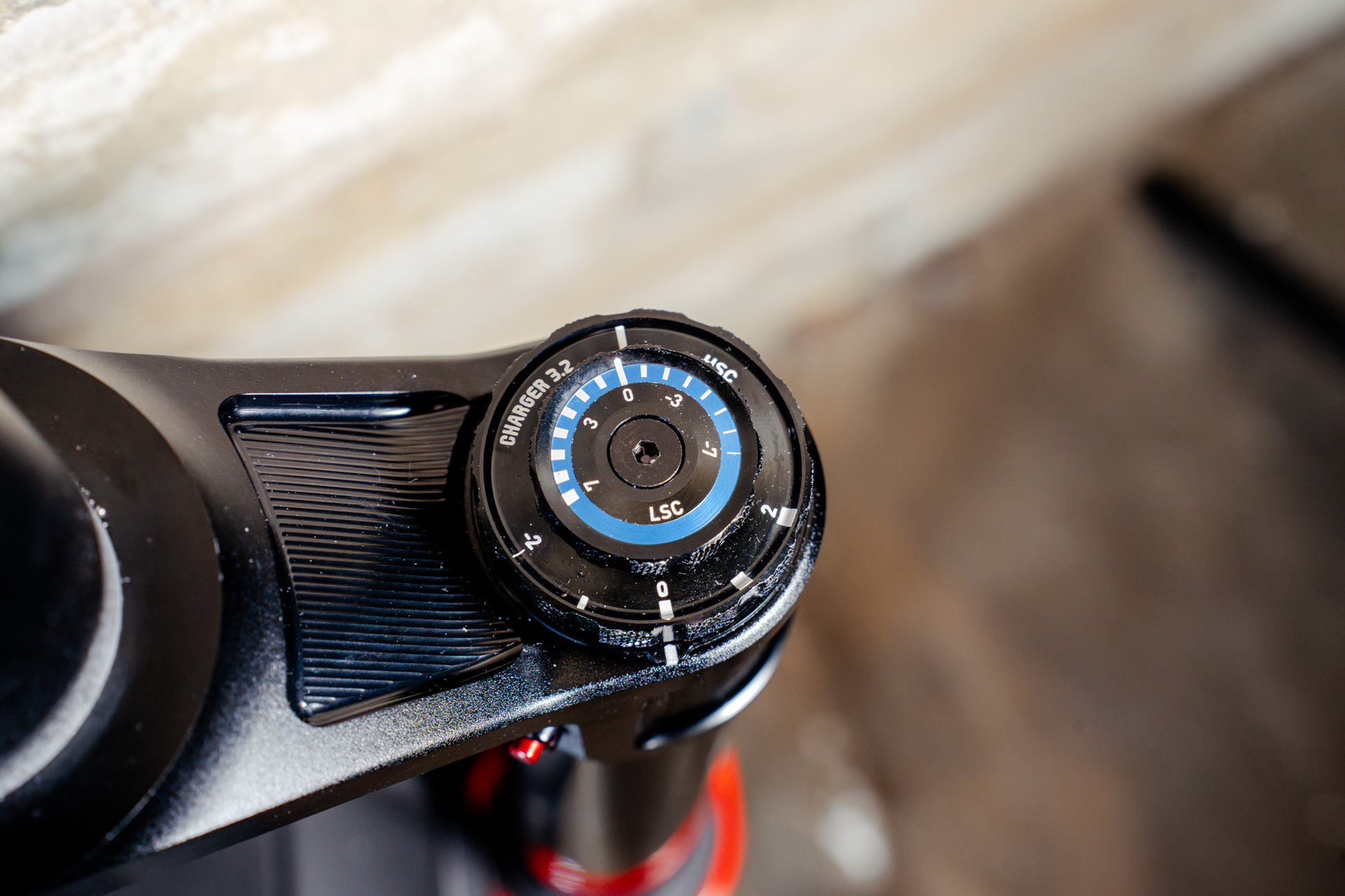
- Control bezel with numbered Compression adjuster for intuitive adjustments – start at ‘0’ and easily add or decrease damping
- Integrated fender mount (sold separately)
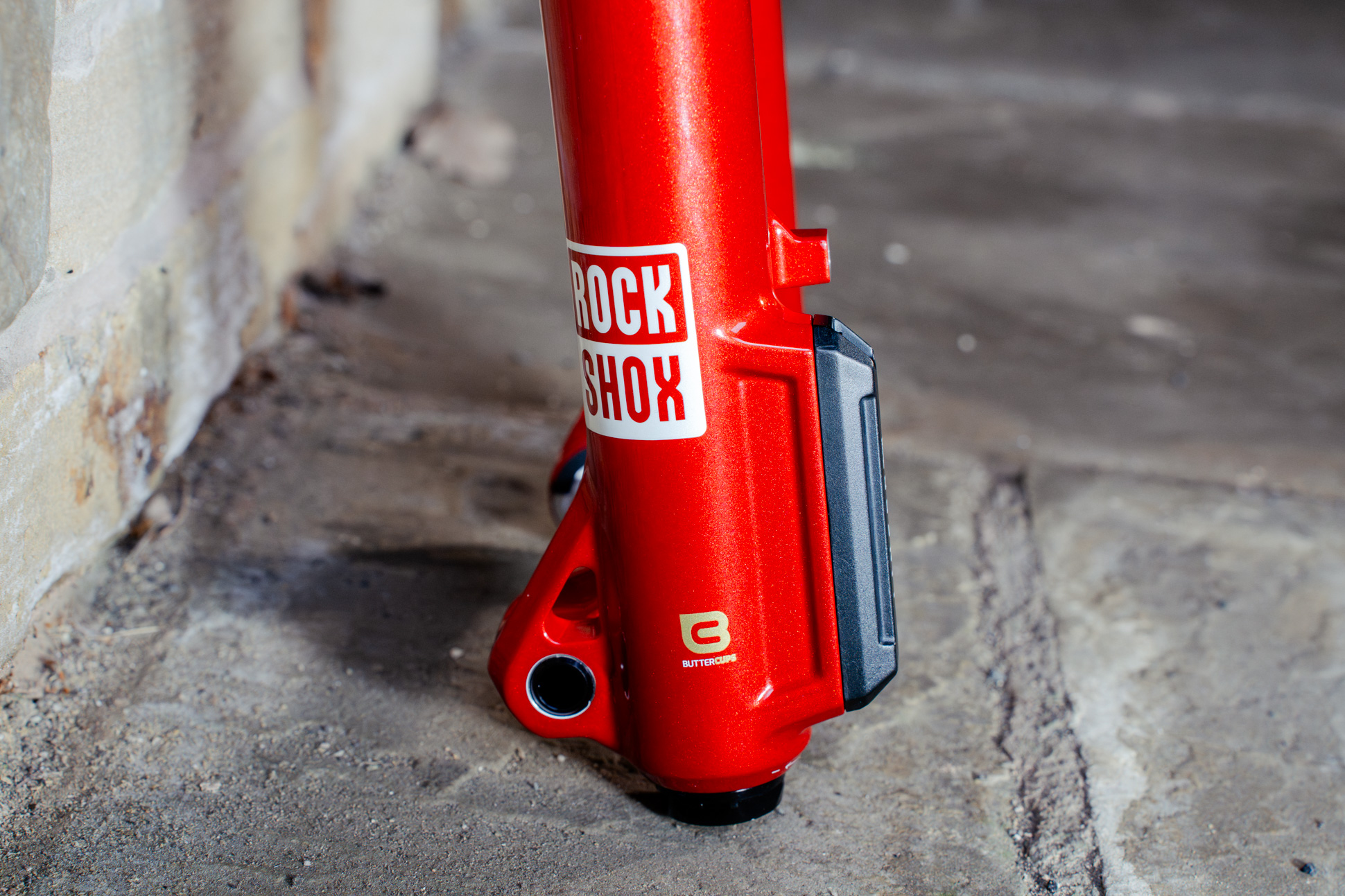
- ButterCups to reduce high-frequency ‘trail chatter’
- Low-grab SKF wiper seals
- Maxima 920 blended 15w reduces overall fork friction
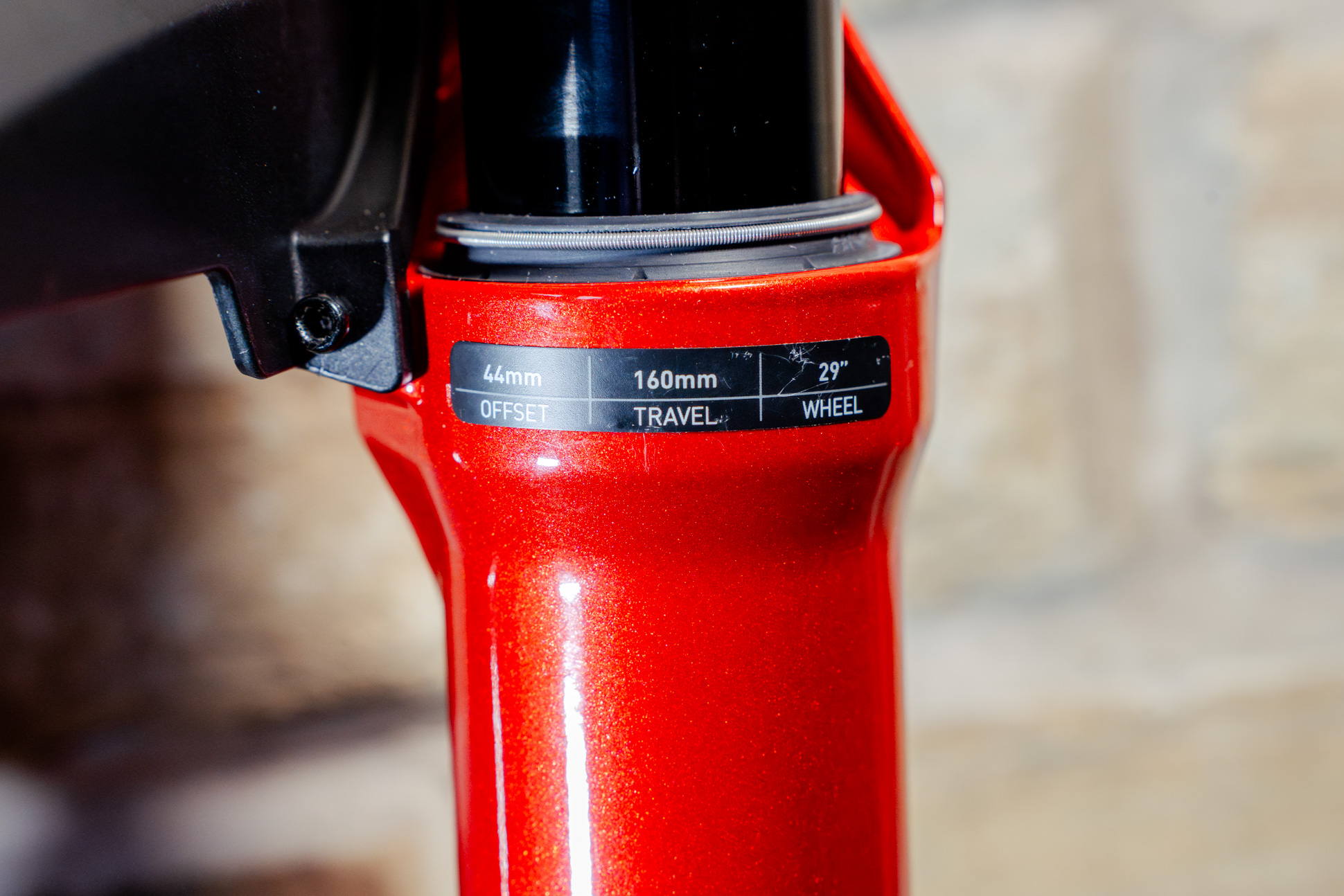
- TRAVEL: 140mm, 150mm, 160mm, 170mm
- FORK OFFSET: 37mm (27.5”), 44mm (27.5”), 44mm (29”)
- SRP £1,225
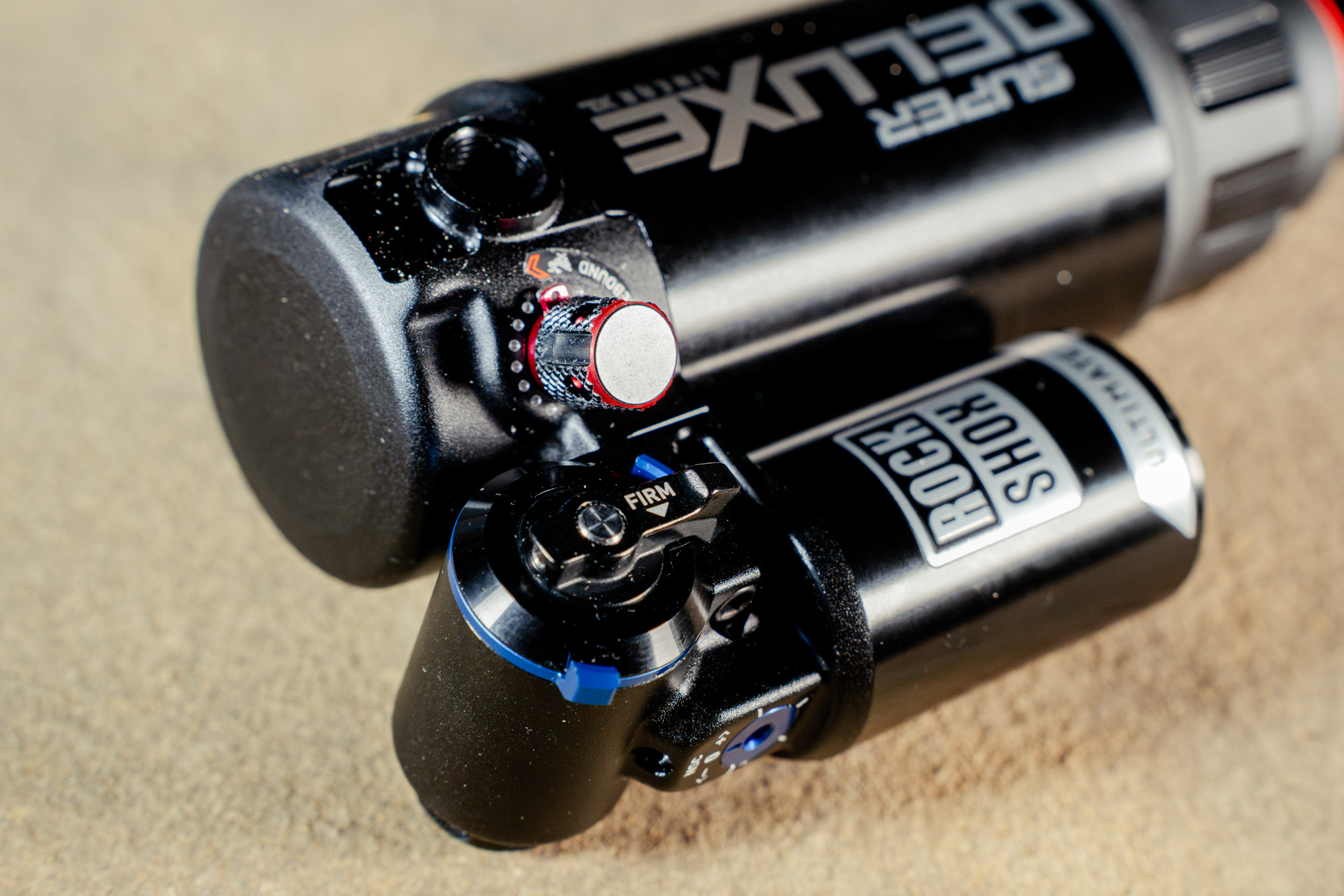
Super Deluxe Ultimate – what’s new?
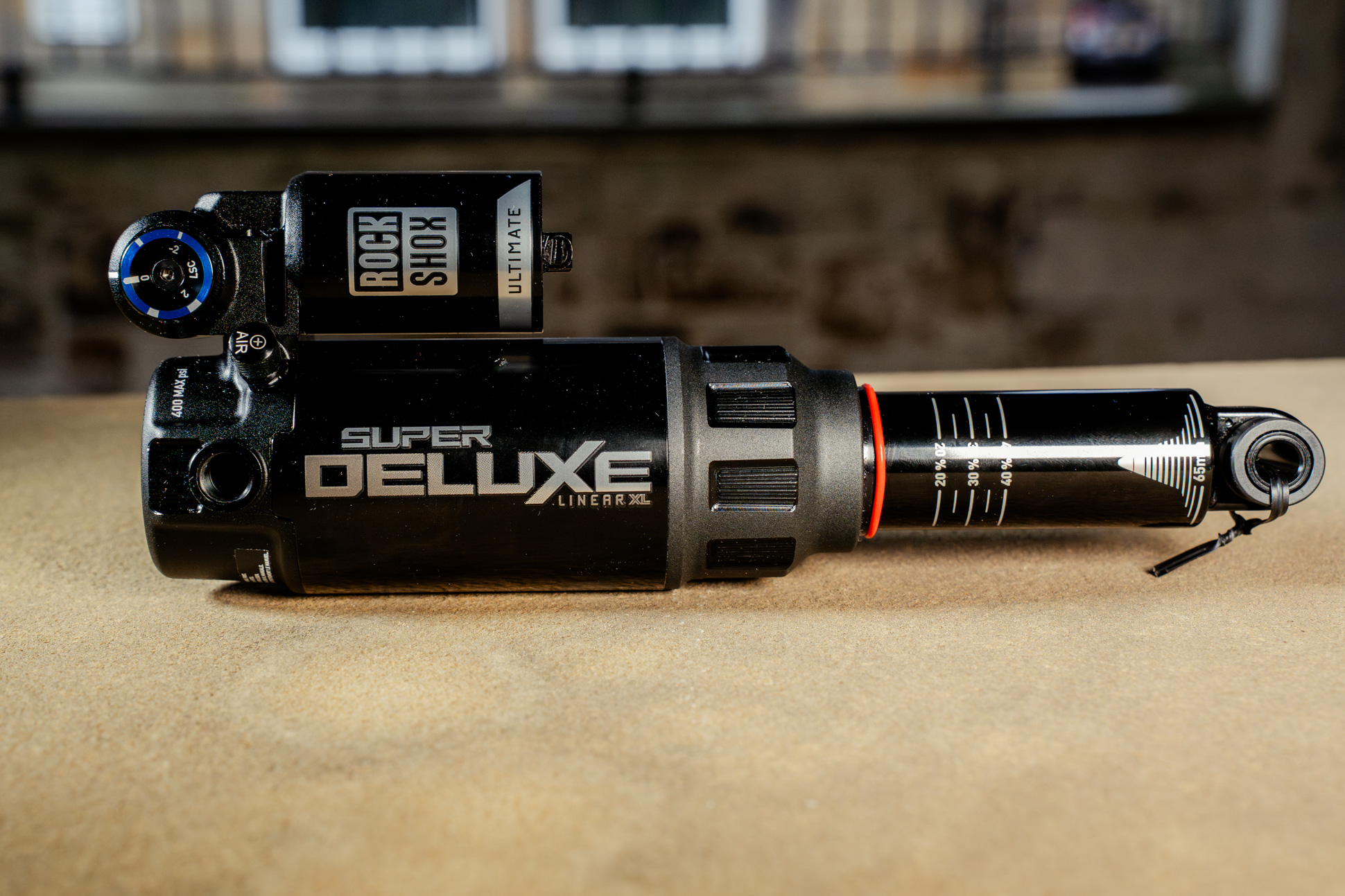
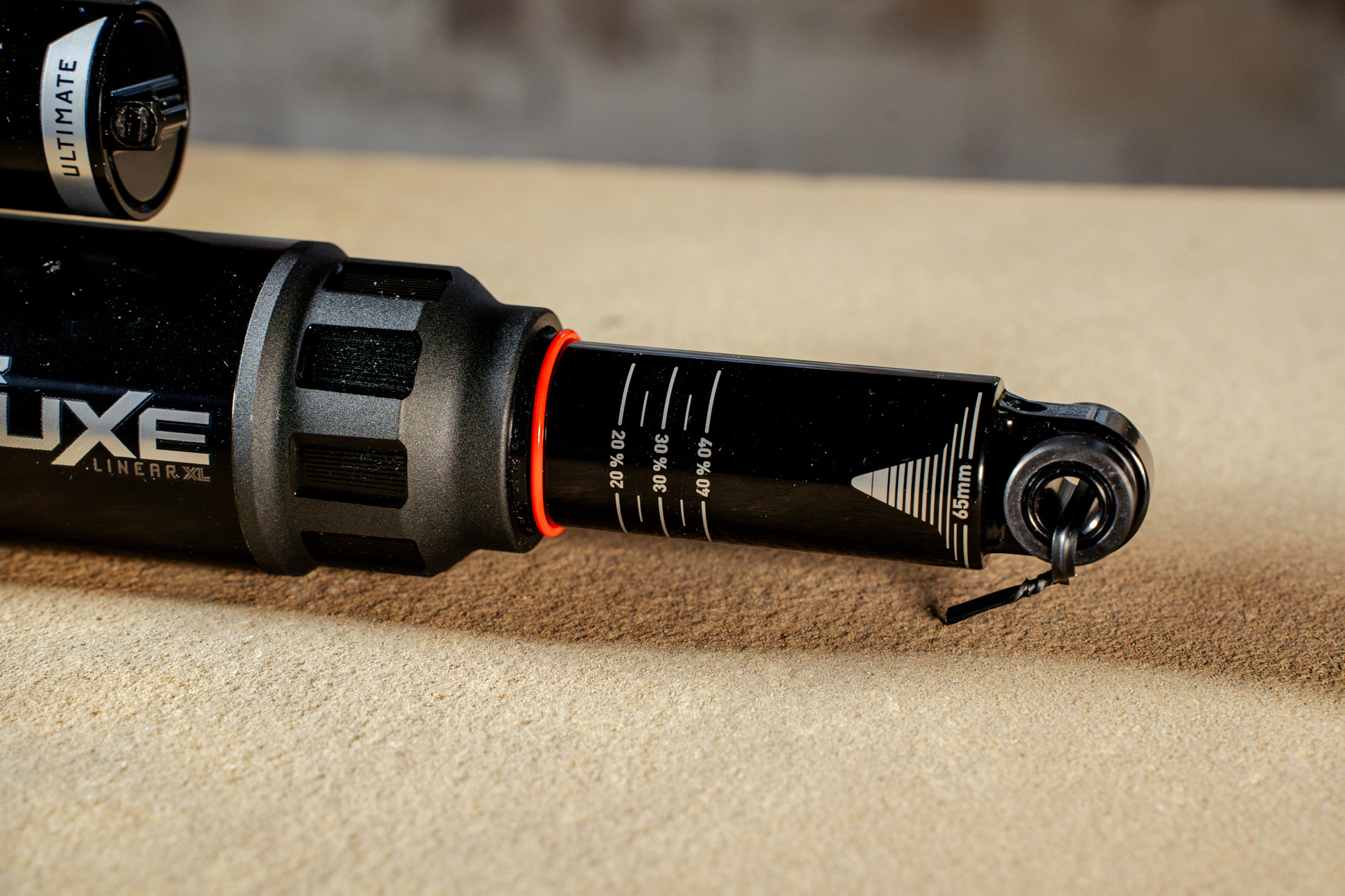
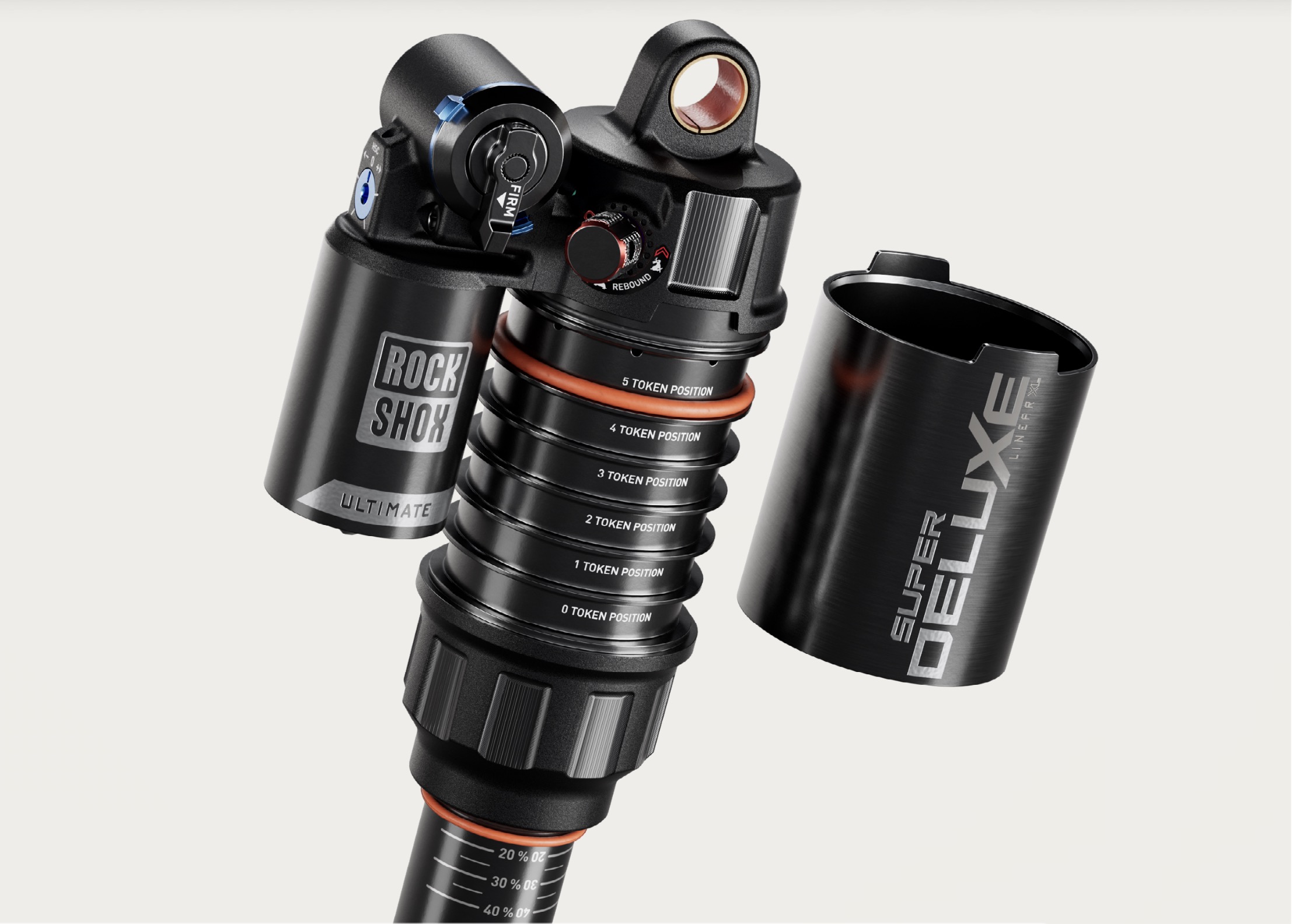
- LinearXL air spring, tunable with easy-to-adjust o-ring tokens
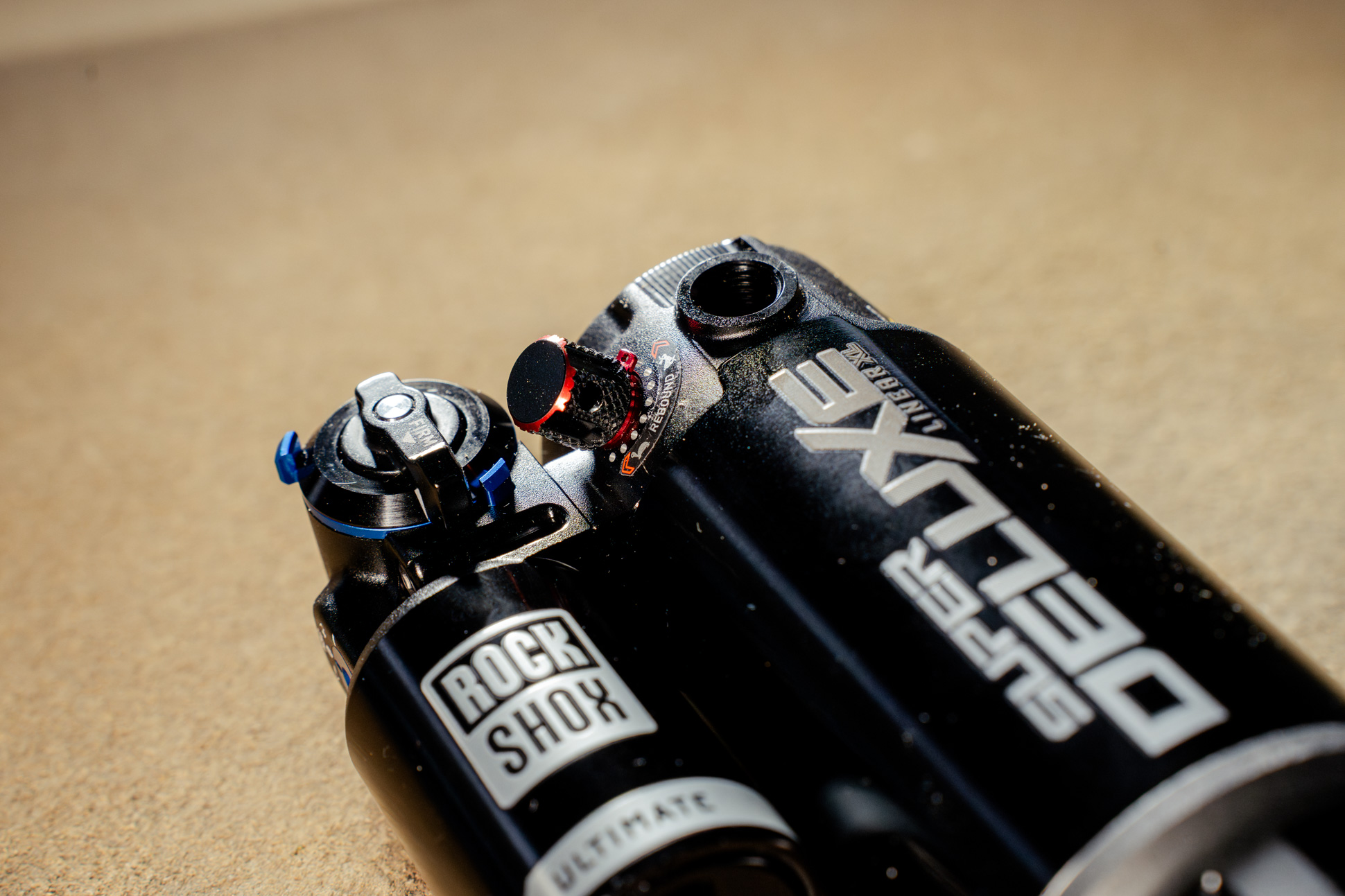
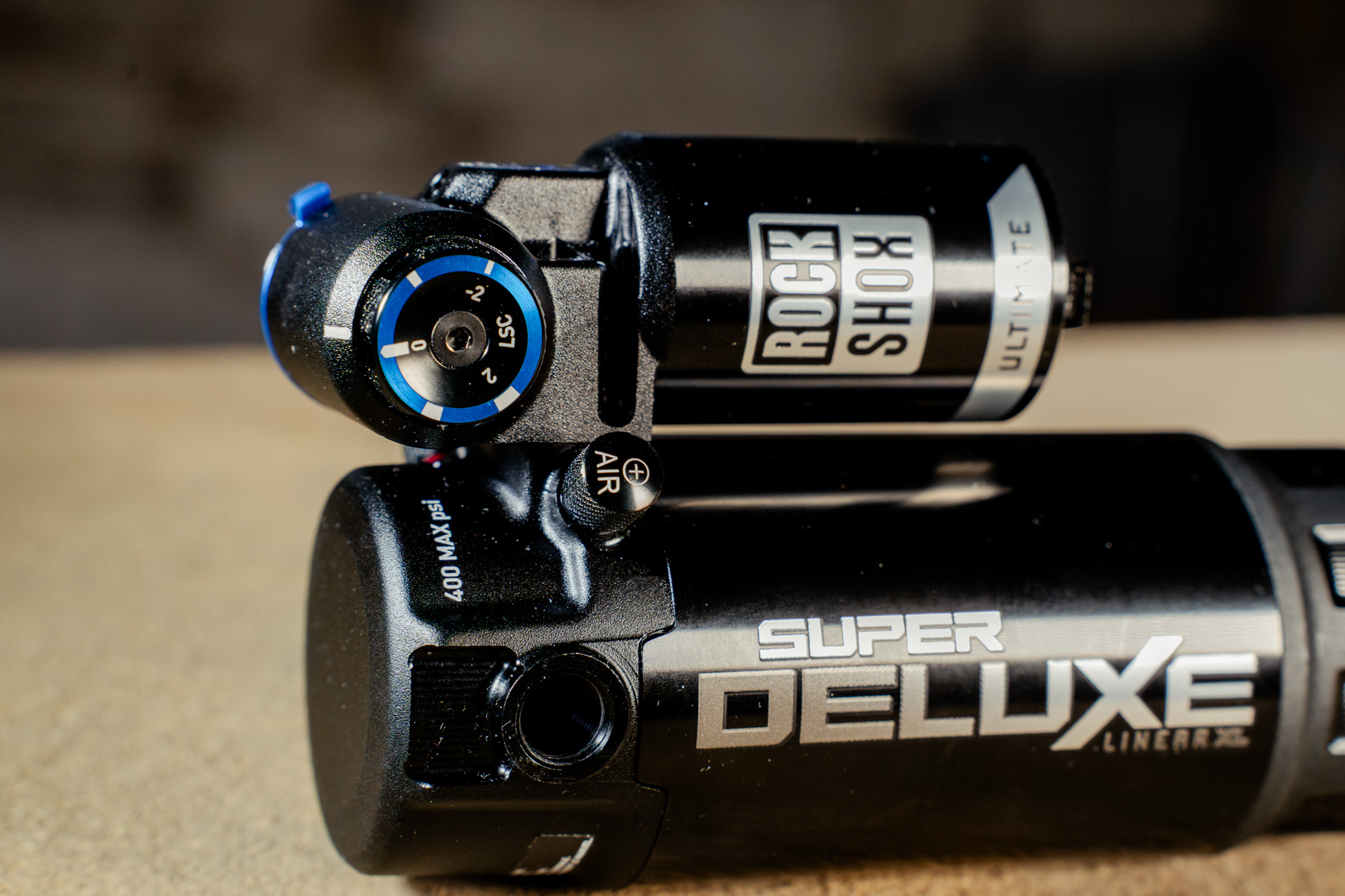
- RC2T damper providing a wide, usable range of Low Speed Compression (LSC) and High Speed Compression (HSC) adjustments without any cross-talk
- Numbered Compression adjuster for intuitive adjustments – start at ‘0’ and easily add or decrease damping
- Base valve with 40% reduction in IFP forces (IFP pressure reduced from 200 to 120psi)
- Main piston compression tunes matched in performance to the Lyrik’s Charger 3.2 damper, focused on providing mid-stroke support
- Removable Rebound knob doubles as HSC adjuster
- Jounce Bottom Out bumper paired with optional Hydraulic Bottom Out kicks in to restrict the flow of oil within the last 20% of travel
- Max PSI increased to accomodate higher system weights
- ‘Bake-on’ decals increase durability
- SRP £680
RockShox Lyrik Ultimate ride impressions
Even though I’ve only been riding the new Lyrik for a couple of weeks or so, I can confidently come out and state that this is now the air-sprung trail fork to beat. The excellent Fox Float 36 has finally been replaced in my affections.
For the top-end battle – RockShox Ultimate vs Fox Factory – at least. I’ve not ridden any of the lower tier Lyrik models yet. It’ll be very interesting to see if the Lyrik Select forks can compete with the class-leading 36 Performance forks.
Back to the top-end Lyrik Ultimate we have here. What makes the new Lyrik so much better than the previous Lyriks and rival air-sprung trail forks? Well, what doesn’t really make it any better is the performance of the fork off-the-top. Pretty much all forks have had this aspect dialled for a few years now. The Lyrik is just as plush cushy in the crucial carpark test as anything else.
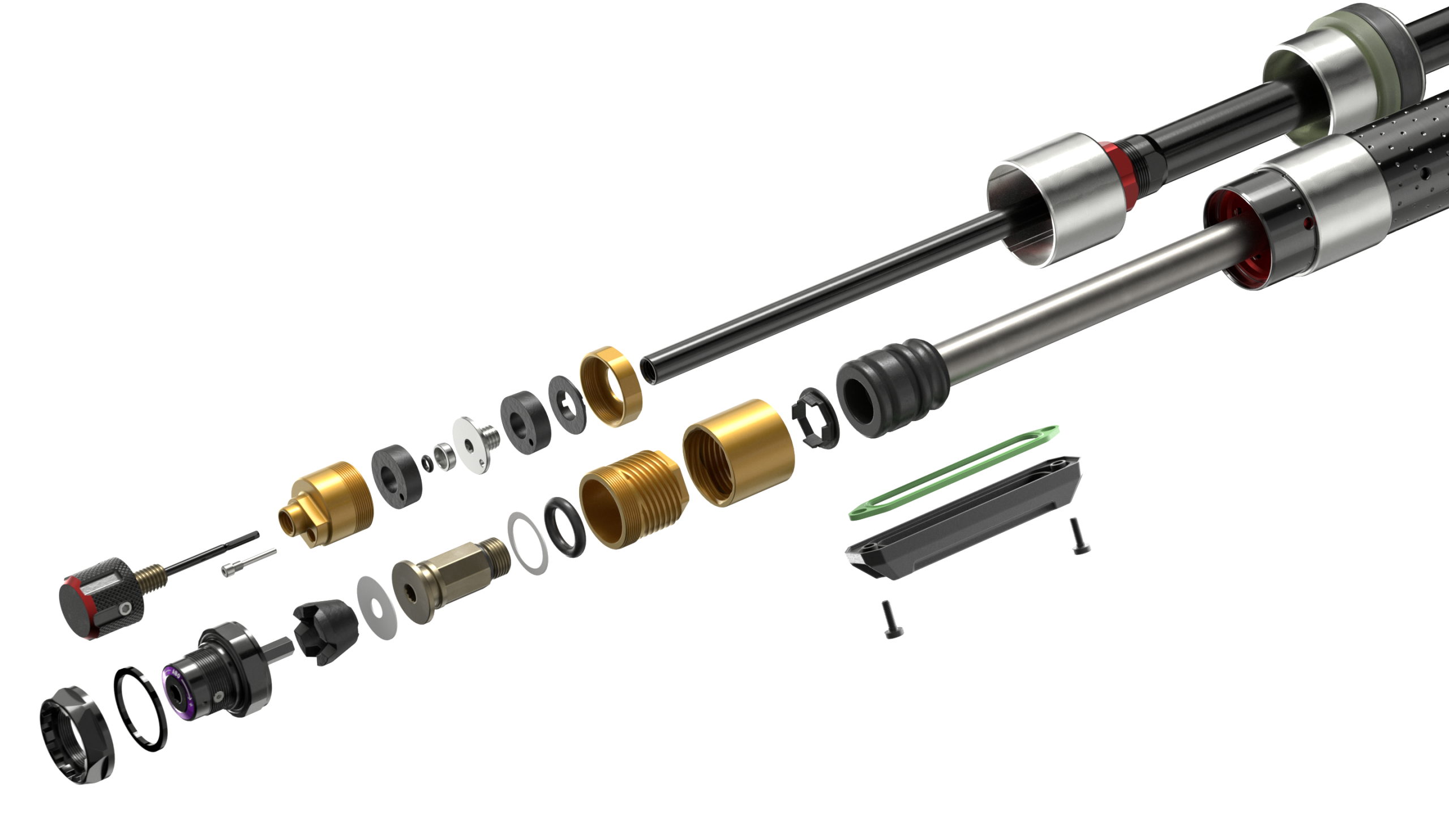
Where the new Lyrik scores big is deeper into the travel. It is way more consistent. Way more predictable. Way more useable (especially for sub 90kg riders). This is due to the new air spring. Yep, that weird black-capped rectangle on the rear of the left leg. In a way, there’s not much ‘magic’ or super hi-tech about it. It’s just more space for air.
But crucially, there’s less room in the Lyrik for trapped air. Trapped air – where it shouldn’t be at least – in the lowers can be a reason why forks behave inconsistently. It introduces what is essentially ‘air damping’ into the mix. This trapped air – combined with friction from bushing bind and/or ‘dry’ seals – makes a fork behave erratically. There’s also a breather hole in the stanchions allow for the lower leg air volume to increase as the fork goes through its travel.
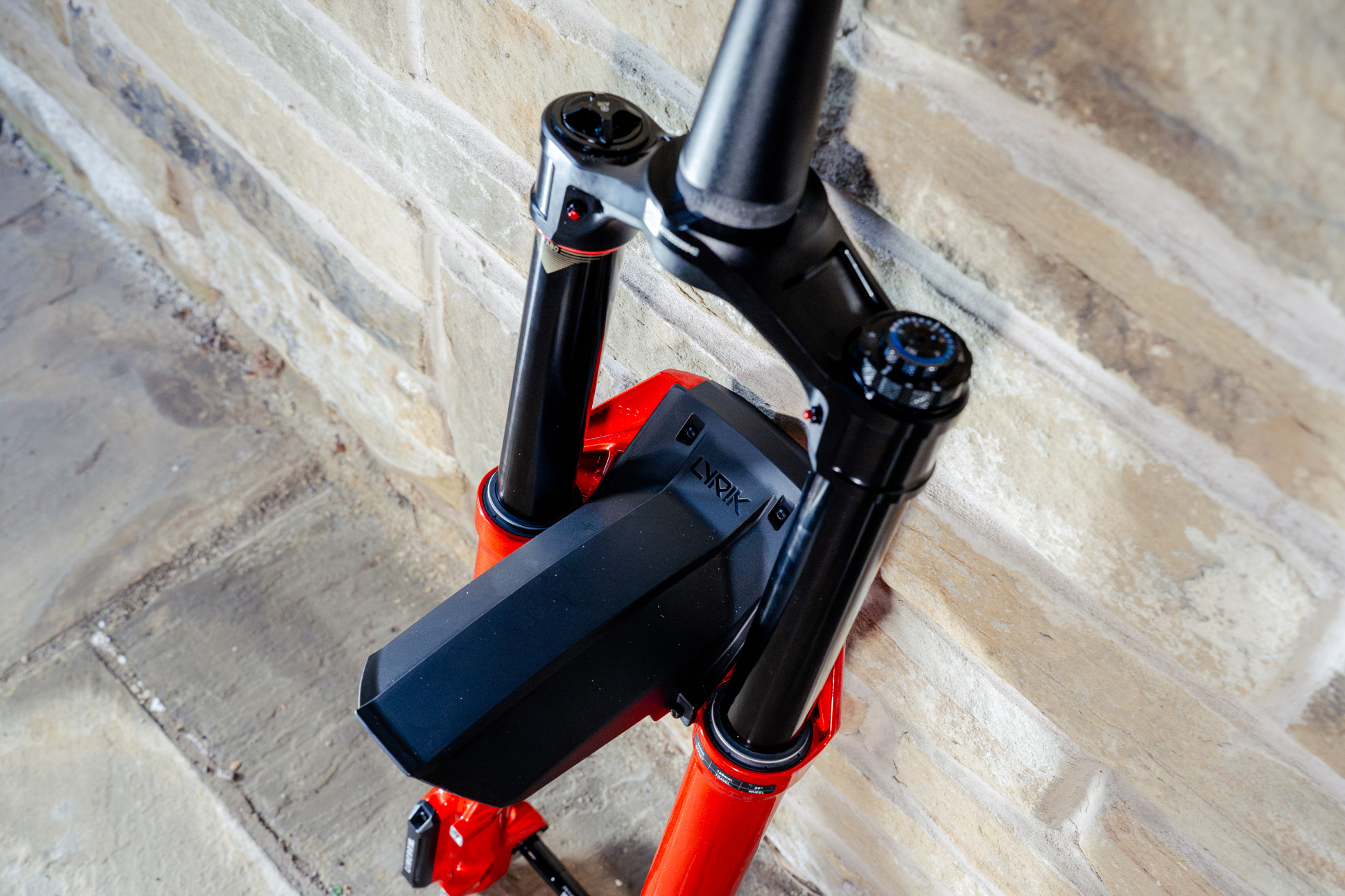
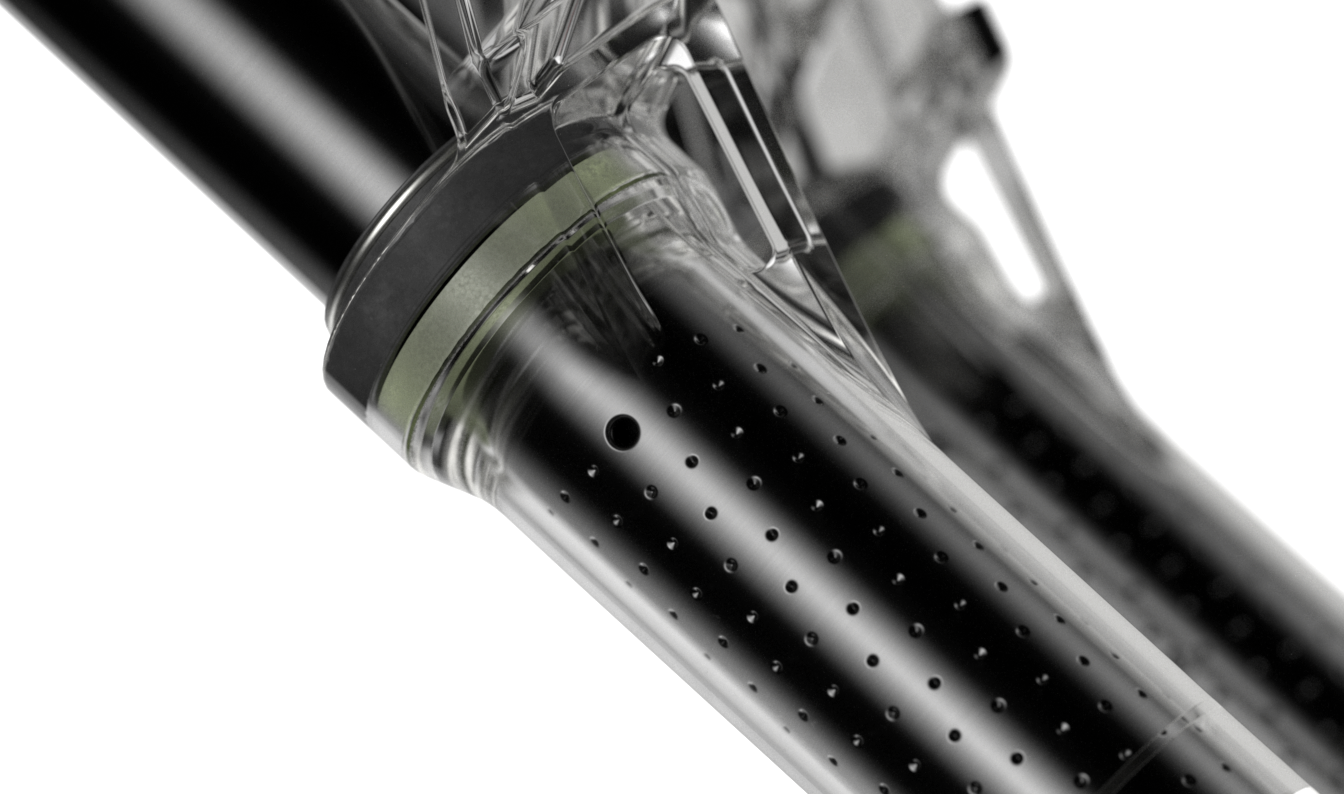
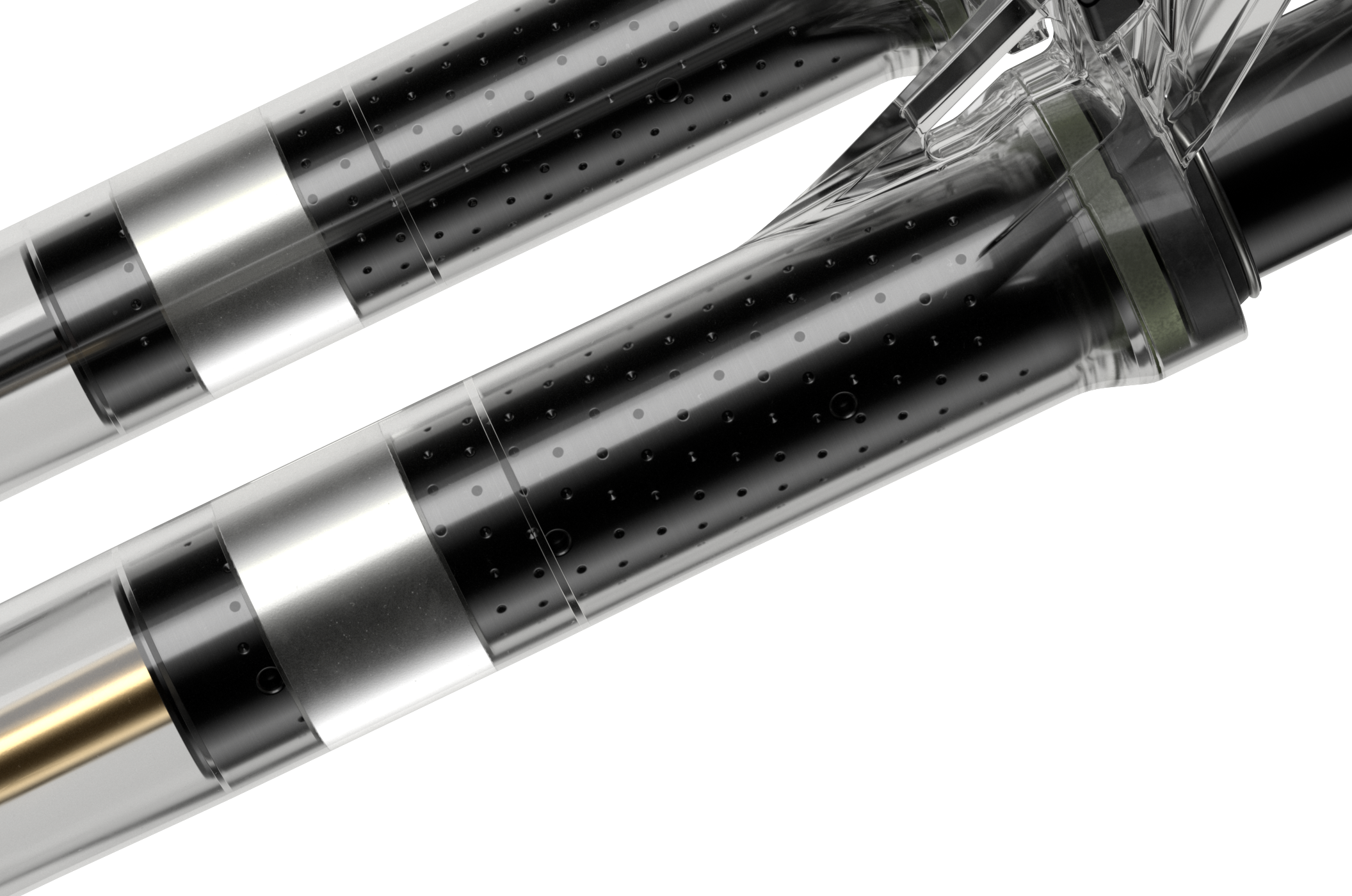
On a related note, keeping things better lubed for longer has been another goal with the new Lyrik. As seen on the recently revamped Boxxer downhill fork, the new Lyrik has those dimples on the stanchions (below the wiper seal level). Somewhat cringingly called ‘ButterWagons’, these dimples allow lubrication to move upwards, keeping more stuff more lubed for longer.
To further reduce friction, the new Lyrik has new wiper seals from SKF. RockShox: “Most wiper seals deflect into the upper tube when the lower leg pressurizes, creating more friction. To solve for this, we worked with SKF to develop an exclusive design that cleans the dirt without grabbing the upper tube, increasing sensitivity deep in the travel.” Basically, the seals still do touch the upper tubes but they don’t ‘bulge’ under fork compression and cause the seal to tighten against the stanchion.
Due to the significant reduction in operating friction, the new Charger 3.2 damper has been able to up the damping level. A fork that is freer-moving, unencumbered by patches of excess friction, is able to have more damping. This is a great thing.
With the new air spring having less of a deadzone in the midstroke, and the end-stroke effectively being easily tailored to rider preferences (via the ABO and volume spacers), the air spring doesn’t foul up your damping desires anymore. You can run loads of damping if you want to (for steep and/or fast terrain). You can run minimal damping if you want to (for cruising comfort or slippery traction).
Is it better than a coil sprung fork? Hmm… it’s not as straightforward as that. If you’re prepared to keep on top of your coil fork lube servicing, stay coil. The Lyrik doesn’t quite have the same suppleness deeper into the travel as a good coil fork. But all coil forks I’ve used do require fairly frequent re-lubing service (which is easy yes, but it’s another thing to do when you just want to ride your bike). So yep, it almost pains me to say/admit it, for most riders the new Lyrik is better than a coil fork.
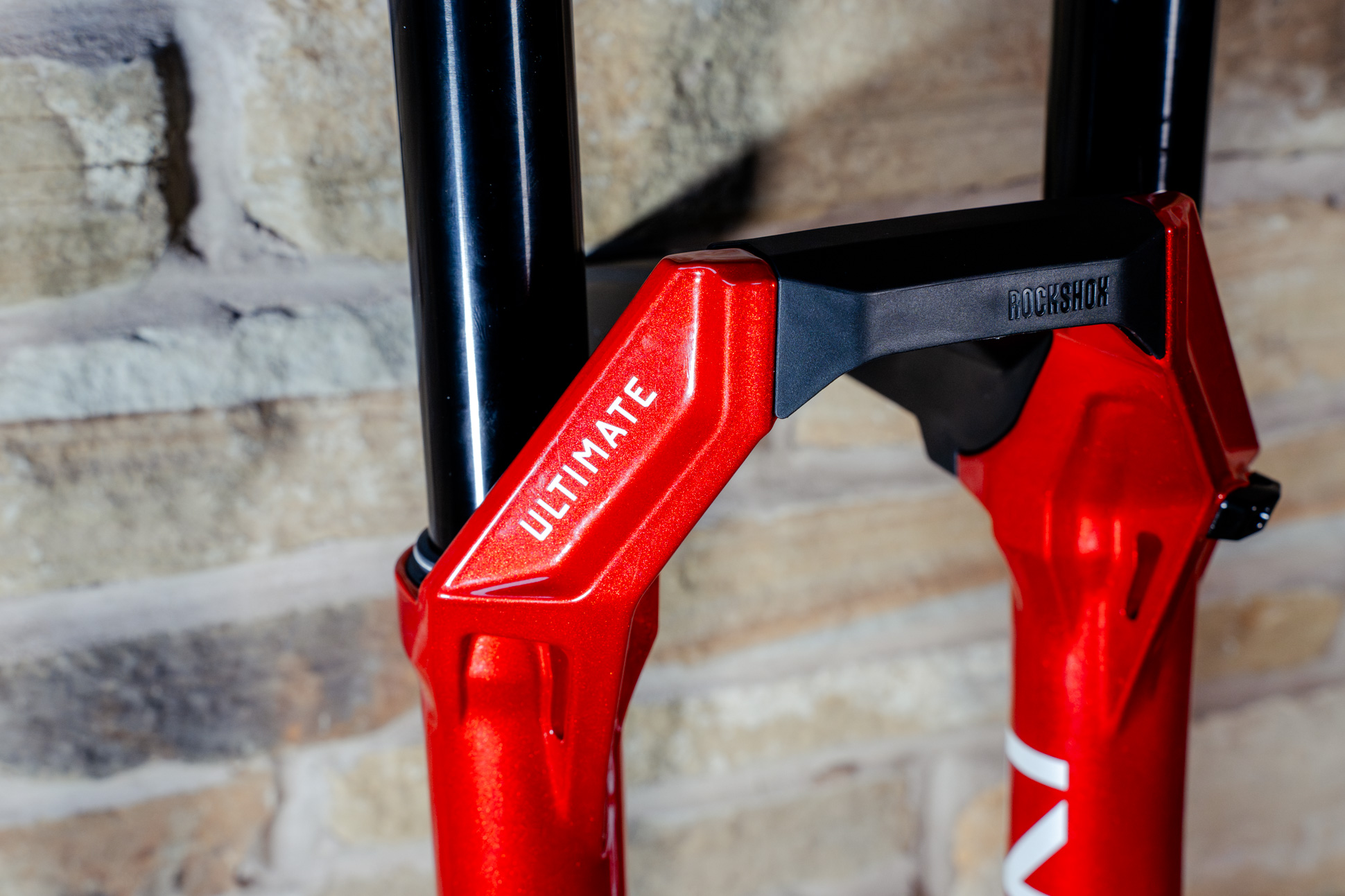
Am I also allowed to say that the new Lyrik just also looks really freaking good too? That red. Yes.
RockShox Super Deluxe Ultimate ride impressions
Compare to the wordfest above, I don’t have quite as much to say about the new Super Deluxe air rear shock. This is principally because the previous Super Deluxe was such an excellent shock already.
In terms of on-trail performance, there isn’t as much of a noticeable improvement. I do need to point out that I’ve only been riding the shock for a couple of weeks ish – and my trails have yet to approach anything like being dry or firm or fast! There’s maybe a bit more consistency and predictability there. There’s probably a hair more support in the working middle-to-deeper part the stroke. I think there’s a bit more suppleness off-the-top. I can’t really honestly say yet. I also want to try it on more than one bicycle.
But even so, I can easily confirm that the new Super Deluxe is (still) the best (vaguely affordable) air shock out there. From a practical point of view, I really like what RockShox has done with the ‘-0+’ external adjusters, the simplified volume spacer internally (now just one O-ring that you move into different grooves) and the splines on the air can which make it easier to crack open the shock for operating on etc.
Overall
In the world of mountain bike technology, these days there isn’t a whole load of performance difference between low-tied components and top-tier components. Drivetrains, dropper posts, cockpits, pedals, even brakes – the most expensive ones don’t really work significantly better than the more affordable ones. Unfortunately, for your bank balance, top-tier suspension does perform quite a lot better than lower-end suspension. Whether you actually need that extra level performance is up to you. Regardless, if you want the best mainstream brand suspension for your trail bike, RockShox is back on top.
