Hot off the cold trails it’s the brand new Spur. Just how sweet ‘n’ lo can u go?

- Brand: Transition
- Product: Spur V2 Eagle 90
- Price: £6,299
- From: Windwave
- Tested by: Benji for 1 day
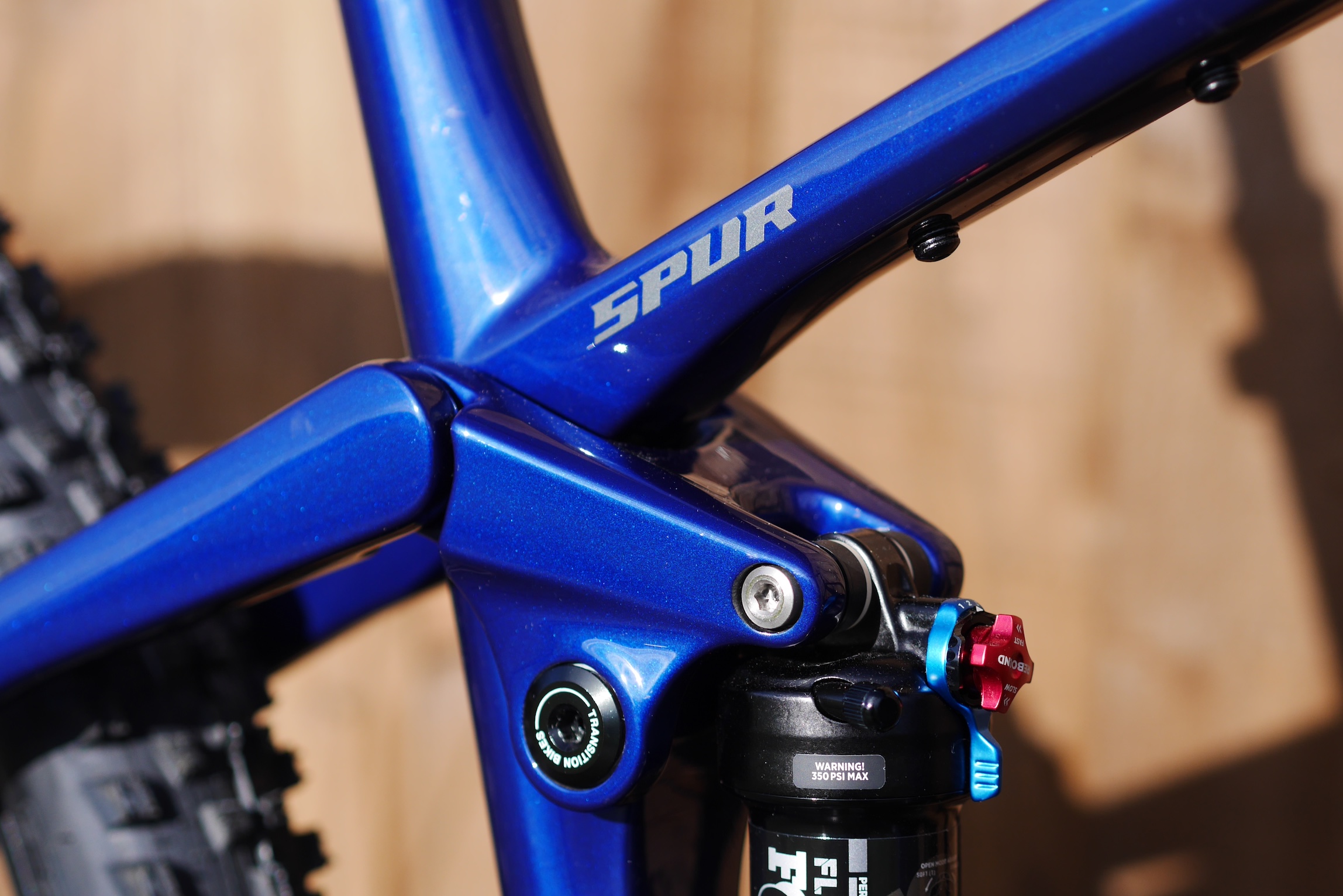
Was it the original Transition Spur that instigated the whole downcountry genre? Well, maybe. If we ignore certain bikes of the 2010s that paved the way. Bikes like the Specialized Camber, the Whyte T129 and the Santa Cruz Tallboy were 29ers with modest amounts of travel allied to relatively progressive (for the time) geometry.
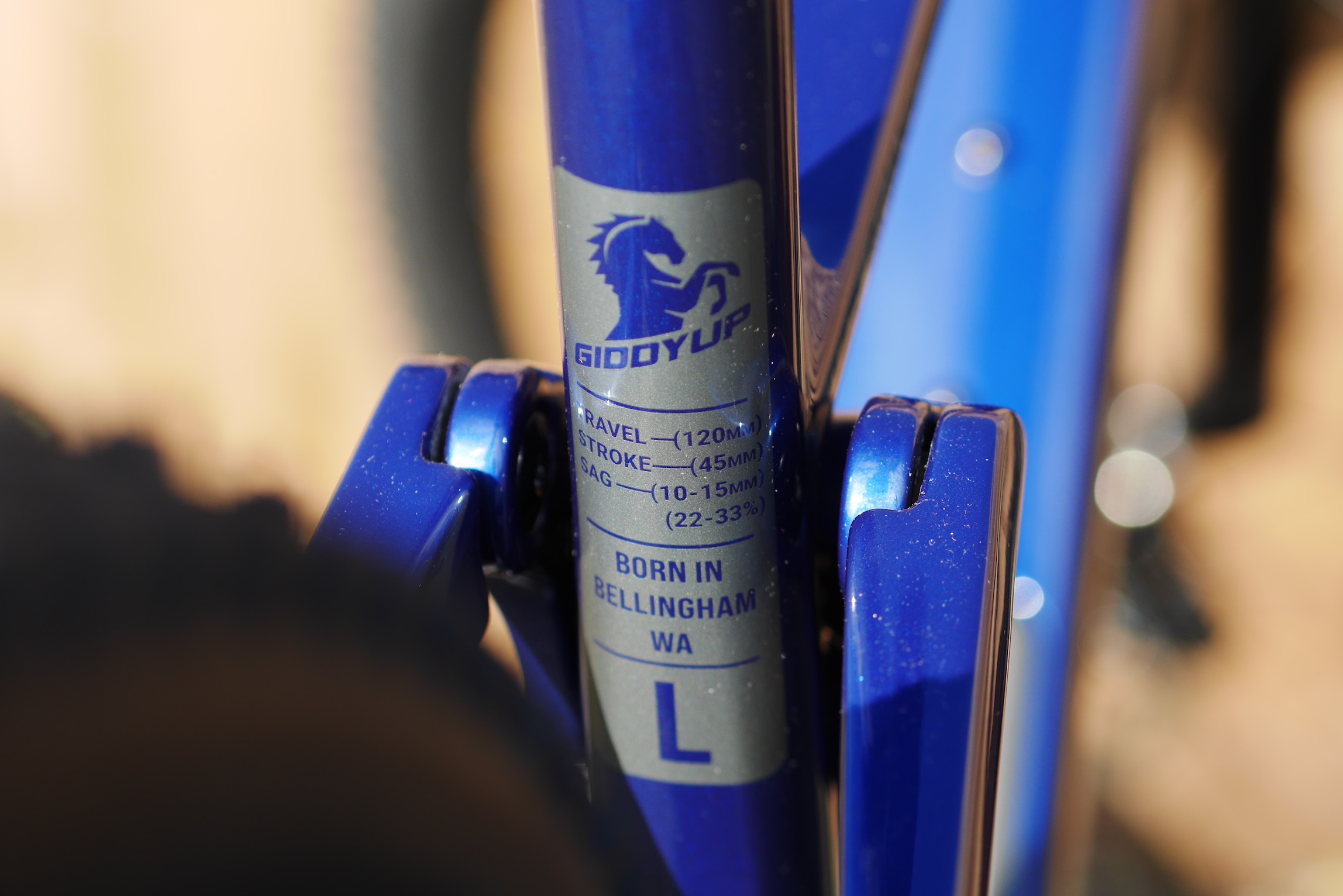
This new Spur arrives at an unusual time in the bike world. A handful of World Cup XC bikes are now sporting some of the same geo numbers as this bike. The key word there being “some”. Not only that but the new Spur V2 isn’t obviously all that different from the Spur V1.
Let me save you the head-scratching and magnifying glasswork. The Spur has way more standover than the aforementioned World Cup XC bikes. It also has a suspension kinematic that is not really found on XC bikes either. Hint: massively progressive (like, more than 30%).
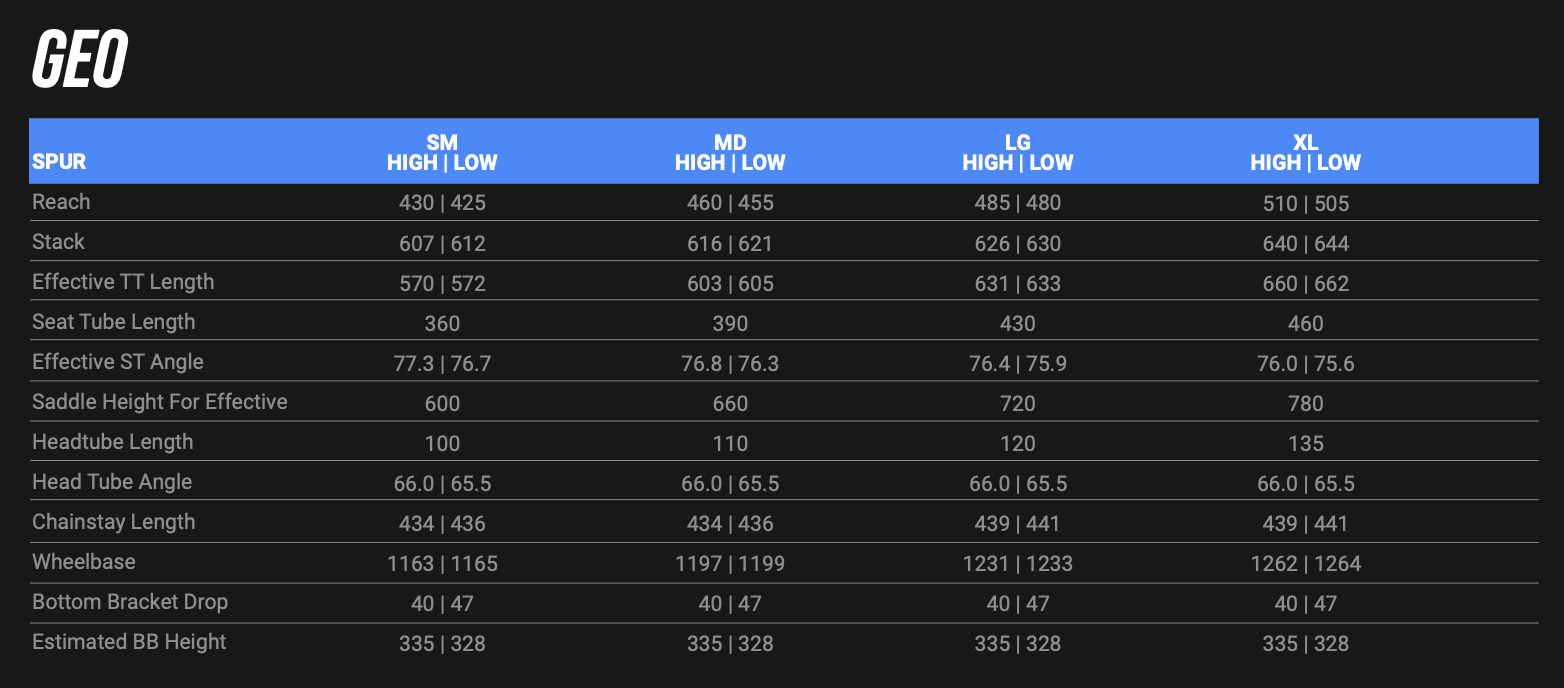
The contrast ‘n’ comparing to the previous Spur is less clear cut. The chainstays are a smidge longer in the L & XL sizes (a few mm). The stack is a bit higher. And the seat tubes have been pleasingly hacked down (approx 30mm size for size). The angles are very similar. The fact that the head angle hasn’t been slackened, nor the seat angle steepened, will raise a lot of folks’ eyebrows.
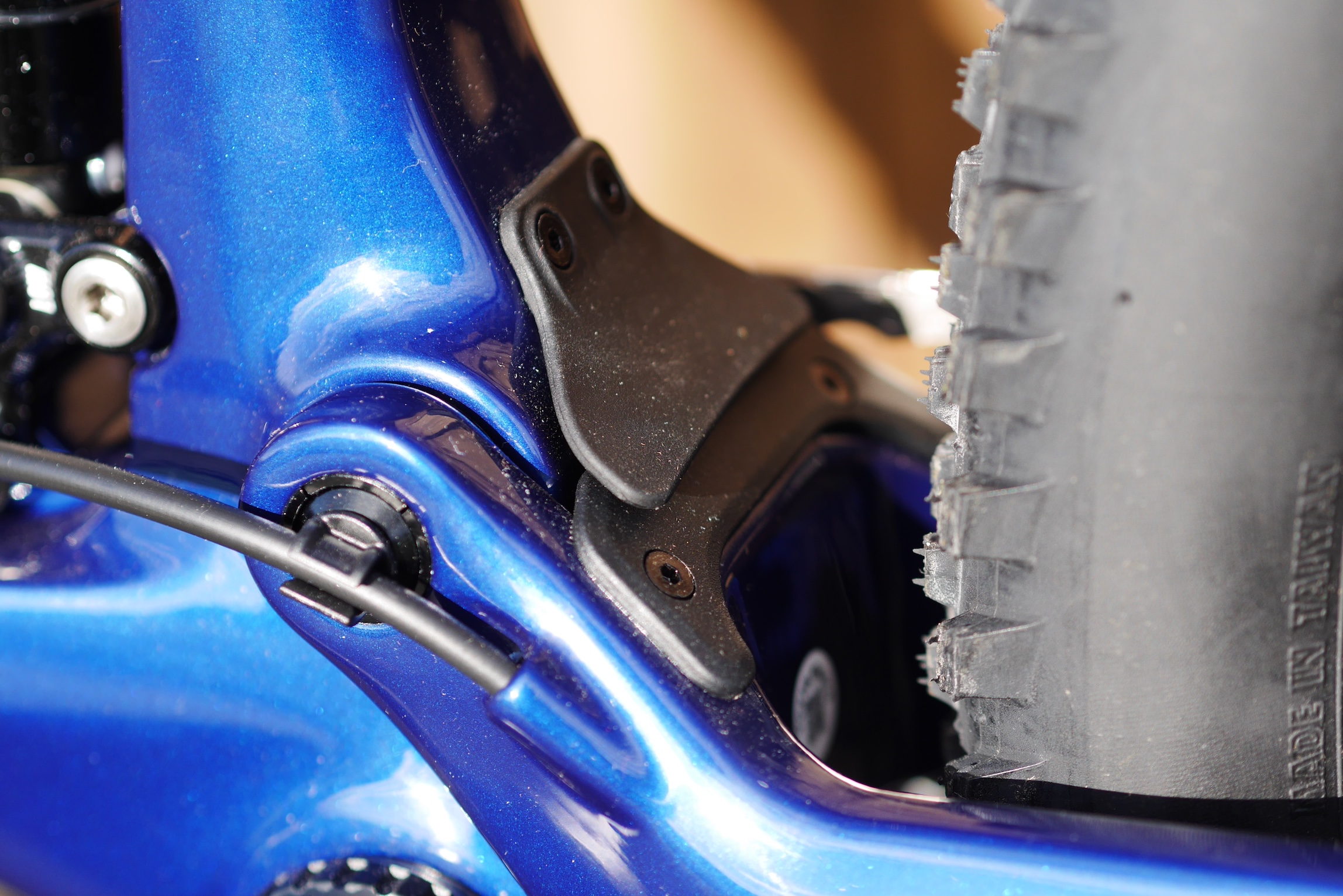
Transition aren’t daft though; both the shock mounting and the headset cups are ‘normal’ so you can tweak things with offset bushings and angle-adjust headsets if you want to. And I think a fair few Spur riders will do exactly that.
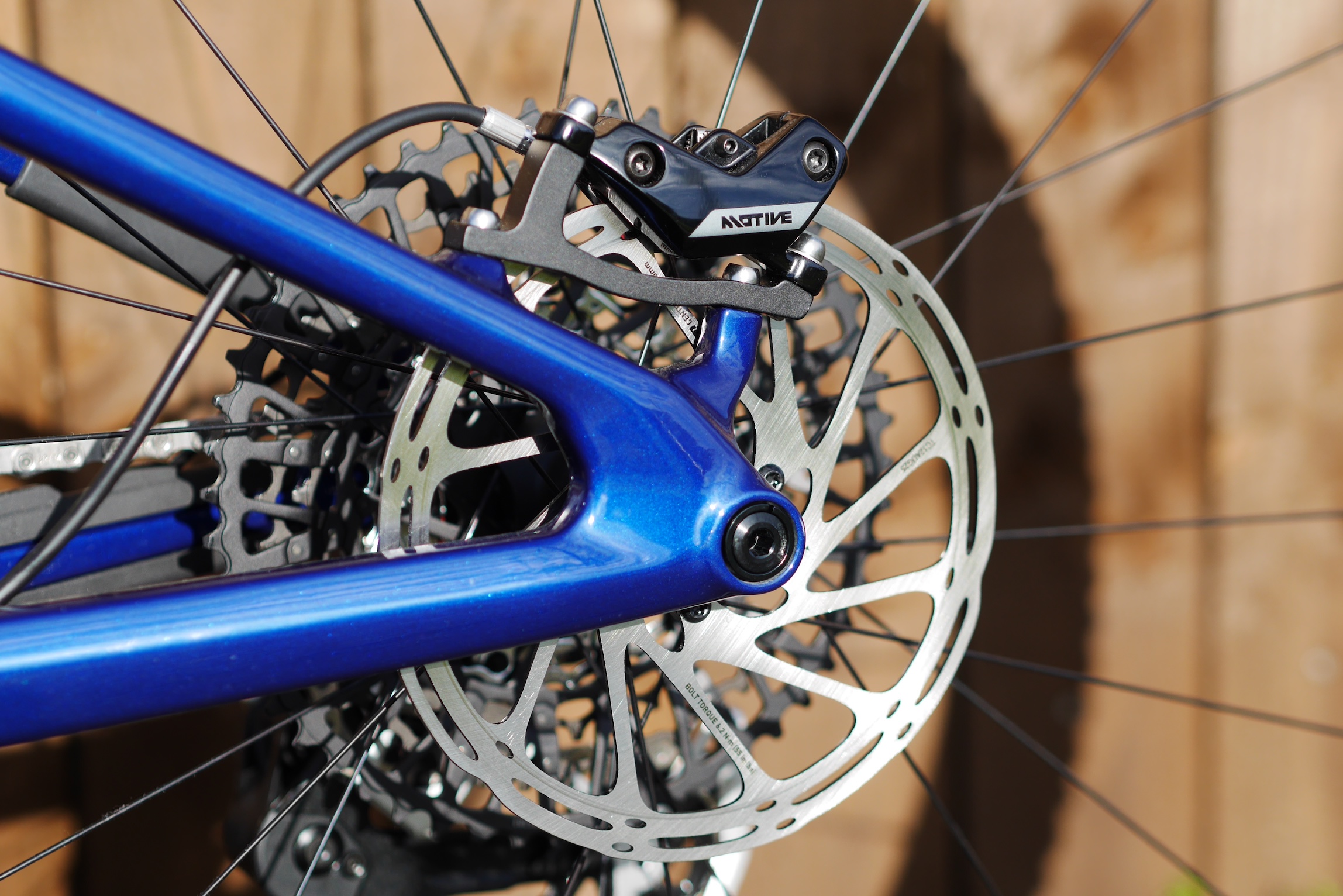
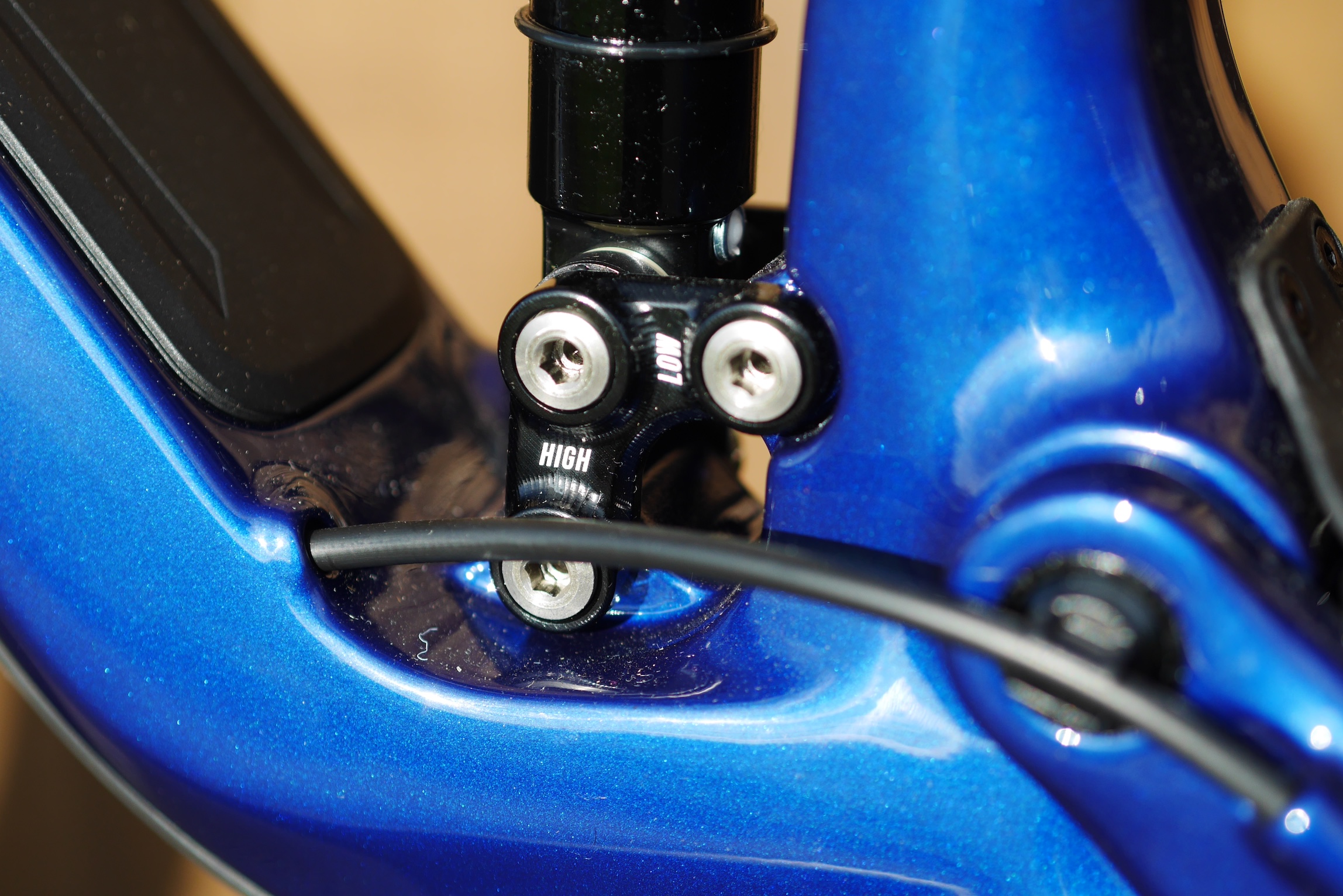
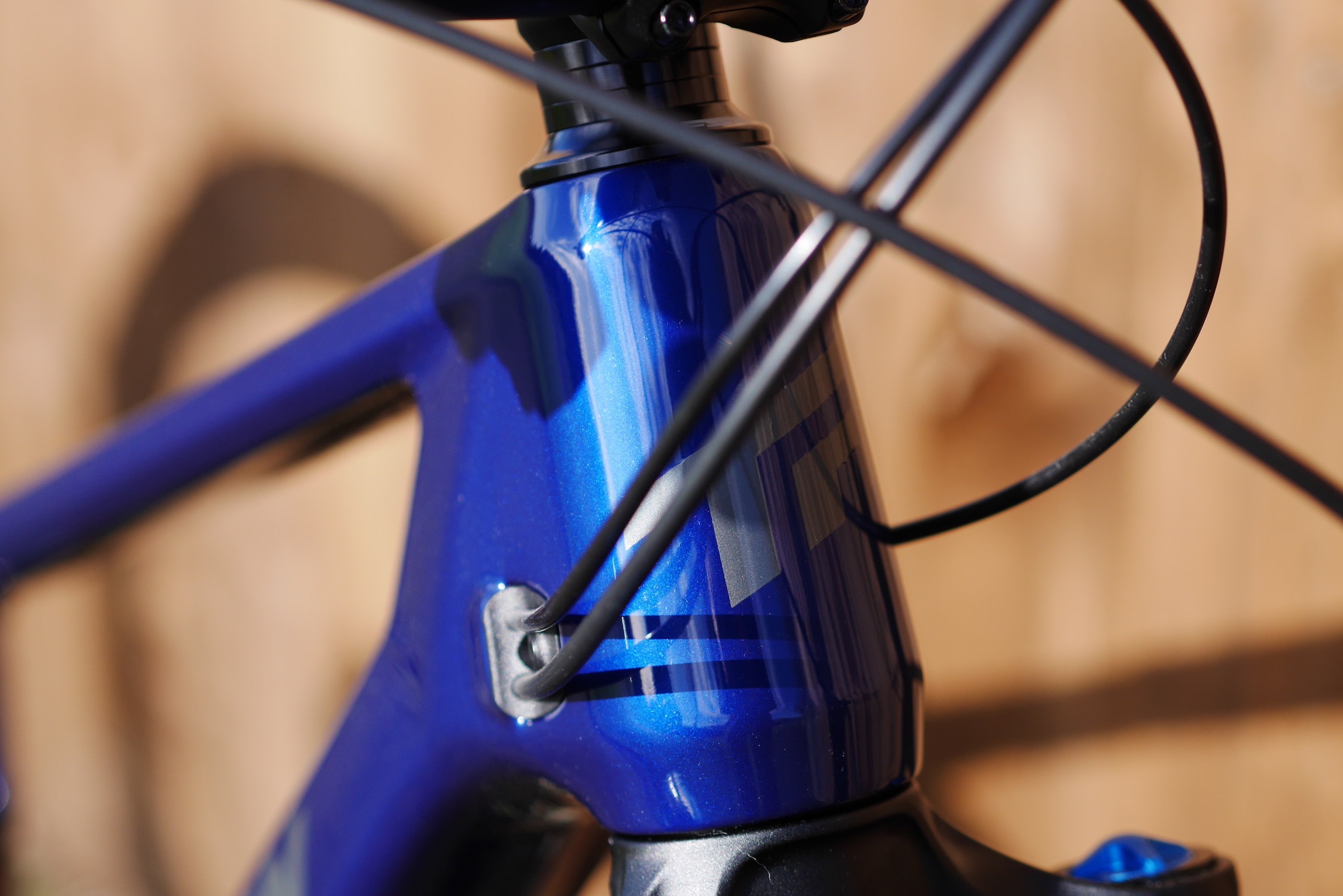
The most significant thing that differentiates the new Spur from the old one – aside from the frame storage in the downtube – is the flipchip (or rather a flippable lower shock mount. This slackens the angles a small amount (0.5°) but also drops the BB height by 7mm. Which is a significant bunch of mm. And no doubt one reason why the new Spurs are being specced with 165mm cranks. In Low mode, the new Spur sports a 47mm BB drop. Which is approximately a 335mm BB height. This is pretty darn low slung. Especially on a bike with a wheelbase north of 1,200mm (L & XL).
Spur V1 and V2 geometry compared (Large)
| Geometry (Large) | Old Spur | New Spur (Low/High) |
| Reach | 480mm | 480/485mm |
| Stack | 619mm | 630/626mm |
| Effective top tube | 630mm | 633/631mm |
| Seat tube | 460mm | 430mm |
| Effective seat angle | 75.9° | 75.9°/76.4° |
| Head tube length | 120mm | 120mm |
| Head angle | 66° | 65.5/66° |
| Chainstay length | 435mm | 441/439mm |
| Wheelbase | 1,219mm | 1,233/1,231mm |
| BB drop | 40mm | 47/40mm |
| Approx BB height | 335mm | 328/335mm |
First ride impressions
They’re not kidding when they say that the suspension kinematic is very progressive. There is clearly a lot of leverage being applied to the rear shock around the sag point (I ran it with 13mm sag FYI). If you run the rear shock wide open, it bobs quite a bit. So don’t run it wide open.
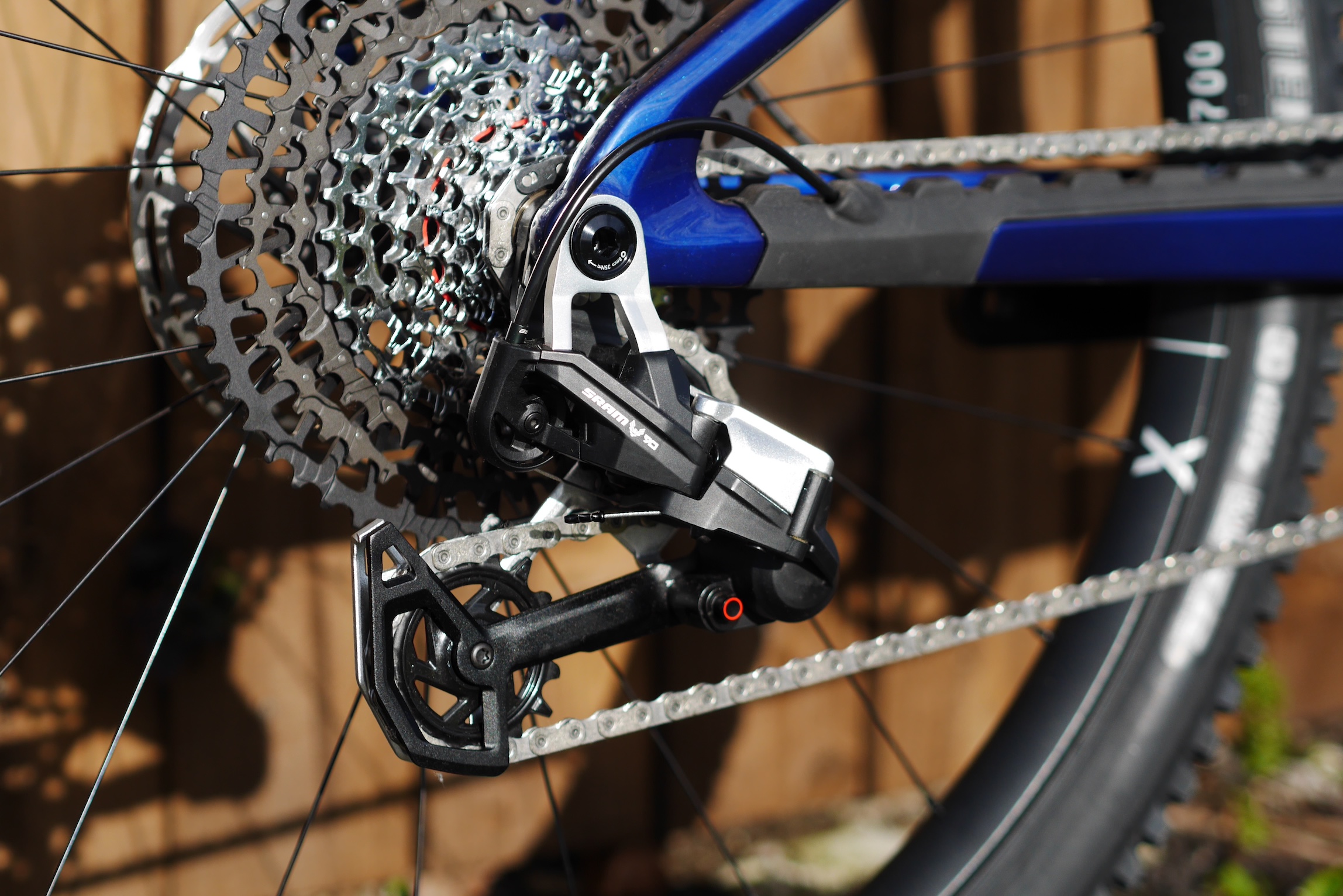
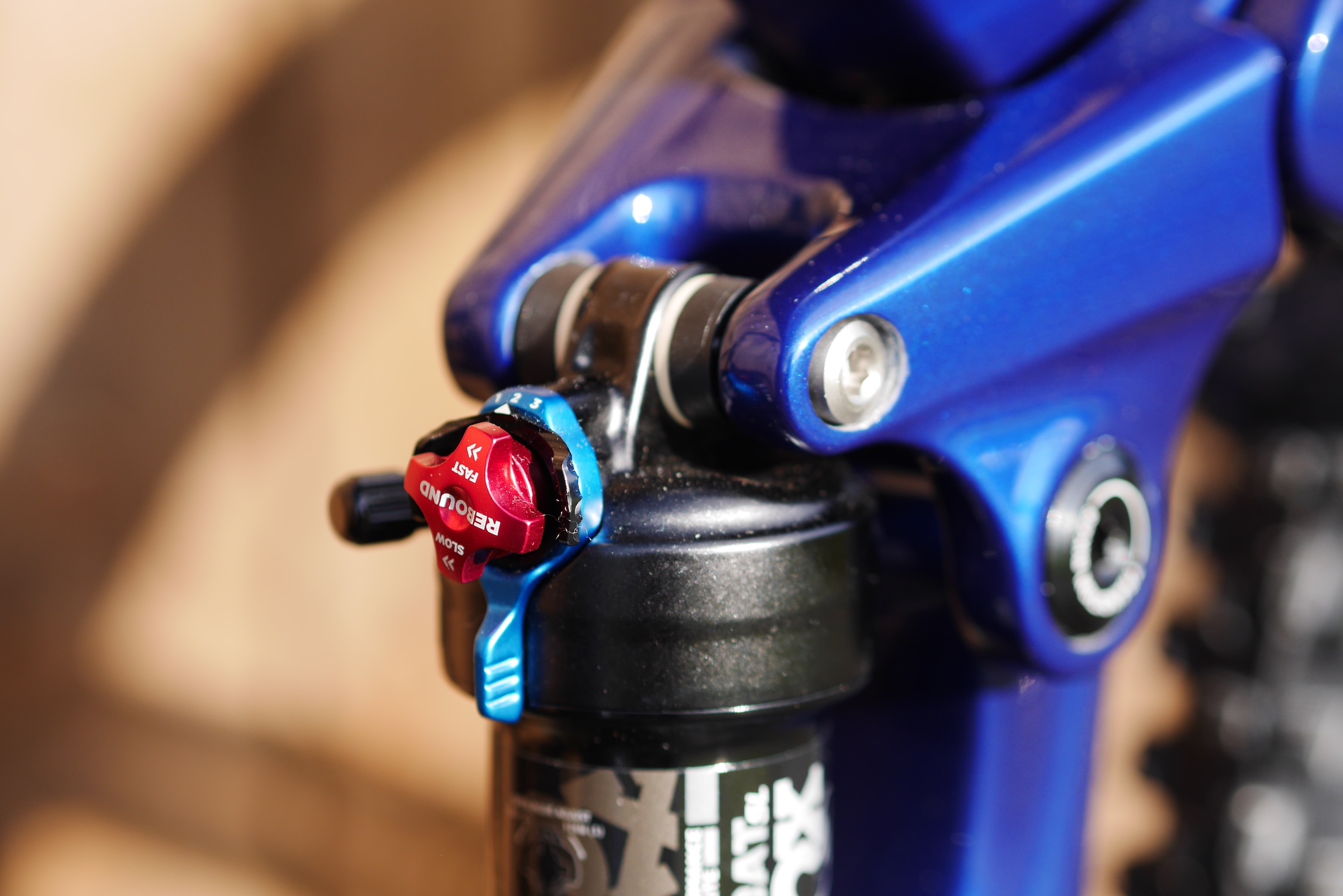
You can choose to offset bob in three ways: pedal smoother, dial on more rebound to stop the suspension oscillating, or apply more low speed compression (LSC). There is no correct answer.
For what it’s worth, I ended preferring how the bike rode with quite a lot of LSC and hardly any rebound. I just seemed to suit the punchy persona of the bike. I set the Fox 34 SL fork the same way. On certain steep and sketchy descents I flicked the rear shock to run wide open, so as to ge the bike to ride/sit lower into its travel and also to improve traction. it is still quite slippy out there at the mo.
It’s one of the ironies of MTBIng in my experience; the less suspension travel you have, the harder it is to set up well. The windows of operation are just tighter and more unforgiving of a few mm/clicks/PSI.
The suspension kinematic is very probably where the Spur’s secret sauce lies. It has the firm accuracy of other 120mm bikes but rarely felt as quickly out of its depths or hitting-the-buffers as other short travel bikes can. I’d be fairly confident it taking the Spur out ‘against’ a lot of 150mm trail bikes and having no issues being left behind or underbiked.
As well as the suspension feel, the overriding aspect I have from the Spur is lowness. You can get away with a lot if your centre-of-gravity is low AF. This low slinging uber confidence comes about from the massive BB drop (47mm in Low setting) and the immense standover afforded by the short seat tube and healthy dropper insertion. Honestly, with a 210mm dropper and a top tube around your ankles you can nadge your way down stuff that some lofty, slack, mullety enduro bikes would have you panicking on.
Is the Spur’s BB too low for some riders and terrain? Quite possibly. The 165mm cranks help but I suspect it’s not the bike for folk who are prone to pedal clanging.
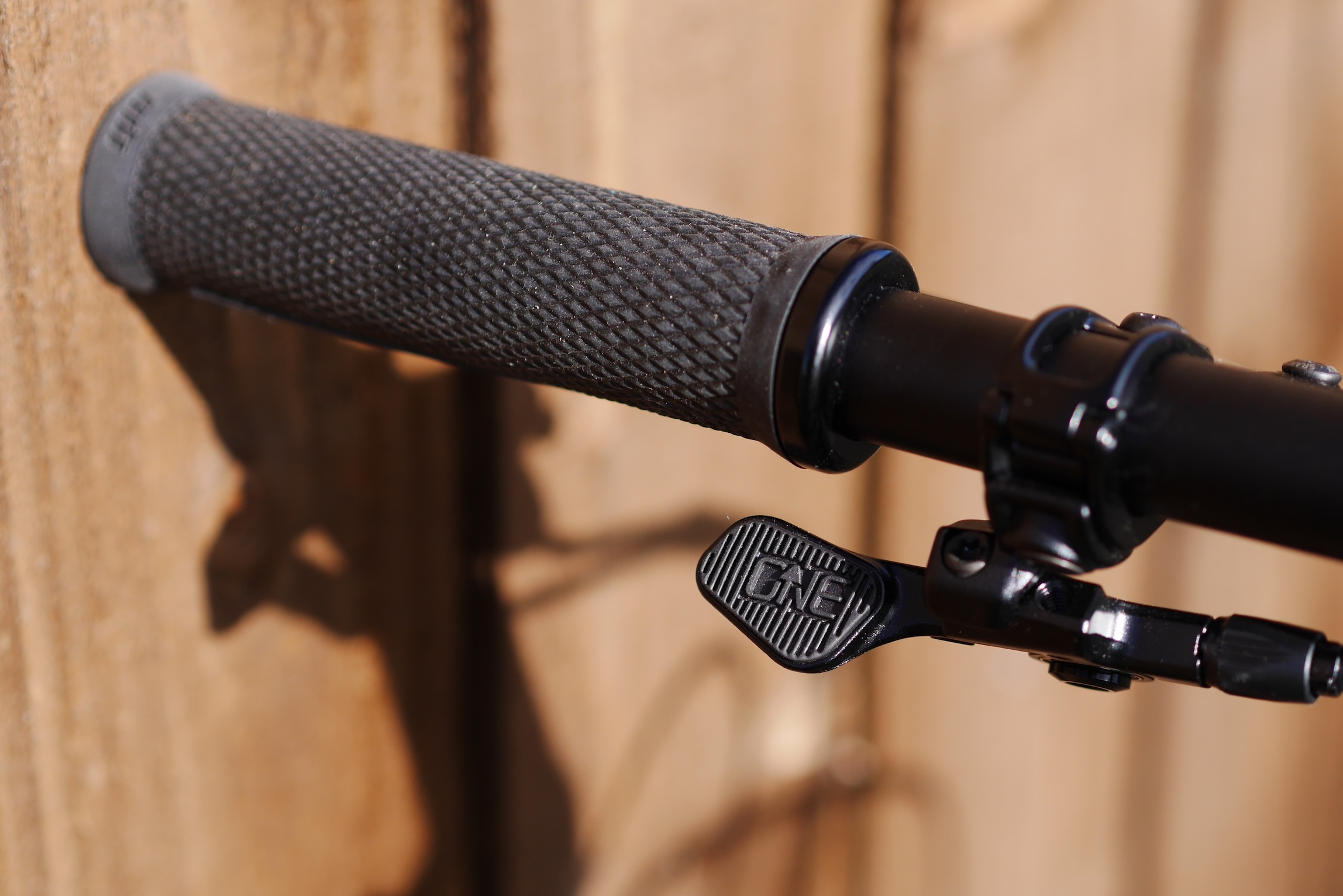
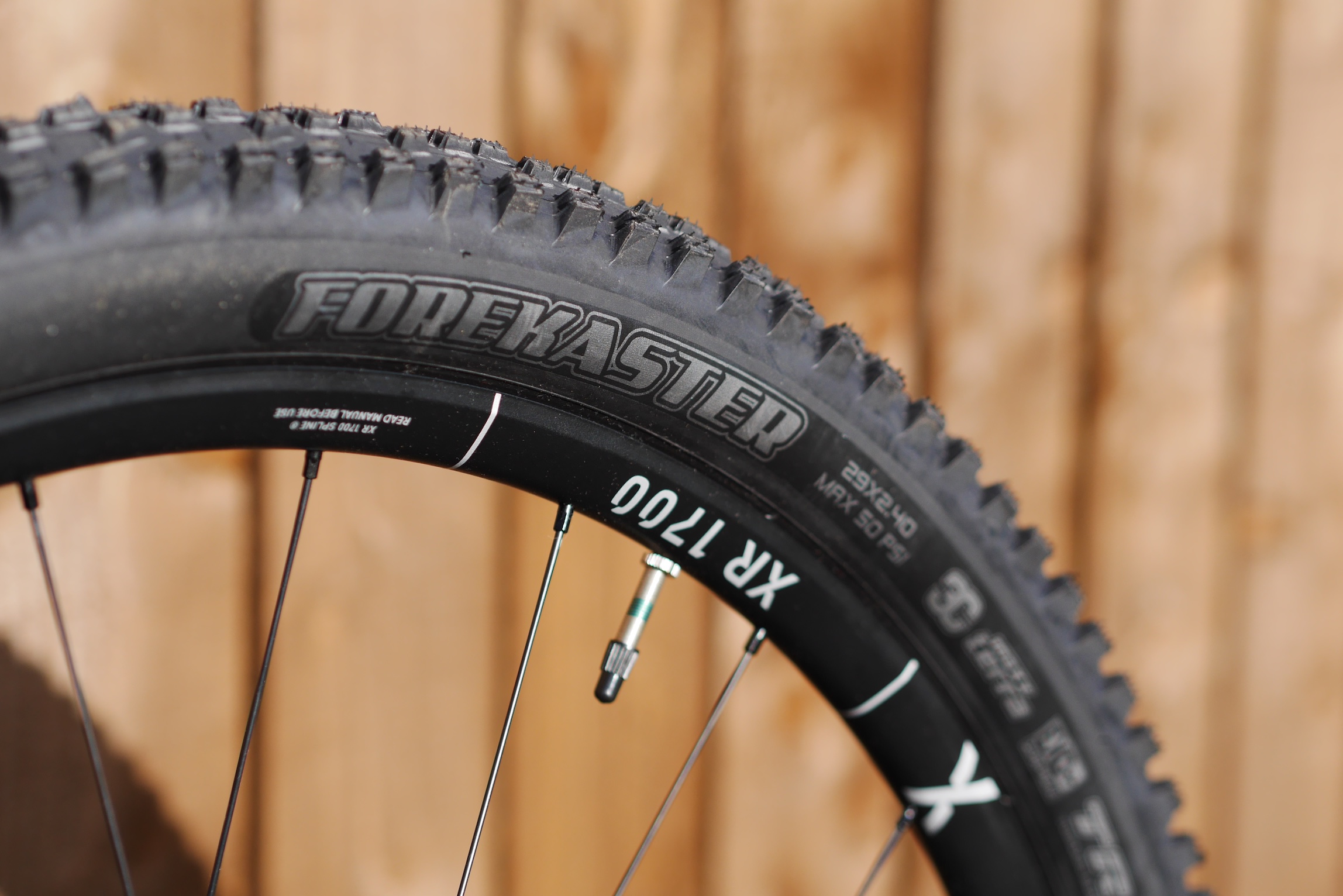
A quick note about the build. It’s pretty much all well chosen stuff. Certain riders may wish to bump up the rotors a size. And whilst the front and rear Maxxis Forekaster tyres are worthy of keeping in your tyre pile, a slightly more capable front tyre will be required for most of the UK year. I’d like to give a ‘shout out’ (what is this? local radio?) to the contact points: the ODI grips and SDG saddle really do help set the feel and expectation of the Spur. Minimalist but not deathly harsh.
What can’t the Spur do? It can do fast stuff. It can do rought stuff. It can’t really do rough stuff fast. That’s just the physics of the thing. 120mm of travel can only do so much. It can pretty much negotiate anything tekkers but just not at high velocity. And that’s fine.
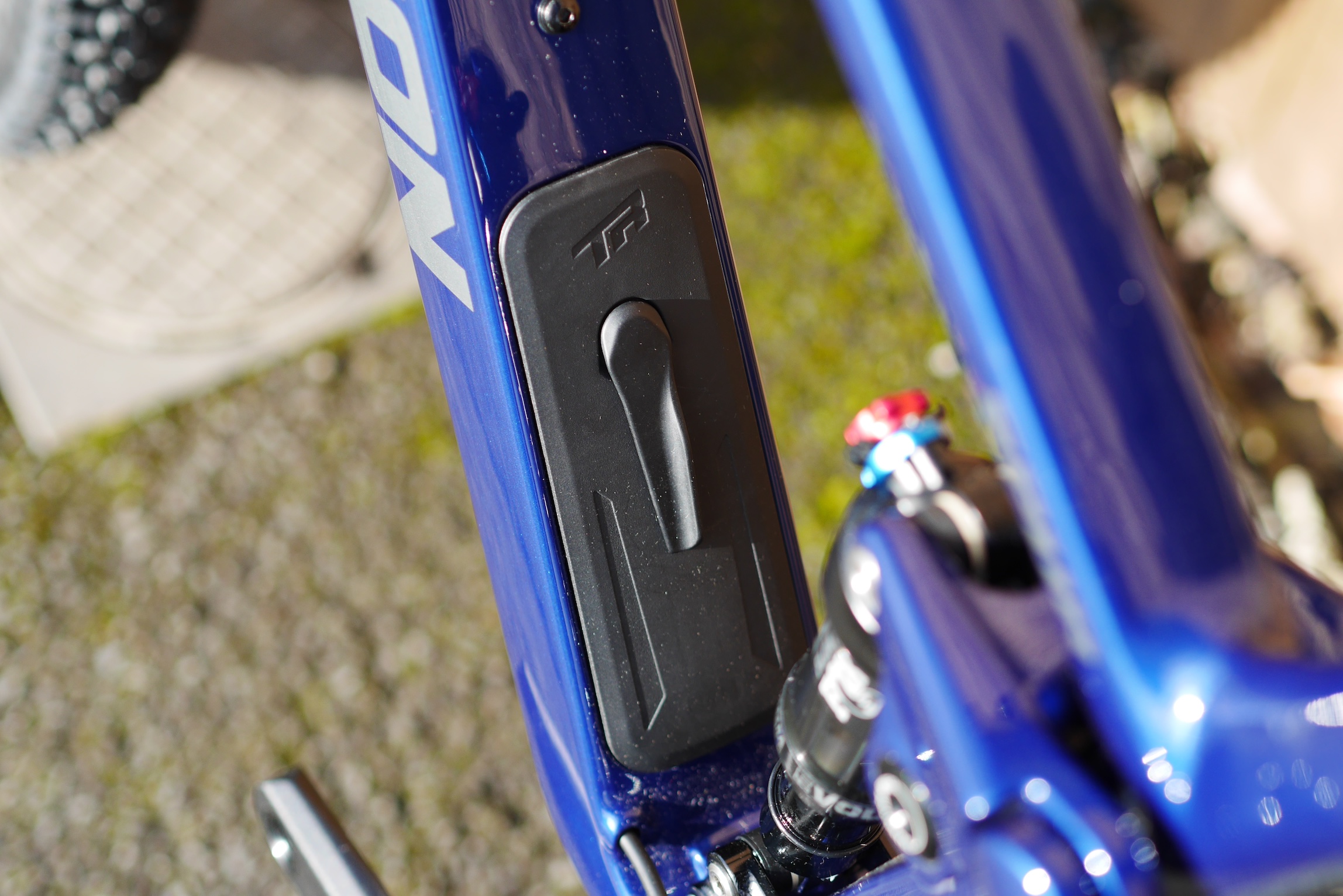
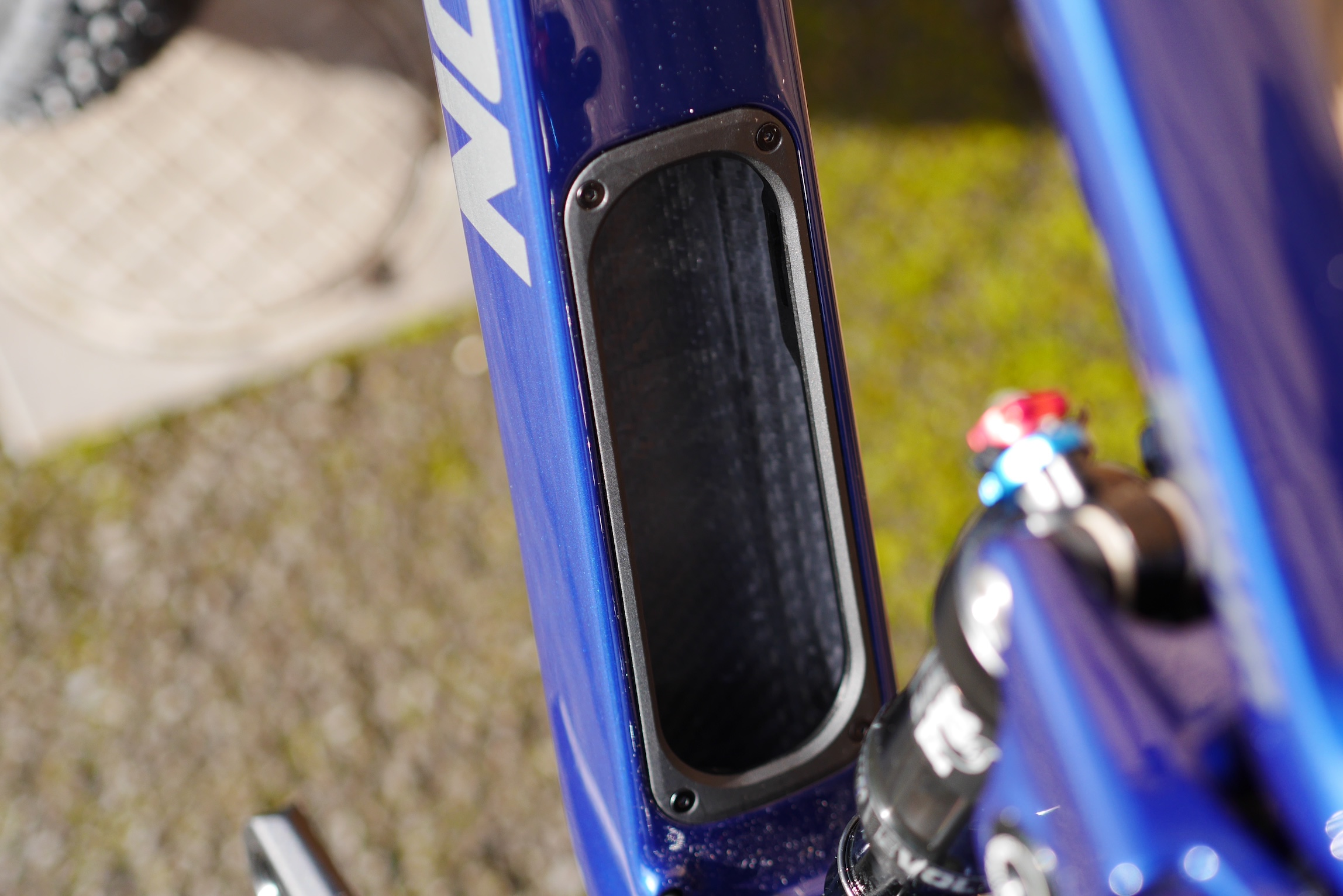
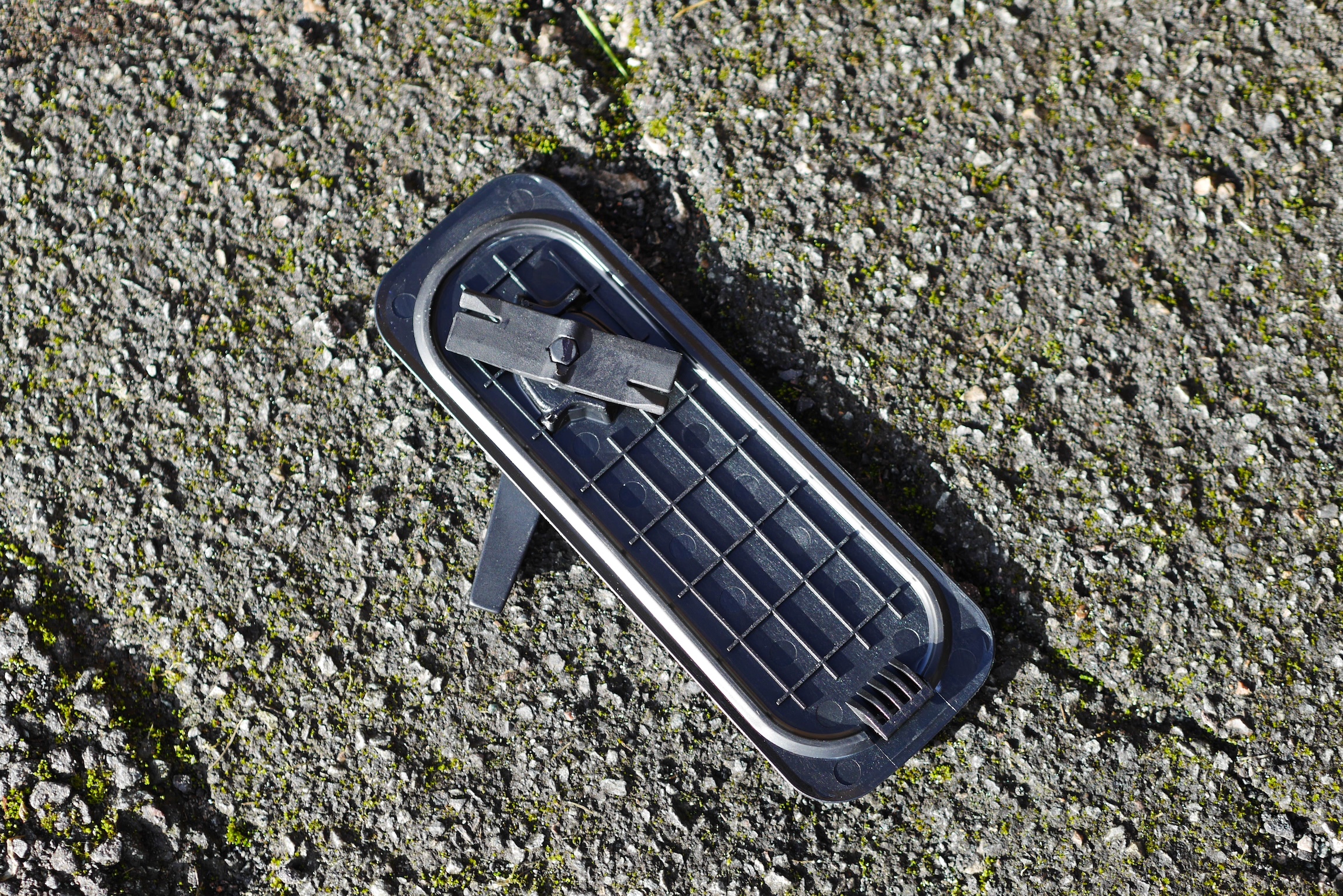
Arguably the other thing that is a chink in the Spur’s armour is climbing. Specifically sat down, steep climbing. I am surprised that Transition haven’t steepened the seat angle. The slightly longer chainstays help prevent excess wheelie-ing but coming from bikes with 78°+ seat angles, the Spur does feel like you’re not quite in as an efficient position over the cranks. I found myself climbing out-of-the-saddle a lot more than I typically do. Which is fine, for a while. For modest length rides and/or flatter terrain it’s something that’s not a massive issue but on steep pitches and no doubt on long distance routes, you may be wishing for a steeper seat angle.
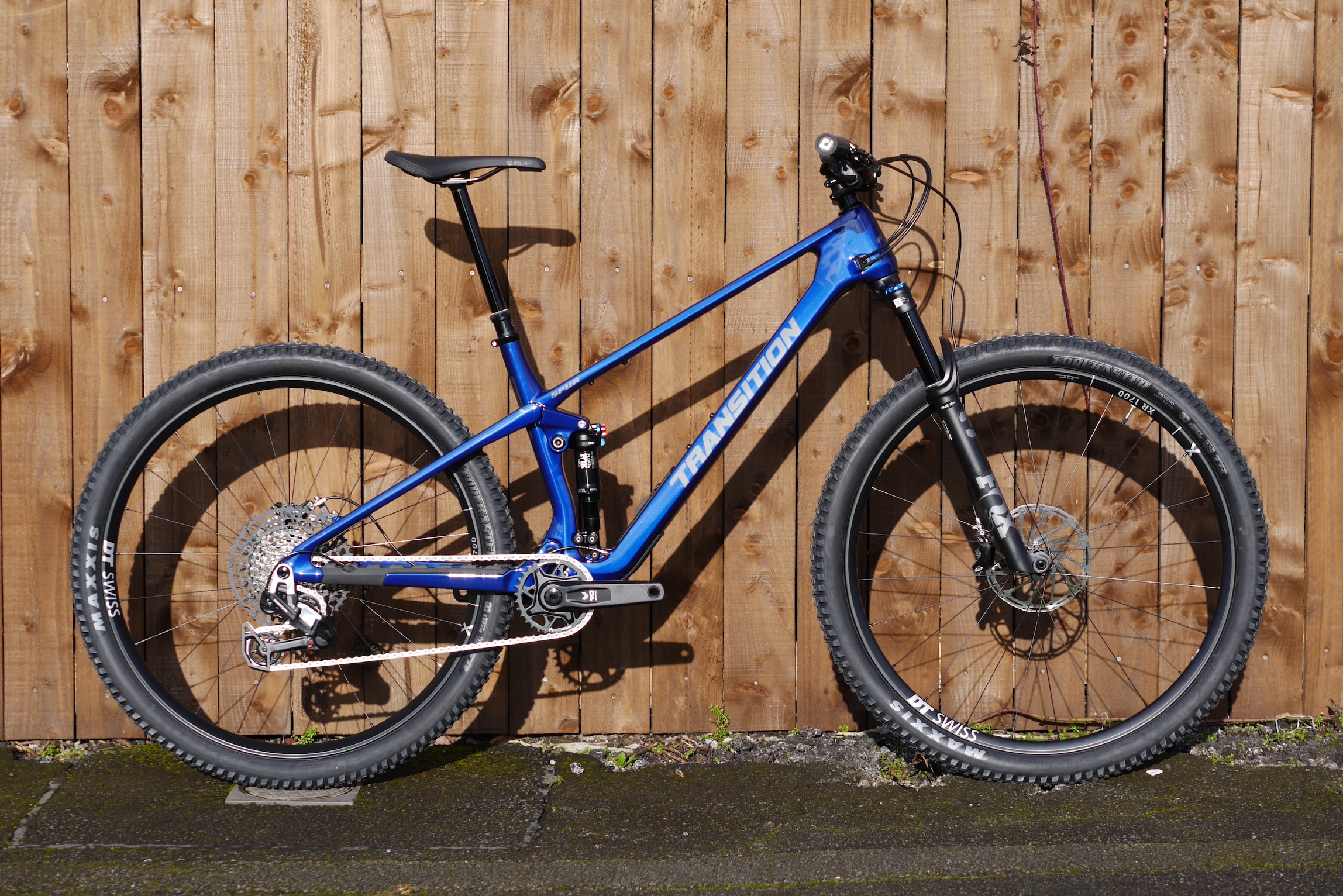
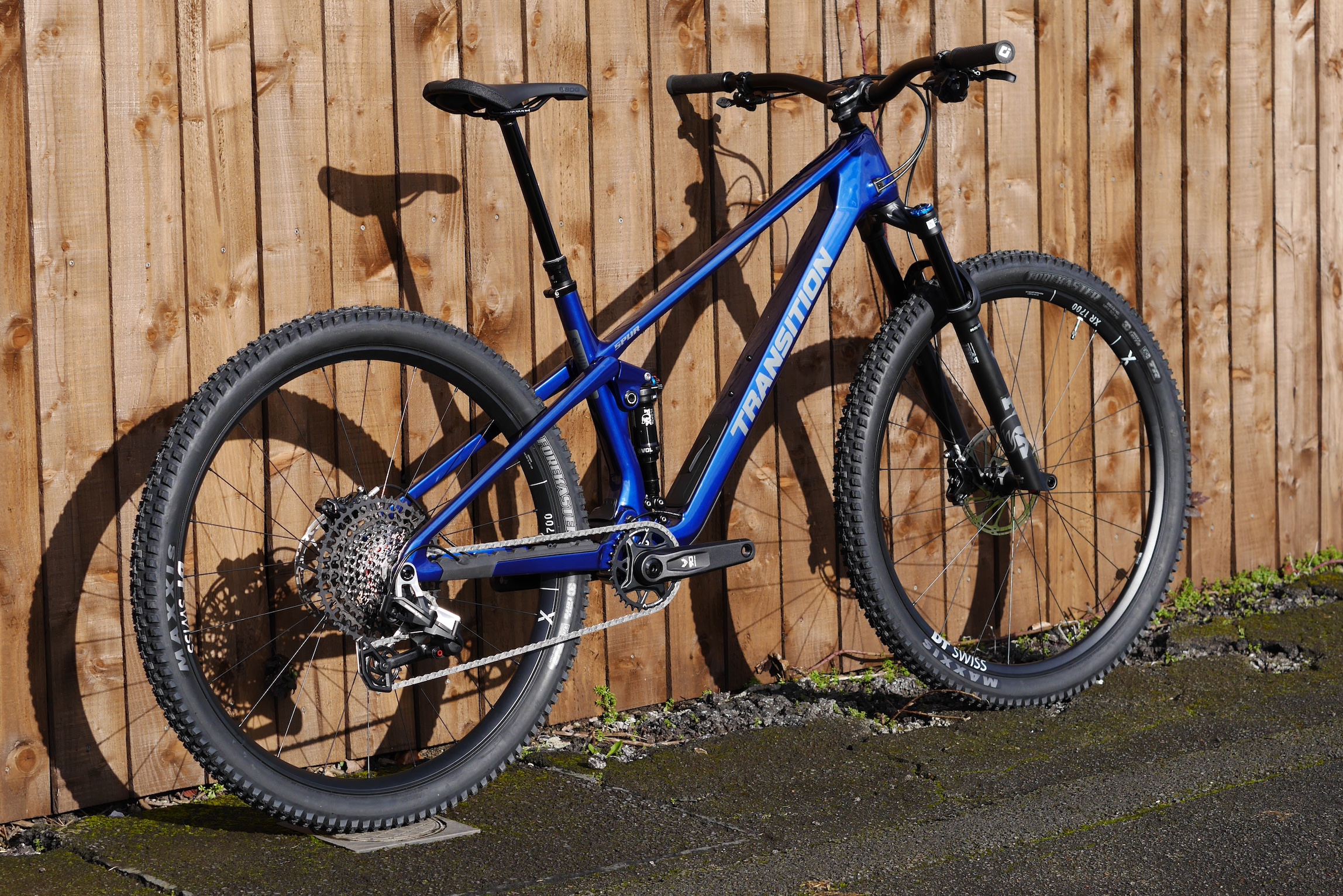
Overall
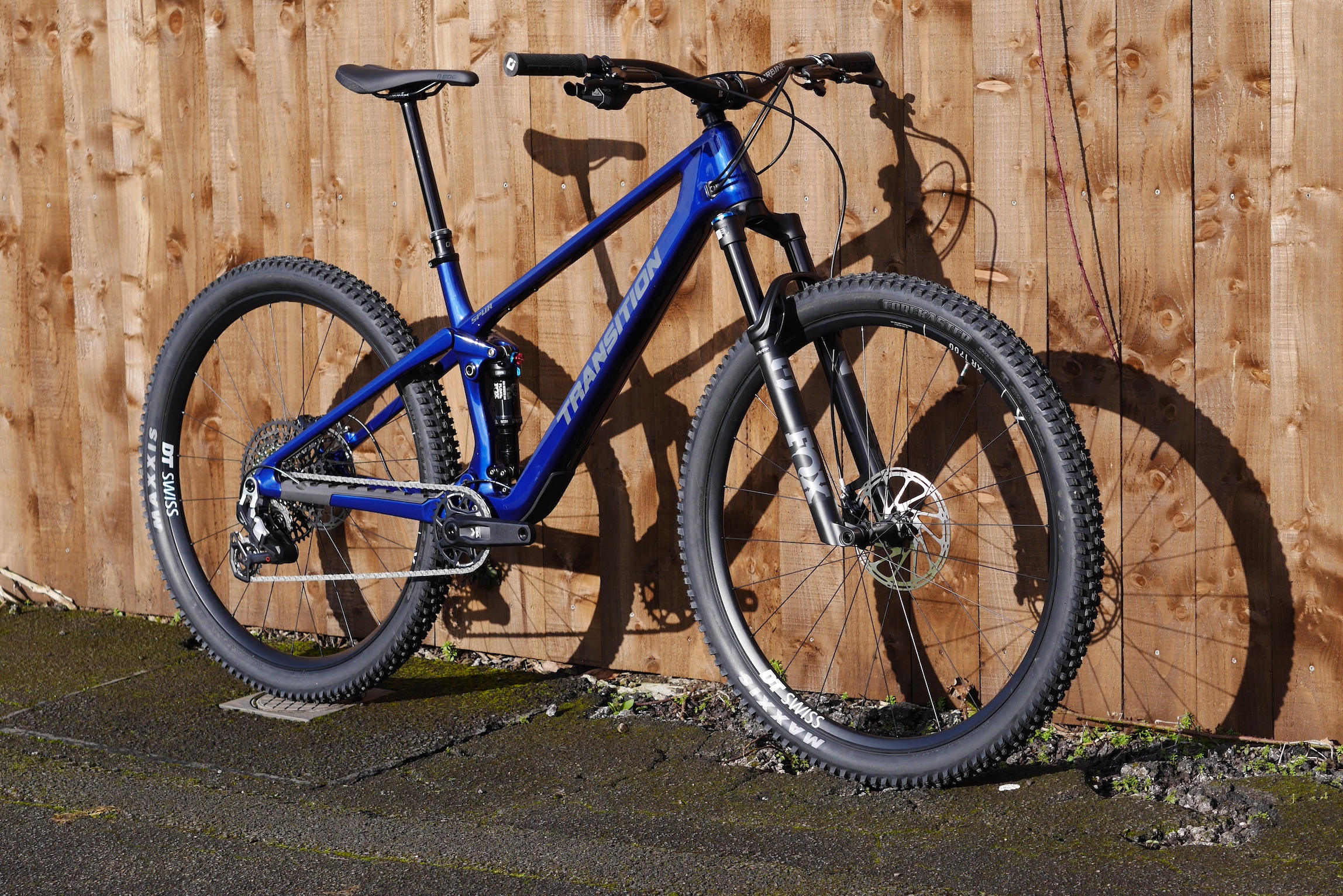
I couldn’t help but think that whilst the Transition is no cliched quiver killer, paired with a longer travel (e)MTB, it would make for a pretty perfect two-bike garage that could encompass the whole spectrum of what makes mountain biking so gosh darn rad. I just want to ride it again. It’s beguiling and addictive, like all the very best ‘cult’ bikes are. Very much looking forward to more rides on it.
Transition Spur V2 Eagle 90 specification
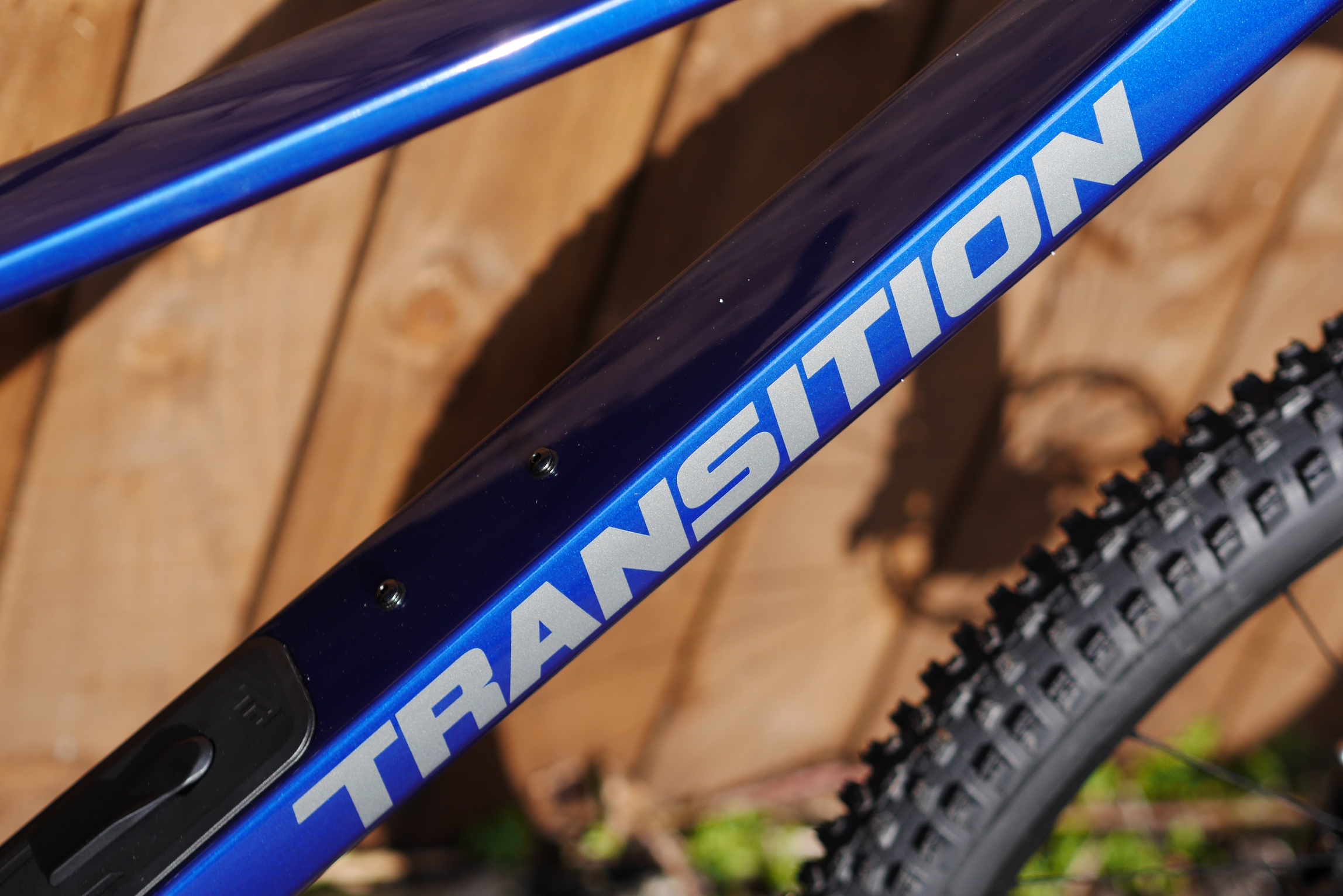
- Frame // Spur Carbon, 120mm
- Shock // Fox Float SL Performance Elite, 190x45mm
- Fork // Fox Float 34 SL Performance Elite, 130mm
- Wheels // DT Swiss XR 1700 Spline
- Front Tyre // Maxxis Forekaster 3C EXO+ 29×2.4in
- Rear Tyre // Maxxis Forekaster 3C EXO+ 29×2.4in
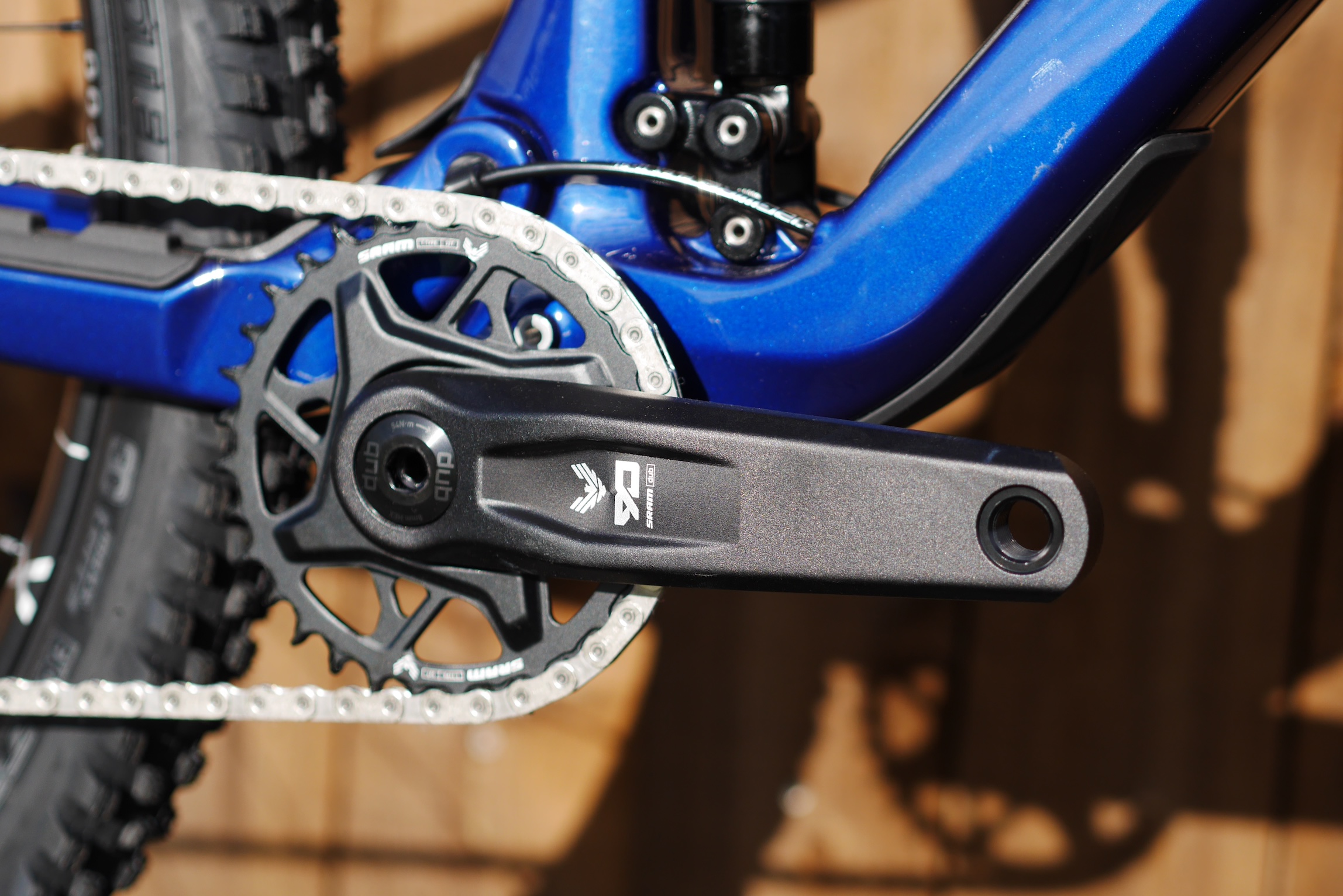
- Chainset // SRAM Eagle 90 DUB, 165mm, 32T
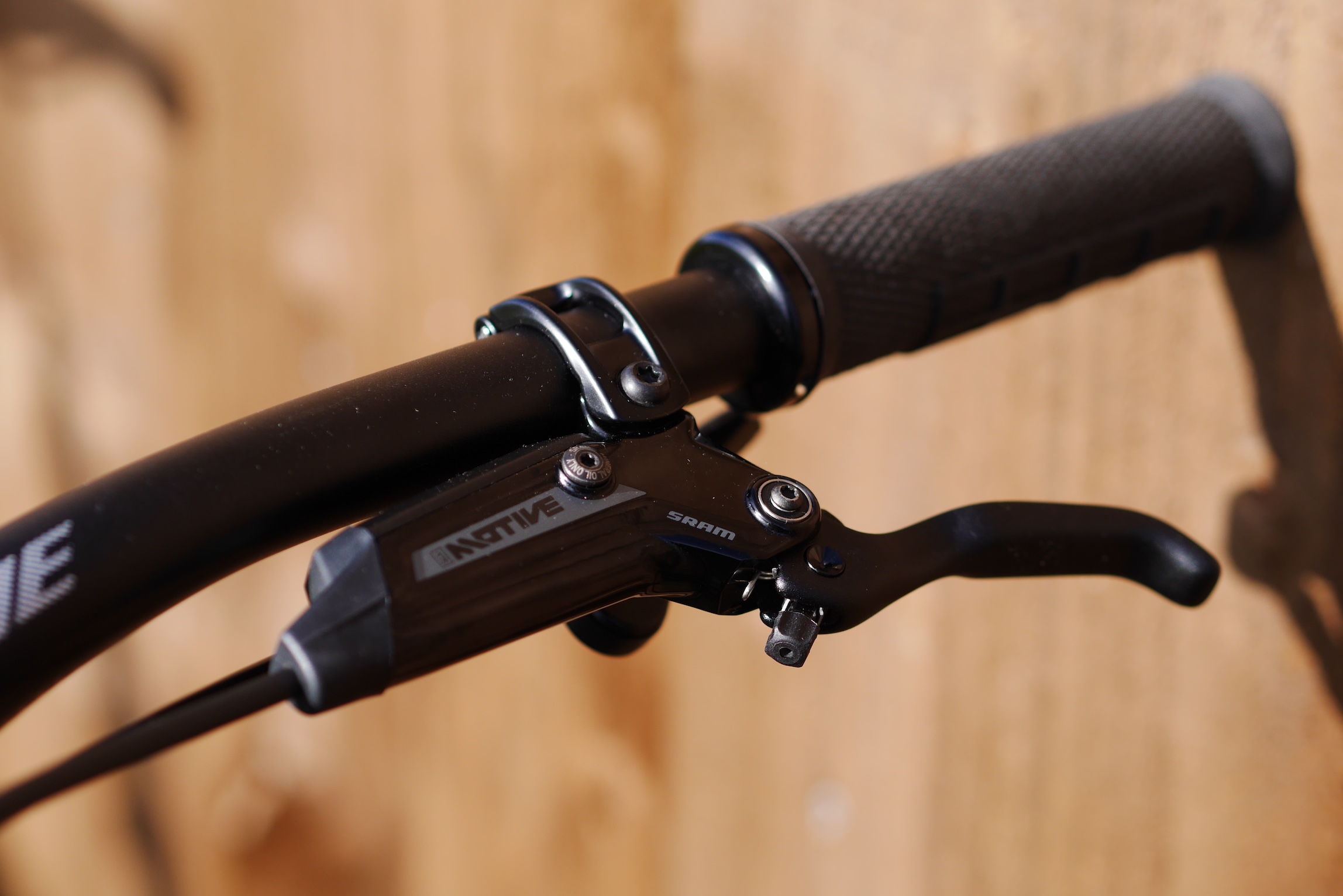
- Brakes // SRAM Motive Silver, 180/180mm
- Drivetrain // SRAM Eagle 90
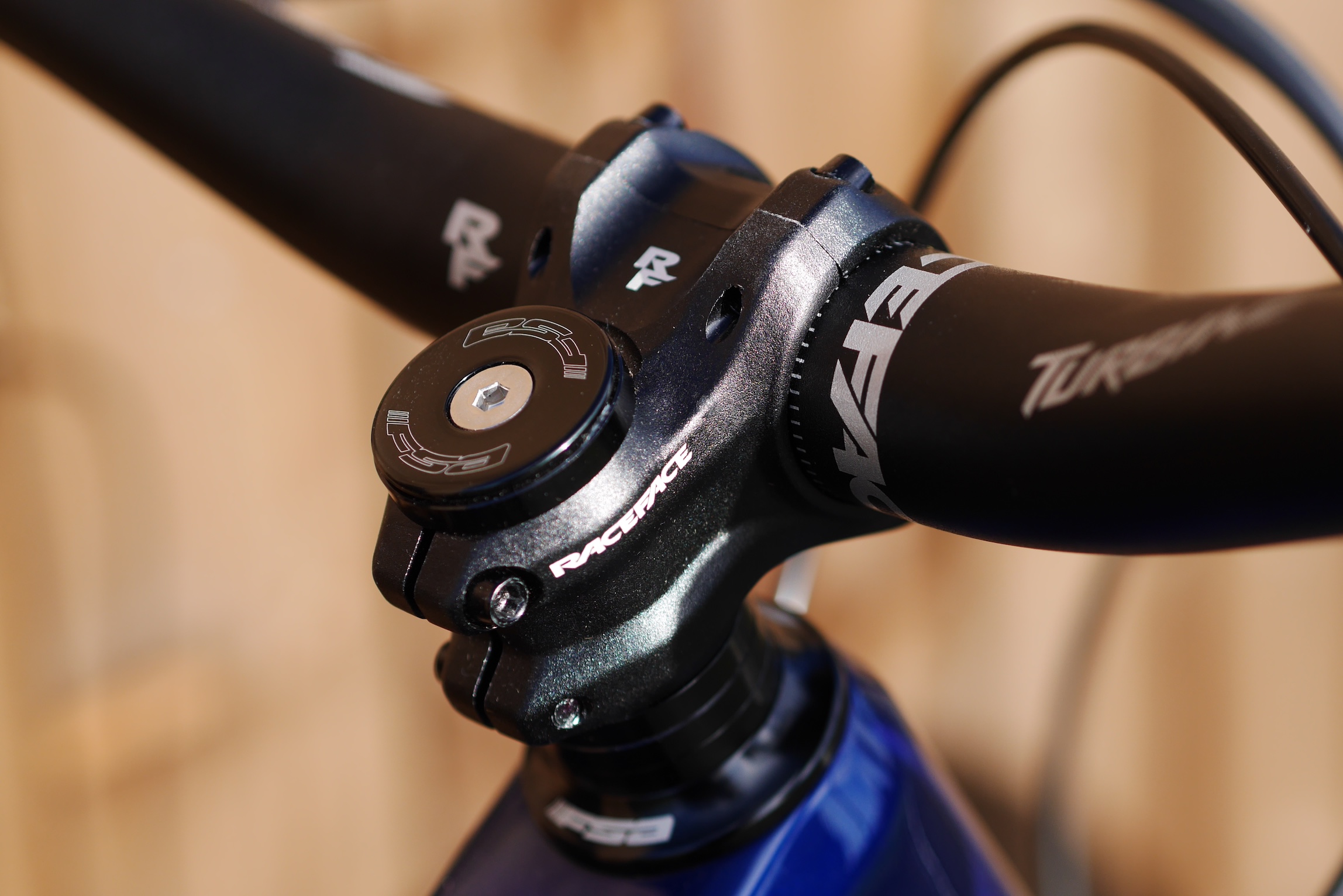
- Stem // RaceFace Aeffect R 35, 40mm
- Handlebars // RaceFace Turbine 35, 800x40mm
- Grips // ODI Elite Flow Lock-on
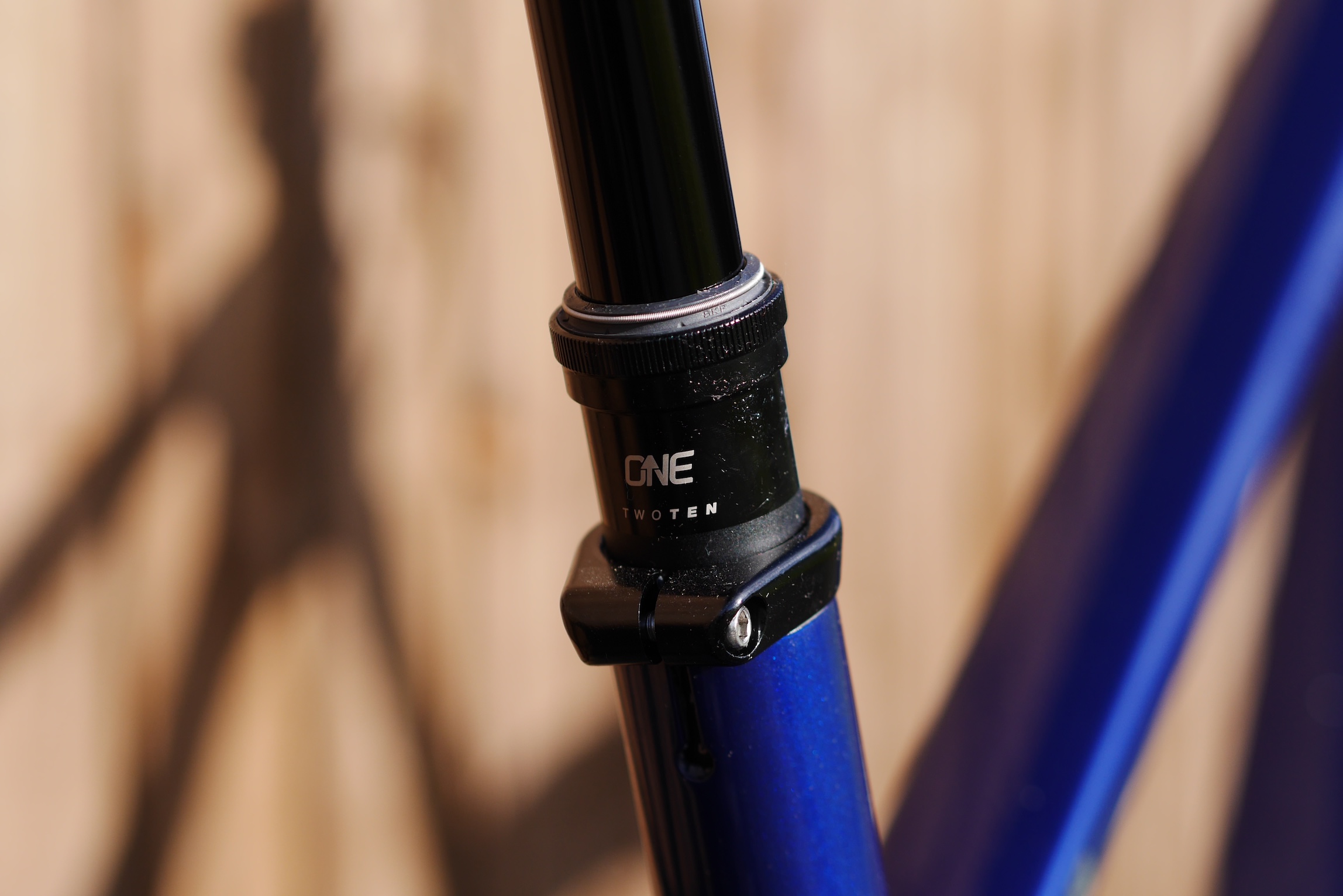
- Seat Post // OneUp dropper, 31.6mm, 210mm
- Saddle // SDG Bel Air 3
- Sizes Available // S, M, L, XL
- Size Tested // L
- Weight // TBC (don’t want to know until ridden the bike more)
Geometry of our size Large (low)
- Head angle // 65.5°
- Effective seat angle // 75.9°
- Seat tube length // 420mm
- Head tube length // 120mm
- Chainstay // 441mm
- Wheelbase // 1,233mm
- Effective top tube // 633mm
- BB height // 47mm BB drop
- Reach // 480mm

I don’t quite get it. Increasing the stack on a bike that has at least some intention of being ridden uphill quickly is not the right thing to do – many of the type of riders this is aimed at will want lower stack to get over the front and attack the climbs more. And, for those interested in the weight of this XC focused bike (which I’d assume would be everyone interested in a Spur), the very high spec one reviewed on Pinkbike is 12.5kg, so it’s not even light anymore – https://www.pinkbike.com/news/review-the-2026-transition-spur-is-lightly-revised-and-still-just-as-fun.html . I bet the one Benji’s on is nearly 30lb, by which point you might as well get a bigger bike. The old one was sub 25lb with similar wheels/fork/drivetrain- https://www.pinkbike.com/news/field-test-transition-spur-review-2020.htmlOh , and as you’ve mentioned the seat tube angle @Ben_Haworth – more cross country focused bikes tend to go for slacker seat angles because it’s better for biomechanics, especially for long seated efforts. It gets the glutes working more effectively, so you can pedal harder for longer, which is what whatever-country bikes tend to be designed for. A steeper seat angle is alright for keeping the front down when you’re pedalling with fewer watts on a bike with a larger wheelbase and a slacker head angle, winching yourself to the top of your plummet. Different tool for different jobs (I own bikes with both XC focused 75-ish seat angles, and a big enduro bike with a 78 degree one which is noticeably harder to mash for long stints).
I don’t think this bike is actually aimed at ‘climbers’ TBH. And IME steep seat angles are just way betterer for steady, long climbs as well as short, sharp ones. Ironically, XC bikes have some of the worst geometry for climbing of any MTBs IMO 😀
That looks pretty keen to me.
Didn’t know there was V2 coming out.
We need to bust the myth that increasing stack height or running a higher bar on a modern bike somehow reduces climbing and steering ability.
It’s bollocks.
That looks pretty keen to me.
Didn’t know there was V2 coming out.
I’ll take a V1 please… lighter, external brake hose, better cable routing, standard headset cups, access to all the bolts… just easier to work on all round.
Very nice bike, would be top of the list if I decide to get a short travel trail bike, which is something I’ve been thinking of recently.
@sharkattack – I’d be really interested to hear why. As someone who rides uphill hard a lot, and is a scientist by profession so I tend to look at the evidence to make myself go faster, a lower stack height is more efficient for power output on climbs and lets you keep the front wheel down. You can definitely put more power down when you have a more forward body position, enabled by a lower front end – peer reviewed scientific studies have shown that, so it’s not bollocks-“The GM and TD activation suggest that the body switches from a comfortable (upright) position to a forward (lower) configuration, as Savelberg et al. noted. This change in body position allows for an increase in power output through the pull of the handlebars and pedals." [Conceição 2022] What Savelberg said was that lower bar leans the pelvis forward, and your hamstrings and glutes are in a better relationship so can produce higher peak torque than in an upright position.
As your body moves forward, you get a deeper hinge at your hips, which engages your core and lets you transfer power better. Also, your arms are less engaged when stack height is higher, so you’ve less ability to brace your upper body which reduces power – “maximal crank power was significantly lower without handgrip… suggesting that the upper limb may heavily influence the crank power. A handlebar position set lower enables the specific upward-pulling counter-force required to drive the pedal downward with maximal force." [Baker, 2002]
There are more studies but it’s generally well proven that (up to a point, and not a point encountered on a mountain bike that’s still rideable downhill) a lower bar gets more power from glutes and hamstrings, improving climbing ability.
The Spur has never been a bike for XC racers. It’s a kind of XC bike for people who just like twatting about on bikes but want something a bit less travel.
I had a feeling this was incoming when V1 was on sale for the first time ever as far as I know.
Happily for me, this means I got a frame for 35% off, a bit lighter, better headset, external routing and fixed geo which I’m happy with.
I’m a high stack fan, with 70mm rise bars on mine.
I’d quite like the cubby hole, but that’s about it.
I ride my bike outside, not in a lab. Also MTB geometry has changed a bit since 2002.
I know I want a bike that’s comforatble 99% of the time and if I want a lower front end or to maximise my pelvic rotation I can just like, bend my elbows 1 degree or something.
I kinda get the impression that the 2002 science is based around pushing big gears in a race environment. I think the majority of normal MTBers are now spinning pretty high cadences these days. And not racing. And not on 2002 geo bikes. So whilst the science may be correct for the scenarios it was looking at it, I don’t feel it’s very relevant to modern twiddly climbing with big cassettes.
Interesting tweaks, rather than fundamental changes. Nothing to tempt me away from my V1 though, which I’m running with 130mm forks – I will go back to 120 if I can sort out a longer travel frame to build up.
Modern steep ST mean that a tall stack can climb well as the front wheel is weighted more naturally while the rider is more comfortable which helps efficiency.
Looks like the stack only increases significantly if you select the low setting with more BB drop which increases stack. High BB drop is same as old and HT length is the same, and stack within 7mm which is heehaw.
I’m with @munrobiker on this… a lower front end increases glute engagement. So, if you have good glutes, you’ll be more powerful when hinged forward rather than more uprighty.
Case in point: My, reasonably light, Hightower felt rubbish on climbs… heavy, sluggish and slow. Changing to lighter tyres improved things a bit, but it was only when I slammed the stem (probably taking 30-40mm off the stack height) that the bike became more alive on the climbs.
The current “fashion" is for a high front end… what goes around comes around 🙂
I’d say the current “fashion" is a response to bikes increasing in size massively over the last 10 years but stack heights staying the same. It’s the reason I’ve been using the highest bars I can get for years. I still pedal up hills.
“Hightower felt rubbish on climbs" – well, I’d assign that to the slack actual seat angle, short chainstays (and a general lack of support in the suspension post-sag). Slamming the bars was a sticking plaster solution, which is fine, but doesn’t hold true for all bikes IME.
Bikes have got bigger (longer) but stack height only needs to increase (proportionally) if bottom bracket height does. And bottom bracket height has come down if anything.
I wasn’t talking about the handling… I was talking about the lack of glute engagement from my hip angle being too open (body too upright) and that leading to a loss of power. I’ve spent ages building strong glutes in the gym, so I want to get the most out of the buggers when on the bike! Also, tip of saddle just 20mm behind bb… so fairly steep. You do have a point about shock support just beyond sag; the shock does tend to wallow a bit in the sag to mid-travel area. Lock out sorts that out… Now that IS a sticking plaster.
I’d argue that stack needs to increase when your bars are 80-100mm further forward than they used to be and your head angle is 3-5 degrees slacker.
Otherwise you end up stretched out with your bike glued to the ground.
Thing is… with these slacker angles at the front, short stems and steeper angles at the back, the saddle to handlebar distance isn’t much different to how it used to be. Longer when stood up, but not so much when climbing.
I think that modern bikes are so good that we are all just tweaking things for personal preference. And my personal preference, at least, changes all the time!
I agree with this 100%. There is no killer setting that makes your bike faster and you can’t double your power output by moving your hands up or down by a few centimetres. Only feel and comfort really matters. If the data said I could ride up a hill 10% faster if I replaced my saddle with a dildo I wouldn’t do it.
Anyway, it’s a beautiful day and I’m out here riding up the steepest hills in Sheffield with the highest front end I’ve ever had. No worries.
Thank the Lord for truly proportional chainstays.
Different bodies are different. As above, tweak things to your preference.
Long before I had the first clue about geometry, it always felt natural to me to chuck the de rigeur layback post in the scrap and replace with a straight one, saddle slammed forward .
A stretched out position with low front end always just gives me a stiff low back rather than a perceived power increase.
If that works for others though, or in a lab test then crack on, enjoy what works for you.
Yup, that’s why I got mine, a light mile muncher to compliment my bigger bike. Proper XC bikes are often so low that I’d never get comfortable. All I know is that the V1 is super comfy, flies up hill compared to pretty much any other bike I’ve had and can be converted from XC flier to rougher stuff ready with a change of wheels. Bet the V2 is a hoot (but I’ll be sticking with my V1).
In the region where Transition Bikes are based it’s not uncommon to have rides that start with a 1000 meter or more climb that goes straight up. In this situation a bike that can be comfortably twiddled to the top is a good thing for the leisure cyclist.
longer bikes, ones with long front and rear centres, climb better than short ones. In my experience. The less energy you spend fighting the bike can only be a good thing.
on long climbs it’s nice to be able to change positions. In my experience this is easier to do if your bars are high, because once you are stretched out it’s hard to get lower or more upright.