The impact of mountain biking on a small community and of the many, many benefits as revealed by its young people.
Words: Ina De Smet. Pictures: Dan Jones.
Trigger warning: this article mentions suicide.
A few years ago, mountain biking saved my son’s life. Without going into details, we found ourselves in acute need of CAMHS support (Children and Adolescent Mental Health Services). After waiting a very long time, help turned out to be extremely limited in spite of the urgency of the situation. Had it not been for his passion for mountain biking, I’m not sure if he would still be here today. Coming back buzzing from a ride or a dig session, with that buzz lasting longer and longer beyond the ride, became the catalyst for improvement in how he felt.
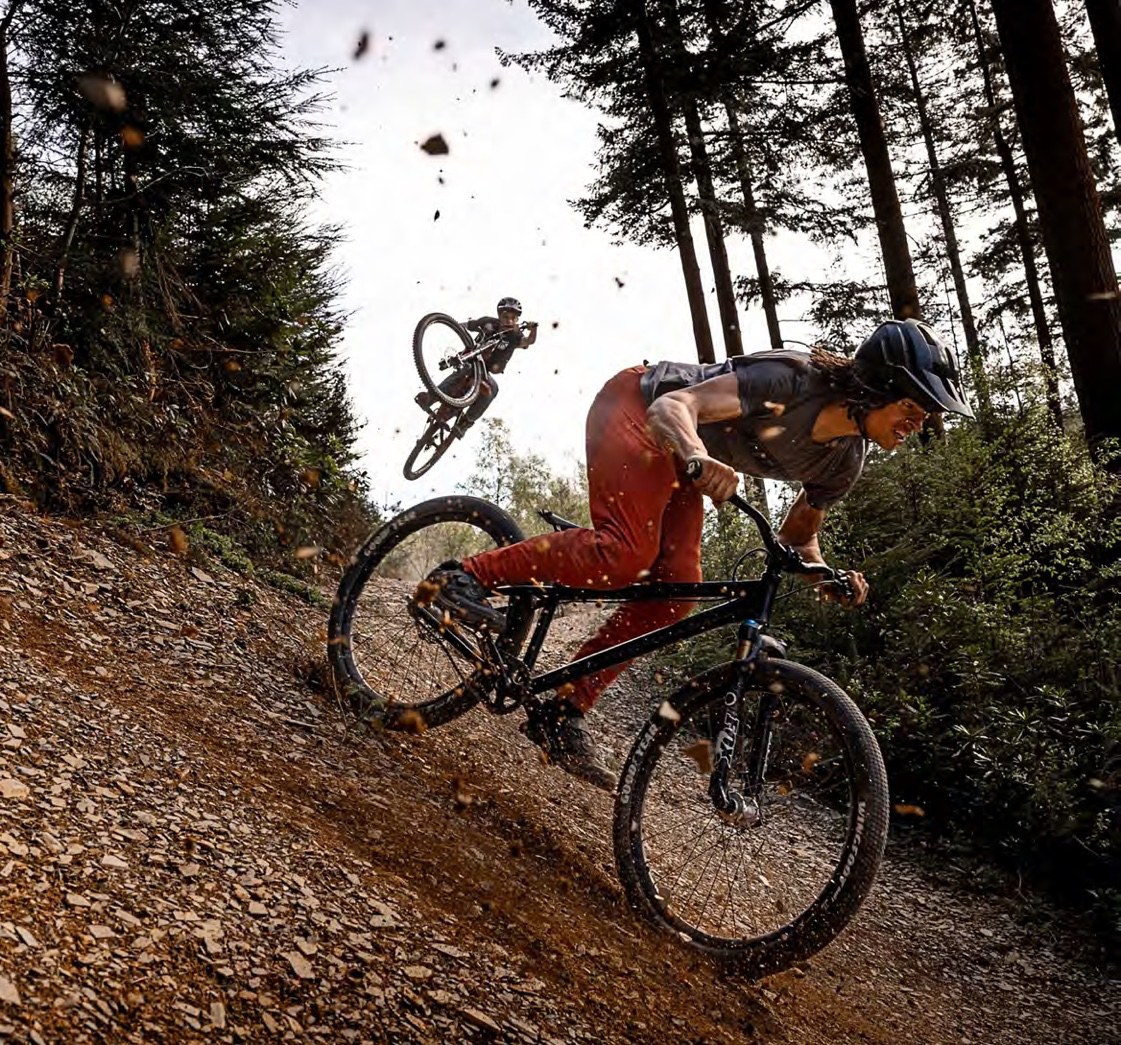
Living in the Dyfi Valley certainly helped. When you’re surrounded by a large forest, a fantastic trail network, and have a community of other riders always keen to head out on bikes, two core elements of supporting mental health are already fulfilled. Access to green space and community connection are key in supporting a better quality of life.
After our local area was awarded the ‘Best UK Riding Destination’ by Singletrack World readers in December 2024, we set out to showcase the beauty of the valley through the eyes of the next generation and celebrate it by creating a documentary film about their experiences. Our aim was to show the strength and depth of the community of local young riders, trail builders and aspiring racers, and look back in time to see how the Dyfi Valley became such an amazing place to ride bikes.
From the groms
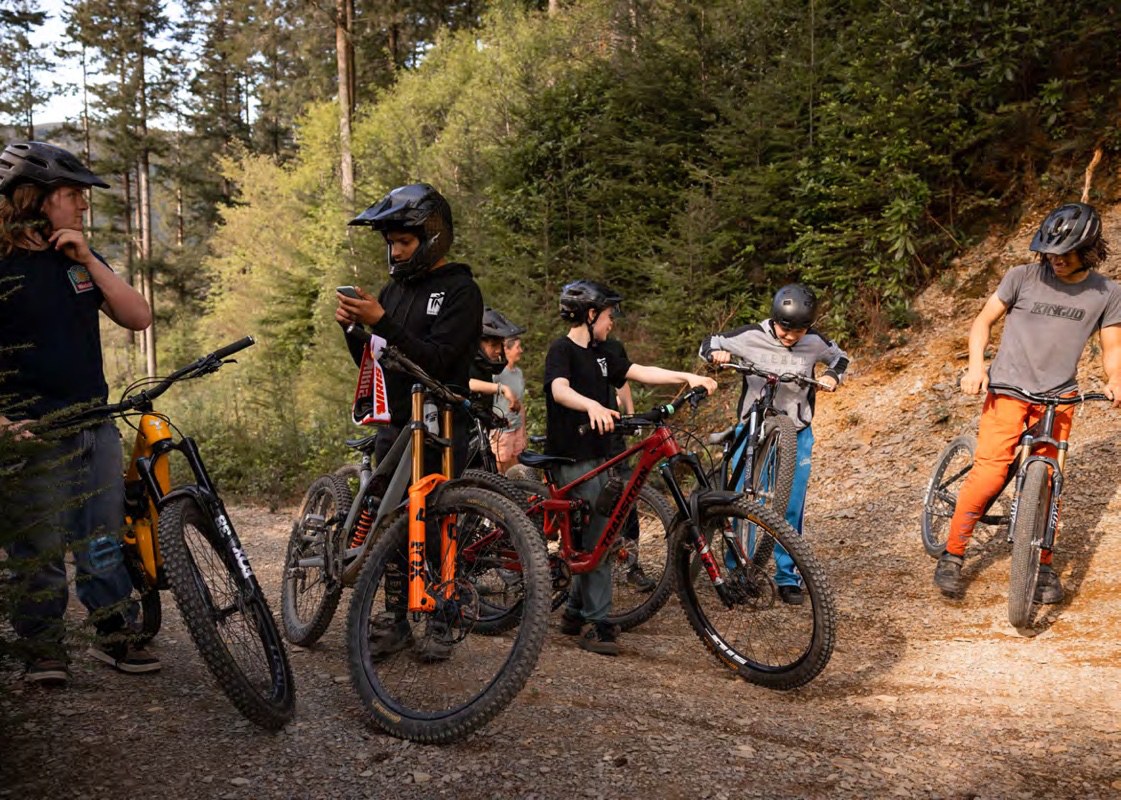
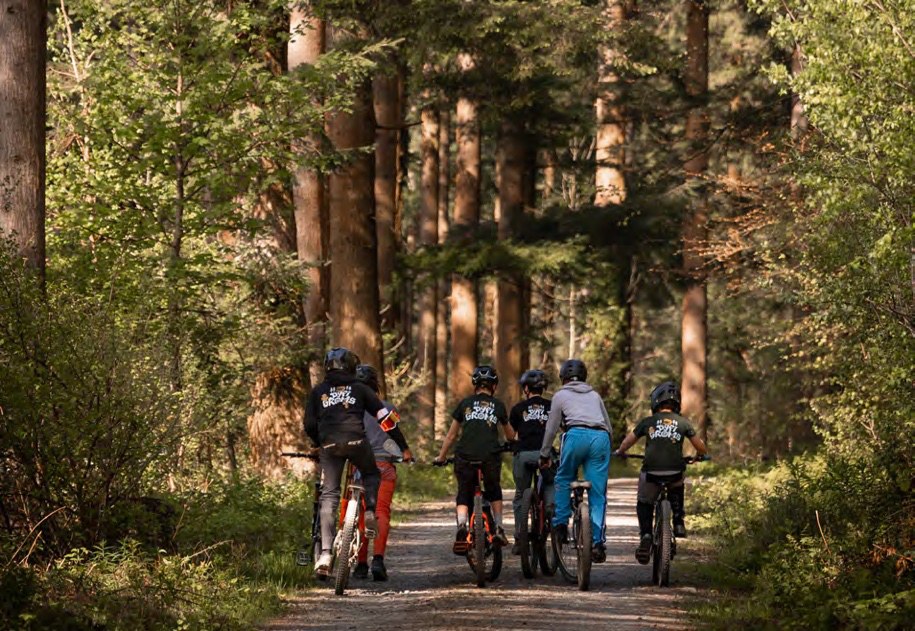
In the two years that followed, I had the privilege of learning the personal stories of the ‘groms’ – why and where they ride, and how riding bikes has transformed their lives. Each and every one of them opened up about their mental health, the challenges they faced, and the joy mountain biking brings them. Halfway through the production of the documentary ‘Dyfi Groms’, we received the devastating news that one of the youngsters, Ethan, had taken his own life a few weeks before his nineteenth birthday. As shock and grief rippled through our community, we were determined not to give in to the stigma mental health carries in our society. The aim of Dyfi Groms became to amplify the voices of our young people and to show how bikes change lives.
Definition: Grom = a young person who participates in an extreme sport. Originally a term from surfing, it has carried over into skateboarding, skiing and mountain biking, etc.
The C words
So what are these youngsters telling us? This is the Covid-generation, young people who were robbed of many milestones through consecutive years of lockdowns and restrictions. Learning from home, no school trips, proms or clubs, etc. Many of them spend more and more time on screens, forced by circumstances as well as the boom in social media.
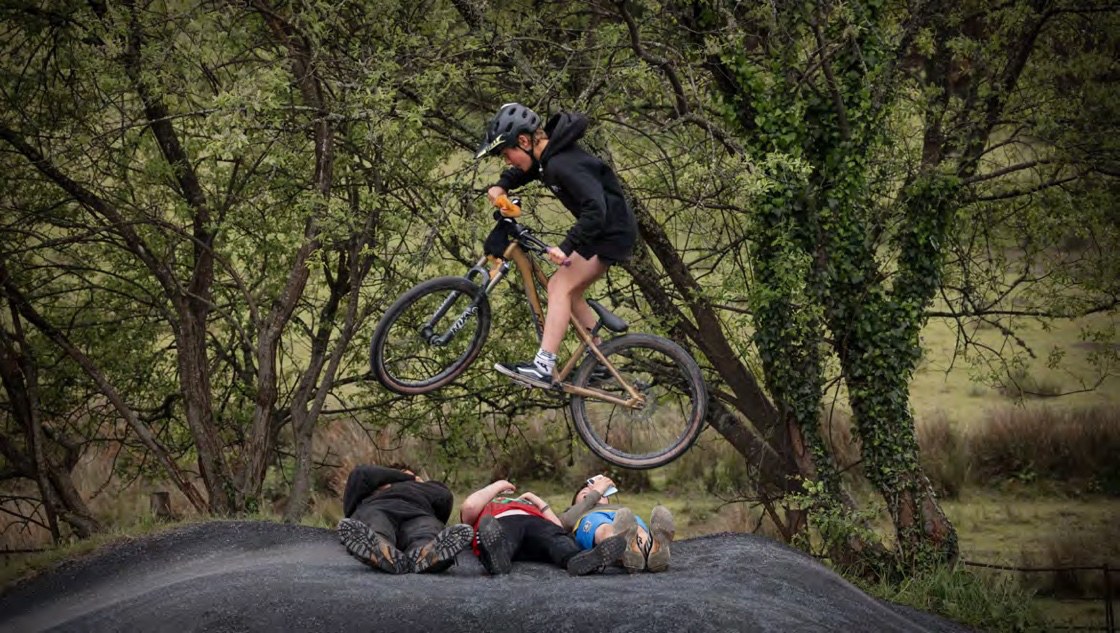
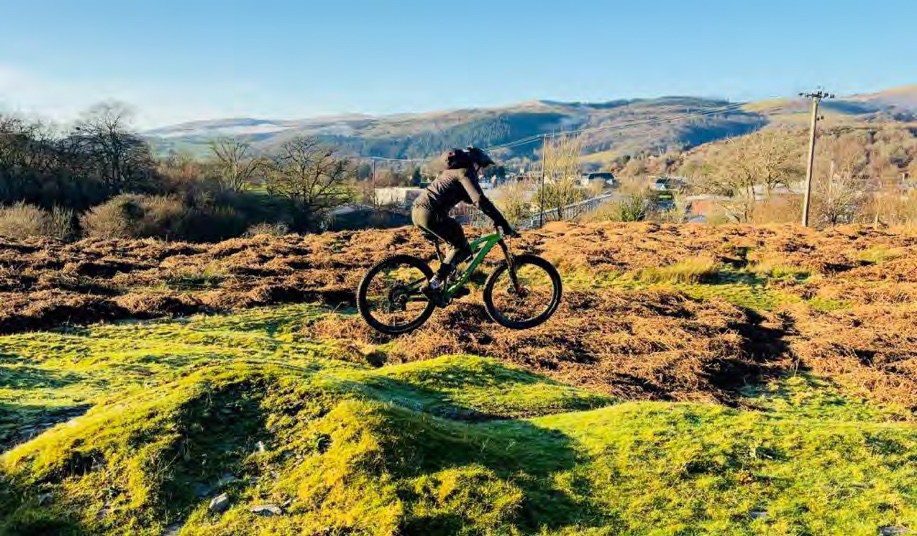
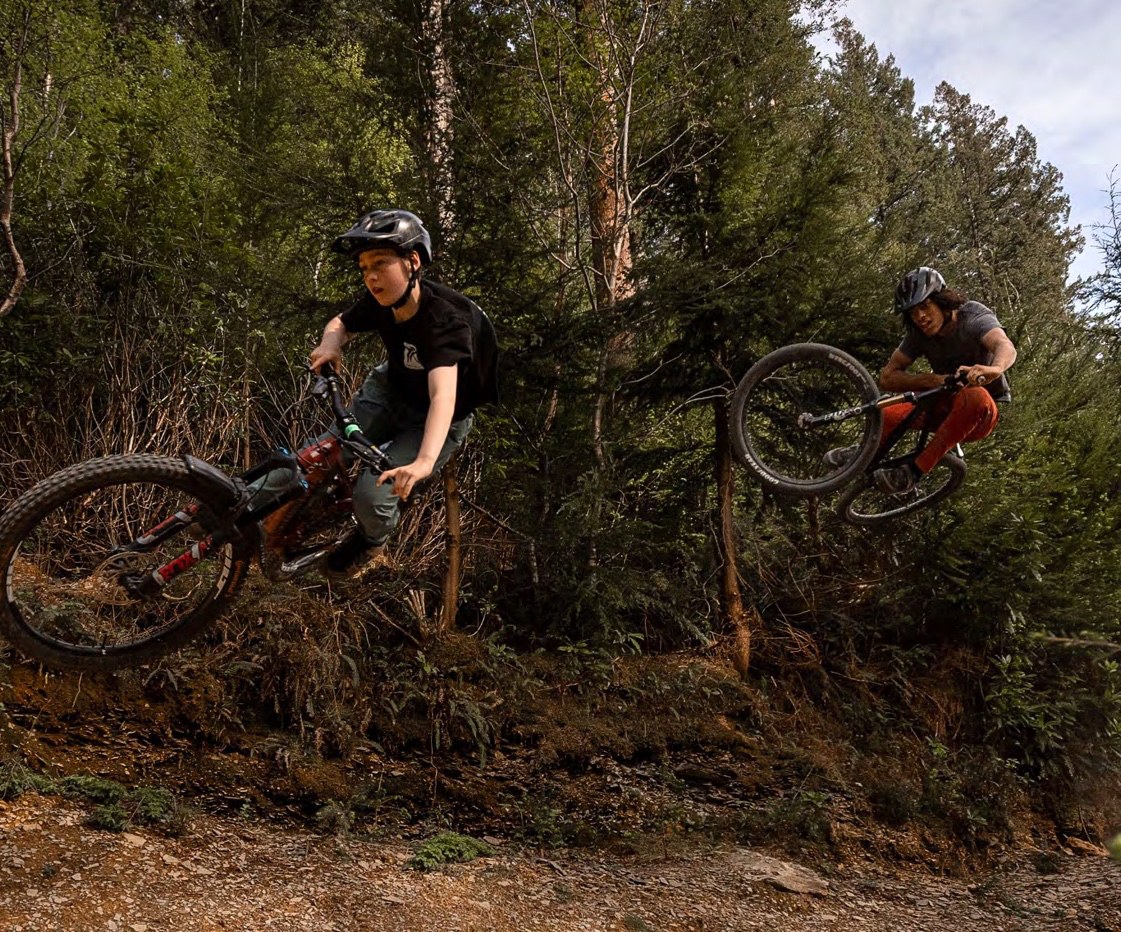
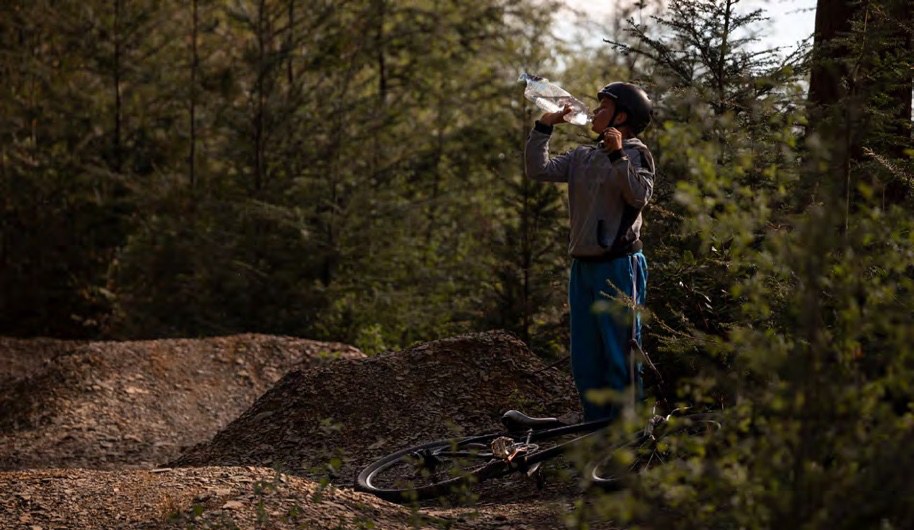
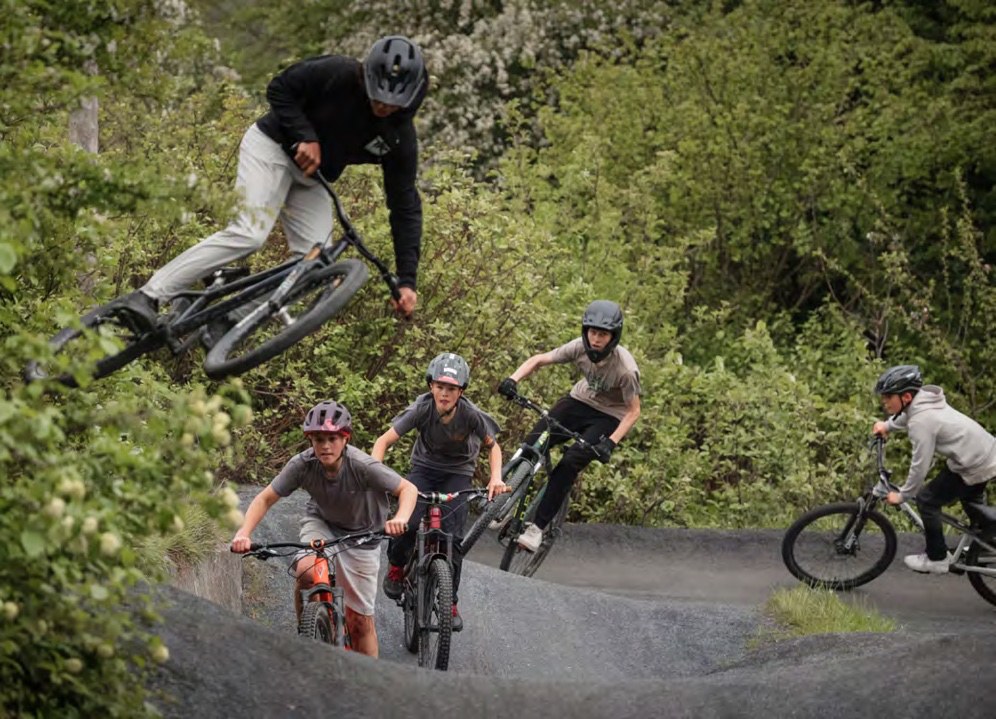
Yet our Dyfi groms seem to have a different lifestyle. They grab their bikes in various states of (dis)repair, head up in the woods with a group of friends, shovels and mattocks at the ready, build and ride-eat-sleep-repeat. They meet at the pump track in Machynlleth or at an area of community land on the outskirts of the town by the golf course to ride and have fun together. They experience freedom to make their own decisions and take risks. They build connections with each other and the natural world around them. They create community. When asked what community means to him, Louis (15 at the time) said: “Community is somewhere you can just be yourself and feel appreciated and not have to worry at all.”
More than sport
As riders, I think we all agree that mountain biking is so much more than just a sport. The unique combination of cycling off-road, exercising in nature, pushing one’s mental and physical limits and learning new skills, as well as spending time in the (typically) very welcoming mountain bike community, all make for a positive environment to strengthen and improve our mental state. As Tomos (16) puts it: “Biking keeps me fit, keeps me happy, gives me something to do and something to aim for. You could easily not bike and still have a really great time here, but I think biking gets you out that little bit further.”
Several studies have looked into these benefits to back up riders’ personal experiences with solid evidence. The success of the Mountain Bike Trail Therapy scheme from Developing Mountain Biking in Scotland further strengthens the case. But it clearly doesn’t need to be an organised therapy session in order for those benefits to happen.
Considering that in the past two decades the rates of diagnosable mental health conditions among children and young people have doubled, I can’t help but wonder how much mountain biking could do to help turn these statistics around. We’re talking about a staggering 1 in 5 children between 8 and 25 years old (2023 figures for the United Kingdom), and 1 in 4 of our 17 to 24-year-olds.
Many Singletrack World readers fall in the age bracket of potential parents or grandparents, some may be teachers, coaches or have contact with young people in various other capacities. Therefore, unfortunately, many will also have direct experience of watching a young person struggle with their mental health. But it also places us in a position of being able to make a difference.
Spreading the word
According to the report ‘Why Aren’t You Mountain Biking?’ from Reframing MTB, the vast majority of riders discovered the sport through a friend, partner or family member. Our Dyfi groms confirm this too, with Esme and Cari expressing how hard it is to find more girls to ride with after being introduced to mountain biking by their dads. Being out on the trails with a parent has given them unique opportunities to process difficult times in their lives. As Esme (14) puts it: “You know you can always talk to your parents, but when we’re out on our bikes, it’s different. I can explain everything to him, and it just means so much to me.” Or in 12-year-old Bertie’s words: “My dad and I have always been close, but mountain biking has brought us together even more. Talking about mountain biking and expressing our feelings to each other has helped.”
Chatting away while fettling bikes in the car park, pedalling up the hill or stopping at the trailhead before dropping in creates an ideal environment for non-threatening side-by-side conversations. Isn’t it much easier to talk when we’re doing something else? Talking becomes natural, less uncomfortable. And just like we get to know each rock and root on trails we ride regularly, we can become more attuned to those we ride with to notice a difference and check in… ‘How have you been feeling lately?’
There is no sugar-coating the harsh reality of mental health challenges, but that doesn’t mean we are powerless in trying to support each other. Is there a local club near you where you could volunteer your time or donate equipment you no longer use? Maybe your neighbour’s kid needs a hand fixing their bike. Perhaps your children’s friends can’t make it out to rides as often because they don’t have transport, but you have a van and could help take bikes to the trailhead. The toolkit put together by Reframing MTB offers clear and practical tips on how to bring more people into the sport. When offering help to young people, it’s obviously very important to follow safeguarding protocol, but there are so many ways to share our love for bikes with the next generation.
Positive screentime
We made Dyfi Groms in the hope that watching it with other (young) people in your life also opens up conversations. Wise beyond his years, 16-year-old Mabon concludes the film with: “The best thing you can do is to talk to someone you trust. It’s hard, but I think it’s important.”
The film is now available on YouTube. For public screenings, please contact hello@trailrippersproject.org.
Trailrippers Project CIC is a non-profit organisation set up by young riders Nathan and Ruben de Vaux, aka the Trailrippers on social media, with the help of their mother, Ina. They aim to remove barriers to mountain biking by creating diverse films, supporting other young riders in their local area through the Dyfi Groms Fund, as well as kit and equipment sales, and showing that mountain biking is for everyone. Every purchase of a Dyfi Groms T-shirt or hoodie puts £8 back into the community of riders in the Dyfi Valley. Visit the shop at trailrippersproject.org.
Ethan Carter — 27th March 2006 – 9th February 2025
Jimmy Carter, Ethan’s dad, on Dyfi Groms:
“My best memories of Ethan are always on a bike. We spent so much time riding the local trails together – not as father and son, because the dynamic was different on bikes – it was simpler than that and purer for it, and in those rare flow state times of complete bliss when we committed completely to the moment, we burned brighter for it and knew ourselves to be truly alive.
“This is what mountain biking means to me, and this film captures that sentiment beautifully. The love for this landscape, the sense of community and the need for adventure and a daily leap into the unknown.”
Who to speak to and further reading
If you or someone you know is struggling, here are some organisations that offer help, support and advice. Call emergency services if urgent help is needed.
To talk to someone:
- Samaritans: 24hr helpline 116 123, samaritans.org
- Papyrus: Hopeline for young people 0800 068 4141 or text 88247, papyrus-uk.org
- Young Minds UK: youngminds.org.uk
Further reading:
- MTB Trail Therapy: dmbins.com/health/trail-therapy
- Reframing MTB Report and Toolkit: reframingmtb.org/why-arent-you-mountain-biking
- The Big Mental Health Report 2025 by Mind UK: mind.org.uk/about-us/our-policy-work/the-big-mental-health-report/#findings
Dyfi Groms (the film)
The film follows a group of young mountain bike riders from the Dyfi Valley in Mid Wales. It documents their joys, challenges and aspirations. Through heart-warming and inspirational storytelling, the 38-minute film explores themes of mental health, friendship, community and connection with nature. It was made in celebration of the Dyfi Valley, which won the Singletrack World Award as Best UK Riding Destination. The film’s direction was shaped by the news of one of the young riders taking his own life, and is dedicated to his memory.
Filmed and directed by Ashley Leung – Tiny House Creatives. Produced by Trailrippers Project CIC. The team are still fundraising to cover the cost of producing the film: crowdfunder.co.uk/p/dyfi-groms-film-project


